What a Residential Electrician Really Does in Your Home
Residential electrician services keep homes safe, comfortable, and powered every day, but many homeowners only think about them when something goes wrong.
Flickering lights, tripping breakers, warm outlets, outdated panels, and faulty wiring can look minor at first. In older Brooklyn buildings, those signs may point to fire hazards, code violations, insurance problems, or unsafe work completed by an unqualified person.
The solution is to call a licensed electrician or electrical contractor who understands residential systems, NYC permits, approved materials, and reliable electrical service. This guide explains what residential and commercial electricians do, how training works, what the average salary looks like, and when to call a professional.
Key Takeaways
- A residential electrician installs, repairs, upgrades, and helps maintain electrical systems in houses, apartments, condos, and townhomes.
- Residential and commercial electricians differ in building type, power systems, job size, and daily work environment.
- In Brooklyn, electrical work must follow the national electrical code and the NYC Electrical Code, including local amendments.
- Homeowners should hire a licensed electrician for wiring, panels, circuits, permits, inspections, and troubleshooting electrical problems.
- NYC rules are strict: a legitimate electrical contractor must hold an active Master Electrician license from the NYC Department of Buildings for most permitted work.
Core Definition: What Is a Residential Electrician?
A residential electrician is a trained tradesperson who installs, repairs, and updates electrical systems, light fixtures, wiring, power outlets, circuit boards, switches, and panels in residential properties such as homes and apartments. Their residential work focuses on everyday power, safety, and comfort.
In the United States, homes typically use 120/240-volt single-phase power. That is simpler than the three-phase systems often found in commercial buildings, but it still requires serious knowledge, precision, and code compliance.
Residential electricians may work for an electrical contractor, a service company, a local electrical company, or an electrician business they own. Many electricians also work independently, often interacting directly with homeowners during repairs, installations, and troubleshooting.
Common examples include:
- Installing recessed lighting, ceiling fans, and new outlets
- Upgrading electrical panels and circuit breakers
- Fixing recurring power loss or unsafe wiring systems
- Adding GFCI and AFCI protection
- Installing EV chargers, smart thermostats, and smart lighting
- Bringing older houses and apartments up to current code
Everyday Duties of a Residential Electrician
A residential electrician’s day can move from a quick repair to a complex project. Common tasks for residential electricians include troubleshooting circuit breakers, installing ceiling fans, and upgrading electrical panels.
Typical duties include:
- Diagnosing dead outlets, flickering lights, buzzing panels, and repeated breaker trips
- Installing new circuits for kitchens, bathrooms, laundry equipment, and home offices
- Replacing outdated fuse boxes and unsafe panels
- Adding GFCI outlets in kitchens, bathrooms, garages, and outdoor areas
- Planning wiring for renovations and new construction
- Reading drawings, coordinating with inspectors, and documenting completed work
- Pulling permits when required before work begins
On larger jobs, a residential electrician may coordinate with general contractors, plumbers, architects, and building management. In Brooklyn co-ops and condos, residential electricians in New York City must be familiar with the specific insurance and permit requirements to work in co-ops and condos.
Residential vs. Commercial Electricians: How Do They Differ?
Residential electricians typically work in homes and apartments, while commercial electricians work in larger buildings such as offices, schools, and retail stores. The difference is not just the location. The power systems, materials, schedules, and safety procedures can be very different.
Key differences include:
- Residential: single-family homes, brownstones, condos, co-ops, and small multifamily buildings
- Commercial: offices, schools, hospitals, warehouses, restaurants, and retail stores
- Residential systems: generally simpler, using single-phase power
- Commercial systems: often three-phase power with larger distribution equipment
- Residential environment: finished rooms, occupied homes, direct homeowner contact
- Commercial environment: larger crews, construction sites, strict schedules, and bigger equipment
Commercial electricians work with more complex electrical components, transformers, backup generators, larger lighting systems, cable trays, and extensive conduit. Commercial electricians often work in teams on larger job sites, while residential electricians usually work independently or with one other person in private homes.
Some electrical contractors employ both residential and commercial specialists. With extra training, a commercial electrician can move into residential service, and residential pros can gain experience in commercial projects.
Training and Licensing Requirements for Residential Electricians
To become a residential electrician, individuals typically need to complete a high school diploma or GED, followed by either an apprenticeship or a two-year technical school program, which is then followed by an apprenticeship. Strong math, reading, mechanical reasoning, and communication skills are essential.
A typical path includes:
- Education: high school diploma, GED, trade school, or technical program
- Apprenticeship: usually 4–5 years of supervised field training
- Supervision: hands-on experience with licensed electricians
- Exams: written and practical testing, depending on jurisdiction
- Continuing education: courses on code changes, safety, and new technology
After completing their training, aspiring electricians must pass a state licensing exam to work legally in the field, with requirements varying by state. Most states require electricians to be licensed, and this often involves completing continuing education courses to maintain their license after it has been obtained.
In New York City, the scope of a residential electrician is highly specialized due to the dense urban landscape and strict building codes. A legitimate electrical contractor in NYC must hold an active Master Electrician license issued by the NYC Department of Buildings, proving they have significant supervised field experience. NYC licensing details are available through the NYC Department of Buildings.
It is illegal for unlicensed individuals to perform electrical work in New York City, requiring a licensed Master Electrician to file a work permit for most residential jobs.
Residential Electrician Salary and Career Outlook
Electrician pay depends on training level, location, credentials, union status, and whether the person handles residential, commercial, or mixed jobs. The average salary for electricians nationwide is generally solid compared with many other trade careers, and major metro areas often pay more because demand and cost of living are higher.
In Brooklyn and NYC, electrician earnings are commonly higher than in many regions, but so are business expenses. Hiring a residential electrician in NYC generally incurs higher costs compared to other parts of the country due to stringent licensing and insurance requirements.
Factors that affect pay include:
- Years of experience and whether an apprenticeship is completed
- Journeyperson or Master Electrician status
- Union versus non-union employment
- Overtime, emergency calls, and weekend work
- Certifications in EV charging, smart homes, or generators
- Whether the electrician can handle residential and commercial electricians work
- Ownership of an electrical company or contractor business
According to recent labor data from the U.S. Bureau of Labor Statistics, electrician jobs are expected to remain in demand as buildings need upgrades, repairs, and new installations.
Common Electrical Problems Residential Electricians Solve
Electrical problems often start small. A breaker trips once. A switch feels warm. One room loses power. But recurring issues may signal overloaded circuits, damaged conductors, or faulty wiring hidden behind walls.
Common problems include:
- Frequently tripping breakers in the same area
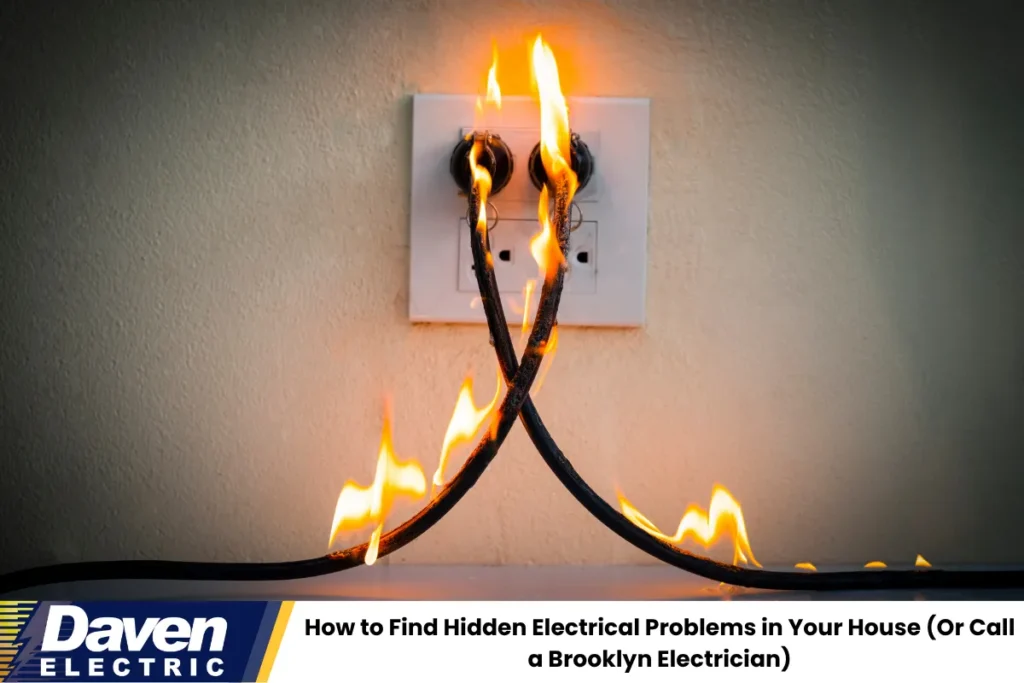
- Warm outlets, buzzing switches, or scorch marks
- Flickering lights when appliances turn on
- Partial power loss in one room or floor
- Ungrounded outlets in older buildings
- Outdated fuse panels or undersized service
- Knob-and-tube wiring or old BX cable
Residential electricians need specialized expertise to upgrade older wiring systems like knob-and-tube and BX cable common in NYC buildings. Electricians in NYC often deal with unique challenges due to older housing infrastructure and building management requirements.
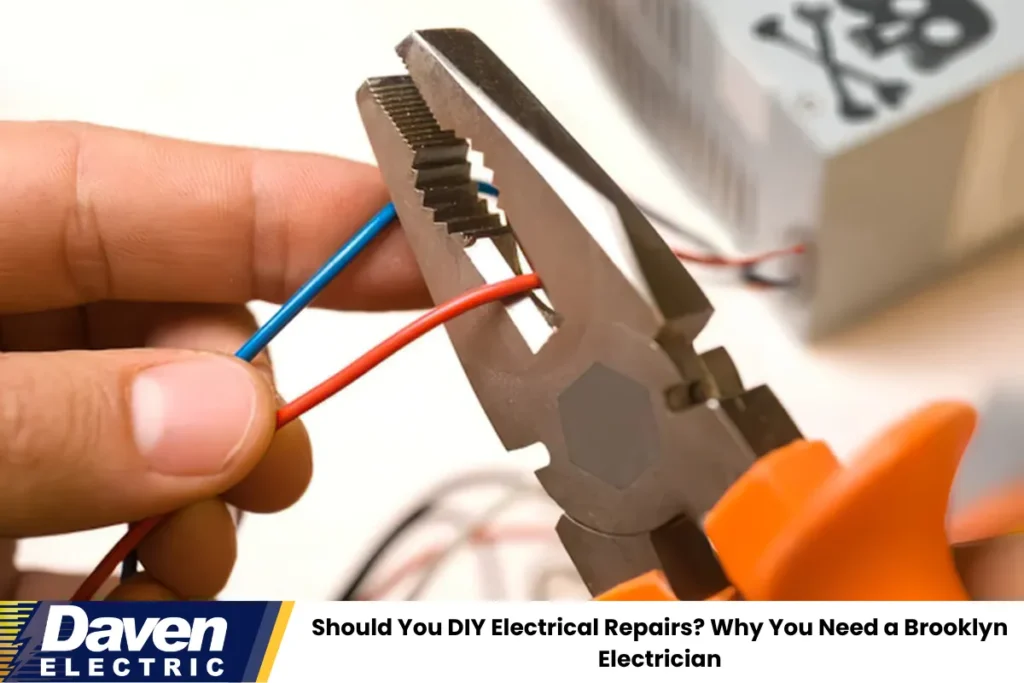
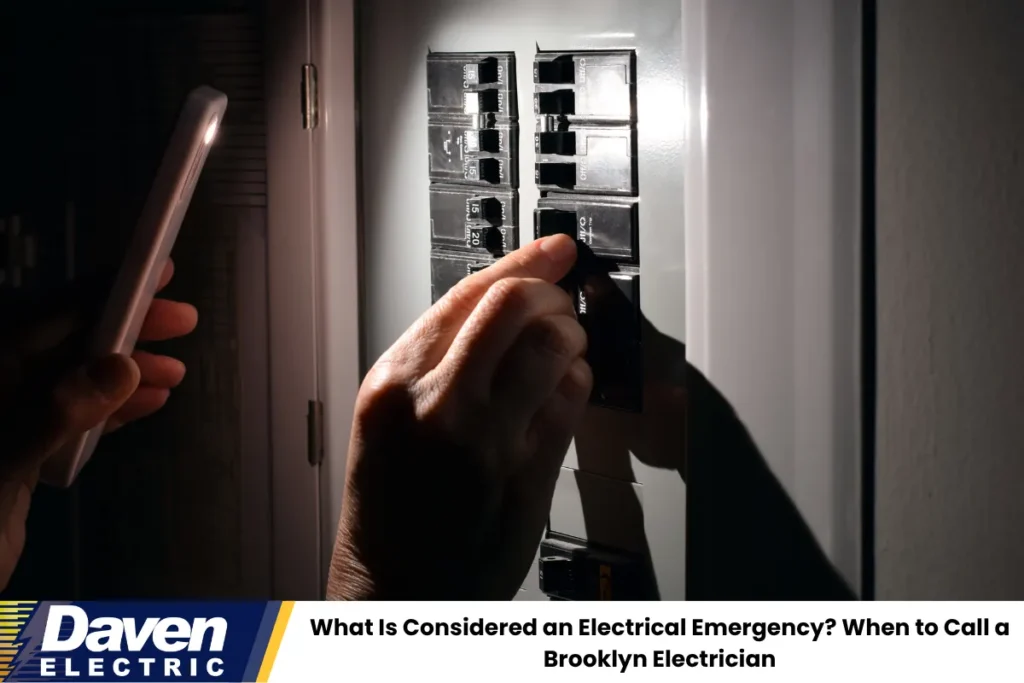
DIY fixing can be risky because improper splices, overloaded circuits, or hidden damage can create shock and fire hazards. If you smell burning, see sparks, or notice repeated breaker trips, call a licensed professional immediately.
Services a Residential Electrician Typically Offers
A residential electrician provides services that keep a home powered, code-compliant, and ready for modern living. The right company can handle small repairs and large installations.
Common service categories include:
- Outlet and switch services: installing new outlets, replacing worn devices, adding tamper-resistant receptacles
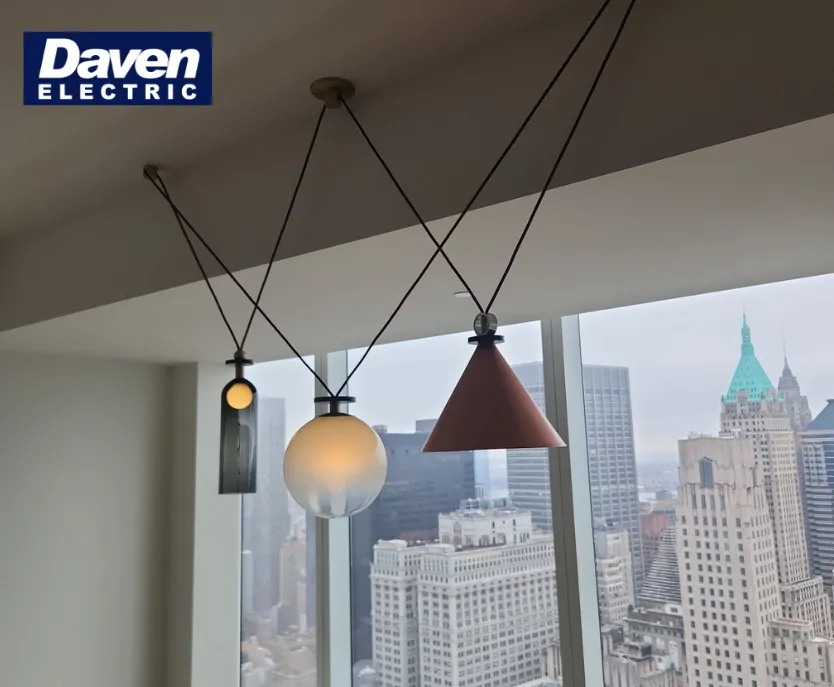
- Lighting services: light fixtures, recessed lighting, dimmers, ceiling fans, and exterior lighting
- Panel services: service upgrades, breaker replacement, subpanels, circuit labeling, and load calculations
- Safety upgrades: GFCI and AFCI protection, grounding improvements, smoke and CO detector wiring
- Modern home upgrades: EV chargers, smart thermostats, smart lighting, and automation wiring
- Emergency services: storm damage, water exposure, partial power loss, and urgent troubleshooting
- Power solutions: generator hookups, surge protection, and backup power planning
Many reputable brooklyn electricians offer a free estimate for clearly defined work, though complex projects usually require an on-site evaluation before the final cost is known.
How Residential Electricians Work With Codes and Safety Standards
Electrical safety is not guesswork. All residential electrical work should follow the national electrical code as adopted and amended by local authorities. The NYC Electrical Code includes specific amendments that must be followed alongside the National Electrical Code (NEC).
In Brooklyn, electricians must follow New York City Electrical Code requirements for permits, inspections, approved materials, and installation methods. NYC residential electricians must install wiring inside metal armor-clad cables or rigid metal conduits due to strict regulations and fire safety concerns.
A licensed electrician helps protect homeowners by:
- Performing load calculations before adding circuits
- Choosing proper wire sizes and breaker ratings
- Installing overcurrent protection to reduce overheating risks
- Using approved boxes, fittings, grounding, and bonding
- Providing GFCI protection in wet or damp locations
- Providing AFCI protection where required
- Coordinating inspections for permitted work
The NYC electrical code page is maintained by the NYC Department of Buildings. Local inspectors may review permitted work before walls are closed and again when the project is finished.
Choosing Between Residential and Commercial Electrician Careers
If you are considering electrical careers, the best path depends on the type of work environment you prefer. Residential work usually means helping homeowners directly, solving varied problems, and working in finished spaces. Commercial work often means larger crews, longer projects, and more time around construction sites or occupied facilities.
Compare the paths:
| Career factor | Residential | Commercial |
|---|---|---|
| Customer interaction | High, often with homeowners | Moderate, often with managers or contractors |
| Project size | Smaller, varied jobs | Larger, longer projects |
| Work environment | Houses, apartments, condos | Offices, schools, retail stores, commercial buildings |
| Systems | Single-phase power | Often three-phase power |
| Team size | Often solo or one other person | Larger teams |
| Skills focus | Troubleshooting, repairs, service upgrades | Distribution systems, conduit, large equipment |
Some electricians specialize early. Others gain experience in both areas and later move into estimating, project management, inspections, training, or running their own business.
When Should a Homeowner Call a Residential Electrician?
Homeowners should call a residential electrician when an electrical issue is recurring, unsafe, or connected to permanent wiring. Even small jobs can become complicated in older Brooklyn buildings with hidden splices, brittle insulation, or outdated materials.
Call a professional for:
- Repeated breaker trips
- Burning smells from outlets or panels
- Visible sparks or scorch marks
- Water exposure near electrical components
- Loss of power in only part of the home
- Panel upgrades or new circuits
- Kitchen, bathroom, basement, or home office remodels
- Electric ranges, dryers, EV chargers, or high-demand appliances
- Any project that may require permits or inspections
In Brooklyn, NY, significant electrical alterations generally require a licensed Master Electrician and proper filing. Calling early can prevent costlier damage and help maintain insurance, safety, and legal compliance.
Staying Safe and Powered With the Right Residential Electrician
A qualified residential electrician keeps your home safe, efficient, and up to code by handling installations, repairs, upgrades, troubleshooting, and maintenance. From new outlets to full panel upgrades, the right expertise helps protect your family, property, and long-term investment.
Residential and commercial electricians both perform essential electrical work, but homeowners need someone who understands residential wiring, finished spaces, local housing types, and NYC requirements. That is especially important in Brooklyn, where older buildings, co-op boards, condo rules, and strict inspections can affect even a straightforward project.
If you suspect electrical problems or are planning an upgrade, hire a licensed, insured professional. For homeowners in Brooklyn, a trusted local electrician can answer questions, inspect your systems, and provide safe solutions before small issues become expensive hazards.
Residential Electrician in Brooklyn, NY – Daven Electric Corp.
At Daven Electric Corp., we provide residential electrician services in Brooklyn, New York for brownstones, co-ops, condos, multifamily properties, and single-family homes. We understand the older wiring, building access rules, insurance requirements, and NYC code details that can affect residential projects from the first visit.
We handle stubborn electrical problems, panel upgrades, lighting design, circuit installations, smart home wiring, and safety repairs with clear communication and dependable workmanship. Our residential and commercial electricians focus on code compliance, clean work, and practical solutions that fit your property. Call Daven Electric Corp. at (212) 390-1106 or fill out our contact form to schedule electrical service and request a free estimate.
Frequently Asked Questions
These FAQs address additional concerns that homeowners often have before they hire an electrician in Brooklyn. Local regulations can affect what work must be done by a licensed professional, so always verify requirements for your property.
How do I choose the right residential electrician for my Brooklyn home?
Start by checking whether the electrician or electrical contractor has an active New York City Master Electrician license through the NYC Department of Buildings. Ask for proof of insurance, workers’ compensation coverage, and experience with Brooklyn housing types such as brownstones, pre-war buildings, co-ops, condos, and multifamily units. Request written estimates that explain the scope of work, materials, permits, timeline, and cleanup. Reviews and references matter, but also pay attention to how clearly the electrician explains code requirements and safety steps. Choose someone who answers questions in plain language and pulls required permits.
What electrical work can I legally do myself in Brooklyn, NY?
New York City has strict rules limiting unlicensed electrical work, especially anything involving fixed wiring, panels, service equipment, or circuits inside walls. Homeowners should not modify service panels, run new circuits, replace concealed wiring, or alter permanent electrical systems without a licensed electrician and proper permits. Replacing light bulbs or plugging in portable devices is generally safe, but swapping fixtures can reveal unsafe wiring or missing grounding. Unauthorized work can create code violations, affect insurance claims, and complicate future inspections or property sales. When unsure, consult the NYC Electrical Code or a licensed electrician before starting.
How often should my home’s electrical system be inspected?
For newer homes, a general electrical inspection every 5–10 years is a practical guideline. Older Brooklyn properties may need inspections more often, especially if they have knob-and-tube wiring, aging BX cable, ungrounded outlets, old panels, or heavy modern loads from air conditioning, EV chargers, and home office equipment. Schedule an inspection before buying or selling a home, after major renovations, or whenever recurring electrical problems appear. A licensed electrician familiar with New York City buildings can identify overloaded circuits, deteriorated insulation, improper repairs, and outdated panels before they become serious safety hazards.
Do I really need permits for residential electrical work in New York City?
Yes, many residential electrical projects in New York City require permits filed by a licensed Master Electrician. Panel upgrades, new circuits, major rewiring, service changes, and most permanent installations generally require permits and inspections. The permit process helps confirm that the work follows the NEC and New York City Electrical Code, which protects safety, property value, and insurance interests. Unpermitted electrical work can lead to fines, failed inspections, and problems during insurance claims or real estate transactions. Before work begins, ask your electrician whether a permit is required and confirm who will file it.
Why do electrical quotes vary so much between different electricians?
Electrical quotes vary because each company may include different labor, materials, permits, inspections, insurance costs, and warranty terms. One quote may include premium breakers, proper conduit, permit filing, cleanup, and final inspection support, while another may only cover a bare-minimum repair. NYC labor and overhead are also higher because licensing and insurance requirements are strict. Very low bids can be a red flag for unlicensed work, shortcuts, or missing coverage. Compare written estimates line by line rather than choosing only by price. The best value usually balances safety, reputation, code compliance, and clear communication.
Disclaimer: This article is general information, not legal or safety advice. Consult a licensed electrician and Brooklyn, New York authorities for property-specific requirements, because codes, regulations, and local interpretations can change.
Read How Often Should You Get an Electrical Inspection? Advice from a Brooklyn Electrician