Electrical problems in commercial buildings can cause more than just a flickering light—they can interrupt your entire business. Whether it’s the HVAC shutting down, computers crashing, or unexpected outages in your office building, these issues can lead to costly repairs and serious safety risks.
But the good news? You can avoid frequent electrical repairs with a solid plan. By working with a commercial electrician, setting up regular electrical maintenance, and teaching your team about safety, your commercial property can stay safe, efficient, and ready for business.
Importance of Proactive Electrical Maintenance
Ensuring Safety and Efficiency
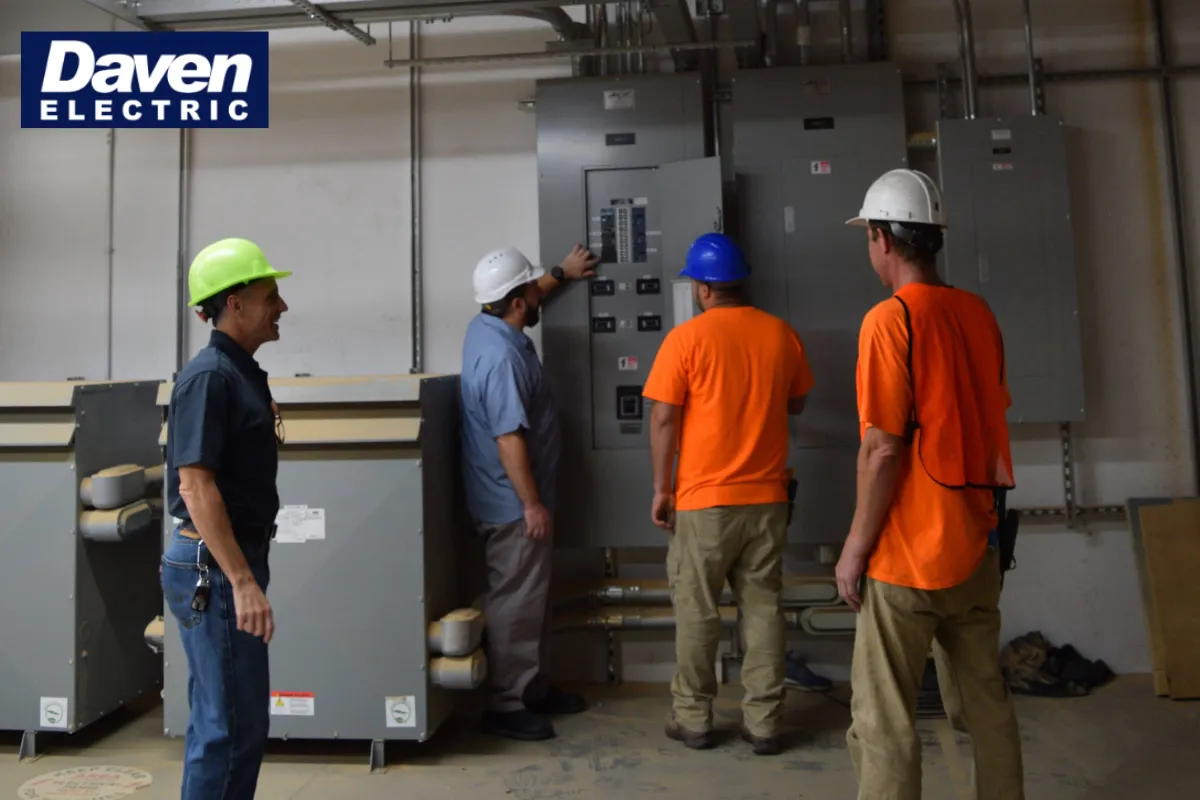
Every commercial property owner wants a safe and reliable place for people to work and visit. Proactive electrical maintenance is one of the best ways to keep commercial systems efficient while reducing safety risks. Regular upkeep of electrical systems ensures that equipment runs smoothly, lights stay on, and emergency systems activate when needed.
With energy-efficient systems in place, businesses can save money and reduce stress from surprise electrical repairs.
Preventing Frequent Repairs
One of the top issues for businesses is unexpected repairs. These can slow down business operations, damage valuable equipment, or even cause property damage. A structured maintenance schedule that includes an Electrical maintenance checklist helps prevent these problems by catching small concerns before they grow into costly repairs.
Conduct Regular Electrical Safety Inspections
Schedule Routine Checkups
A big part of a solid electrical safety program is scheduling routine maintenance. Regular inspection by qualified electricians helps find worn parts, faulty wiring, or overloaded circuits that could lead to power outages or worse—electrical fires.
By planning regular maintenance activities, you’ll stay ahead of any problems and meet current safety standards.
Identify Potential Hazards Early
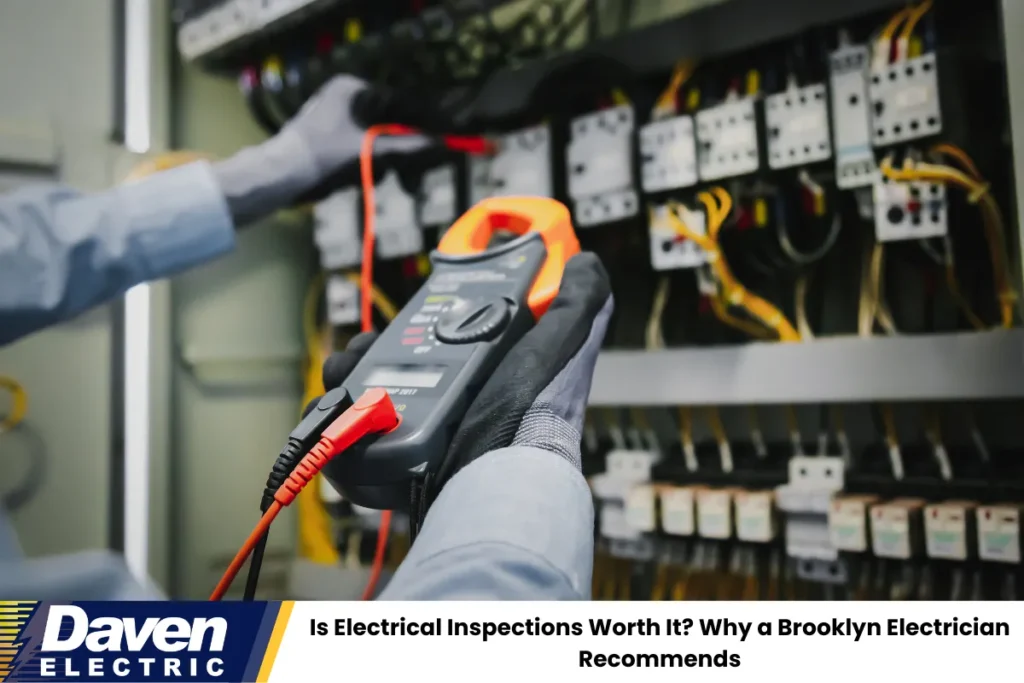
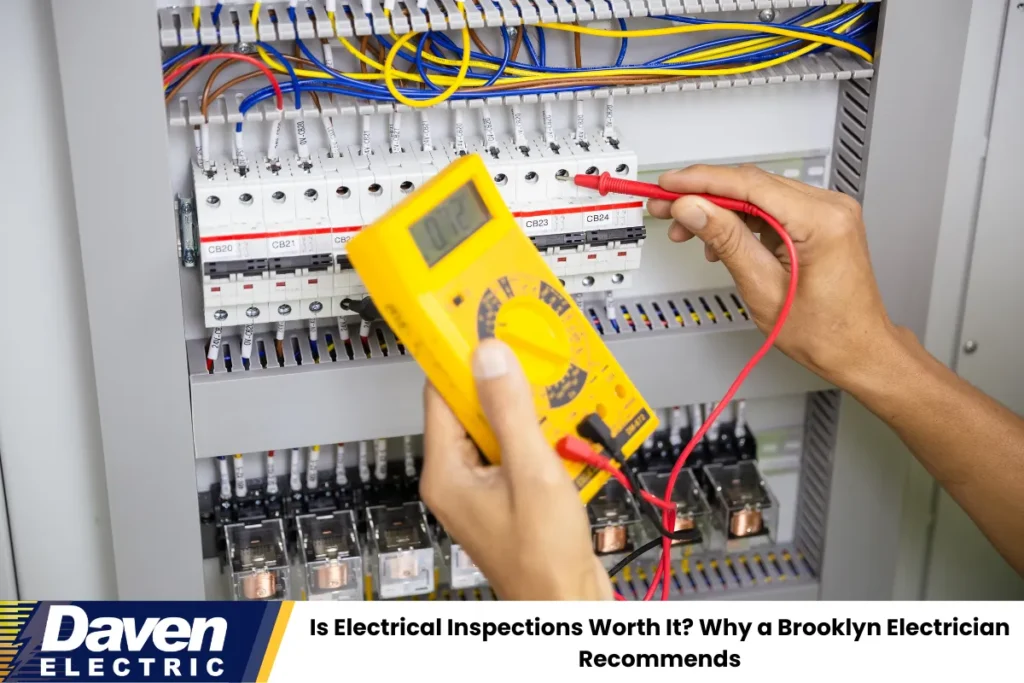
Early detection is key. During inspections, experienced electricians check your electrical panels, test circuits, and examine wiring. They look for risks that could lead to fires, equipment damage, or shutdowns in your office building or commercial buildings.
Upgrade Outdated Wiring Systems
Recognize Signs of Worn-Out Wiring
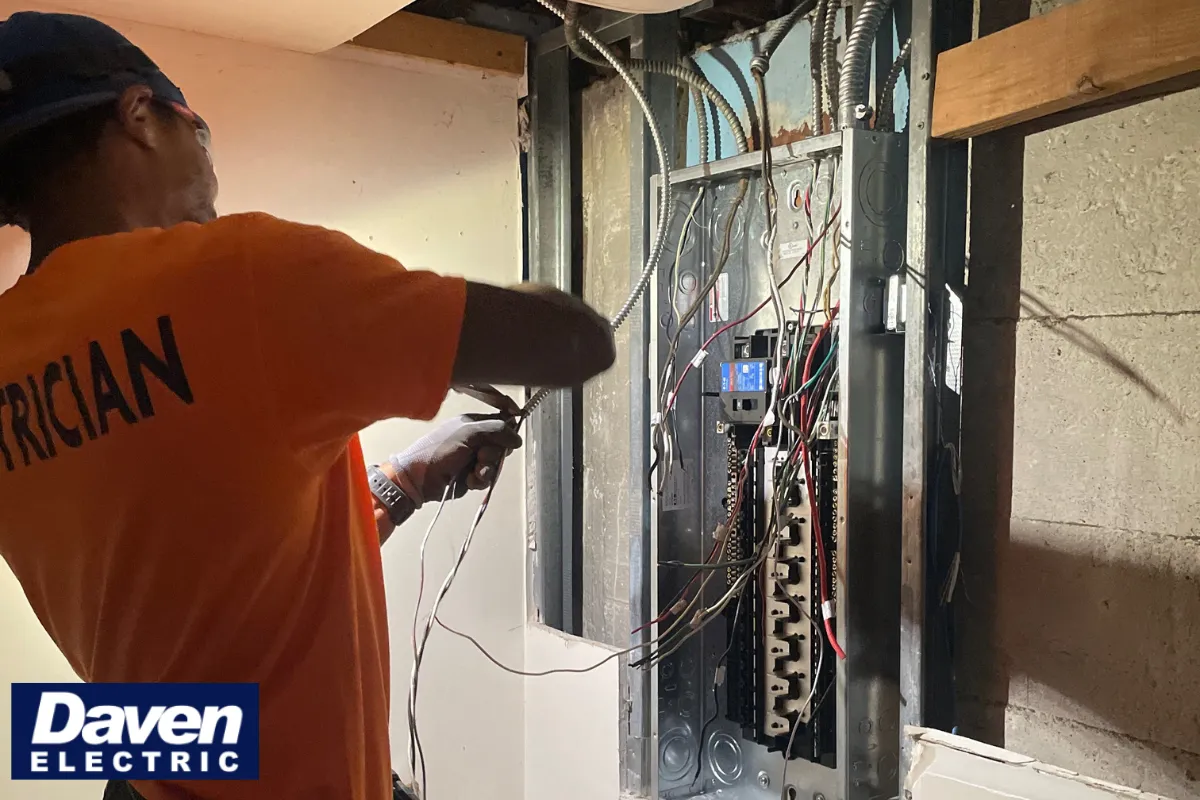
If your commercial systems are older, your wiring may not support the demands of modern businesses. Signs include:
- Flickering lights
- Burning smells near an outlet
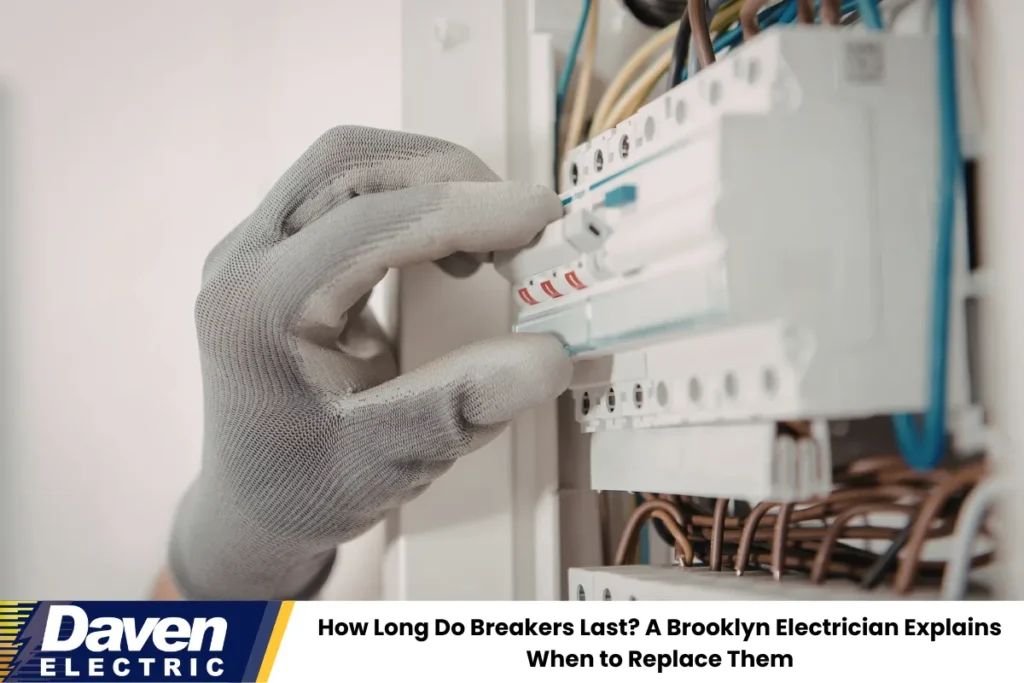
- Frequent breaker trips
- Discolored switches or plugs
These point to dangerous Electrical issues and a need for upgrades.
Plan for Modernization
Upgrading electrical installation includes replacing outdated wiring, modernizing electrical equipment, and integrating energy-efficient solutions. A professional electrician can help you make a plan that aligns with your building codes, reduces safety hazards, and supports newer industrial equipment, heavy-duty equipment, and sensitive equipment.
Keep Electrical Panels Clean and Accessible
Importance of Panel Accessibility
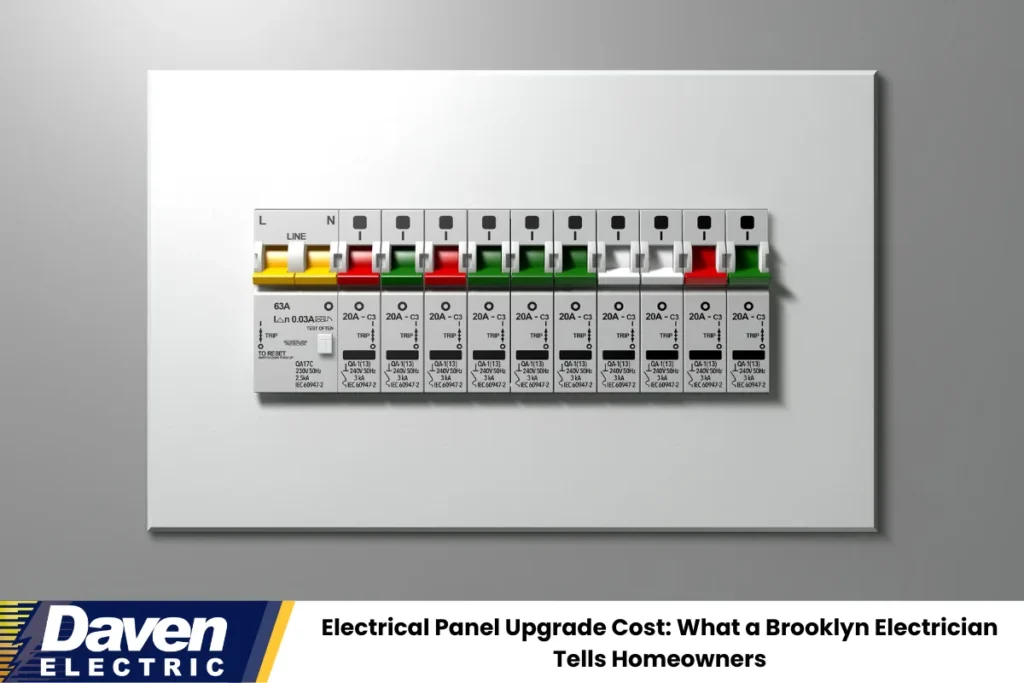
Electrical panels are critical for controlling power across your entire facility. If a panel is blocked or hidden, emergency shutdowns may be delayed. Keep panels visible, well-labeled, and free of clutter—this is a basic but powerful safety measure.
Avoiding Overloads
A crowded circuit can overload and overheat. This stresses your systems and shortens the life of electrical equipment. Regular maintenance helps balance load demands and avoid overuse of any single circuit, preventing common repairs down the road.
Implement Energy Efficiency Measures
Upgrade to LED Lighting
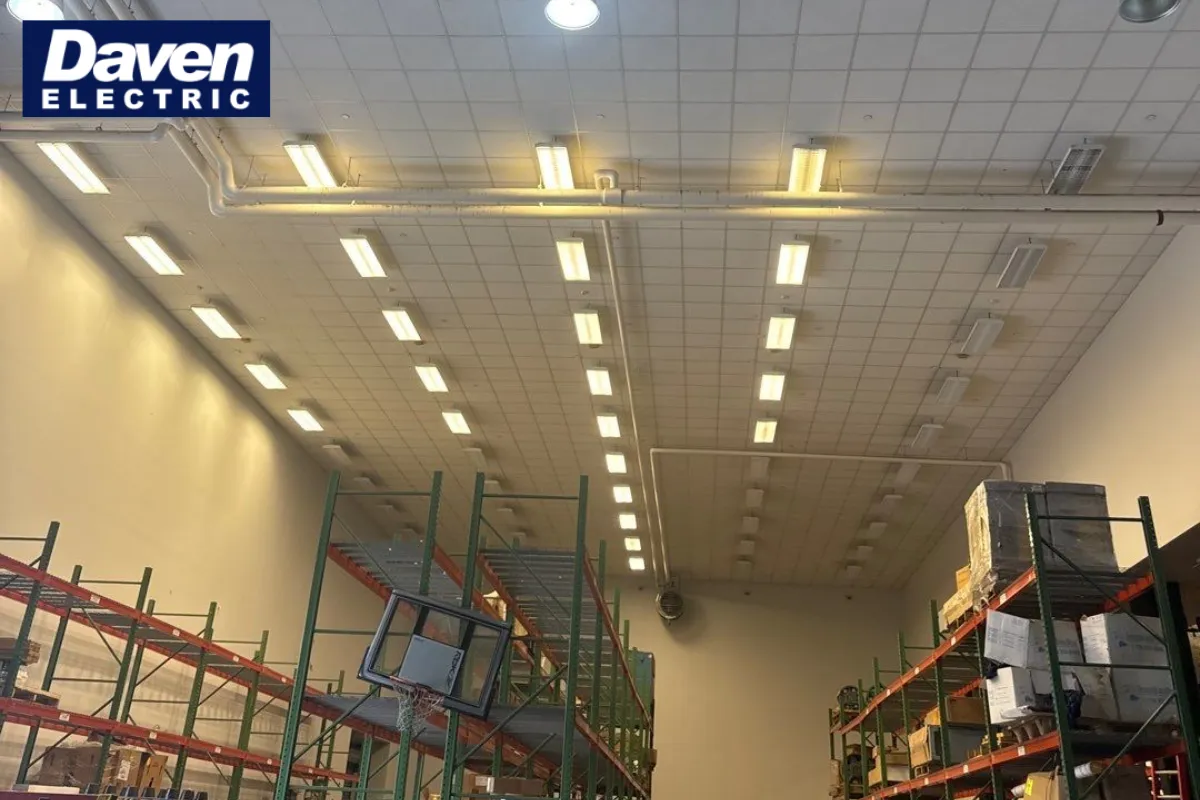
LEDs are a smart way to boost efficiency. They’re part of advanced lighting solutions that save energy and reduce costs. LEDs also reduce heat output, which can protect other equipment in your commercial property.
Benefits of Installing Surge Protection
Installing surge protection is like buying insurance for your valuable equipment. Power surges—whether from lightning or backup power systems—can damage sensitive equipment. Surge protectors reduce this risk and keep everything from security systems to emergency systems safe and operational.
Educate Staff on Basic Electrical Safety
Building Safety Awareness
Even if your team isn’t made up of electricians, they can still help maintain electrical safety compliance. Teach them how to recognize and report:
- Sparks or strange noises
- Burning smells near outlets
- Loose plugs or frayed wires
This helps your building safe and protects everyone.
Developing Safety Protocols
Create a clear plan for emergencies, including evacuation paths, how to shut off power, and how to use protective equipment if needed. A strong electrical safety program involves everyone and supports long-term customer safety and employee health.
Establish Clear Safety Signage
Types of Effective Signage
Use signs that warn of voltage, mark emergency shutoff areas, and indicate areas with electrical equipment. They should be simple, visible, and weather-resistant if needed.
Strategic Placement of Signs
Place signs near:
- Electrical panels
- Server rooms and data centers
- Maintenance closets
- Break rooms with heavy-duty equipment
Proper signs support electrical safety regulations and reduce risk of injury or error.
Engage Qualified Commercial Electricians
Importance of Professional Expertise
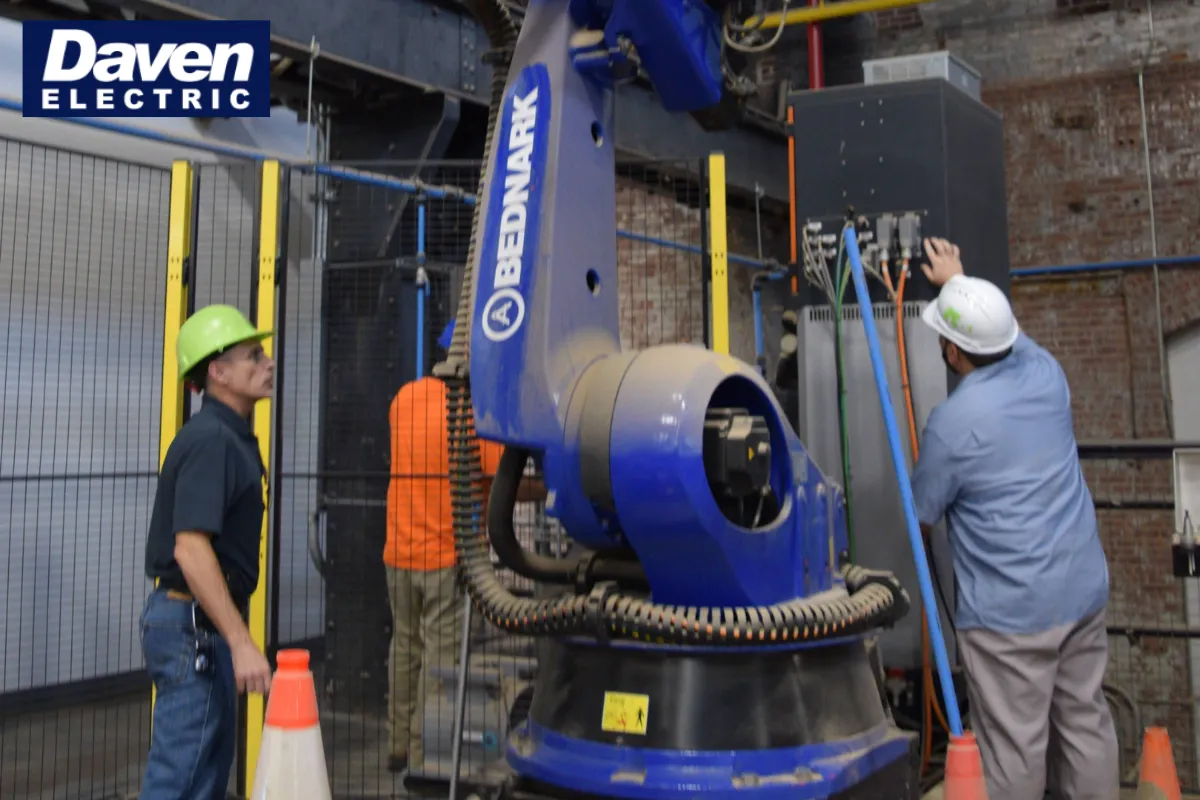
Only a licensed electrician or professional electrician should handle complex or hazardous tasks. They bring training and tools to handle complex systems, ensure compliance with electrical safety standards, and manage emergency electricians if needed.
Choosing the Right Electrician
Look for providers with:
- Experience in commercial electrician services
- 24/7 availability for emergencies
- Knowledge of local building codes
- Familiarity with both residential systems and commercial buildings
A skilled commercial electrical contractor provides effective solutions tailored to your property
Ensure Compliance with Building Codes
Understanding Local Regulations
All commercial buildings must follow electrical safety regulations and building codes. These rules protect you from fines, lawsuits, or shutdowns. They’re updated regularly to address new risks in modern businesses and commercial systems.
Updating Practices to Meet Standards
A qualified electrician can assess your setup and recommend changes to ensure full electrical safety compliance, including fire safety, load management, and installation practices that align with current safety standards.
Promote a Safe and Cost-Effective Environment
Balancing Safety with Cost Savings
You don’t have to pick between safety measures and saving money. Preventing electrical fires, minimizing downtime, and extending the life of equipment all lower your cost in the long run.
Long-term Benefits for the Business
With preventative maintenance, your business environment becomes more stable. Customers and employees feel safer, business operations are smoother, and your entire office building stays compliant, safe, and energy-efficient.
Common Areas of Concern in Commercial Spaces
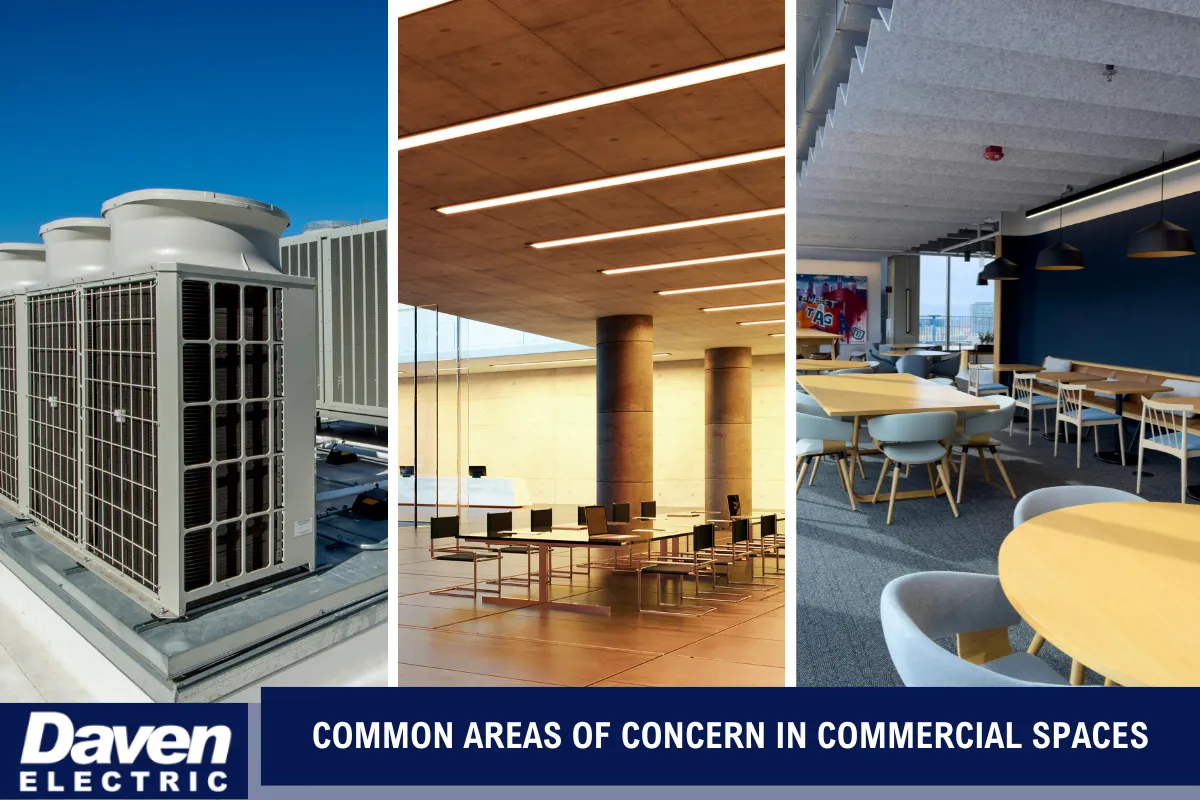
Even with a strong electrical maintenance program, certain parts of your commercial buildings are more prone to electrical issues. Knowing where to focus your attention helps you spot trouble before it becomes a bigger problem.
Lighting Systems
Flickering or inconsistent lighting isn’t just annoying—it can be a sign of faulty wiring, overloaded circuits, or failing fixtures. These are common repairs that can often be prevented with routine maintenance and the use of advanced lighting solutions like LED systems.
HVAC Systems
Heating and cooling units are some of the biggest power consumers in any office building. These systems create constant electrical demand and can easily cause overloads, especially if paired with outdated wiring or panels. That’s why they should always be included in your electrical maintenance checklist.
Office Equipment & Data Centers
Computers, servers, and communication devices all require stable, clean power. Even small voltage fluctuations can damage sensitive equipment, cause system crashes, and result in lost data or interrupted business operations. Installing surge protection and conducting regular inspections can help.
Break Rooms & Kitchen Areas
Appliances like microwaves, coffee makers, and refrigerators may seem harmless, but together they put a heavy load on electrical systems. Without dedicated circuits, proper outlets, and grounded wiring, these areas can become a major safety risk.
Signs That It’s Time to Call a Commercial Electrician
Not every problem starts with sparks flying. Some warning signs are subtle, but they still mean it’s time to call a commercial electrician or emergency electricians. Don’t ignore these red flags:
- Persistent flickering lights
- Frequent breaker trips
- Discolored or warm outlets
- Strange buzzing sounds or burning smells
- Random equipment shutdowns
- Unexplained power surges or energy spikes
A licensed electrician can quickly assess the problem, recommend comprehensive solutions, and get your electrical systems back in shape before costly repairs are needed.
Choosing the Right Commercial Electrician
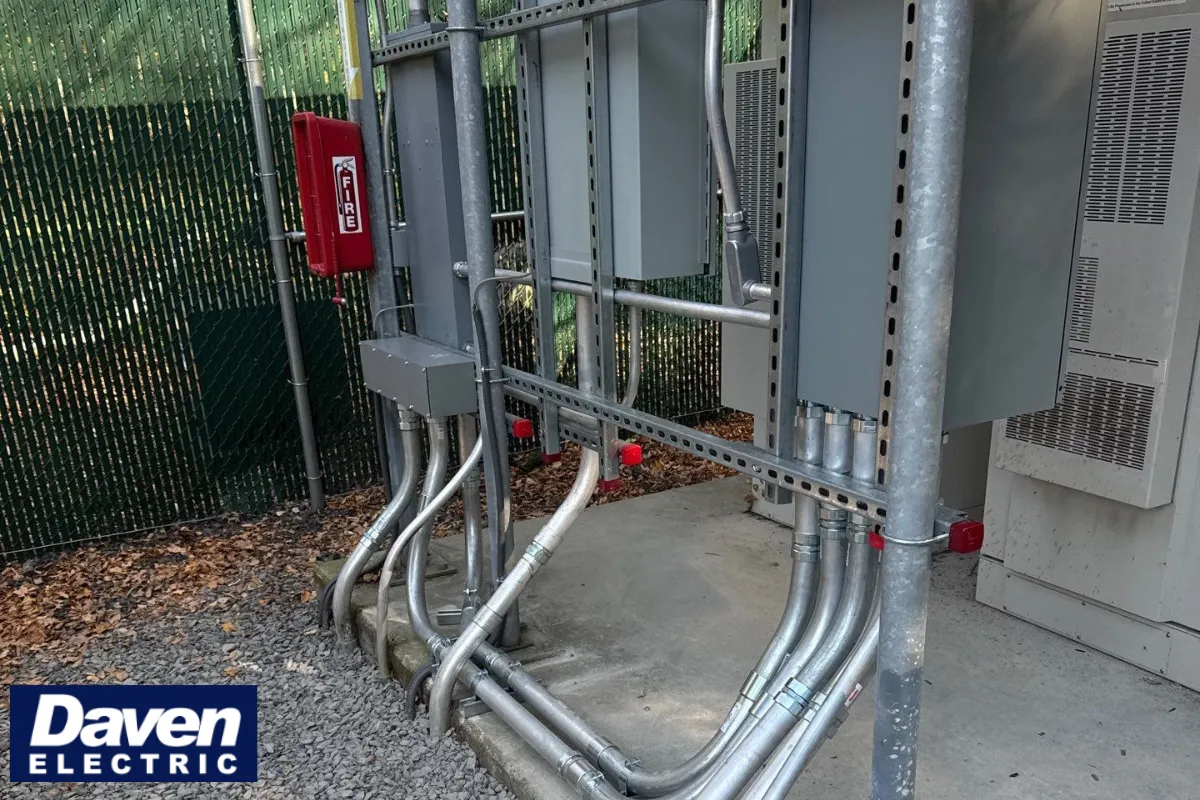
The right expert makes all the difference when it comes to keeping your building safe and efficient. Whether you’re planning a new installation, upgrading systems, or responding to a fault, a trusted commercial electrical contractor should meet these qualifications:
Licensing and Certification
Only work with licensed electricians who meet your state’s requirements. This ensures they understand safety codes and are trained to handle complex and high-voltage commercial systems.
Experience with Commercial Properties
Choose a team that regularly works on commercial buildings, not just residential properties. They’ll know how to handle heavy-duty equipment, energy management systems, and industrial equipment.
Emergency Services and Maintenance Contracts
Look for providers offering both electrical maintenance services and rapid response in emergencies. Ongoing service contracts help maintain a regular maintenance schedule and ensure timely repairs.
Knowledge of NEC and Local Codes
Compliance with electrical safety regulations, the National Electrical Code (NEC), and local building codes is essential. A professional electrician helps you avoid violations, fines, and unnecessary risks.
A Smarter Way to Keep Your Building Safe
Running a business means managing people, processes, and property. But without safe and well-maintained electrical systems, even the best-run business environment can fall apart. That’s why preventative maintenance and hiring the right commercial electrician are essential.
Whether you’re a business owner, property manager, or oversee an entire office building, investing in routine maintenance today means fewer headaches tomorrow. You’ll protect your valuable equipment, avoid property damage, and create a space that supports your goals—not one that constantly interrupts them.
So here’s your next step: Contact a qualified electrician, review your current systems, and set up a plan that includes regular inspections, an up-to-date Electrical maintenance checklist, and smart upgrades. With the right care, your electrical solutions will power your business safely for years to come.
Manhattan Commercial Electrician – Daven Electric Corp.
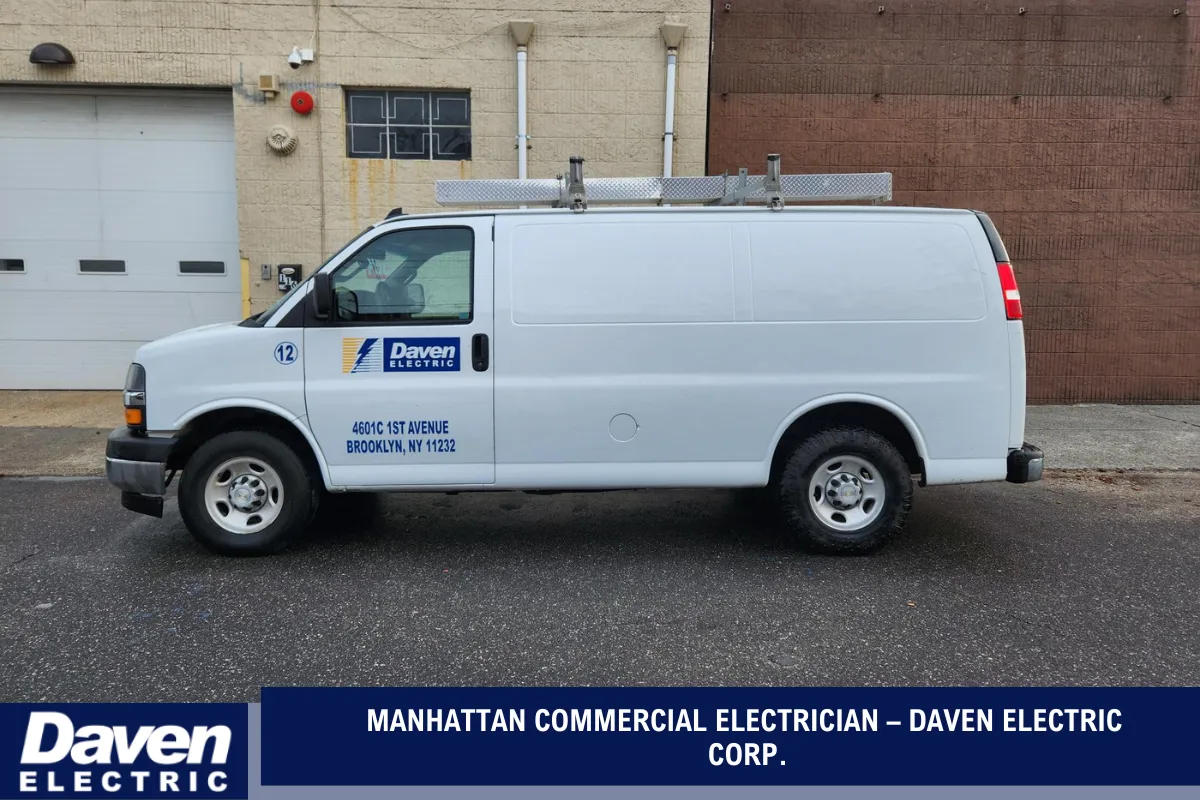
If you’re a business owner or property manager in Manhattan, don’t leave your electrical systems to chance. At Daven Electric Corp., we specialize in commercial electrician services tailored to the complex needs of modern businesses. From preventative maintenance to emergency repairs and full electrical installations, our team of licensed electricians delivers reliable, code-compliant solutions that keep your office building running safely and efficiently.
Whether you’re upgrading outdated wiring, need a full electrical safety inspection, or want to protect your valuable equipment with surge protection, we’ve got you covered. Located in Brooklyn and proudly serving all of Manhattan, we’re the professional electricians trusted for quality, safety, and speed.
Don’t wait for costly repairs—call Daven Electric Corp. today at (212) 390-1106 or fill out our quick contact form to schedule your consultation. Keep your commercial property safe, efficient, and up to code with Daven.
FAQ: Commercial Electrical Maintenance and Workplace Safety
What is commercial electrical maintenance?
Commercial electrical maintenance involves regular visual inspection, testing, and servicing of electrical components in commercial settings like retail stores, offices, and warehouses. It ensures efficient working environment and prevents major issues.
- Maintenance tasks include checking for loose connections, faulty components, and outdated systems.
- It supports daily operations by minimizing electrical emergencies and avoiding major disruptions.
- Facility managers and building owner work with qualified professionals or a licensed professional to stay compliant.
A commercial project typically requires specialized tools, proper maintenance, and adherence to regulatory requirements. A routine inspection helps detect a wiring issue or faulty outlets early, avoiding extensive repairs and additional costs down the line.
How can electrical hazards be prevented in the workplace?
Preventing electrical hazards in the workplace involves proactive measures and strict adherence to electrical safety procedures. Hazards include improper grounding, electric shock, and excessive heat.
- Perform routine inspections to identify visible signs of damage.
- Install surge protection devices, fault circuit interrupters, and accessible outlets.
- Use advanced management systems for better Load Balancing and energy use.
- Follow compliance standards and strict guidelines for proper grounding and electrical supply.
- Educate employees on safe distance from high-voltage electrical devices.
- Prevent frequent tripping and electrical failure by updating outdated panels and replacing damaged outlets.
These preventative measures ensure the safety of occupants and avoid legal issues or legal trouble.
Is it safe for an electrician to carry out electrical repairs?
Yes, it is safe if the work is performed by a licensed professional or qualified professionals using diagnostic tools and specialized tools.
- All repairs must follow licensing requirements and Permit Requirements.
- Safety gear and additional safety mechanisms should be used to prevent electric shock and potential fire hazards.
- Electrical inspections are often required before and after repairs to ensure the power source is secure.
Repairs involving improper installation or improper grounding pose serious safety issues and can lead to electrical failure or power failures. For Commercial projects, only Professional Services should be used to prevent future issues and ensure a reliable service.
How often should commercial properties undergo electrical inspection?
Electrical inspections in commercial settings should be performed annually, or more frequently depending on the building’s power demands and electrical loads.
- High-traffic retail spaces may require more frequent checks due to frequent power outages and tripping of circuit breakers.
- Routine inspections help detect common issue like faulty outlets, outdated systems, or loose connections.
Key inspection areas include:
- Panel board and electrical connections
- Power outlets and light fittings
- Outdated panels and signs of excessive heat
Staying proactive with preventative measures ensures compliance standards are met and avoids additional costs or legal trouble from overlooked potential issues.
What are the penalties for non-compliance?
Failure to meet regulatory requirements for electrical safety procedures can lead to serious legal issues, additional costs, and interruptions in daily operations.
- Fines may be imposed by local authorities for ignoring licensing requirements or operating without proper Permit Requirements.
- Non-compliance may void insurance, increase liability in the event of electrical emergencies, and lead to lawsuits.
- Failure to maintain proper grounding or correct improper installation can be deemed potential fire hazards.
To prevent legal trouble, building owner should hire Professional Services and conduct regular routine inspections as part of a well-documented electrical project strategy.
How can energy-efficient solutions aid in compliance?
Energy-efficient solutions help reduce energy bills, improve environmental impact, and meet compliance standards in commercial settings.
- Install energy-efficient lighting and advanced lighting systems to reduce load on electrical supply.
- Upgrade to Uninterruptible Power Supplies and backup generators for minimal disruptions during power failures.
- Use advanced management systems for Load Balancing and monitoring of electrical devices.
These changes also minimize future issues, reduce electrical hazards, and ensure productive work environment.
Engaging in an initial consultation with an electrical company can provide advice on energy efficiency and help design an upgrade plan that supports future expansion, compliance, and smooth daily operations.
Read What Causes Electrical Failures in Commercial Buildings?