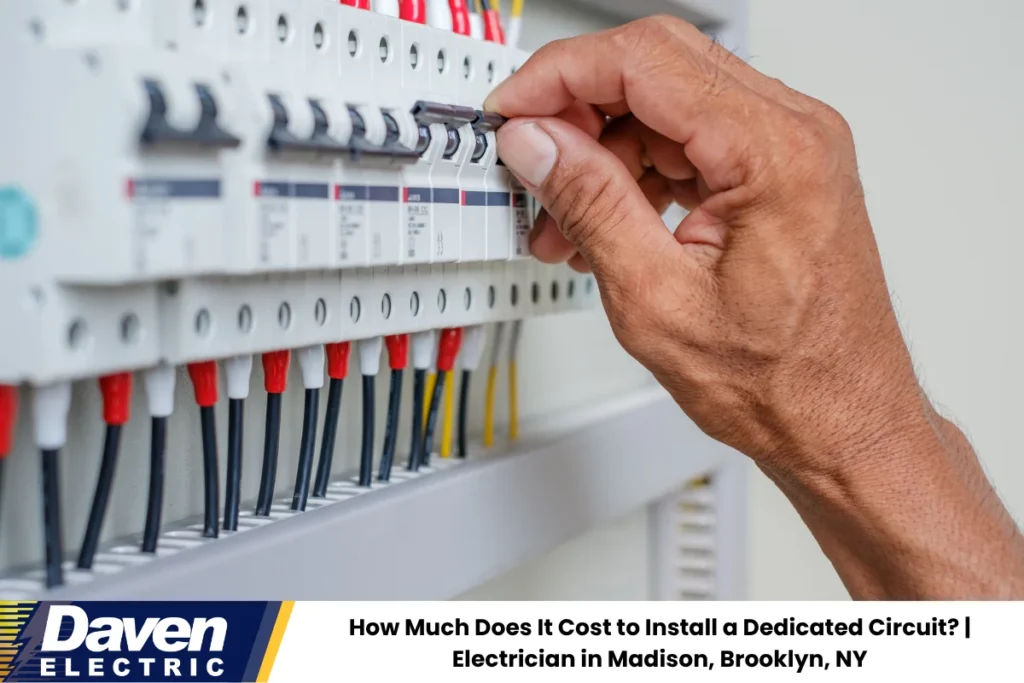
If you are searching for a reliable electrician in Madison, Brooklyn, NY, there is a good chance you are dealing with tripped circuit breakers, flickering lights, or an appliance that simply will not run properly on a shared line. These are not just inconveniences. Overloaded wiring creates real fire and shock hazards, especially in older Brooklyn homes where the electrical system was never designed for today’s power demand. A dedicated circuit solves the problem by giving one appliance or load its own breaker and wiring run back to the panel. In this guide, you will find the real numbers behind what this work costs in Madison, what factors change the price, and how to plan your project so you spend money wisely.
Key Takeaways
- Dedicated circuit costs in Madison, Brooklyn typically range from $250 to $900 per circuit, with the average homeowner spending around $650 depending on amperage, distance, and panel condition.
- A simple 120V/20A circuit near the main panel may cost $350 to $700, while 240V circuits for an EV charger or hot tub often run $900 to $1,500 or more.
- New York City electrical code, panel capacity, wire run length, and wall type are the biggest factors driving your final price up or down.
- Projects involving kitchens, high-amperage appliances, and outdoor equipment almost always cost more than a single dedicated circuit serving one room.
- Only a licensed electrician should install new dedicated circuits in Brooklyn to meet code compliance, pass inspections, and protect your home.
Cost of a Dedicated Circuit in Madison, Brooklyn, NY (Short Answer First)
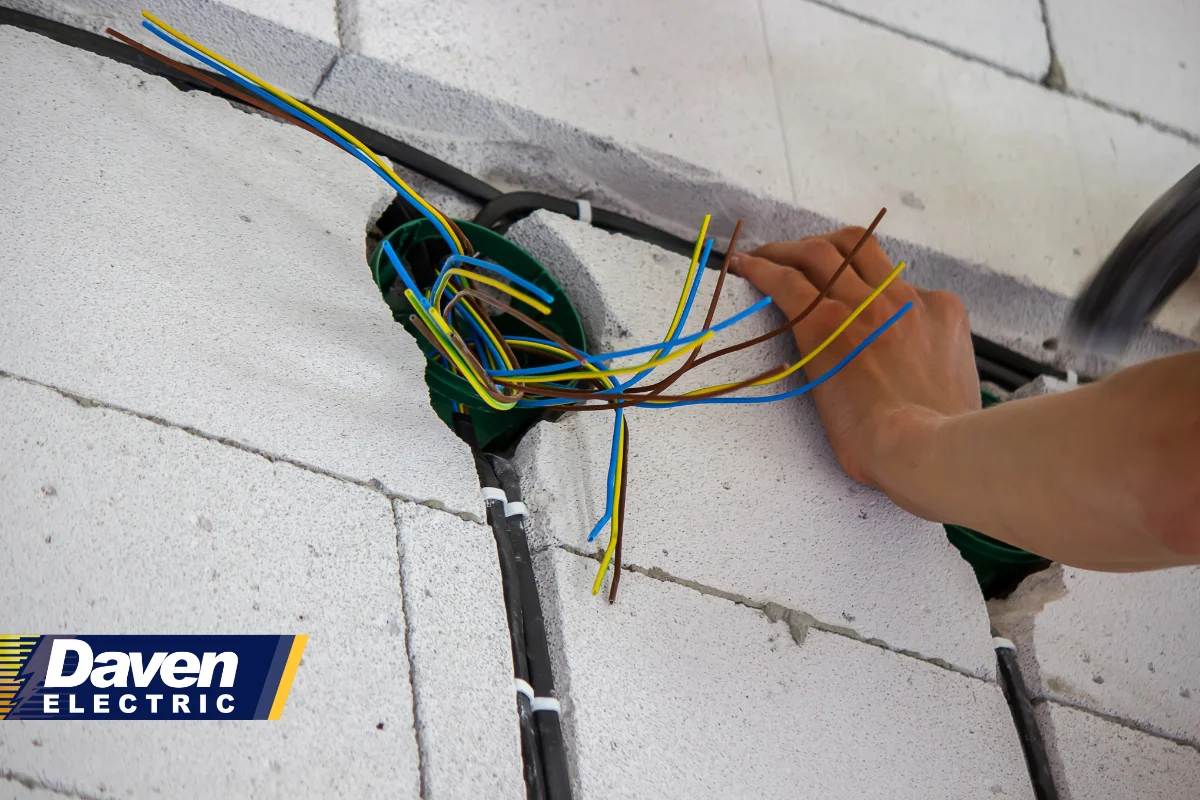
Most homeowners in Madison pay between $350 and $700 for a straightforward installation of a new 120V/20A dedicated circuit. Dedicated circuit installation costs typically range from $250 to $900 across Brooklyn, and the average homeowner spends around $650 when the job involves a moderate wire run and available panel space. That price generally covers labor, a new breaker, copper wiring, an outlet box, the receptacle, and basic wall patching if needed.
These figures assume your existing electrical panel has a spare breaker slot, enough service capacity, and no outstanding code violations. Installation costs vary by region and project scope, so a quote for a ground-floor brownstone apartment will look different from one for a third-floor walk-up with plaster walls and limited ceiling access. An on-site visit from a residential electrician is the only way to lock in an accurate number for your specific home, because building age, layout, and access conditions vary widely even within a few blocks in Madison.
Why Brooklyn Homes Often Need Dedicated Circuits
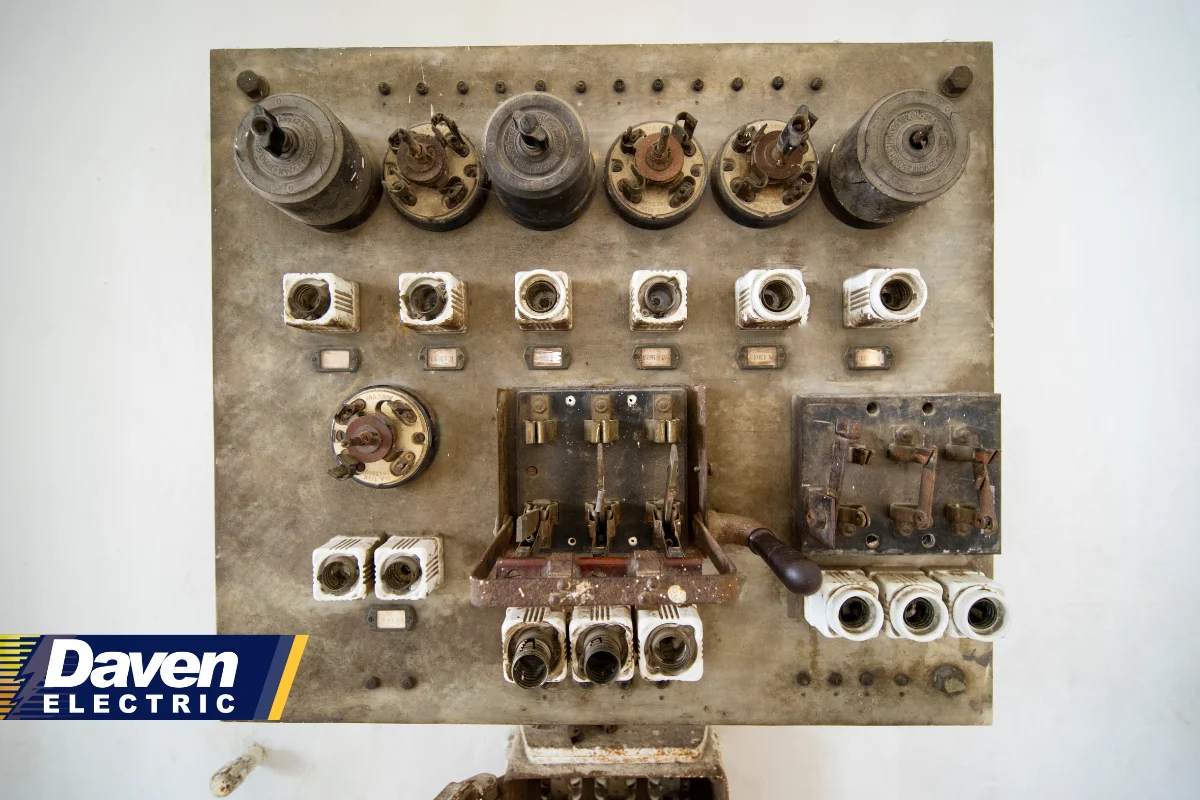
Much of the housing stock in Madison and the surrounding Brooklyn neighborhoods dates back decades. Brownstones, row houses, and pre-war apartment buildings were originally wired for far fewer appliances than a modern household uses. Between air conditioning, electric cooking, home office equipment, and now electric vehicles, the demand on a home’s electrical system has increased dramatically. That growing load is why so many local homeowners find themselves calling an electrical contractor for additional circuits.
A dedicated circuit is a single breaker and wiring run that serves only one appliance or a clearly defined load. Nothing else shares that line. It prevents the kind of overload that trips breakers, damages sensitive devices, or creates unsafe heat buildup in wiring.
Common reasons to add new dedicated circuits include:
- Upgrading to a larger kitchen appliance like a range or dishwasher
- Installing a Level 2 EV charger in a garage or driveway
- Wiring a hot tub or spa on a deck or in a yard
- Setting up a home office with computers and networking equipment
- Converting a basement or bedroom into a finished living space
New York City electrical code and appliance manufacturer requirements often mandate dedicated circuits for specific loads. Skipping them can void warranties and create safety problems.
Appliances and Equipment That Typically Need Dedicated Circuits
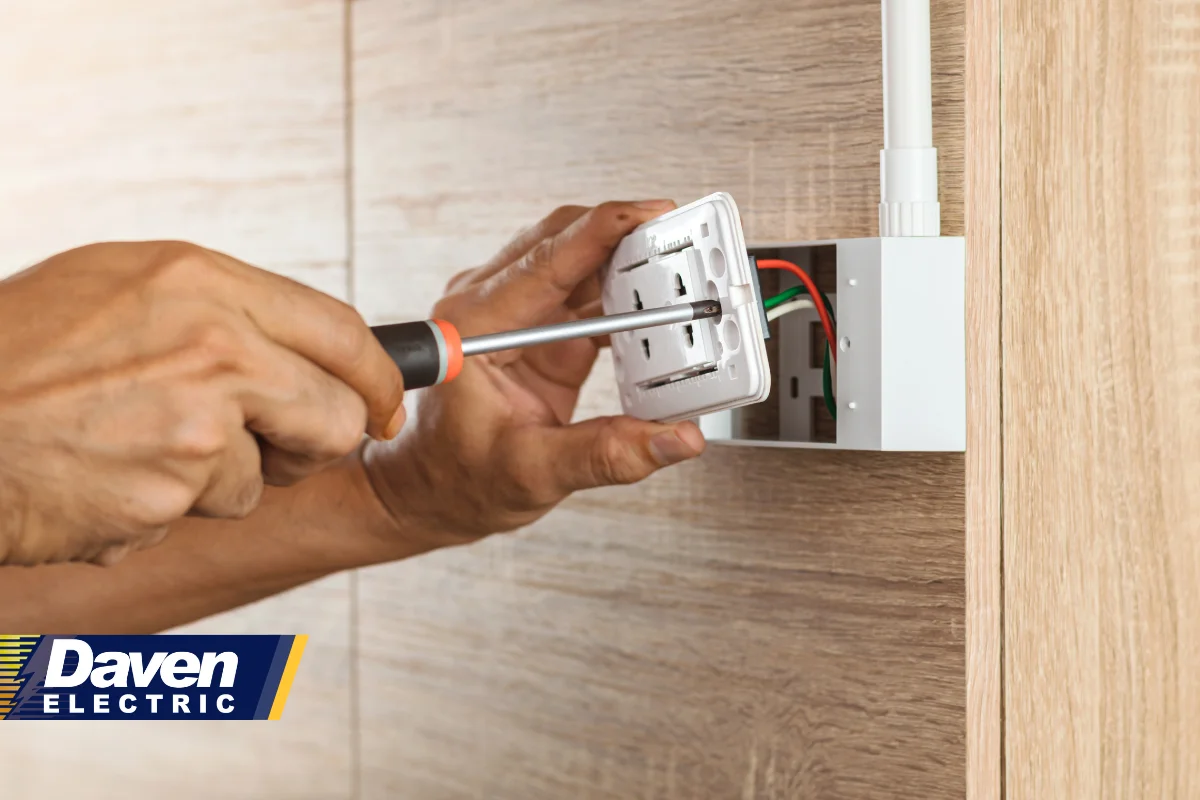
Different appliances require different power loads for circuit installation, and the ones that draw the most current must have their own line back to the electrical panel. This is not optional for many devices. It is a code requirement and, in most cases, a condition of the manufacturer warranty.
Electric ranges and ovens typically need a 240V/40A or 50A circuit. Microwaves, dishwashers, and garbage disposals each call for their own 120V/20A circuit in a kitchen. Washing machines and electric dryers need separate circuits, with dryers usually requiring 240V/30A. Window and wall-mounted air conditioners above a certain wattage, space heaters, and high-draw bathroom devices also benefit from or require their own lines.
An EV charger, whether mounted in a garage or along a driveway, almost always requires its own dedicated circuit with GFCI protection, typically at 240V and 40A or higher. A hot tub installation involves outdoor-rated conduit, a disconnect switch, GFCI protection, and often 50A or 60A service. Both projects sit at the higher end of circuit installation pricing.
Manufacturer instructions and NEC-based city code drive these requirements. If you are unsure whether a new appliance needs its own circuit, check the label or manual, or consult a professional before plugging it into a shared outlet.
Breaking Down the Price: Labor Costs vs. Materials
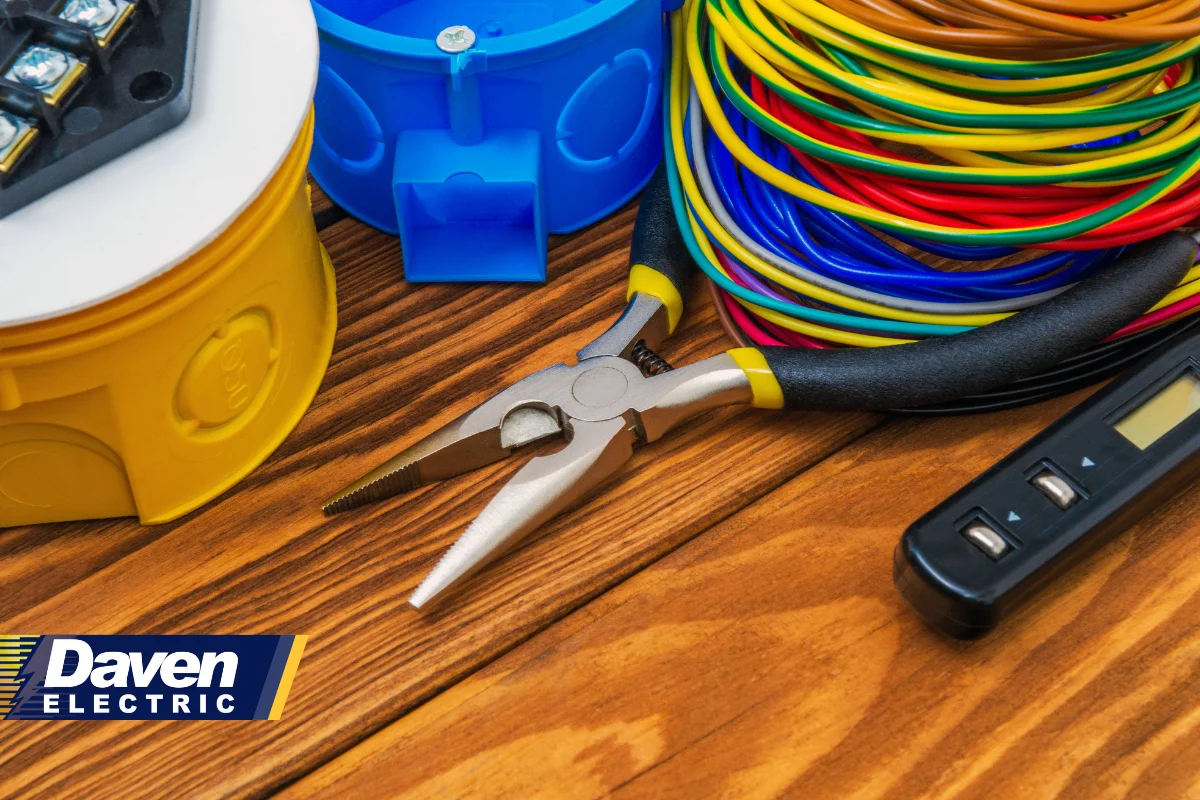
Labor is usually the largest portion of dedicated circuit pricing in Madison. The work involves opening the panel, installing a breaker, running new wire through walls or ceiling, mounting an outlet, and then testing and finishing. That takes skill, tools, and time.
Nationally, electricians charge between $40 to $100 per hour, but labor rates for licensed electricians in Brooklyn are higher than the national averages. Labor costs for electricians in the city commonly range from $150 to $250 per hour for permitted residential work. Some Brooklyn professionals charge $180 for the first 30 minutes, which covers the initial assessment and mobilization. For context, typical electrician labor costs in other markets such as parts of the West Coast run about $100 per hour, making the difference in local rates very clear.
A straightforward new circuit in one room near the panel might take two to four hours. More complex jobs, like running a line across an apartment or through multiple floors, can stretch to a full day.
On the materials side, each receptacle unit costs between $3 and $50 depending on type. Standard outlets are inexpensive, while tamper-resistant, GFCI, or commercial-grade receptacles cost more. Material costs for a simple circuit, including the breaker, wire, boxes, and connectors, can reach about $120 within 75 feet of the panel. Specialty GFCI or AFCI circuit breakers, required in many rooms under current code, add to that total. Thicker gauge copper wire for 30A, 40A, or 50A loads raises the materials bill further. Installation costs can be as low as $75 for materials on a very simple job or as high as $485 when specialty devices, long runs of heavy-gauge wire, and outdoor-rated components are involved.
Travel time, parking in dense Brooklyn neighborhoods, building access (stairs, elevators, narrow hallways), and working around occupants all influence how quickly an electrician can complete the job and what the labor time adds up to.
How Panel Capacity and Location Affect Dedicated Circuit Pricing
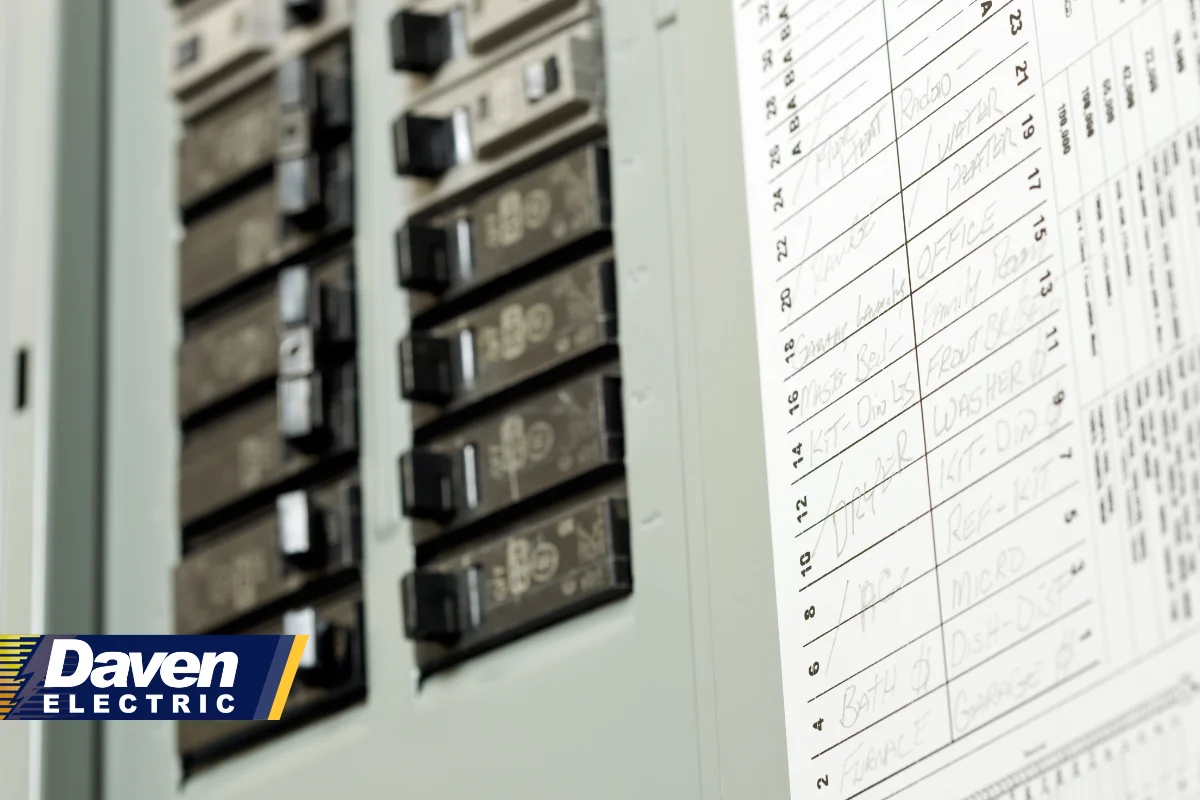
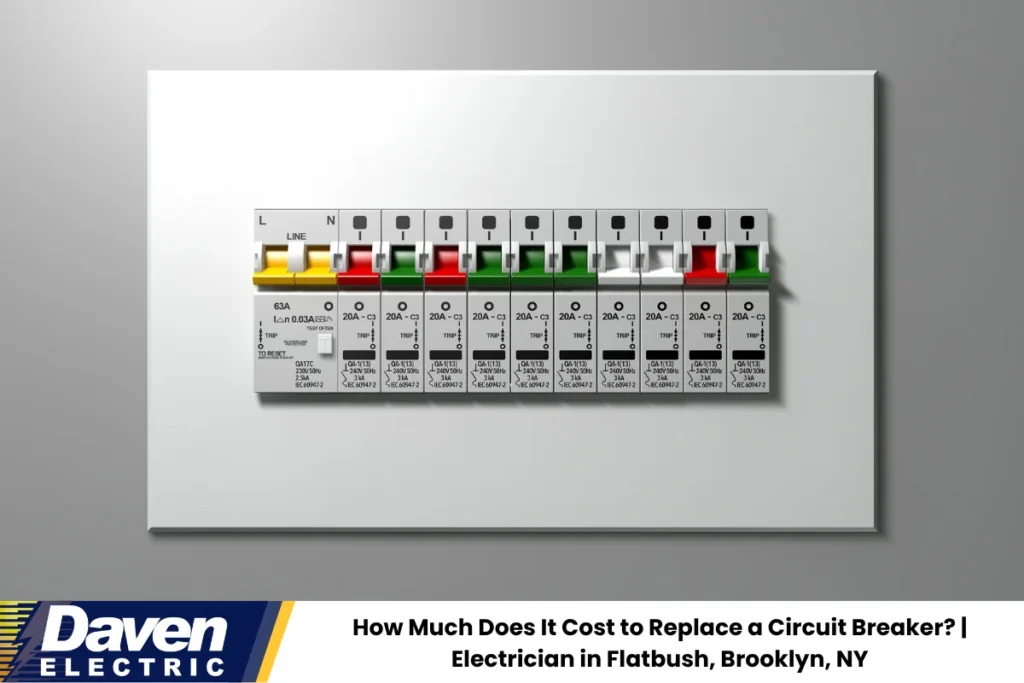
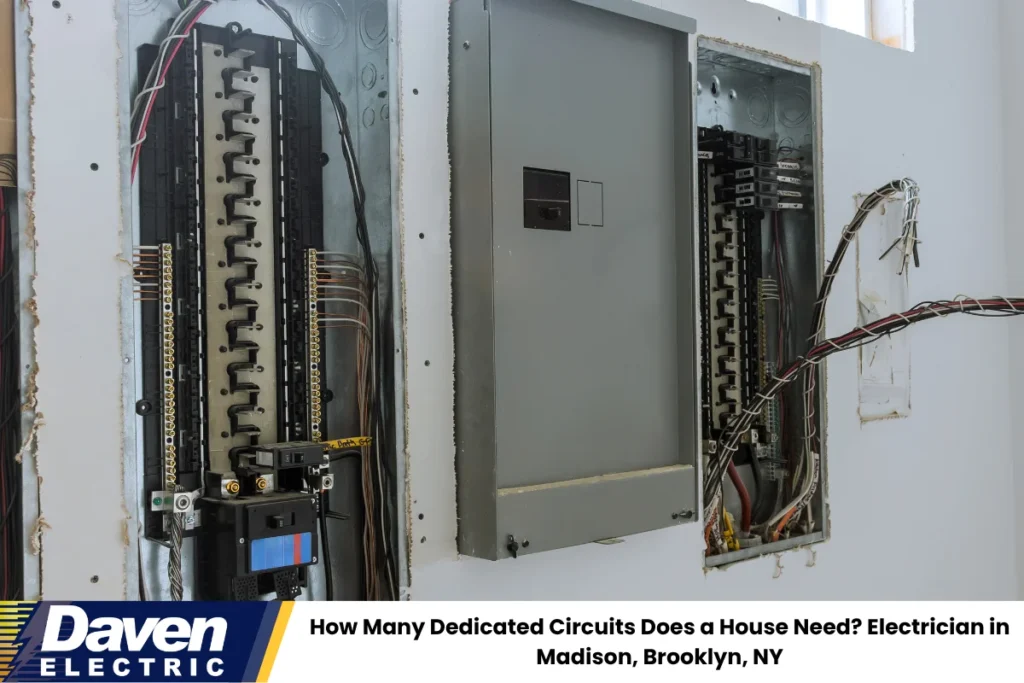
The condition and capacity of your electrical panel are among the biggest cost drivers for any new circuit. If your main panel has open breaker slots and adequate amperage, adding a circuit is relatively simple. If it does not, the project scope and budget expand quickly.
When a panel is full, your options include installing a subpanel, using code-approved tandem breakers where permitted, or completing a full panel upgrade. A subpanel typically adds several hundred dollars. A complete panel upgrade, including replacing an outdated fuse box, can cost $1,500 to $4,000 or more depending on service size and complexity. Older homes may require panel upgrades for new appliance installations, especially if the existing wiring and panel date back to a time when 60A or 100A service was standard.
Panels with obsolete or recalled breakers, such as certain models historically flagged for safety issues, may need full replacement before any new circuits can be added. That is not an optional upgrade. It is a safety and code requirement.
Distance from the main panel to the installation site significantly affects costs as well. Every additional foot of wire adds expense, and longer runs may require upsizing the wire gauge to prevent voltage drop. Panel location matters too. If the panel sits in a tight basement corner, a cluttered storage room, or a shared utility space in a multi-family building, the electrician’s labor time increases just from the difficulty of access.
A professional assessment is essential to determine if your panel can safely handle more circuits before work begins.
Typical Cost Ranges for Common Dedicated Circuit Projects
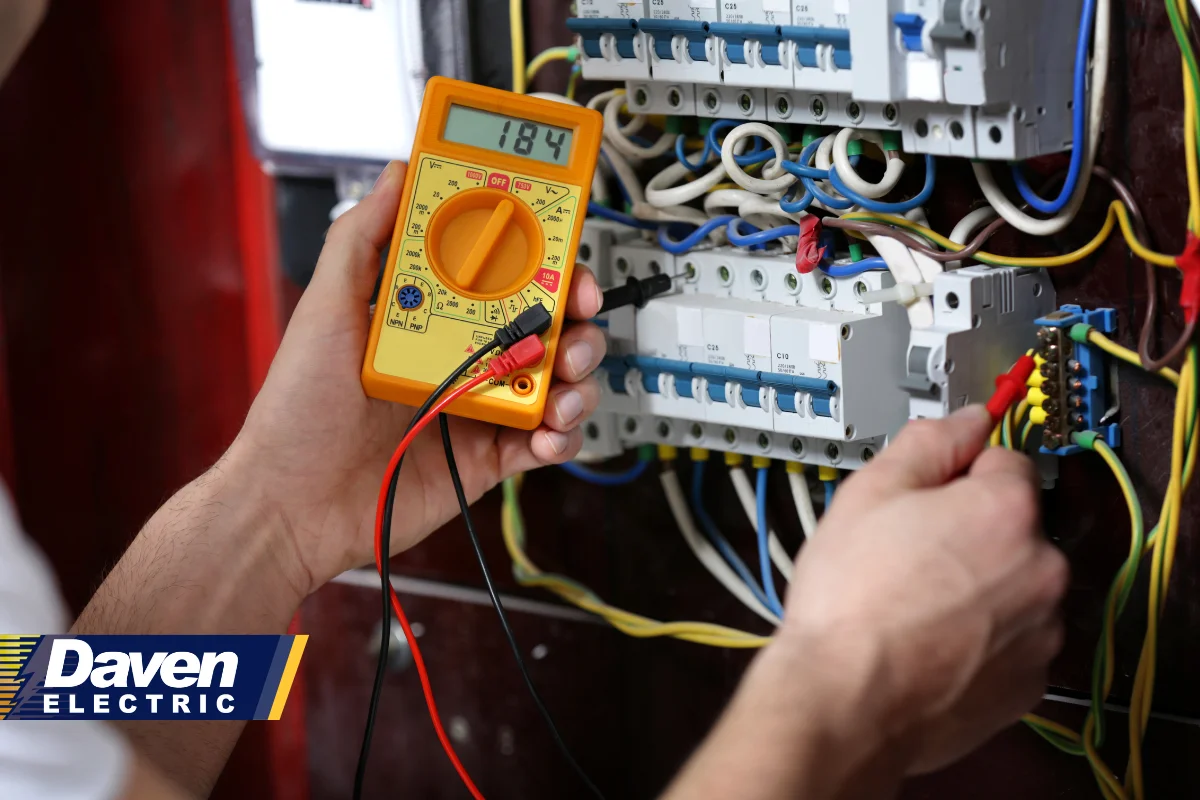
Here is a practical, Brooklyn-focused guide showing what popular dedicated circuit installations tend to cost:
- A new 120V/20A circuit serving a single outlet in one room near the panel typically falls between $350 and $700. This is the most common and most affordable scenario.
- A mid-range project, such as running a new circuit across a typical Madison apartment for a window air conditioner or home office, generally costs $700 to $1,200. The average cost for standard installations of this type ranges from $700 to $900.
- A 240V EV charger circuit in a garage or driveway, including heavier gauge wire and a GFCI breaker, often runs $900 to $1,500 or higher, depending on distance and outdoor engineering requirements.
- A hot tub circuit with outdoor-rated conduit, GFCI protection, a dedicated disconnect, and potentially longer wire runs can cost $1,500 to $3,000 or more.
When bundling multiple new dedicated circuits during a kitchen remodel or panel upgrade, the per-circuit pricing generally improves because the electrician handles mobilization, permits, and panel access in a single visit.
Read How Many Dedicated Circuits Does a House Need? | Electrician in Madison, Brooklyn, NY
Installation Complexity: What Makes the Price Go Up or Down
No two Brooklyn homes are wired the same, and complexity can dramatically change the final price. Here are the factors that matter most:
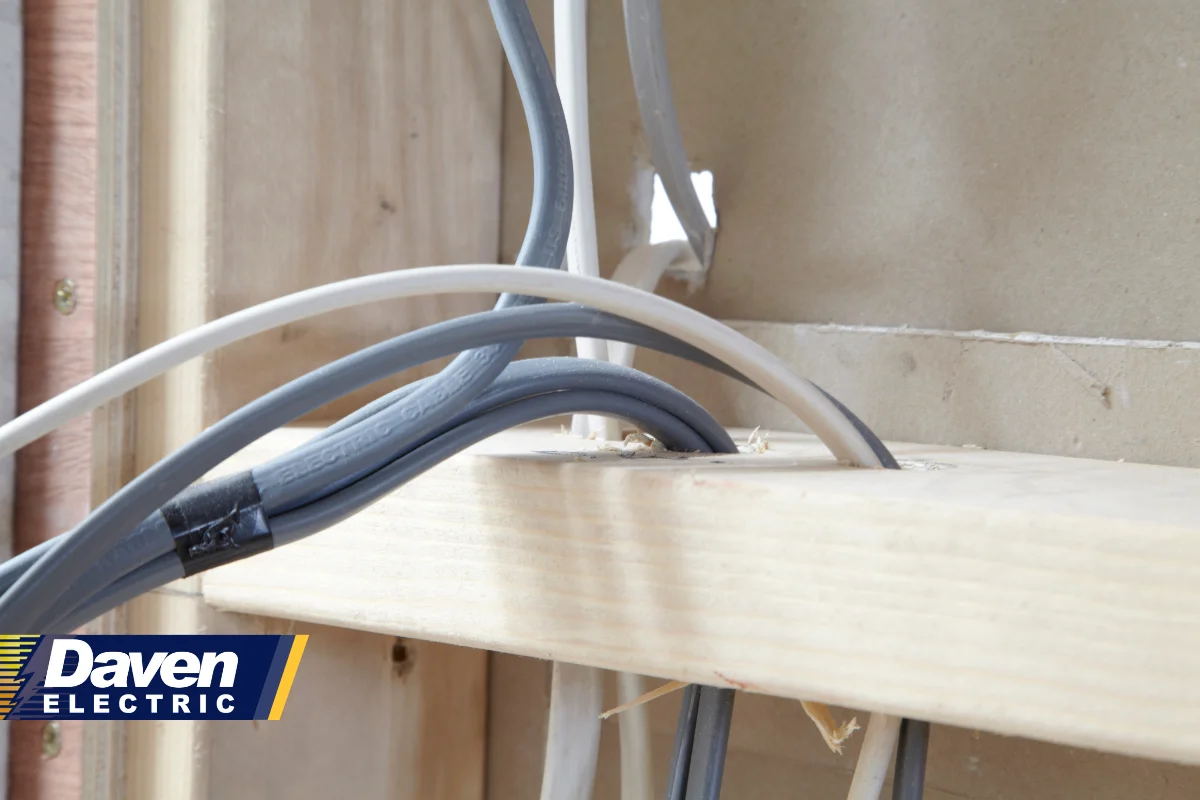
The cost of installing a circuit is influenced by wall access and construction type. Plaster and lathe walls, common in older Madison homes, are harder to cut into and patch than standard drywall. Running wire through finished walls incurs additional labor costs because the electrician must fish wires through enclosed cavities, often working blind. High ceiling spaces, multiple floor levels, and limited attic or crawlspace access all add hours.
Longer wire runs from the electrical panel require more materials and more labor time to route properly. Every turn through a joist, around an obstruction, or through a fire-rated assembly adds complexity.
In multi-family buildings, running wiring through common areas may require coordination with building management, adherence to additional safety rules, and potentially working within restricted hours. These logistics add cost even before any electrical work begins.
Proactive planning with your residential electrician helps. Clearing furniture, identifying access panels, and discussing routing options in advance can reduce both complexity and cost.
Permits, Inspections, and Code Requirements in Brooklyn
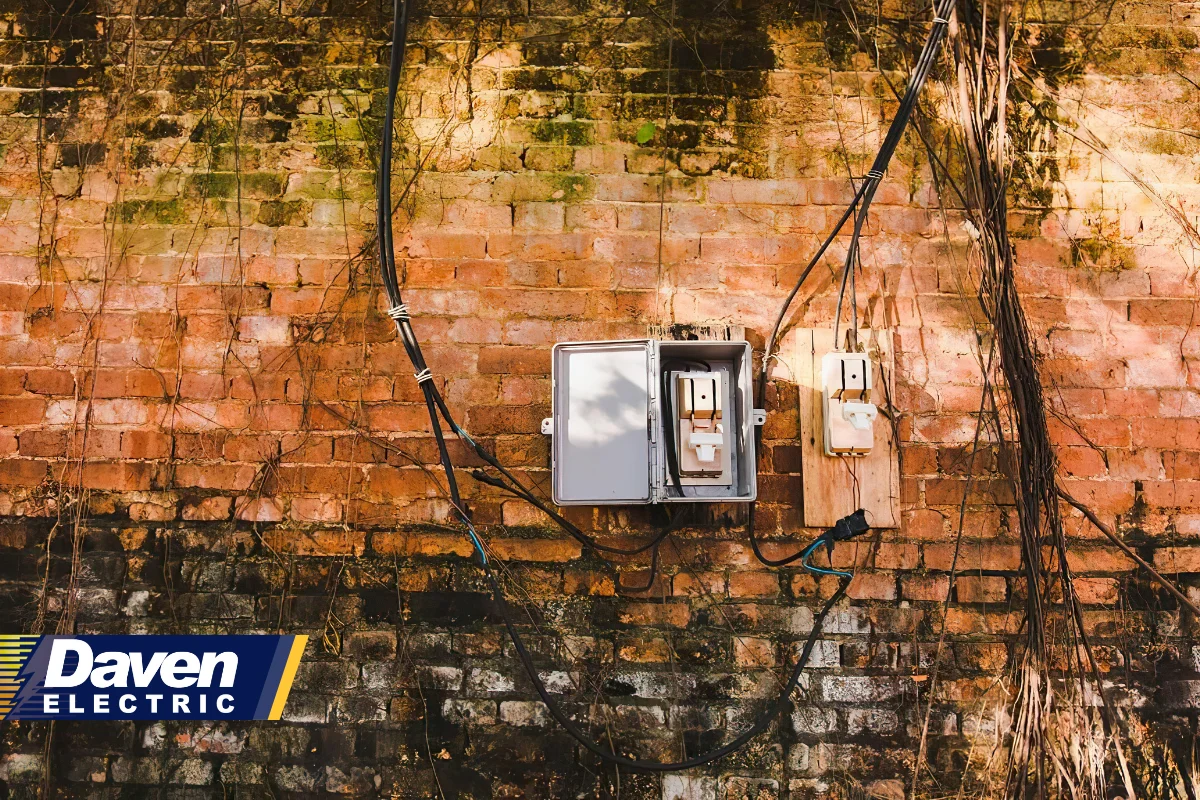
Electrical work in NYC requires permits and inspections for compliance with local codes. Most new circuits in Brooklyn fall under the New York City electrical code, and there are no shortcuts around the permitting process.
Only a master electrician or special electrician can file permits for new circuit installations and panel work in the city. The permit is filed with the Department of Buildings, and inspection scheduling follows completion of the work. Inspection fees and filing costs are typically modest for single-circuit jobs and are usually folded into the contractor’s quote. Larger projects with panel upgrades or multiple circuits carry higher fees based on the job valuation.
Strict codes dictate that wiring in many buildings must be enclosed in conduit, particularly in unfinished basements, exposed areas, and exterior runs. AFCI protection is required in bedrooms and living spaces. GFCI protection is required near water sources and for outdoor devices.
Work done without permits can result in Department of Buildings violations, fines, and summonses. Unpermitted electrical work can also cause problems when selling or renovating, and insurance companies may deny claims after an incident if the wiring was not code compliant.
Code-compliant electrical work protects both safety and property value. Permit and inspection fees are a necessary and relatively small part of the total project cost.
Dedicated Circuits for Kitchens, Home Offices, EV Chargers, and Hot Tubs
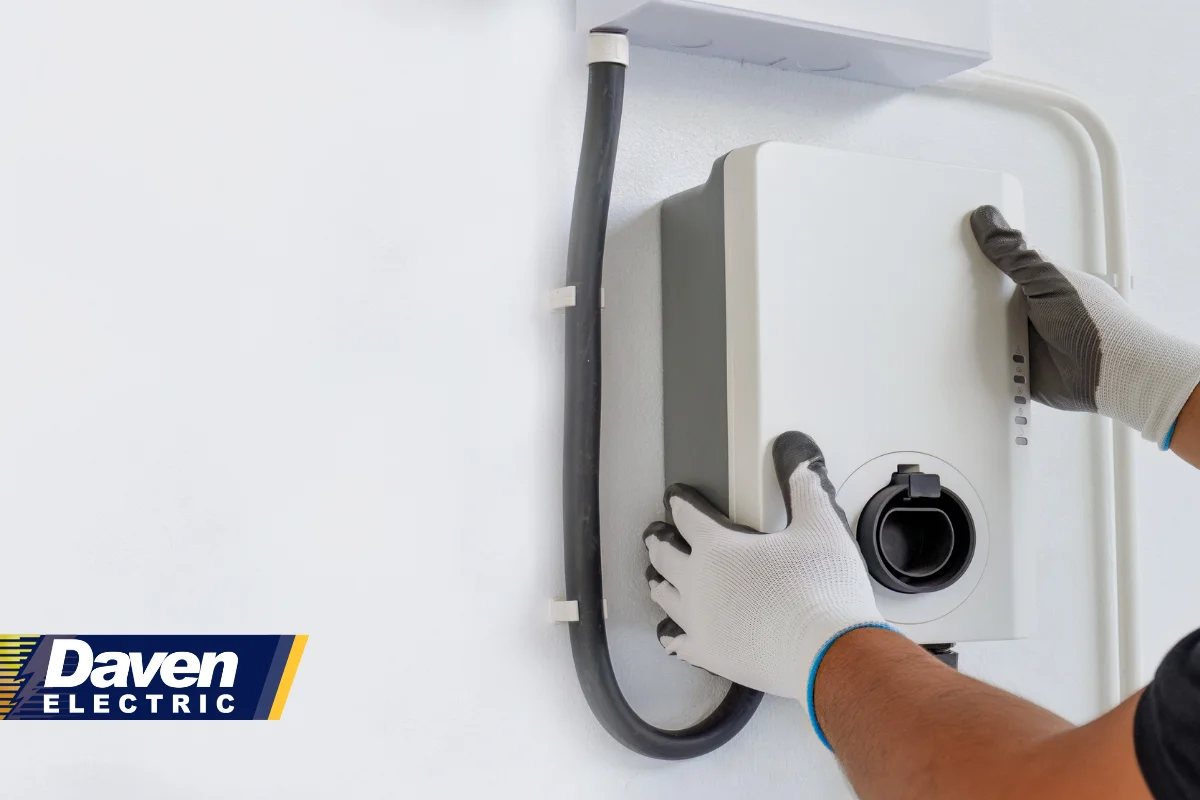
Certain spaces and equipment in Madison homes almost always require new dedicated circuits. Here is what to expect for each:
Kitchens are the most circuit-intensive room in most homes. Microwaves, dishwashers, garbage disposals, and countertop small-appliance outlets each typically need their own circuit. A kitchen remodel that brings the house up to current code may require four or more new circuits, pushing the total project into the mid-to-upper range.
Home offices with computers, monitors, network gear, and printers benefit from a dedicated circuit that prevents nuisance trips caused by sharing a line with lights or heating in another part of the house. This is generally a straightforward installation on the lower end of the cost spectrum.
EV charger circuits differ from standard outlets because they involve higher amperage, often require 240V power, and may need outdoor or garage-rated wiring and conduit. The breaker, wire gauge, and safety devices all cost more. If the panel lacks capacity, upgrading becomes part of the scope.
Hot tub and spa circuits demand GFCI protection, outdoor-rated conduit, a dedicated disconnect switch within sight of the unit, and often 50A or 60A service. The distance from the panel to the yard or deck, combined with trenching or exterior conduit runs, makes these among the most expensive dedicated circuit projects for homeowners.
DIY vs. Hiring a Licensed Electrician in Madison
New dedicated circuits involve panel work and must comply with New York City codes, making DIY risky and often noncompliant. In the city, only a licensed electrician can legally file permits and perform this type of electrical work. There is no homeowner exemption that covers running a new circuit from your panel.
Minor tasks like replacing cover plates, swapping a light switch, or plugging in devices are generally fine for a handy homeowner. But anything that touches the panel, involves new wire, or changes the existing wiring requires a professional with the right license, insurance, and testing equipment.
Amateur wiring creates real hazards: fire risk from improper connections, shock risk from ungrounded or miswired circuits, failed inspections that halt a renovation or sale, and denial of insurance claims after a loss. These consequences cost far more than hiring the right person in the first place.
A licensed electrician brings code knowledge, proper tools, and experience working in tight Madison spaces and older buildings. Homeowners get the best value by focusing on planning, access, and clear communication rather than attempting hazardous work to save money.
Smart Ways to Budget and Save on New Dedicated Circuits
Thoughtful planning can reduce cost without sacrificing safety or code compliance. Here are practical strategies:
- Group electrical work into one visit. If you need multiple circuits, lighting upgrades, or a panel upgrade, combining them spreads mobilization and permit costs across the entire project instead of paying separately each time.
- Prioritize the highest-impact circuits first. Start with the ones required for safety, heavy appliances, or an EV charger, then schedule secondary circuits for a later date.
- Get a clear, written scope of work and a fixed-price quote rather than open-ended hourly billing. This protects you from surprises on complex jobs.
- Ask your electrician about layout options that minimize wire runs and wall openings. A shorter, more direct route from the panel to the outlet keeps both labor and patching costs under control.
- When replacing or upgrading a panel, size it with room for future growth so you do not pay for another upgrade when you want to add more circuits later.
Planning Your Dedicated Circuit Project in One Room or the Whole Home
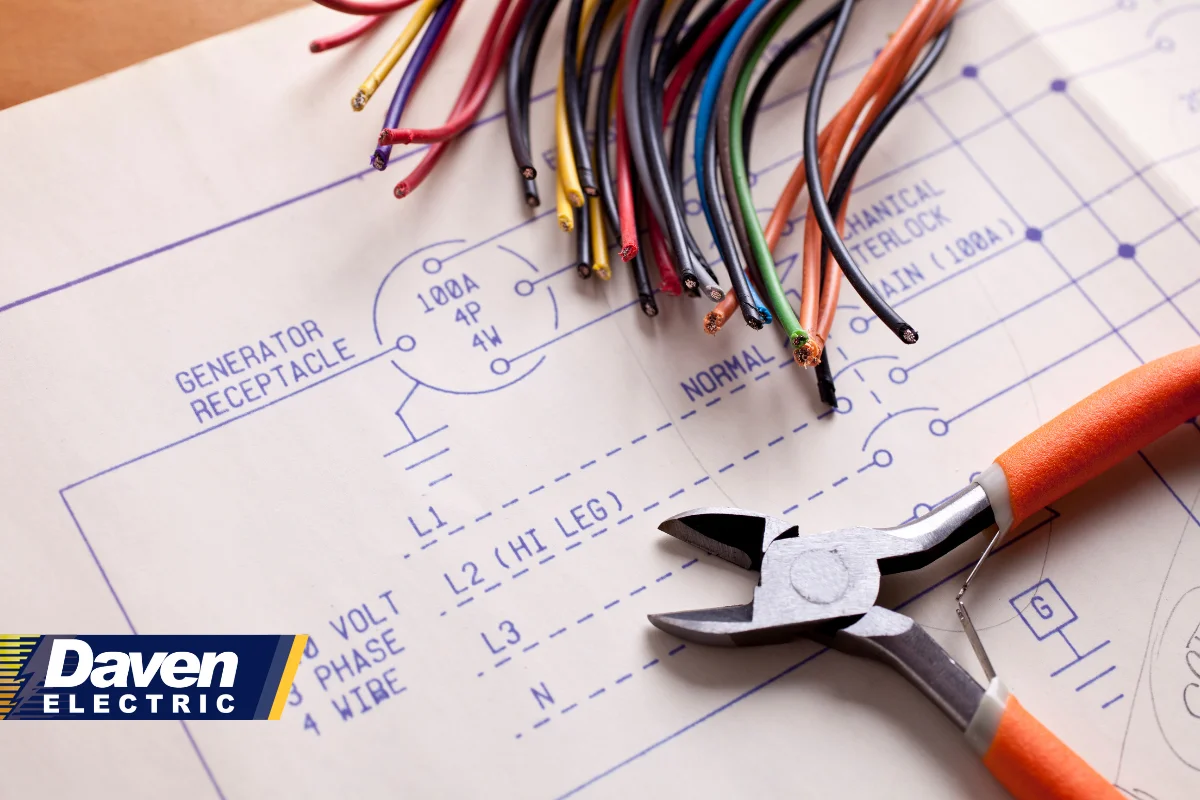
Whether you need a circuit in a single bedroom or you are upgrading the entire home, a little preparation goes a long way.
Start by walking through the space and listing every load that may need its own circuit. Note the amperage and voltage from manufacturer labels and manuals. This list helps the electrician assess your panel and plan routing before arrival.
Sharing photos or a simple floor plan in advance lets the contractor anticipate panel and routing needs, estimate materials, and provide a tighter quote. It also reduces time spent on-site figuring out logistics.
Schedule work at times that minimize disruption, especially in apartments with limited daytime access or shared hallways. If building management needs to approve the work or provide access to a common panel room, handle that coordination before the electrician arrives.
Think ahead about future loads. If you are planning an EV charger, hot tub, or kitchen renovation in the next few years, mention it now. Your contractor can design the electrical system with enough capacity to grow, saving you the expense of replacing or upgrading components twice. That kind of forward planning is where most homeowners get the best return on their investment.
Electrician in Madison, Brooklyn, NY – Daven Electric Corp.
At Daven Electric Corp., we specialize in dedicated circuit installation, panel upgrades, and full-service electrical work for homes and apartments throughout Madison and greater Brooklyn. Our licensed team handles everything from single-outlet circuits to high-amperage EV charger and hot tub wiring with code-compliant precision. We understand the unique challenges of older Brooklyn buildings, tight spaces, and multi-family access requirements. Every project includes a clear, itemized quote so you know exactly what you are paying for. Whether you need planned service or a fast response from an emergency electrician, we are ready to help. Call us at (212) 390-1106 or fill out our contact form to get started today.
Frequently Asked Questions
How can I tell if an existing circuit in my home is already dedicated?
Check your electrical panel for labeling. A dedicated circuit should have a breaker clearly marked for a single appliance or outlet, such as “dishwasher” or “dryer.” If the label is missing or vague, you can test by turning off that breaker and checking whether only one outlet or appliance loses power. If multiple outlets, lights, or devices on the same circuit go dark, it is a shared circuit, not a dedicated one. A professional can verify this quickly using testing equipment and a panel inspection, which is especially helpful in older Madison homes where original labeling may be inaccurate or missing entirely.
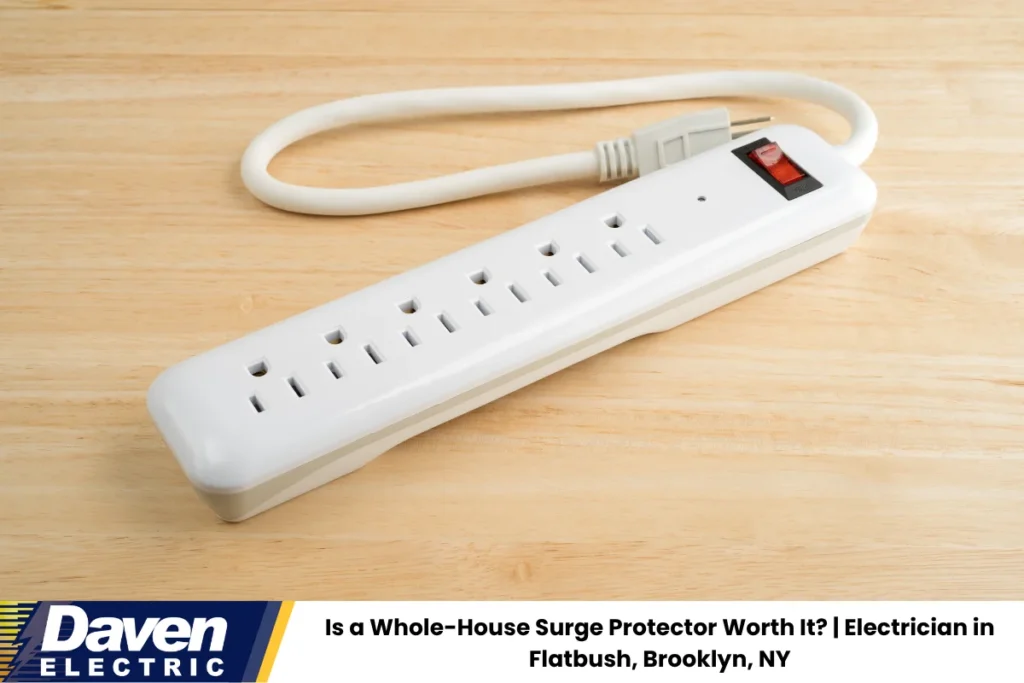
Is adding surge protection worth it when installing a new dedicated circuit?
Yes, especially for circuits serving expensive electronics, computers, or sensitive appliances. A whole-house surge protector installed at the panel provides broad protection against voltage spikes from utility fluctuations or lightning. Individual surge-protected outlets add another layer for specific devices. The cost is modest, often $150 to $400 for a panel-mounted unit installed during the same visit. Given the investment in electronics and appliances in most Brooklyn homes, surge protection is a practical add-on that can prevent costly damage and is easy for your electrician to include during a dedicated circuit project.
How long does a typical inspection take after a new circuit is installed in Brooklyn?
The inspection itself usually takes 15 to 30 minutes once a Department of Buildings inspector arrives. The inspector checks breaker installation, wiring routing, grounding, outlet placement, GFCI and AFCI protection where required, and overall code compliance. The wait time for inspection scheduling can vary from a few days to a couple of weeks depending on DOB backlog. Your electrician handles the filing and coordinates the appointment. Homeowners should make sure the panel and work area are accessible on the scheduled day. Once passed, you receive a Certificate of Electrical Inspection, which is important for insurance and future property transactions.
Do dedicated circuits improve my home’s resale value in Brooklyn?
They can. Buyers and their inspectors look closely at the electrical system during a sale. A home with properly permitted, code-compliant dedicated circuits for major appliances, an updated panel, and clean inspection records signals that the property has been well maintained. Conversely, outdated or overloaded wiring raises red flags and can delay or reduce a sale price. EV charger circuits and modern kitchen wiring are increasingly seen as desirable features. While the dollar-for-dollar return is hard to quantify, having compliant electrical infrastructure removes a common objection during negotiations and appraisals.
Are smart panels or load monitoring systems worth considering when adding multiple new circuits?
Smart electrical panels and load monitoring devices are becoming more popular, especially in homes adding several new circuits for modern appliances, EV chargers, or heating systems. These panels can track energy usage per circuit in real time, alert you to unusual draw, and in some cases allow remote breaker control. They are most cost-effective when installed during a panel upgrade rather than retrofitted later. For homeowners planning to add more circuits over time or who want detailed visibility into electricity consumption, a smart panel can pay for itself through better energy management. Discuss options with your electrical contractor to see if the added cost fits your goals.
Disclaimer
All prices and code references are general estimates for Brooklyn, NY, subject to change, and do not replace a project-specific evaluation by a licensed electrician assessing your actual property conditions.
Read How Much Does It Cost to Install LED Lights? A Brooklyn Electrician’s Guide