Why Outlet Planning Can Make or Break Your Commercial Space
Commercial Electrician in Manhattan services are often called only after problems arise—but poor outlet planning starts long before the first wire is installed. Businesses quickly run into overloaded circuits, extension cord hazards, and code violations when there aren’t enough outlets. This doesn’t just disrupt operations; it creates safety risks and potential fines. In a fast-paced environment like Manhattan, downtime and compliance issues can cost thousands. The solution lies in strategic planning with a qualified electrician who understands commercial demands, local codes, and future scalability. Knowing how many outlets you need isn’t guesswork—it’s a calculated decision that supports safety, productivity, and long-term efficiency.
The Role of Electrical Layout in Commercial Buildings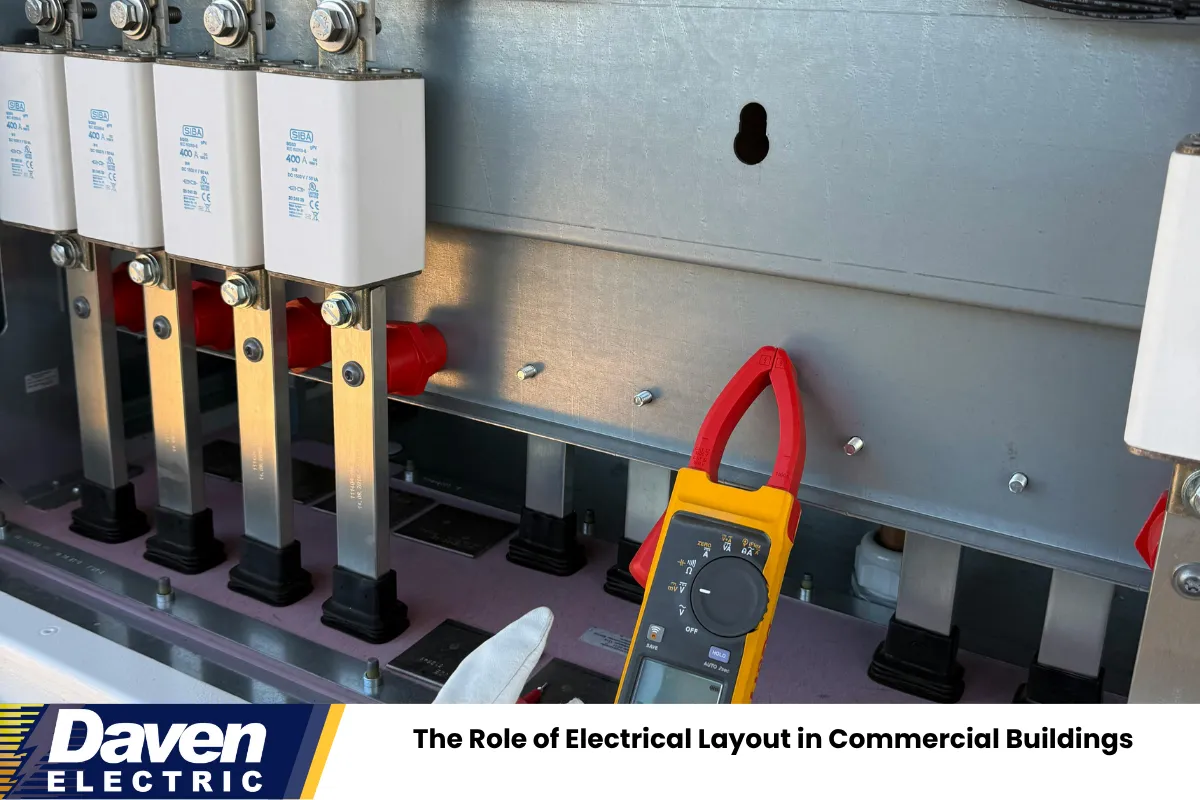
A well-designed electrical layout is the backbone of any commercial property. Whether you’re opening a retail shop, office, restaurant, or warehouse, the number and placement of outlets directly impact daily operations.
A commercial electrician evaluates:
- Floor plan and square footage
- Equipment requirements
- Workstation density
- Customer-facing areas
- HVAC and specialty systems
Unlike residential setups, commercial electrical service must support higher loads and more complex systems. That’s why working with an experienced electrical contractor is essential. They ensure your layout meets both functional needs and strict regulations in Manhattan.
Understanding NYC Electrical Code Requirements
National Electrical Code (NEC) and NYC Amendments
New York City follows the National Electrical Code (NEC) with additional local amendments. These rules dictate minimum outlet spacing, load calculations, and safety requirements.
For commercial buildings, NEC doesn’t specify exact outlet counts like it does for residential spaces. Instead, it focuses on:
- Adequate access to power
- Avoidance of overloading circuits
- Proper distribution of electrical load
NYC-Specific Compliance Factors
Manhattan buildings must also comply with:
- NYC Electrical Code updates
- Department of Buildings (DOB) regulations
- Fire safety codes
- ADA accessibility requirements
An electrician familiar with local laws ensures your installation passes inspection and avoids costly violations.
How to Determine the Number of Outlets Needed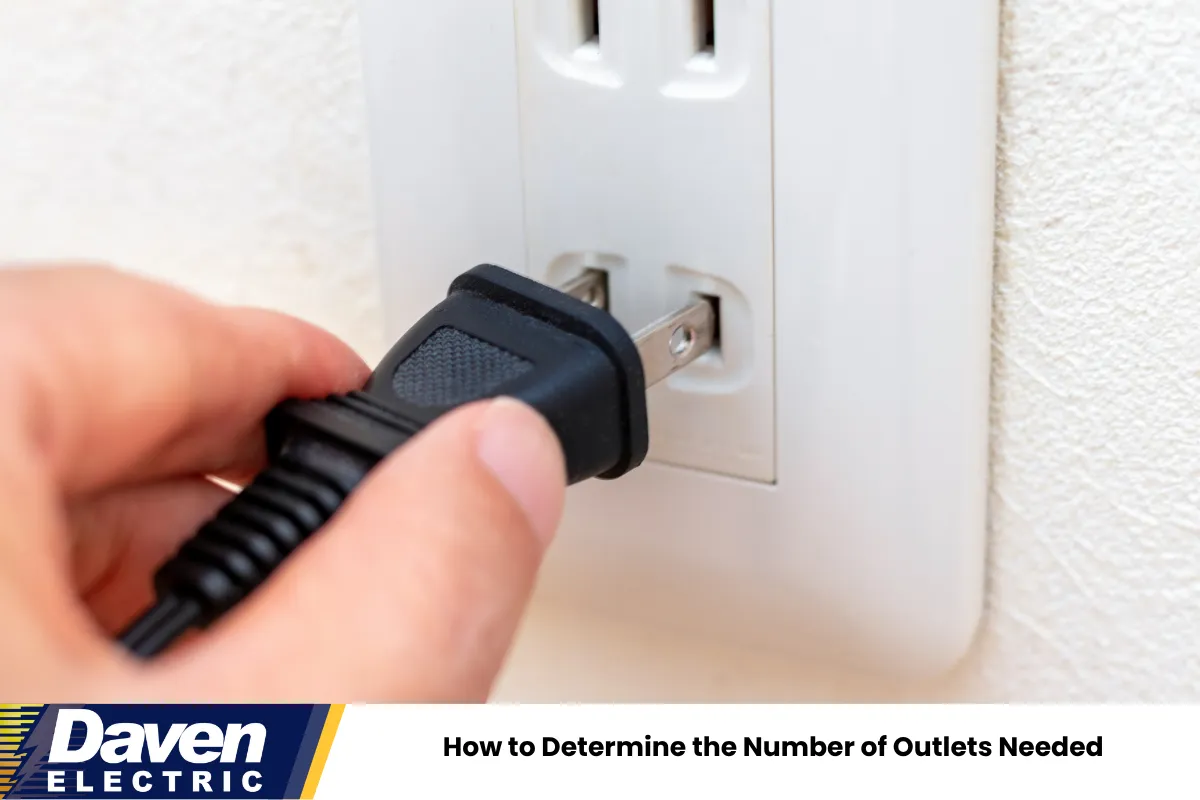
1. Evaluate Business Type and Usage
Different industries have vastly different electrical needs.
Office Spaces:
- 1 outlet per workstation (minimum)
- Additional outlets for printers, servers, and shared equipment
Retail Stores:
- Outlets for POS systems
- Display lighting and signage
- Security systems
Restaurants:
- High-demand kitchen equipment
- Refrigeration units
- Specialty appliances
Warehouses:
- Heavy machinery
- Charging stations
- Lighting systems
A commercial electrician will assess your operations and recommend a tailored solution.
2. Consider Equipment Load and Power Demand
Every device contributes to your total electrical load. Overloading circuits is one of the most common issues in commercial buildings.
Key considerations include:
- Voltage requirements (120V vs. 240V)
- Continuous vs. intermittent use
- Dedicated circuits for large equipment
An electrical contractor performs load calculations to determine how many outlets—and circuits—you truly need.
3. Plan for Future Expansion
One of the biggest mistakes businesses make is underestimating growth. Adding outlets later can be expensive and disruptive.
Plan ahead by:
- Installing extra outlets in key areas
- Including floor outlets for flexible layouts
- Allowing capacity in electrical panels
Future-proofing your space ensures long-term efficiency.
4. Follow Spacing and Accessibility Best Practices
Even without strict commercial spacing rules, best practices include:
- Placing outlets every 6–12 feet in work areas
- Ensuring easy access (no blocked outlets)
- Installing outlets at ergonomic heights
Accessibility is also important. ADA guidelines require certain outlets to be reachable for individuals with disabilities.
Types of Outlets Used in Commercial Settings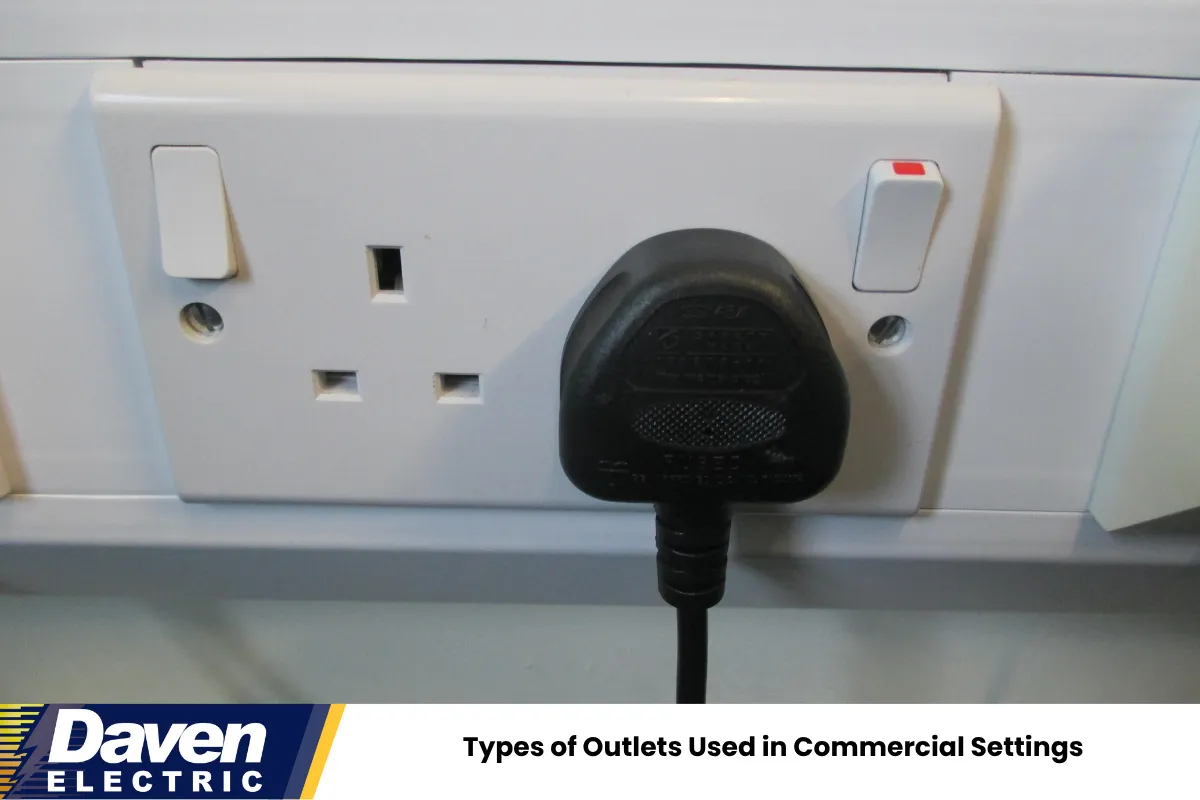
Standard Duplex Outlets
These are the most common and used for general purposes like computers, lighting, and office equipment.
GFCI Outlets (Ground Fault Circuit Interrupters)
Required in areas with moisture exposure such as:
- Kitchens
- Bathrooms
- Outdoor spaces
They prevent electrical shock by shutting off power when a fault is detected.
AFCI Outlets (Arc Fault Circuit Interrupters)
Designed to prevent electrical fires caused by arc faults. Increasingly required in many commercial applications.
Dedicated Outlets
Heavy equipment like refrigerators, HVAC systems, and industrial machinery require dedicated circuits and outlets to avoid overload.
USB and Smart Outlets
Modern commercial spaces often include:
- USB charging ports
- Smart outlets for energy monitoring
These improve convenience and efficiency in offices and retail environments.
Read Commercial Electrician in Manhattan, NY: How Much Does It Cost to Install a Commercial Outlet?
Common Mistakes When Planning Outlet Installation
Underestimating Outlet Needs
Not having enough outlets leads to:
- Power strips and extension cords
- Increased fire risk
- Reduced productivity
Ignoring Code Compliance
Failing to meet NYC electrical codes can result in:
- Fines
- Failed inspections
- Project delays
Poor Placement Decisions
Outlets placed in inconvenient locations can disrupt workflow and aesthetics.
Skipping Professional Electrical Service
DIY or unlicensed work often leads to unsafe installations. Hiring a licensed electrician ensures proper design, installation, and compliance.
The Importance of Load Balancing and Circuit Design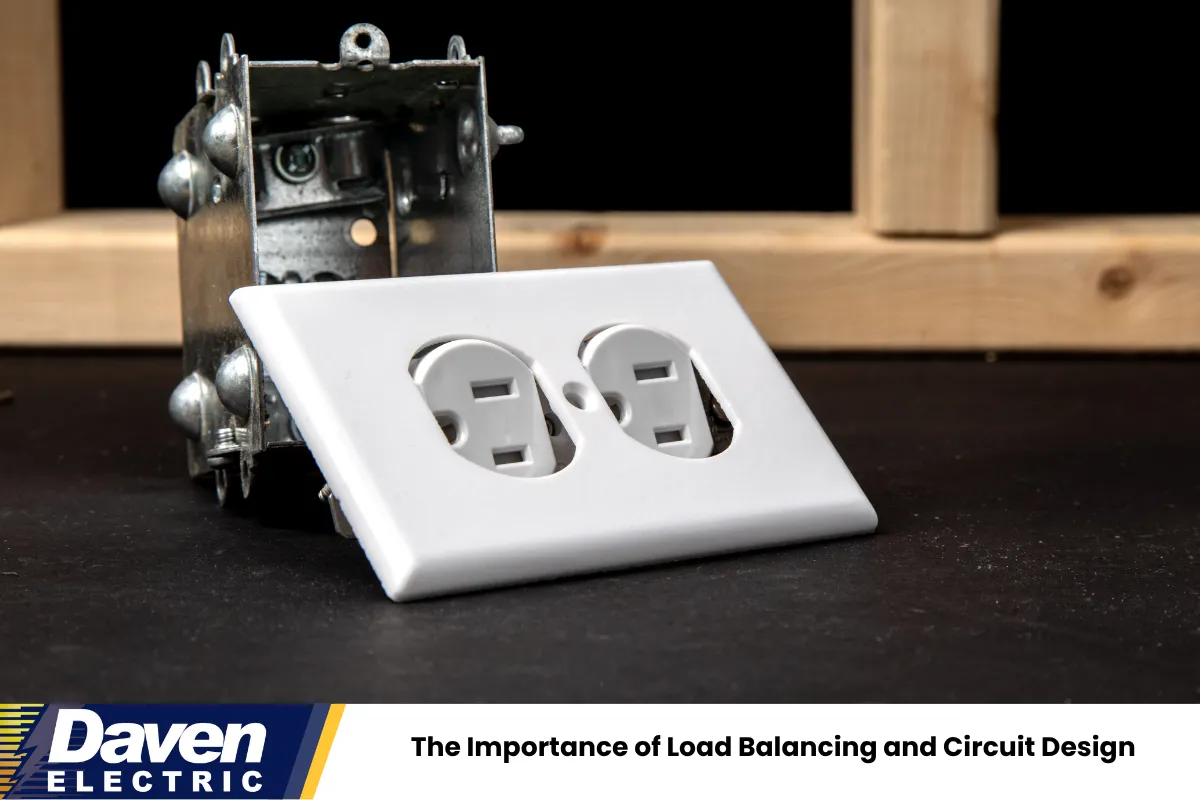
A commercial electrician doesn’t just install outlets—they design systems that distribute power efficiently.
Why Load Balancing Matters
- Prevents circuit overload
- Reduces energy waste
- Extends equipment lifespan
Circuit Design Considerations
- Separate circuits for high-demand equipment
- Backup systems for critical operations
- Surge protection
An experienced electrical contractor ensures your system runs safely and efficiently under all conditions.
Energy Efficiency and Smart Electrical Planning
Modern commercial buildings prioritize energy efficiency. Strategic outlet placement plays a role in reducing energy consumption.
Energy-Saving Strategies
- Install occupancy sensors
- Use energy-efficient equipment
- Integrate smart systems
Benefits
- Lower utility bills
- Reduced environmental impact
- Improved building value
An electrician can recommend upgrades that align with sustainability goals.
Safety Considerations for Commercial Electrical Systems
Safety is non-negotiable in any commercial setting.
Key Safety Measures
- Proper grounding
- Use of GFCI and AFCI outlets
- Regular inspections and maintenance
Fire Prevention
Electrical fires are often caused by:
- Overloaded circuits
- Faulty wiring
- Improper installations
Working with a licensed electrical contractor reduces these risks significantly.
When to Call a Commercial Electrician
You should consult a professional when:
- Designing a new commercial space
- Renovating or expanding
- Experiencing frequent electrical issues
- Upgrading outdated systems
A commercial electrician provides expert guidance, ensuring your building meets all requirements and operates efficiently.
Building a Reliable Electrical System for Long-Term Success
Planning the right number of outlets isn’t just about convenience—it’s about creating a safe, efficient, and scalable environment. Businesses in Manhattan operate in high-demand settings where reliability is critical. With proper planning, professional electrical service, and adherence to local codes, you can avoid costly mistakes and future disruptions. Investing in a qualified electrician ensures your commercial building is equipped to handle both current operations and future growth.
Commercial Electrician in Manhattan – Daven Electric Corp.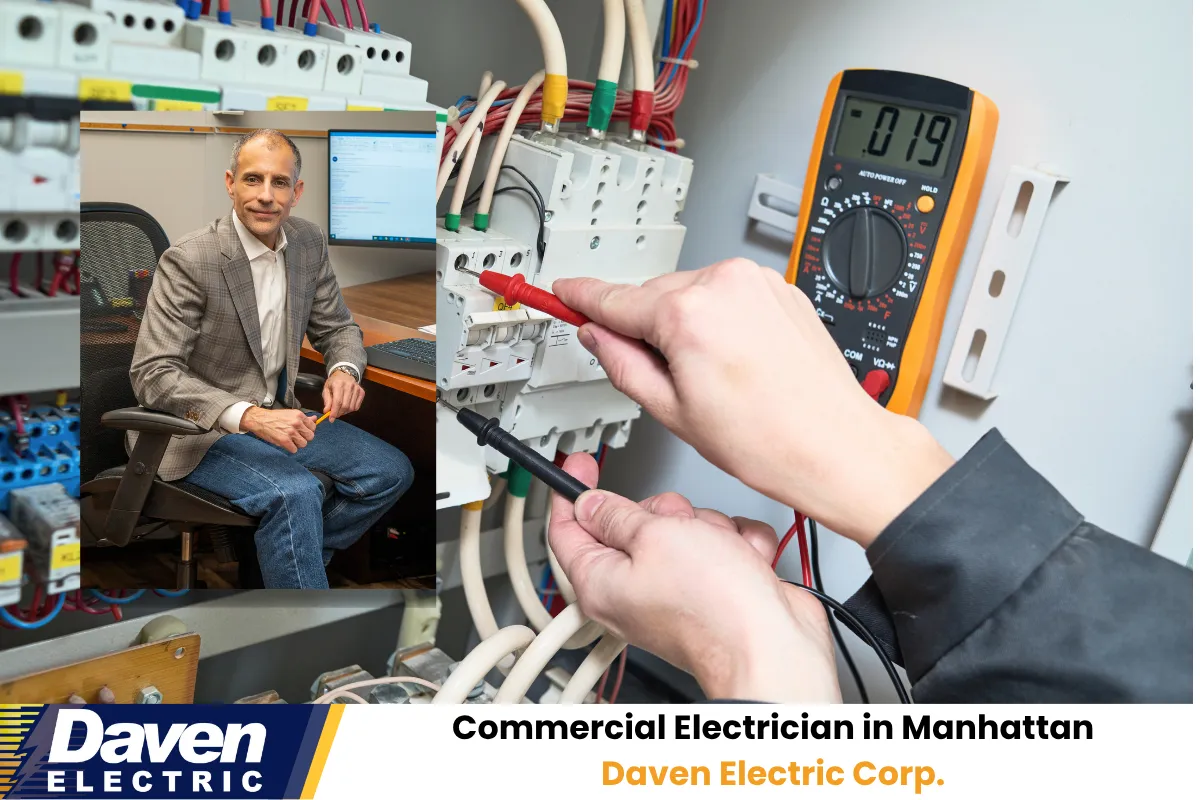
When you need a dependable electrician for your commercial project, we’re here to help. At Daven Electric Corp., we provide expert electrical service tailored to businesses across Manhattan and Brooklyn. We understand the importance of proper outlet planning, code compliance, and efficient system design. Our team of skilled professionals works closely with you to ensure your space is safe, functional, and ready for growth. Whether you’re building from the ground up or upgrading your existing system, we deliver reliable solutions you can trust. Call us today at (212) 390-1106 or fill out our contact form to get started with a trusted electrical contractor.
Frequently Asked Questions
How often should commercial electrical systems be inspected?
Commercial electrical systems should typically be inspected at least once every one to three years, depending on usage and building type. High-demand environments like restaurants or manufacturing facilities may require more frequent inspections. Regular inspections help identify issues such as worn wiring, overloaded circuits, or outdated components before they become serious problems. In Manhattan, inspections also ensure compliance with local codes and safety regulations. Hiring a licensed electrician for routine maintenance reduces the risk of unexpected failures, improves system efficiency, and extends the lifespan of your electrical infrastructure.
Can I add more outlets to an existing commercial space?
Yes, additional outlets can be installed in an existing commercial space, but it requires careful planning. A qualified electrical contractor will assess your current system capacity, panel limitations, and circuit load before proceeding. In many cases, new circuits may need to be added to avoid overloading existing ones. Permits and inspections are often required in Manhattan to ensure compliance with NYC Electrical Code. Attempting to add outlets without professional help can lead to safety hazards and code violations, so it’s always best to hire an experienced electrician.
What is the difference between residential and commercial electrical systems?
Commercial electrical systems are generally more complex than residential ones. They handle higher voltage, larger loads, and more sophisticated equipment. Commercial setups often include three-phase power, advanced circuit design, and specialized outlets for industrial or business use. Additionally, commercial electrical service must meet stricter safety standards and building codes, especially in cities like Manhattan. A commercial electrician is trained to manage these complexities, ensuring safe and efficient operation tailored to business needs.
Are floor outlets a good option for commercial spaces?
Floor outlets can be an excellent solution for commercial environments, especially in open office layouts or retail spaces. They provide convenient access to power without relying on wall outlets, reducing the need for extension cords. Proper installation is critical to ensure safety, durability, and compliance with NYC regulations. Floor outlets must be sealed and protected from moisture and physical damage. A professional electrician can determine the best placement and type of floor outlets based on your layout and usage requirements.
How do I know if my electrical panel can handle more outlets?
Determining whether your electrical panel can support additional outlets requires a load calculation performed by a licensed electrician. The panel must have sufficient capacity to handle increased demand without risking overload. Signs that your panel may be at capacity include frequent breaker trips, flickering lights, or overheating. In some cases, a panel upgrade may be necessary to safely add more outlets. In Manhattan, any upgrades must comply with local codes and typically require permits and inspections to ensure safety and reliability.
Disclaimer: This article is for informational purposes only and does not replace professional electrical advice. Always consult a licensed electrician to ensure compliance with NYC codes and safe installation practices for your specific commercial project.
Read How Much Does It Cost for a Brooklyn Electrician to Install a Smart Home Control System?