Why Wiring Connections Matter in Manhattan Commercial Spaces
Commercial Electrician in Manhattan, NY is often the first professional business owners turn to when electrical systems start showing signs of trouble. The problem is that many commercial buildings rely on aging or poorly planned wiring connections that were never designed for modern electrical needs. This can lead to frequent outages, safety risks, and costly downtime. In a dense environment like Manhattan, faulty wiring can agitate these issues even further, putting tenants, customers, and operations at risk. The solution lies in understanding the three primary types of wiring connections used in commercial wiring and how they support safe, efficient, and compliant power distribution. When designed and installed correctly, these connections protect your commercial property and ensure long-term reliability.
The Role of Commercial Wiring in Modern Manhattan Buildings
Commercial wiring is the backbone of electrical infrastructure in commercial buildings throughout Manhattan. Unlike residential electricians who focus on smaller-scale systems, commercial projects demand advanced planning to support higher electrical loads, complex layouts, and continuous usage. Retail stores, office towers, healthcare facilities, and industrial facilities all rely on properly engineered wiring systems to support daily operations.
A licensed electrician working in Manhattan must account for strict building codes, local building regulations, and the National Electric Code when designing and installing electrical wiring. These standards ensure that electrical components work together safely, especially in environments with high-voltage systems, three-phase power, and backup power requirements.
Commercial wiring is not just about delivering electricity. It is about creating a safe, efficient, and scalable system that supports lighting fixtures, power panels, electrical equipment, and future expansion without compromising safety.
How Wiring Connections Shape Electrical Performance

Wiring connections determine how electricity flows through electrical panels, power outlets, and lighting systems. Poor connections can result in electrical leakage, overheating, or system failure. In Manhattan, where power suppliers deliver energy to dense networks of commercial property, reliable wiring connections are essential to prevent disruptions.
Each type of wiring connection serves a specific purpose depending on voltage levels, environmental conditions, and the type of electrical project. Choosing the right connection method is critical for energy efficiency, safety inspections, and compliance with electrical codes.
The Three Core Types of Wiring Connections in Commercial Wiring
Direct (Permanent) Wiring Connections
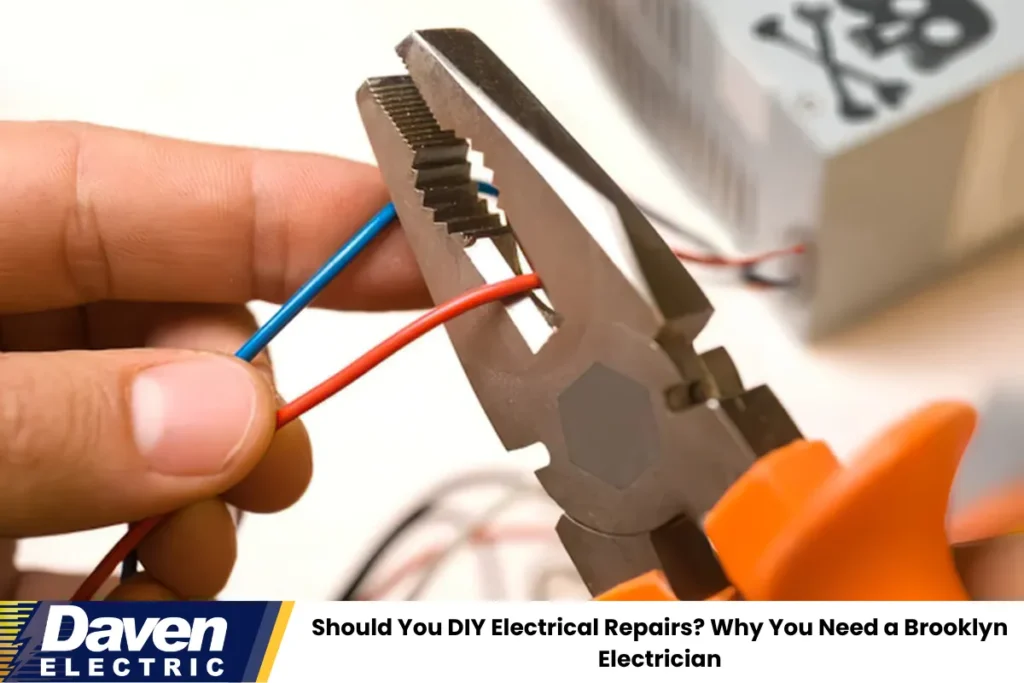
Direct wiring connections are permanently installed and form the foundation of most commercial wiring systems. These connections are commonly used for fixed electrical installations such as electrical panels, lighting fixtures, and high-voltage equipment.
In commercial buildings, direct connections are often installed using conduit systems or armored cable to protect the cable conductor from physical damage. Insulation material plays a key role here, preventing electrical leakage and ensuring safe operation over time. Copper-clad steel and aluminum conductors may be used depending on load requirements and design considerations.
Direct wiring is commonly found in full facility buildouts, ground up installations, and large commercial buildout projects. Because these connections are not meant to be frequently altered, careful electrical design and construction plans are essential from the start.
Key characteristics of direct wiring connections include:
- High durability and stability
- Compliance with strict building codes
- Long-term reliability for continuous electrical loads
Plug-and-Receptacle Connections in Commercial Spaces
Plug-and-receptacle connections allow electrical equipment to be connected and disconnected easily. These are commonly used for Power Outlets serving office equipment, appliances, and specialized tools in retail stores and commercial property environments.
While these connections may seem simple, they must still meet National Electrical Code requirements for load capacity, grounding systems, and surge protection. In Manhattan, plug connections must be installed by a licensed electrician to ensure they integrate safely with power panels and circuit breakers.
These connections support flexibility in commercial spaces where layouts change frequently. However, improper installation or overloading can lead to emergency electrical issues, making professional electrical inspections essential.
Splice and Junction Box Connections
Splice connections join multiple conductors within a junction box, allowing circuits to branch safely. These wiring connections are critical in complex wiring systems where power distribution must reach multiple areas from a single source.
Splices are often used in underground wiring, conduit wiring, and underground conduits where cables transition between locations. Specialized cables such as Underground Feeder (UF-B) cable, UF-B cables, or metal-sheathed wiring may be used depending on environmental exposure.
A grounding conductor and bare conductors are carefully bonded within the junction box to maintain grounding systems and meet safety standards. Improper splicing is a common cause of faulty wiring, making professional system testing and safety inspections crucial.
Materials Commonly Used in Commercial Wiring Connections

Commercial wiring relies on materials designed to handle higher loads and demanding conditions. Common materials include Romex cable for limited applications, armored cable for added protection, and conduit systems for organized cable management.
Older buildings in Manhattan may still contain fabric-insulated wires or knob-and-tube wiring, which often require upgrades to meet modern electrical codes. Modern installations favor durable insulation material and properly rated cable conductor selections to ensure energy efficiency and safety.
Power Distribution and Multi-Phase Systems
Commercial buildings often require three-phase power or multi-phase power to support large electrical loads. These systems distribute power more efficiently than single-phase setups, reducing strain on electrical equipment.
Power distribution systems rely on well-designed panel constructions and power panels to manage loads safely. Circuit breakers provide protection against overloads and short circuits, while surge protection shields sensitive equipment from voltage spikes.
Safety, Compliance, and Manhattan Regulations
Electrical work in Manhattan must comply with local building regulations, industrial safety standards, and the National Electrical Code. A general contractor coordinating a commercial electrical project must ensure that electrical inspections are completed at every stage of the entire process.
Safety inspections verify that wiring connections are secure, grounding systems are intact, and electrical panels are properly labeled. These measures help keep businesses safe and operational.
Advanced Commercial Electrical Applications

Modern commercial buildings often integrate building automation systems, Lighting Systems, and Energy Efficiency technologies. Electrical installations may also include Electric vehicle charger setups, Tesla Wall Chargers, or solar installation support systems.
Industrial electrical contractors working on industrial facilities must account for high-voltage systems, high-voltage equipment, and specialized wiring systems designed for demanding environments. Electrical troubleshooting, including troubleshooting underground faults, is essential to maintain uptime and business safe operations.
Preventing Electrical Failures Through Proper Design
Electrical design plays a major role in preventing future electrical repairs. A detailed Wiring Plan ensures that electrical infrastructure can support current and future electrical needs without overloading circuits.
System testing before occupancy verifies that all electrical components function correctly. This proactive approach reduces emergency electrical issues and supports long-term reliability.
Planning for Growth and Reliability
Commercial properties evolve over time. Proper electrical installations account for future expansion, additional lighting design requirements, and increased power demands. Backup power systems may also be integrated to protect critical operations during outages.
Well-planned wiring systems support long-term reliability and reduce downtime, protecting both tenants and revenue.
Final Thoughts on Commercial Wiring Connections
Understanding the three types of wiring connections used in commercial wiring helps business owners make informed decisions. Whether dealing with direct wiring, plug connections, or splice installations, proper planning, materials, and professional execution are essential.
Working with experienced professionals ensures compliance, safety, and performance across all electrical systems in Manhattan commercial environments.
Commercial Electrician in Manhattan, NY – Daven Electric Corp.

We are Daven Electric Corp., and we take pride in delivering Expert Electrical Services for commercial properties across Manhattan, New York. As a trusted Commercial Electrician in Manhattan, we understand how critical proper wiring connections are to your business operations. From electrical installations and electrical repairs to complex commercial wiring projects, we manage the entire process with precision and care. Our team works closely with your general contractor to ensure every electrical project meets strict building codes and passes all required electrical inspections. If you are planning a commercial buildout, upgrading electrical panels, or addressing emergency electrical issues, we are ready to help. Call us at (212) 390-1106 or fill out our contact form today to discuss your electrical needs.
Frequently Asked Questions
How do commercial wiring connections differ from residential systems?
Commercial wiring connections are designed to handle higher loads, continuous usage, and complex power distribution requirements. Unlike residential systems, they often use three-phase power, larger electrical panels, and more robust grounding systems. These differences support safety, efficiency, and scalability in commercial buildings.
Can older Manhattan buildings support modern commercial wiring?
Many older buildings can support modern wiring, but upgrades are often required. Outdated materials like knob-and-tube wiring or fabric-insulated wires must usually be replaced to meet current electrical codes and safety standards.
How often should commercial wiring be inspected?
Regular electrical inspections are recommended, especially in high-use environments. Inspections help identify faulty wiring, overloaded circuits, or grounding issues before they become serious problems.
What role does grounding play in commercial wiring connections?
Grounding systems protect people and equipment by directing excess electricity safely into the ground. Proper grounding reduces shock risk, prevents equipment damage, and ensures compliance with electrical codes.
Are commercial wiring projects required to follow the National Electrical Code?
Yes. All commercial electrical work in Manhattan must comply with the National Electrical Code and local building regulations. Compliance ensures safety, performance, and legal approval for occupancy.
Disclaimer: This article is for general informational purposes only and does not replace professional electrical advice. Always consult a licensed electrician for project-specific recommendations and compliance requirements.
Read Brooklyn Electrician: How Do I Know if My Electrical Permit Has Issues?