Electrical problems in commercial buildings are more than just an inconvenience—they can affect safety, productivity, and even compliance with important laws. That’s why every facility manager should have a clear understanding of electrical troubleshooting and when to call in a commercial electrician. This guide breaks it all down in simple terms so you can protect your property, people, and power.
Understanding Common Electrical Issues in Commercial Buildings
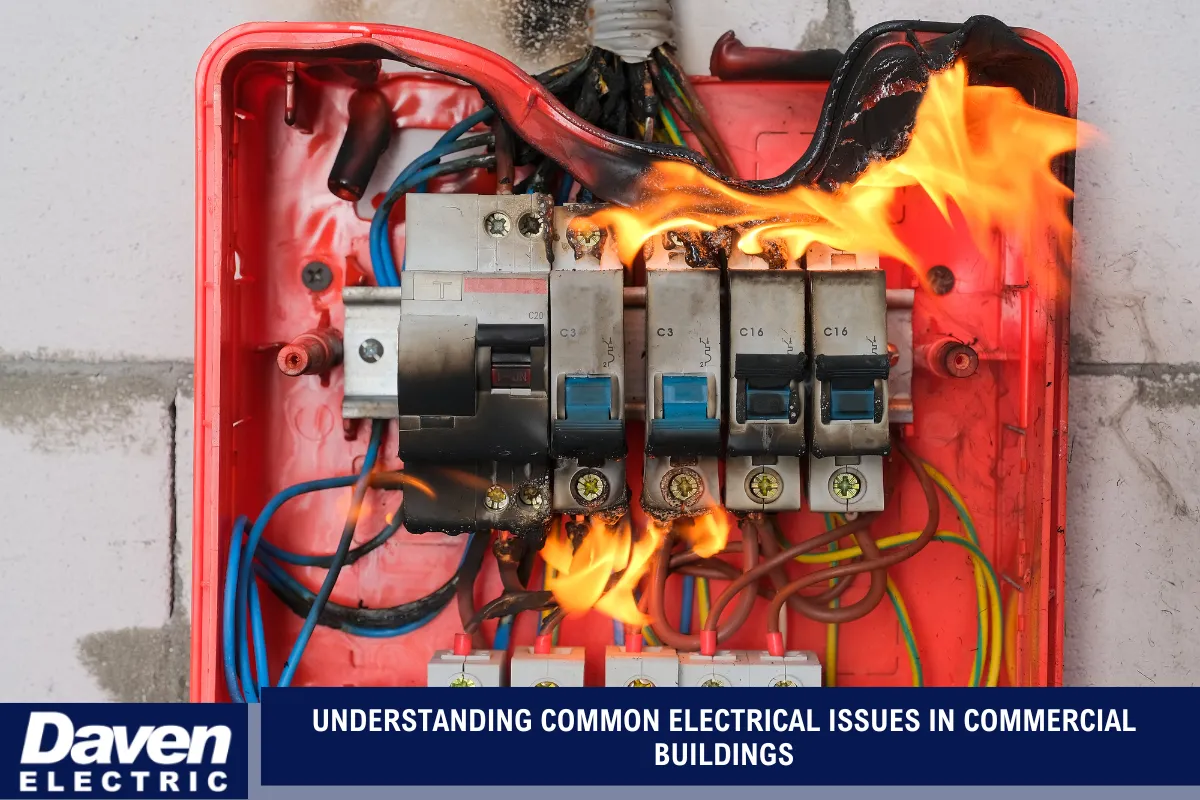
Electrical systems in commercial properties are more complex than those in homes. They power large machines, security systems, smart systems, and specialized systems like HVAC and access control systems. Because of this, electrical issues can come in many forms.
Overloaded Circuits: Causes and Solutions
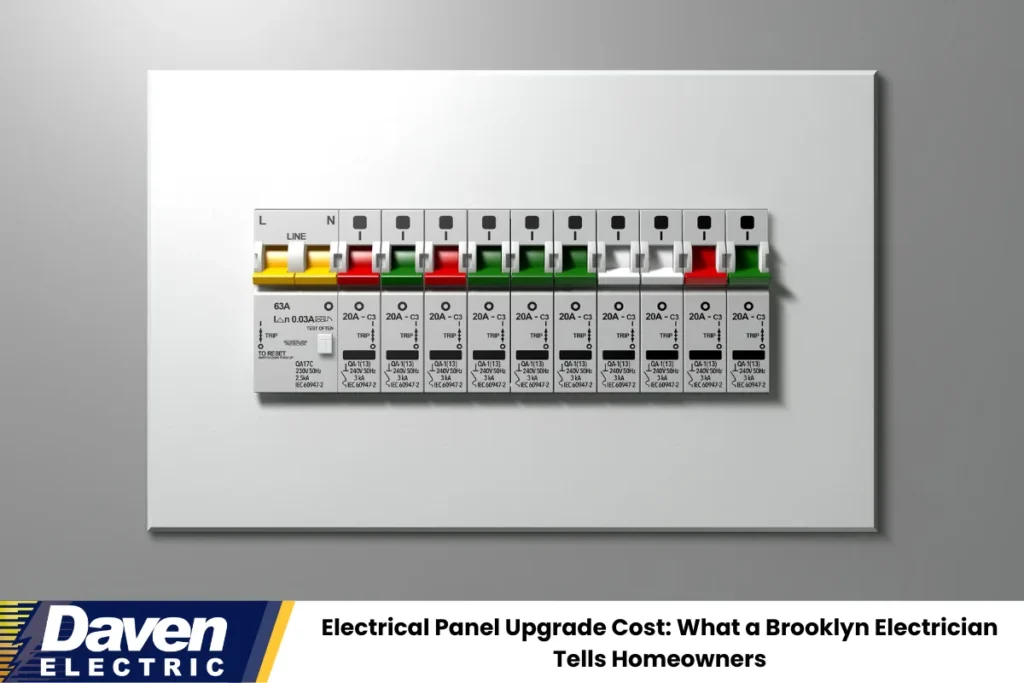
One of the most common issues is overloaded circuits. This happens when a branch circuit carries more electricity than it’s designed to handle. When this occurs, circuit breakers trip to prevent damage, leading to a power outage. If you notice frequent trips, the solution could be adding additional circuits or reducing the load by unplugging non-essential electrical equipment.
Identifying and Managing Power Surges
Power surges are sudden increases in electrical voltage that can damage sensitive equipment like computers and control panels. These surges may come from high-voltage power supplies, lightning, or faulty appliances. To protect your equipment, use safety devices such as surge protectors or power strips with built-in surge control. Always check if a piece of equipment is causing the surge and consider having additional power sources to help balance the load.
Diagnosing Faulty Wiring Problems
Old, faulty wiring can cause frequent power outages, buzzing sounds, or faulty outlets. In some cases, you might find frayed wiring, loose outlets, or outdated wiring that needs to be replaced. These can lead to safety hazards or even fire. If you see these warning signs, call a licensed electrician immediately for proper inspection and repair service.
The Importance of Proactive Electrical Maintenance
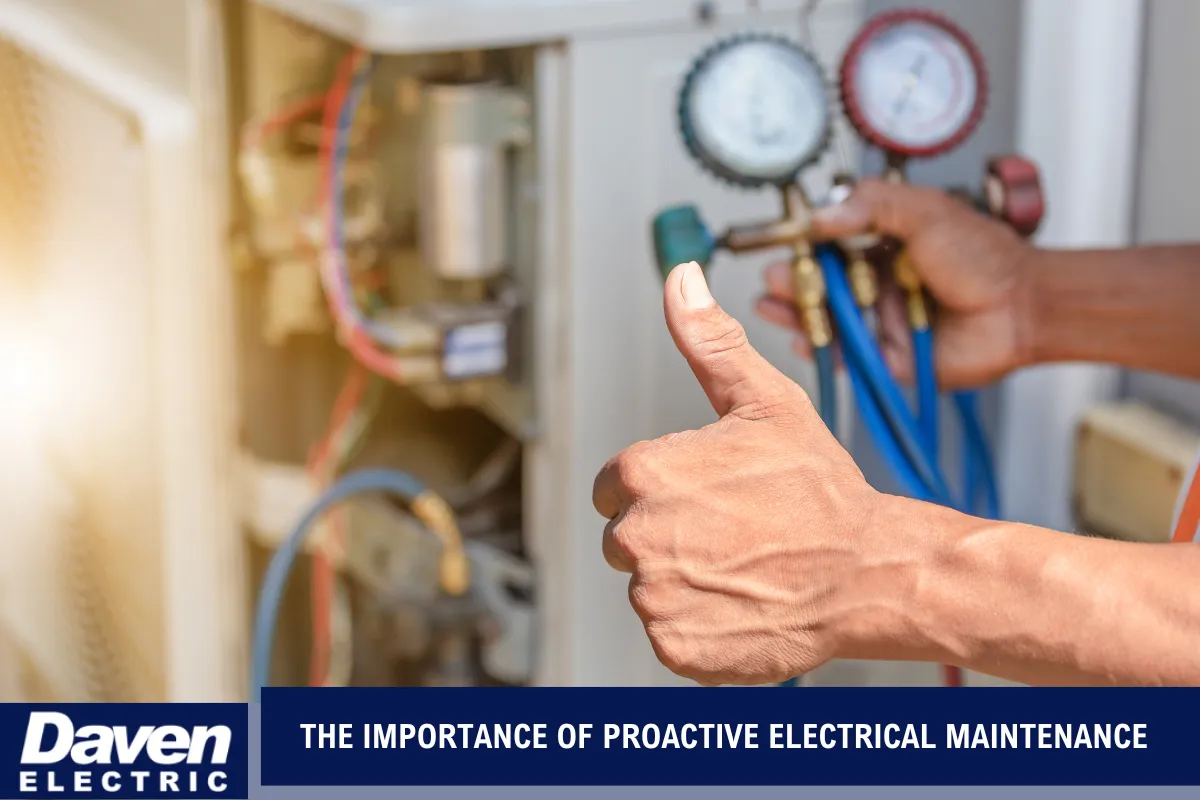
Being proactive about your electrical system keeps things running smoothly and safely.
Regular Inspection Routines
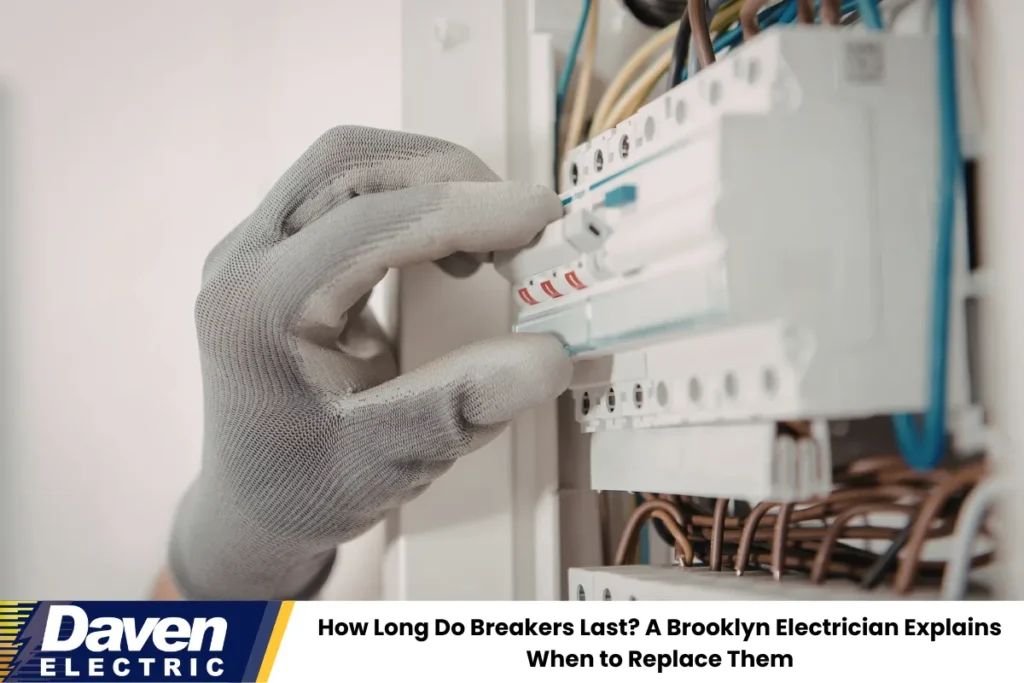
Regular inspections can catch potential issues before they become serious. Check your electrical outlets, panels, and circuit breakers routinely. Look for signs of wear or heat and make sure everything is labeled and in order.
Maintenance Tips for Operational Continuity
Maintaining electrical systems means fewer disruptions and less downtime. Make sure your team knows how to test electrical wiring, identify faulty equipment, and check connections. Label each circuit wire, especially if it’s in the middle of circuit chains.
Cost Efficiency through Preventative Measures
Fixing problems early saves money. For example, repairing loose outlets now could prevent expensive equipment failures later. Routine checks and working with a service professional can keep your costs down and avoid full system overhauls.
Proper Wiring Installation and Repair Techniques
Ensuring Safe and Efficient Installations
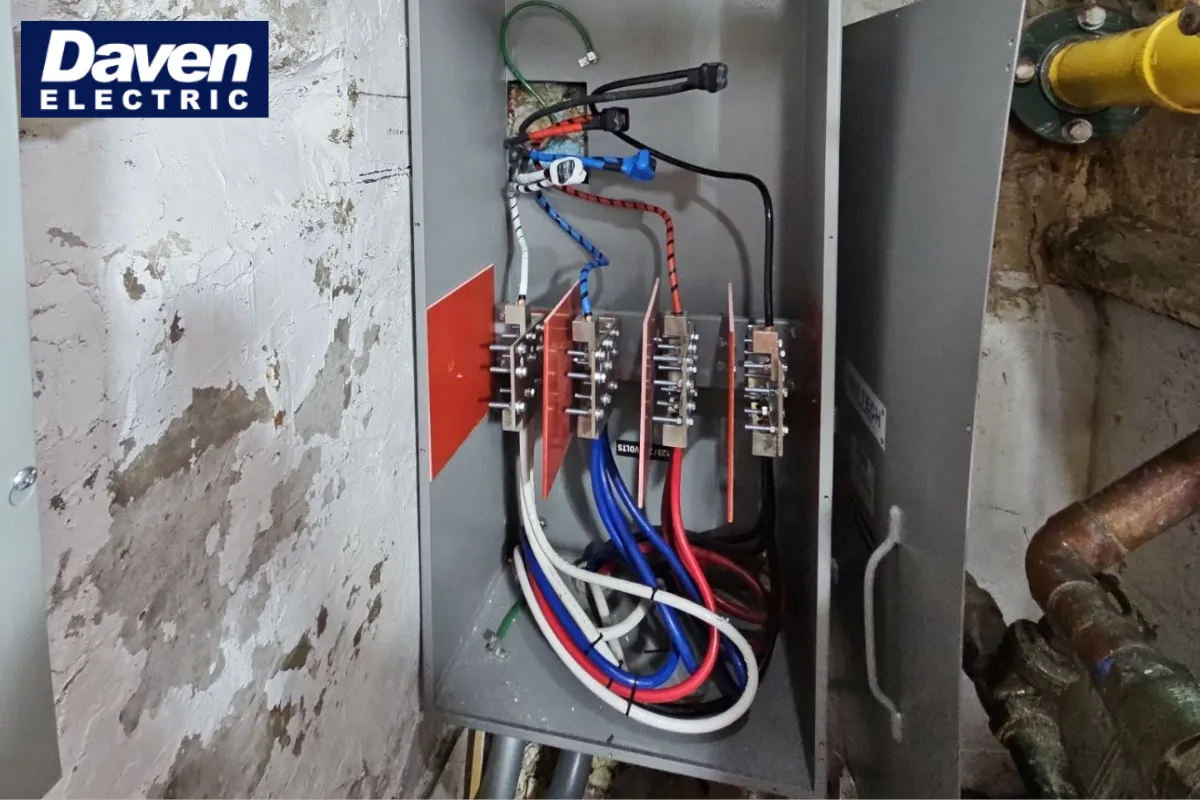
Whether you’re doing new builds or upgrading, electrical installation services should follow electrical safety standards. A Master Electrician ensures your specialized systems are wired safely and efficiently from the start.
Common Repair Techniques for Commercial Settings
Common repairs include replacing remodel wiring, fixing faulty outlets, and updating outdated breaker boxes. A licensed service provider ensures that your electrical services are up to code and avoids safety risks.
Utilizing Advanced Troubleshooting Tools
Tools Every Commercial Electrician Should Have
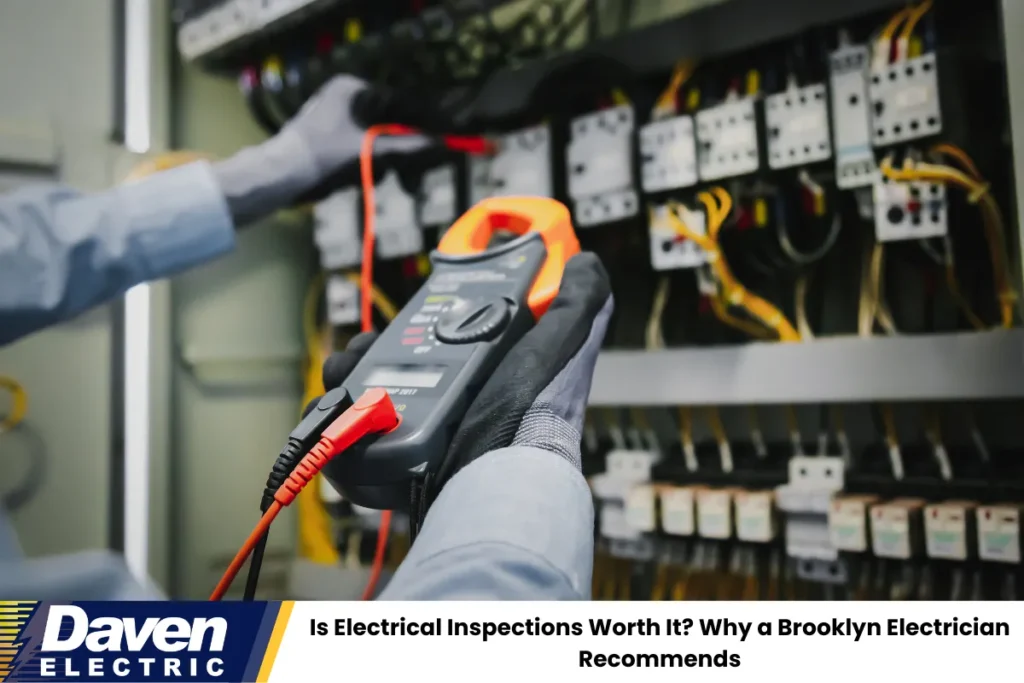
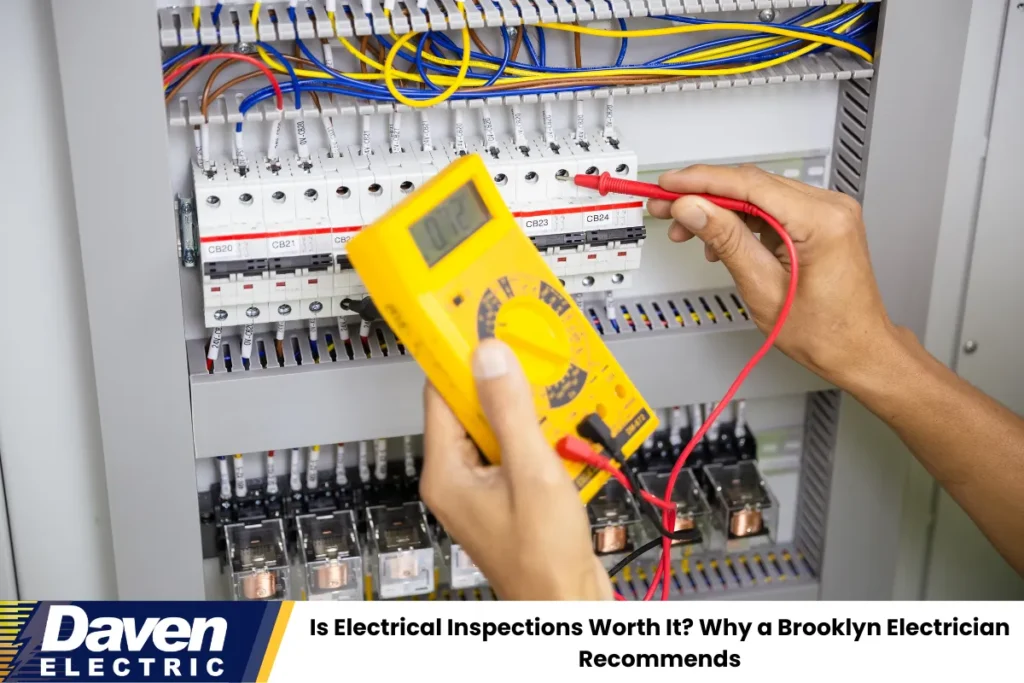
From multimeters to thermal scanners, tools help diagnose problems accurately. Professional electricians use these to test circuit breakers, identify overloads, and spot overheating parts.
How Technology Enhances Troubleshooting Efficiency
With smart meters, wireless diagnostics, and advanced control systems, troubleshooting is faster than ever. Good troubleshooting skills plus the right tools can prevent abrupt power disruptions and ensure Successful troubleshooting every time.
The Role of Licensed Electricians in Professional Solutions
When to Engage a Professional Electrician
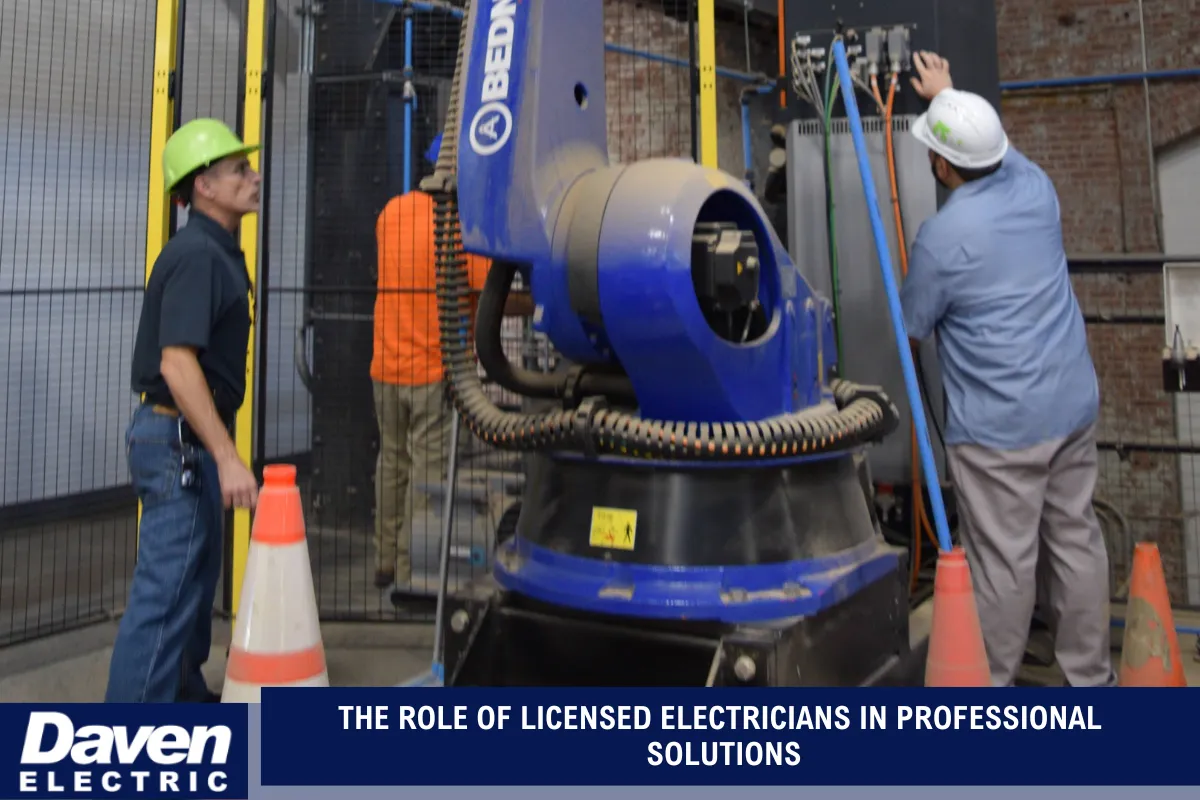
Some jobs require a trained hand. If you’re dealing with equipment failures, power surges, or unsafe electrical wiring, a licensed electrician should step in. Don’t risk your safety by trying complex repairs without training.
Partnership Benefits: Facility Managers and Electricians
Having a go-to service guy or electrical contractor means help is just a call away. Working with a dependable service department ensures that every repair service is handled quickly and correctly, reducing safety concerns.
Ensuring Electrical Safety Compliance
Understanding OSHA and NEC Standards
To meet electrical safety compliance, your building must follow OSHA and NEC rules. These include safety measures for working with electricity, using protective equipment, and installing systems correctly.
Strategies to Prevent Fines and Downtime
Avoid fines and shutdowns by sticking to adherence to safety standards. Ensure your staff uses the right protective equipment, follows proper lockout/tagout procedures, and reports safety hazards immediately.
Collaborating with Trusted Electrical Contractors
Building Relationships for Reliable Services
A trusted commercial electrical contractor is like an extension of your team. They understand your building’s needs, know your electrical systems, and provide faster, more effective service.
Selecting the Right Contractor for Your Needs
Look for contractors who are licensed, insured, and experienced in handling commercial electrical jobs. Whether you need electrical installation services, repairs, or upgrades, a qualified team makes all the difference.
Empowering Staff with Electrical Safety Knowledge
Training Programs for Hazard Identification
Train your maintenance team to identify safety risks like loose outlets, circuit overloads, or faulty equipment. Even basic training can help them react quickly and prevent accidents.
Guidelines for Appropriate Emergency Responses
Teach staff how to respond during a power outage, or when smoke or sparks appear. Knowing when to unplug equipment or shut down a branch circuit can prevent greater damage and injury.
Planning Inspection, Replacement, and Upgrades
Timing for Optimal System Inspection
Inspections should happen at least once a year. If your building uses high-voltage power supplies or smart systems, schedule checks more often.
Indicators for Replacing Electrical Systems
Signs like frequent power outages, burnt smells, and flickering lights could mean it’s time to replace your electrical systems or electrical wiring. Don’t ignore these red flags.
Evaluating When to Upgrade Infrastructure
Upgrading helps you avoid circuit overloads, improve efficiency, and meet growing power demands. Think about adding additional outlets or updating panels if your building has added more sensitive equipment or new access control systems.
Your Next Steps to Safer, Smarter Power Management
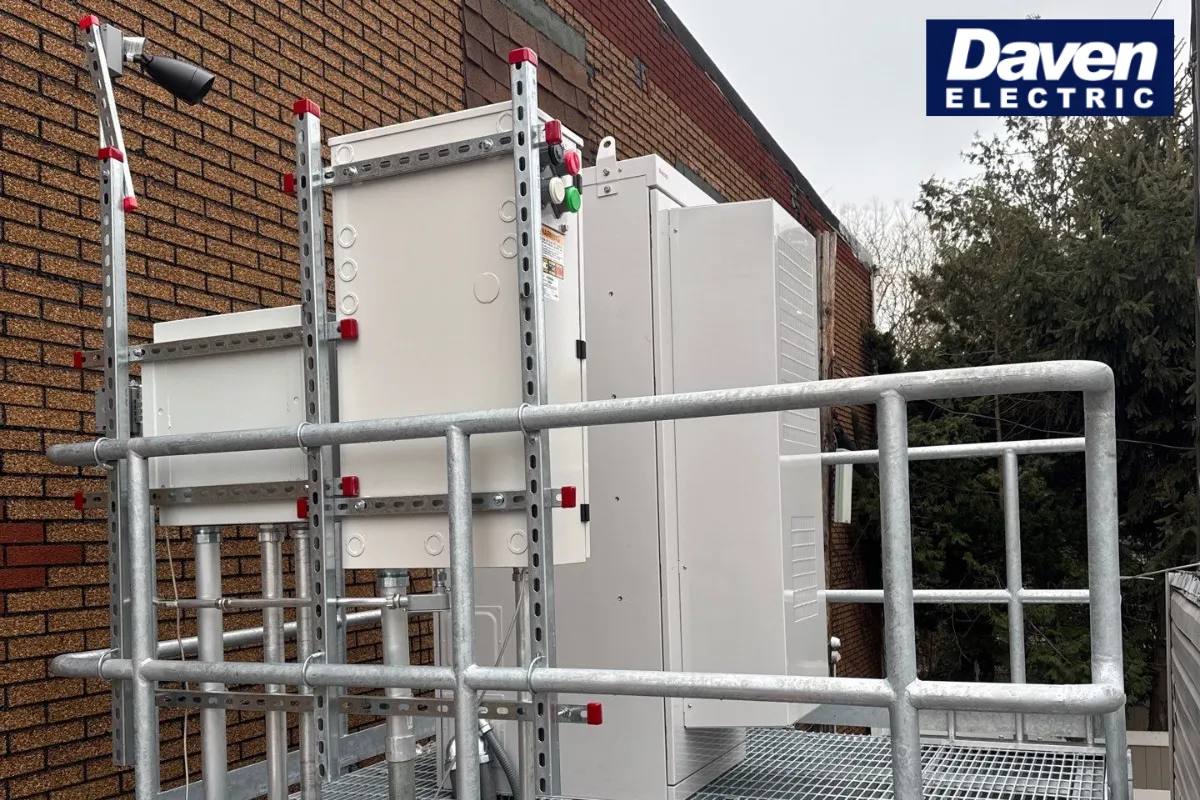
A well-managed electrical system protects your facility from costly breakdowns and keeps everyone safe. By scheduling regular inspections, addressing potential issues early, and partnering with Professional electricians, you can ensure your building stays powered and productive.
Facility managers play a key role in recognizing safety concerns, promoting electrical safety compliance, and maintaining equipment. Whether you need a quick fix, a system upgrade, or just better training for your team, always choose a Commercial Electrician or Commercial Electrical Contractor who understands your needs.
Need help getting started? Make safety your top priority today—your building (and your budget) will thank you.
Manhattan Commercial Electrician – Daven Electric Corp.
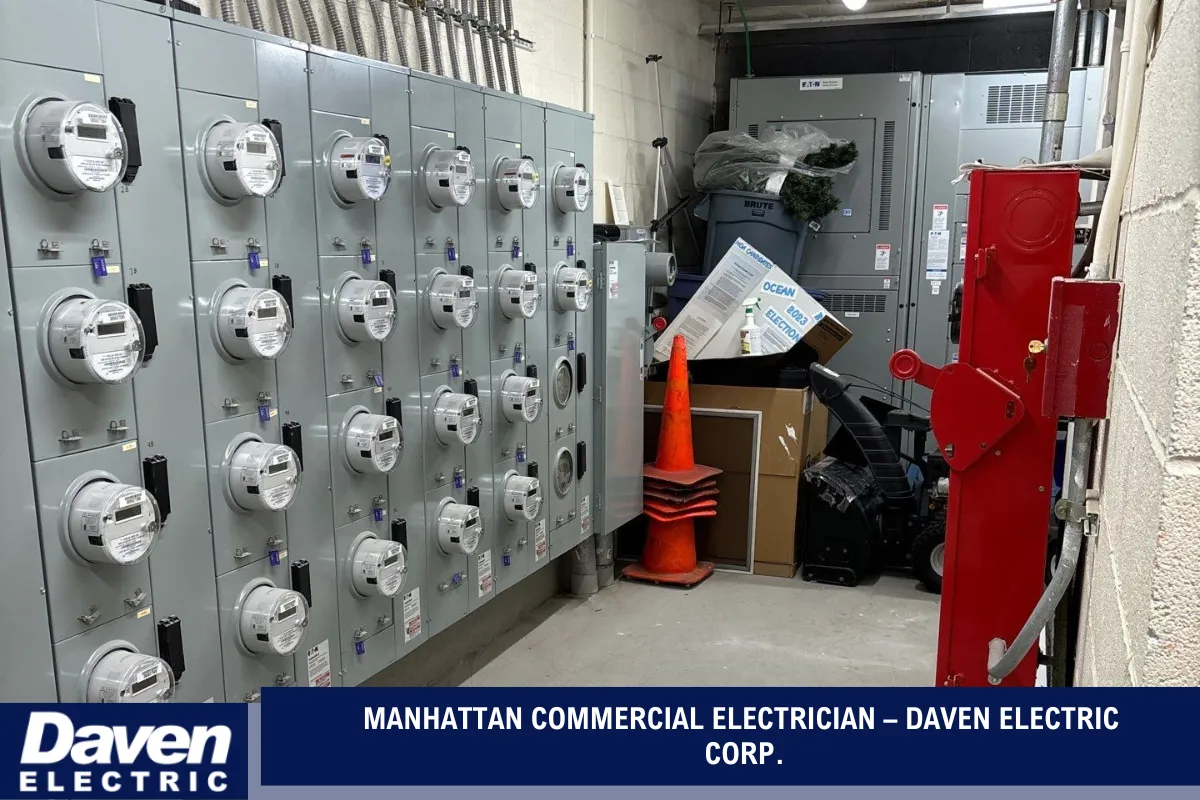
When it comes to commercial electrical services in Manhattan, Daven Electric Corp. is your go-to partner for fast, reliable, and professional solutions. Based in Brooklyn and proudly serving the entire Manhattan area, we specialize in electrical troubleshooting, installations, and upgrades tailored to the needs of facility managers and building owners. Whether you’re dealing with overloaded circuits, frequent power outages, or need a full system upgrade, our team of licensed electricians delivers top-quality service with unmatched expertise.
We work with electrical systems of all sizes—offices, retail, industrial spaces, and more. Don’t risk your operation or safety—call Daven Electric Corp. at (212) 390-1106 or fill out our easy contact form today. Trust our experienced team to help prevent downtime, meet electrical safety compliance, and keep your business powered safely and efficiently. Let’s troubleshoot your electrical challenges—professionally.
FAQ: Electrical Maintenance & Safety in Commercial Facilities
What are the signs of serious electrical issues in a commercial facility?
Detecting serious electrical issues early helps avoid costly repairs, property damage, and risks to employees. Some signs are subtle, but all are warning signals.
Look for the following:
- Frequent tripping of circuit breakers or power outages.
- Frayed wires, visible damage, or burn marks on electrical panels.
- Buzzing or unusual sounds near outlets or electrical components.
- Loose connection or faulty connection in distribution panels.
- Dim or flickering lights, especially if a light bulb is new.
- Odors like burning plastic from any electrical source.
- Sudden cold spots not matching actual room temperatures.
These potential hazards can disrupt business operations. Ignoring underlying issues may lead to serious electrical failures, violating building codes and electrical codes.
How can facility managers prioritize electrical maintenance tasks?
Commercial property managers must approach maintenance with proactive measures for efficient operation and regulatory compliance. Use a structured method:
- Identify minor issues and assess potential hazards.
- Rank by impact on business operations, safety, and cost.
- Schedule preventative maintenance to reduce downtime.
- Align with industry standards and safety regulations.
Use these guidelines:
- Start with electrical panels and electrical connections.
- Monitor electrical appliances and electronic device performance.
- Implement a tracking system for ongoing maintenance.
- Update older systems to energy-efficient solutions or renewable energy sources like solar panels.
This proactive step gives business owners peace of mind while ensuring uninterrupted operation.
What tools should every facility maintenance team have?
Equipping teams with the right tools ensures Professional troubleshooting and adherence to industry standards. Essential tools include:
- Quality meters to measure AC voltage and resistance.
- Infrared thermometers for temperature measurements and detecting cold spots.
- A troubleshooting book for electrical components and system flow.
- Circuit testers for loose components and faulty connection checks.
- Clamp meters to track current at any electrical source.
- Insulation testers for spotting subtle sign of breakdown.
These tools help identify underlying issues and reduce risks to employees, especially in industrial settings and manufacturing facilities.
How often should a facility schedule electrical inspections?
Electrical inspections are a proactive step to identify potential hazards and maintain regulatory compliance. Frequency depends on the setting:
- Commercial facility: Every 1–3 years, per current standards.
- Industrial facilities: Annually due to high usage and complex electrical grid.
- After any renovation or major equipment change.
- After lightning strikes or signs of electrical shocks.
Regular checks prevent electrical failures and improve the environment for employees. Inspect electrical panels, voltage source, and distribution panels for visual signs or loose connection.
Can facility managers troubleshoot PLCs or automation systems?
Yes, with the right training, they can handle structured steps in troubleshooting electrical components and automation systems. Key requirements include:
- Familiarity with troubleshooting book procedures.
- Understanding AC voltage, inputs, and outputs from the electrical source.
- Ability to detect electrical hazards and respond to alarms.
- Training in Professional troubleshooting tools and software.
For accurate estimates and faster diagnosis, collaborate with vendors or seek expert solutions when facing complex failures. Automation is crucial in manufacturing facilities, so even minor issues need prompt attention.
What should be included in an electrical SOP for facility teams?
An effective SOP (Standard Operating Procedure) ensures safe operation and ongoing maintenance across a commercial space. Include:
- Daily, weekly, and monthly checklists.
- Inspection points: electrical panels, electrical connections, and electronic device usage.
- Response protocols for electrical shocks, electric shock, or visible damage.
- Documentation process for tracking issues and accurate estimates.
- Maintenance cycles for renewable energy sources like solar panels.
- Safety rules per building codes and electrical codes.
- Guidelines for energy-efficient solutions and backup plans.
For building owners and business owners, a clear SOP reinforces peace of mind and ensures the vital role of maintenance is fulfilled with expert solutions.
Read How to Prevent Frequent Electrical Repairs in Commercial Spaces