Hiring a Brooklyn electrician for a property inspection sounds straightforward, but the moment you start calling around for quotes, the pricing confusion hits fast. One company says $175, another says $400, and a third wants to charge by the hour with a hefty minimum. Without knowing what drives these numbers, you could easily overpay or, worse, hire someone cutting corners to offer a bargain. Home electrical systems cause around 31,000 fires each year in the United States, and a proper inspection is one of the most effective ways to catch problems before they become catastrophic. This guide breaks down exactly what Brooklyn property owners can expect to pay in 2026, what factors affect the final bill, and how to make sure the money you spend actually protects your home or business.
Key Takeaways
- Most Brooklyn electrical inspections by a licensed professional typically run between $175 and $450 for a standard one-to-three-bedroom apartment or small home in 2026.
- Price changes with home size, age of wiring, panel accessibility, and whether the property is residential or commercial.
- NYC Electrical Code requirements, permit status, and whether the inspection is for a pre-sale, insurance, or renovation project all impact cost.
- Choosing a trusted electrician in Brooklyn helps avoid failed final inspections, fines, and problems with homeowners insurance or property sales.
- Inspection-only visits do not include repairs; corrective work is quoted separately if issues are found.
Brooklyn Electrical Inspection Costs in 2026: Quick Answer
A Brooklyn electrician typically charges between $150 and $450 for a standard electrical inspection, though the exact number depends on your property type, its age, and the scope of work involved. Electrical inspections cost between $100 and $500 on average across the broader market, but Brooklyn pricing tends to land in the mid-to-upper end of that range because of NYC labor rates, strict code enforcement, and the logistical challenges unique to the borough.
Here is what you can generally expect to pay in 2026:
- A studio or one-bedroom Brooklyn apartment with relatively modern wiring runs about $175 to $275 for a basic safety check. A basic electrical inspection in Brooklyn typically starts between $100 and $200 for the simplest scenarios.
- A two-to-three-bedroom attached home or brownstone floor-through usually falls around $225 to $375, reflecting additional inspection time for more circuits, panels, and potential legacy wiring.
- A larger multi-story brownstone or two-family house often costs roughly $300 to $450 for a comprehensive inspection of all accessible electrical systems.
- Complex mixed-use or commercial spaces in Brooklyn frequently run $400 to $900 or more, depending on square footage, load complexity, and the number of systems inspected.
General electrical inspections nationally range from $110 to $175, but Brooklyn prices reflect the reality of higher overhead. In Brooklyn, the cost of a residential electrical inspection generally ranges from $150 to $350 depending on building specifics. Service call fees for most licensed professionals typically range from $99 to $159 before any diagnostic or inspection work even begins. Many charge either a flat fee for a predefined inspection scope or an hourly rate in the $190 to $260 per hour range for a Licensed Master Electrician, usually with a minimum visit charge of one hour.
Home inspection costs that bundle electrical review with structural, plumbing, and other systems can reach up to $500, but a standalone electrical-only inspection is typically less. Keep in mind that inspection-only visits do not include repair work. If potential issues surface during the review, the electrician provides a separate quote for corrective action.
How Brooklyn Electrical Inspection Pricing Is Calculated
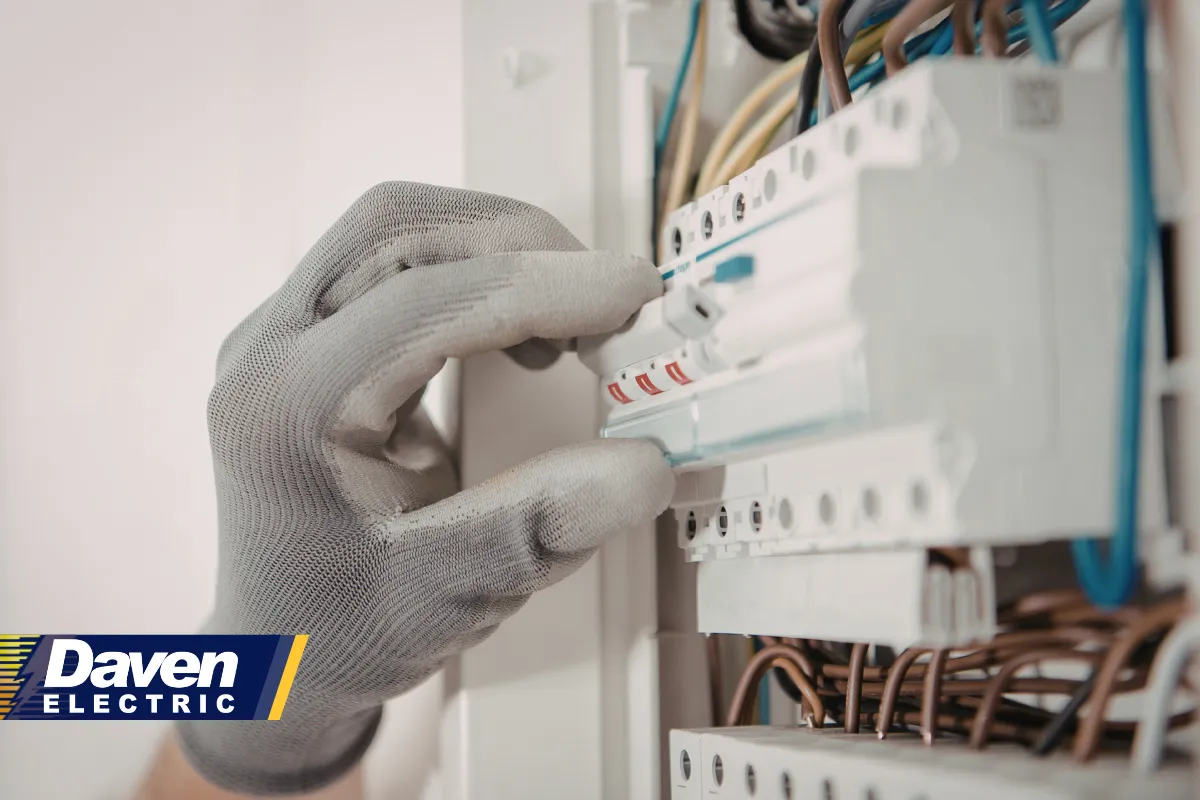
The cost of an electrical inspection in Brooklyn is driven by three core components: time spent on site, report preparation, and regulatory complexity. Electrical inspection costs are influenced by the scope of work required and the specific property characteristics of your building. The cost can vary based on the complexity of the inspection itself.
Most Brooklyn electrical contractors use one of three pricing structures:
- Flat fee for a predefined scope. This is common for pre-sale, insurance, or basic safety checks. The electrician knows the building type in advance and prices accordingly.
- Hourly billing with a minimum charge. This model works well for small commercial spaces, unusual layouts, or situations where the scope is unclear until the inspector arrives.
- Hybrid pricing with a base fee plus add-ons. The base covers a standard walkthrough, while extras like thermal imaging, after-hours scheduling, or rush service carry surcharges.
A professional electrician estimates time based on the age and size of the property, the number of electrical panels and subpanels, and whether prior documentation or as-built drawings exist. Licensed master electricians in Brooklyn must follow NYC Department of Buildings procedures and the NYC Electrical Code, which often demands more thorough verification than less regulated areas.
Inspections connected to open permits, legalization of unpermitted work, or failed DOB reviews are priced higher because of additional paperwork and coordination. Only licensed electricians can file and close electrical permits in New York City, which is a significant part of what you are paying for. Some residential electrician teams offer discounted inspection pricing when booked alongside planned upgrade work, while stand-alone one-time inspections carry the full rate.
Main Cost Factors for a Brooklyn Electrical Inspection
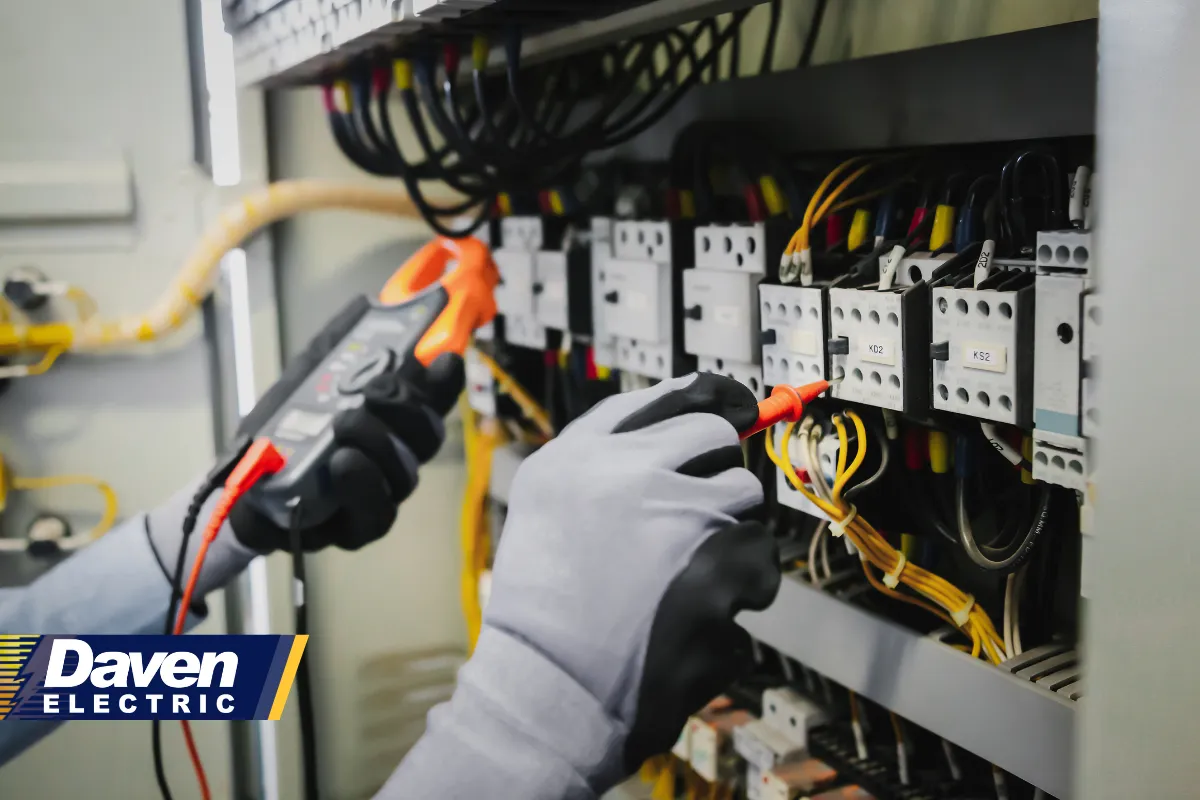
No two Brooklyn homes or buildings are identical. Several factors directly influence the final price, and understanding them helps you anticipate what your quote will look like.
Home size and layout play the biggest role. Larger homes take longer to inspect, increasing costs proportionally. More square footage means more rooms, more outlets, more circuits, and potentially multiple stories or dwelling units to evaluate.
Age of the building matters just as much. Older homes often require more extensive inspections. Brooklyn is packed with pre-war brownstones and pre-1960 row houses that still have legacy cloth-insulated wiring, knob-and-tube runs, or outdated fuse panels. Older homes may incur higher inspection costs simply because there are more issues to document and assess. Factors influencing the inspection price include the age of the property and the overall home size.
Accessibility of electrical panels can increase the cost of inspections significantly. If electrical panels are hard to access, whether behind finished walls, inside locked mechanical rooms, or buried behind storage in a basement, the inspection may take longer. Inspection costs can also rise due to difficult access to wiring hidden in walls or ceilings.
The type of panel and electrical service also matters. A 60-amp legacy service with a fuse box takes a different kind of evaluation than a modern 200-amp circuit breaker panel with clearly labeled circuits. More complex setups with subpanels, three-phase power, or emergency backup systems require additional testing time and expertise.
Travel distance can increase inspection fees significantly in a borough where parking alone can eat 30 minutes. Occupied versus vacant properties also affect pricing. Fully furnished spaces require more care when moving items and coordinating power shutdowns.
Special equipment like infrared cameras or circuit analyzers adds a surcharge but delivers a more detailed inspection report. Brooklyn co-ops and condos may have added coordination with building management, which can affect scheduling and sometimes bump up the cost.
Residential vs. Commercial Electrical Inspection Costs in Brooklyn
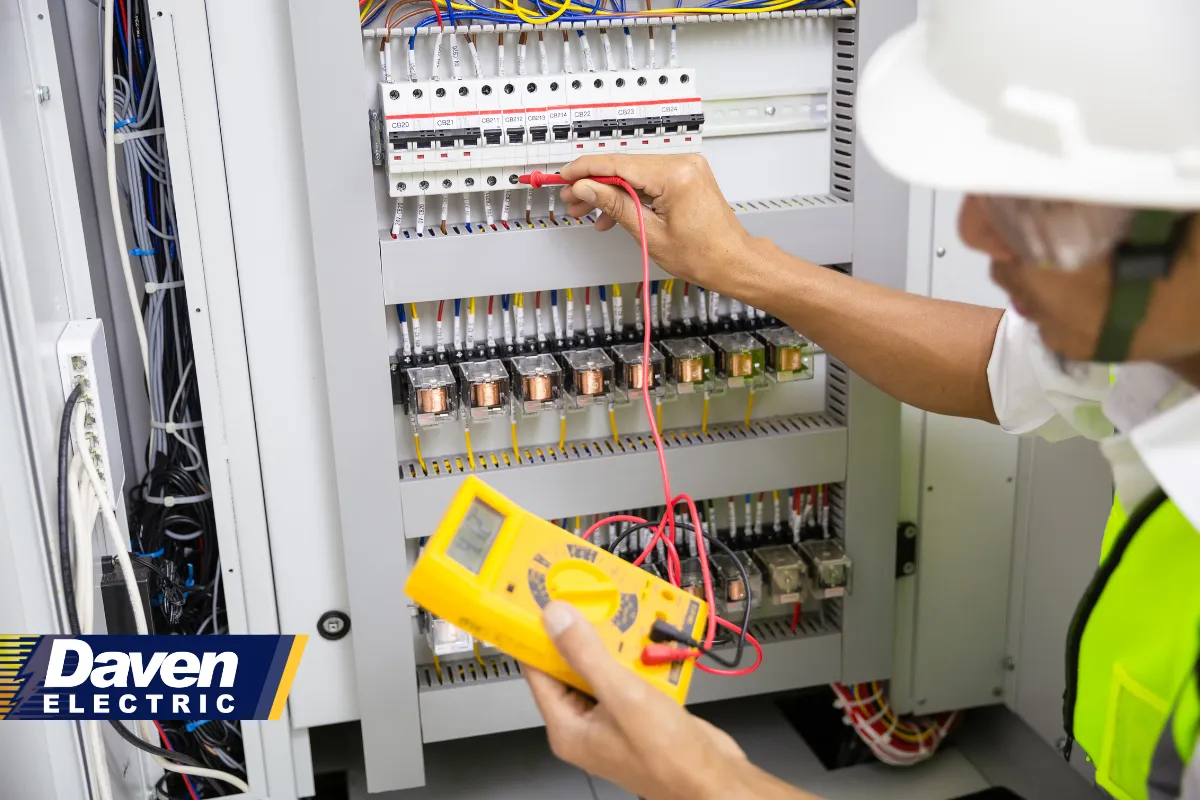
The difference between a residential and commercial inspection in Brooklyn comes down to system complexity and regulatory depth.
For residential properties, Brooklyn apartments, townhouses, and small multi-family buildings usually fall in the $175 to $450 range depending on size and age. Inspections for real estate transactions generally require more documentation than routine safety checks, which can push costs toward the higher end.
For commercial spaces, specialized inspections for commercial properties can exceed $300 to $800 or more. Small storefronts, restaurants, and offices demand longer on-site time because of additional code requirements for egress lighting, emergency circuits, signage, and heavy equipment loads. An experienced electrician reviewing a commercial kitchen must evaluate three-phase service connections, refrigeration circuits, ventilation wiring, and fire suppression system integration.
Commercial electrical service inspections also involve coordination with business hours. Evening or weekend visits to avoid revenue loss for the tenant carry a scheduling premium. Landlords with mixed-use buildings often combine residential and commercial scopes in a single visit at a bundled price.
Insurance carriers for commercial spaces frequently request more detailed inspection documentation and sometimes require yearly re-inspections. That ongoing requirement should be reflected in any long-term budgeting.
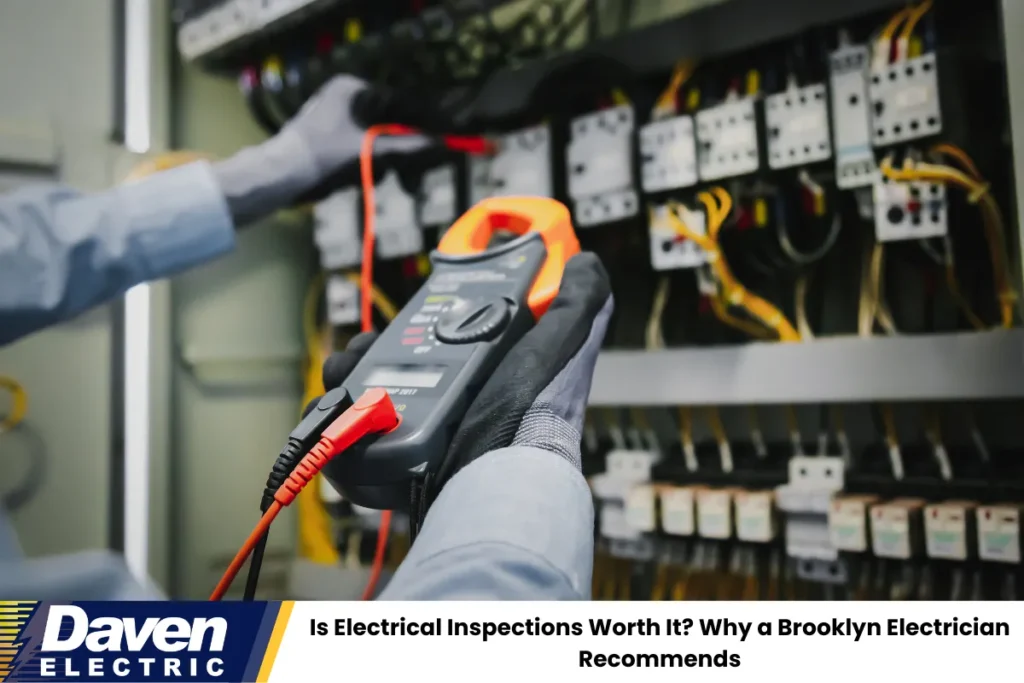
Read Is Electrical Inspections Worth It? Why a Brooklyn Electrician Recommends
What Happens During a Brooklyn Electrical Inspection
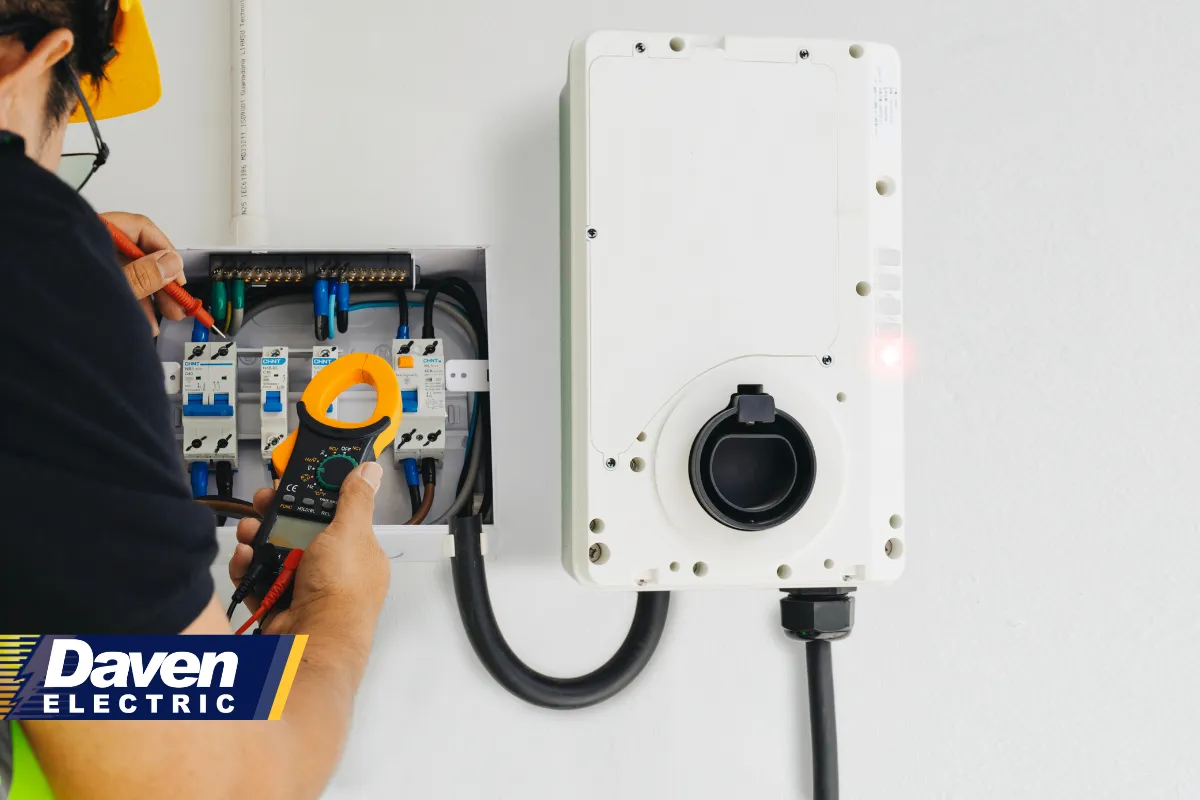
Understanding what the electrical inspector actually does helps justify the cost. A home electrical inspection is not just a quick glance at your panel.
The process typically follows this sequence:
- Pre-visit questions about the property, its age, recent renovations, and any known problems like tripping breakers or flickering lights.
- On-site visual review of the main service entrance, meter, main panel, subpanels, grounding, and bonding connections.
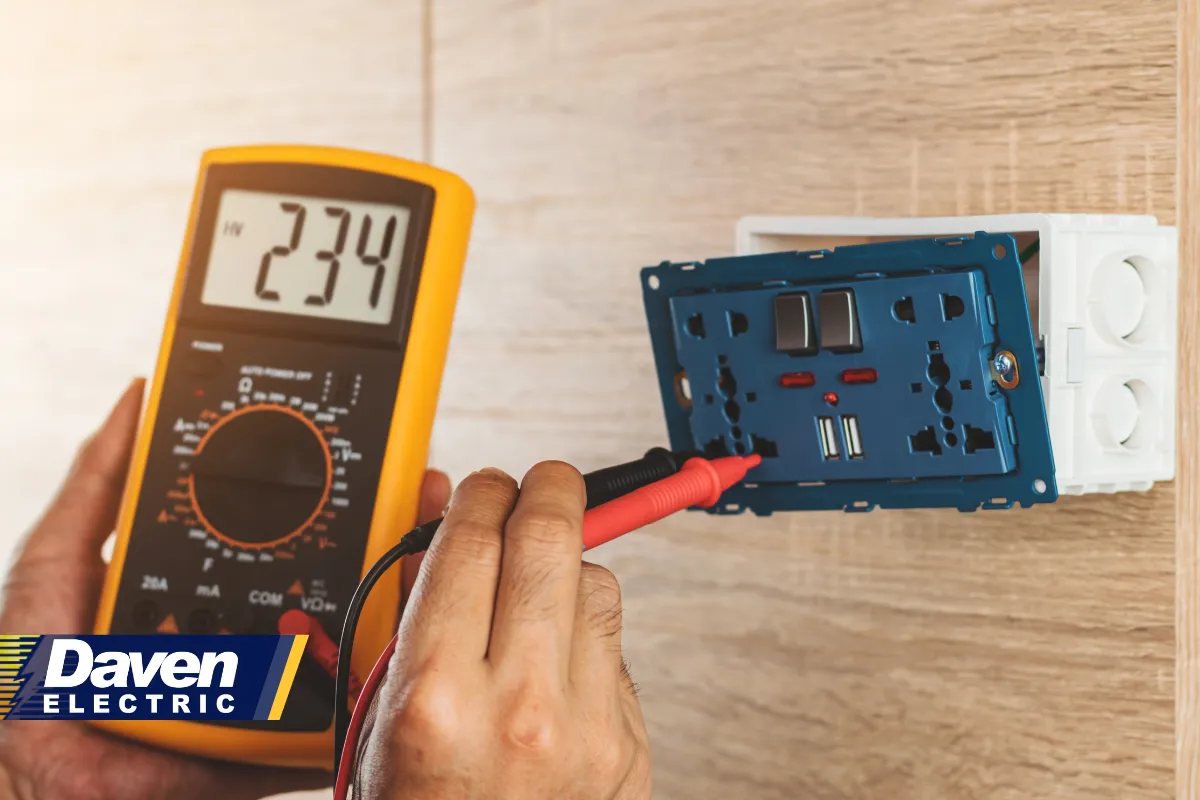
- Testing of receptacles, GFCI and AFCI devices, and lighting circuits. Depending on the scope, the inspector may test every outlet or a representative sampling.
- Review of visible wiring in basements, utility rooms, and accessible attics for damage, improper splices, insulation deterioration, and code violations.
- Checking smoke detectors, carbon monoxide detectors, and interconnection systems where applicable.
For new construction or major renovation work in Brooklyn, there are typically two stages. Rough-in inspections occur before walls are closed during new constructions, allowing the inspector to verify wire routing and box placement. The final inspection then ensures all circuits, fixtures, and appliances are installed correctly and the system is safe for energizing.
After completing the on-site work, the Brooklyn electrician prepares a written inspection report outlining conditions found, code issues, safety concerns, and recommended corrective work. The detail level of this report varies by provider and purpose, but it serves as the official record of the home’s electrical system condition.
Inspection Types: Safety, Code Compliance, Insurance, and Real Estate
Not every electrical inspection has the same purpose, and the reason you call an electrical contractor in Brooklyn can affect both the scope and the price. There are different types of inspections to be aware of.
A basic safety inspection is a focused check for overheating, loose connections, damaged wiring, and obvious hazards. This is usually mid-range in cost and often requested by cautious homeowners in older buildings who want peace of mind. General electrical inspections in this category typically range from $110 to $175 nationally, though Brooklyn pricing sits higher.
A code compliance inspection is a detailed review against the current NYC Electrical Code and the national electrical code. This type is common before filing for work permits or after unpermitted work is discovered. Code compliance inspections can sometimes be free or cost up to $100 when handled by municipal authorities, but private reviews by a licensed professional electrician tend to cost more due to the depth of analysis.
A real estate or pre-purchase inspection is usually coordinated with a broader home inspection package when buying property. Home inspections covering multiple systems range from $200 to $500, and a dedicated electrical add-on provides focused detail on wiring, panels, and electrical components that a generalist inspector might not catch. DIY electrical inspections can miss critical hazards and risks, which is why lenders and attorneys often prefer specialist reports.
Homeowners insurance inspections are requested by an insurance company after claims, policy changes, or when insuring an older home. These may require photographs, formal documentation, and a detailed report. Insurance claims may be denied for uninspected electrical work, making this investment worthwhile.
Post-renovation or final inspection work is used to close permits and ensure new electrical work passes DOB or third-party standards. Infrared inspections are sometimes offered as an add-on at extra charge for troubleshooting hidden hot spots behind walls, providing a more comprehensive inspection without opening finishes.
Electrical inspections must follow the National Electrical Code as a baseline, with NYC adding its own amendments that often go further.
How Often Brooklyn Homes and Businesses Should Be Inspected
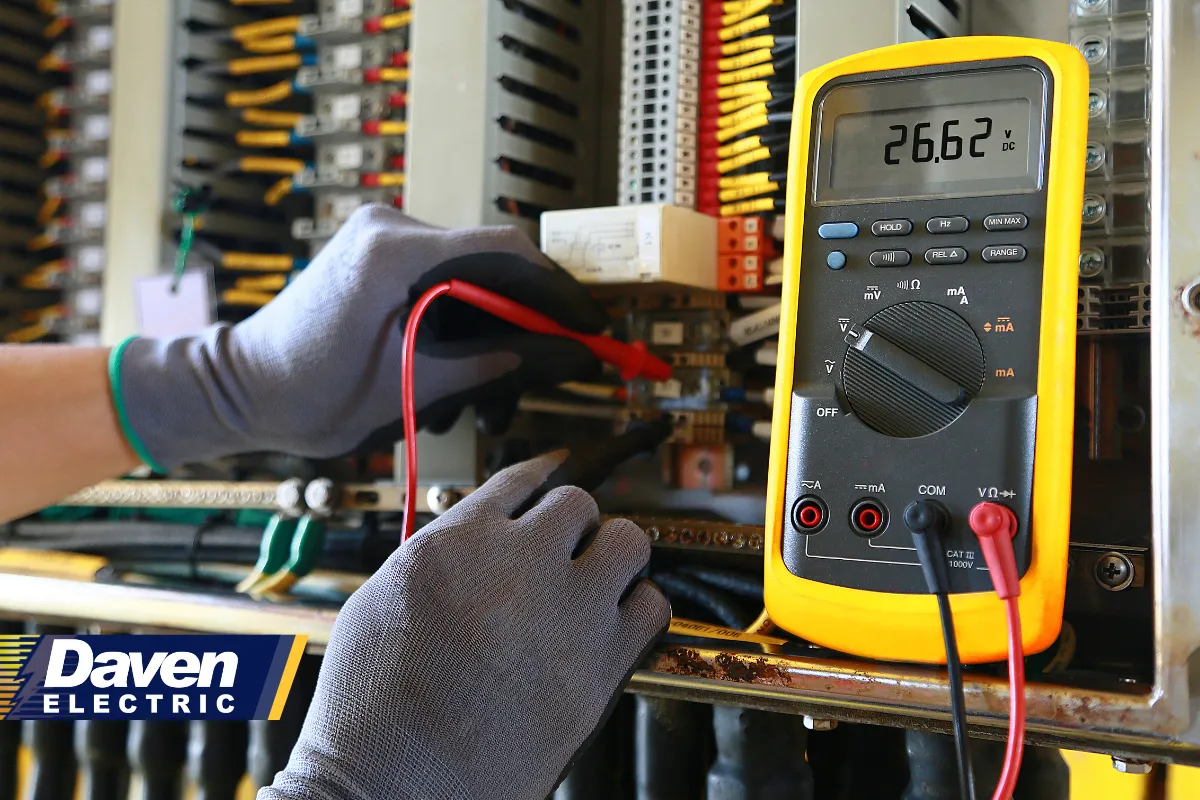
Inspection frequency depends on building age, usage patterns, and any history of electrical problems. Electrical systems can become non-compliant without regular inspections, especially as code standards evolve over time.
For newer residential construction built after roughly 2010, a full home electrical inspection every 10 years is generally sufficient, with interim checks if renovations or additions are made. Safety inspections are recommended every three to five years for newer homes.
Standard Brooklyn residential buildings between 25 and 50 years old benefit from a safety inspection every three to five years, especially if original wiring or older panels remain in place. Neglecting inspections increases costs over time because code updates may require more extensive corrections the longer they go unaddressed.
For very old or landmark homes, particularly pre-war brownstones and pre-1960 stock, regular electrical inspections every two to three years are prudent. Warning signs like frequent breaker trips, buzzing sounds from the panel, warm outlets, or burning smells warrant an immediate call regardless of schedule. Ignoring inspections can lead to electrical fires, a risk that is especially elevated in older home stock with aging insulation and deteriorating connections.
Commercial spaces have tighter expectations. Many insurers and risk managers recommend annual or biannual inspections for restaurants, bars, and high-load retail spaces. Licensed electricians ensure compliance with local safety standards during these reviews, which also protect against liability.
Adding large new appliances, EV chargers, or HVAC equipment to any Brooklyn property is a good occasion to have the system checked and load calculations reviewed by a qualified inspector.
Budgeting for Repairs After the Inspection
The inspection itself is only the first step. If electrical issues are found, repair costs can be significantly higher than the inspection fee. Understanding approximate repair ranges helps you plan ahead.
Here are typical 2026 Brooklyn ballpark figures for common electrical work:
- Replacing a standard receptacle or switch often runs $125 to $250 per device when done as a small stand-alone job in NYC.
- Upgrading a small panel, such as replacing a 60-amp fuse box with a modern circuit breaker panel, potentially costs $1,200 to $3,000 depending on capacity and site conditions.
- A full service upgrade on a Brooklyn brownstone to 200 amps with a new panel and meter work frequently runs $3,000 to $7,000 or more depending on complexity and coordination with the utility provider.
- Rewiring portions of an older home carries per-room or per-foot pricing that can quickly reach several thousand dollars for larger projects. When ground wiring is missing or outdated conductors need to be replaced, costs climb accordingly.
- Electrical permit remediation costs in Brooklyn range from $1,500 to $20,000 when legalizing previously unpermitted work, and open electrical permits can result in fines and delays during property transactions.
A good electrical contractor will present a prioritized list after the inspection: urgent safety hazards first, then recommended upgrades. This lets homeowners phase work to match their budgets rather than facing one overwhelming bill. Completing repairs promptly helps with homeowners insurance coverage, resale value, and avoiding a failed final inspection that could stall a renovation or sale.
Every repair and upgrade should be performed by a licensed professional to ensure the work is code-compliant and properly permitted. The cost to hire the right person is always less than the cost of fixing problems caused by cutting corners.
Brooklyn Electrician – Daven Electric Corp.
We are Daven Electric Corp., a licensed Brooklyn electrician serving homes, apartments, and businesses throughout Brooklyn, New York. Our team handles residential and commercial electrical inspections with full knowledge of current NYC Electrical Code requirements and DOB filing procedures.
We provide clear, upfront pricing for every inspection. Before we arrive, you know exactly what is included. After the visit, we walk you through every finding in the inspection report, explaining what needs attention now and what can wait. Whether you are preparing for a property sale, satisfying an insurance company request, or simply want to know your home’s electrical system is safe, we deliver thorough, honest assessments.
We coordinate with building management, work around tenant schedules, and respect your time. Our goal is to minimize disruption during both the inspection and any follow-up electrical work.
Call us at (212) 390-1106 or fill out our contact form to schedule an inspection or request a detailed quote for your Brooklyn property.
Frequently Asked Questions
Do I Need to Be Home During an Electrical Inspection in Brooklyn?
It is strongly recommended that the owner or a responsible adult be on-site during the inspection. The electrician may need access to every room, closets housing electrical panels, basements, and sometimes the roof or mechanical spaces. In Brooklyn apartments and multi-family buildings, access to shared areas often requires building staff, and your presence helps coordinate quickly. If you cannot attend, arrange keys, fobs, and management permissions well in advance to avoid extra trip charges. Being there also lets you point out specific concerns, such as flickering lights, previous water damage near electrical elements, or outlets that feel warm to the touch, giving the inspector valuable context.
Can an Electrical Inspection Replace a Full Home Inspection When Buying in Brooklyn?
No. An electrical inspection focuses exclusively on wiring, panels, circuits, grounding, and related systems. A full home inspection covers structure, the roof, plumbing, HVAC, and much more. Many Brooklyn buyers use both: a general home inspection for the big picture and a dedicated electrical review for older or heavily renovated properties where the electrical components deserve closer scrutiny. Lenders and real estate attorneys sometimes prefer separate specialist reports when there are known concerns or open permits on record. Full home inspections provide breadth, while a focused electrical review provides depth. Discuss the scope with your real estate team to determine if both reports are needed for a new home purchase.
Will an Electrical Inspection in Brooklyn Include Opening Walls or Ceilings?
Standard non-invasive inspections are visual and rely on accessible panels, outlets, and fixtures without cutting into finished surfaces. If hidden problems are suspected after water damage or in very old wiring, the electrician may recommend limited exploratory openings as a separate, agreed-upon task quoted independently. Thermal imaging or specialized load testing can sometimes identify hot spots or overloaded conductors without opening finishes, though these add-ons carry an extra fee. Any destructive access work should be authorized in writing, with a clear understanding of who handles patching and restoration afterward. This protects both you and the contractor from disputes about the property condition.
Does a Clean Electrical Inspection Guarantee My Brooklyn Home Meets All Current Code?
An inspection significantly reduces risk but is limited by access, visibility, and the agreed scope. It cannot serve as an absolute guarantee that every hidden condition meets the current NYC Electrical Code. The inspector evaluates accessible areas, main circuitry, and known high-risk points, and will flag anything needing further investigation. Code is periodically updated, and a system can be safe yet grandfathered under older standards. The inspector should explain this distinction in the report. Keep all reports and repair invoices as documentation for future sales, insurance questions, and any location-specific compliance reviews. This paper trail protects your investment over time.
How Far in Advance Should I Schedule a Brooklyn Electrical Inspection?
For routine inspections, schedule one to two weeks in advance, especially during busy seasons like spring and early fall when the real estate market drives high demand. For time-sensitive situations, such as approaching closing dates, looming DOB re-inspection deadlines, or urgent power problems, many electricians can accommodate rush appointments, sometimes at a premium rate. Coordinating with building management, tenants, or commercial operating hours may require more lead time. Do not wait until the final days before a closing or permit deadline, because follow-up repairs can take additional time to complete and re-inspect. Planning ahead keeps fees lower and gives you room to pay for any corrective work without pressure.
Important Note on Codes, Safety, and Pricing
All pricing figures in this article are approximate 2026 Brooklyn ranges and should not be treated as formal quotes. NYC Electrical Code, DOB rules, and permit fees can change, and actual costs vary depending on your specific property and its condition. Consult a licensed electrical contractor in Brooklyn for project-specific pricing, accurate code interpretations, and current permit requirements before making decisions. Unlicensed work or skipped inspections create safety hazards, insurance complications, and legal liability under New York City regulations. Always verify that any professional you hire holds a current NYC license and adequate insurance coverage for the work being performed.
Read DIY vs. Pro: When to Call a Brooklyn Electrician for Ceiling Fan Installation