Every year, a Brooklyn electrician walks into apartments and brownstones to find ceiling fans hanging from boxes that were never meant to hold them. Improper ceiling fan installation can create severe safety hazards that go unnoticed for months, silently loosening above dining tables, cribs, and living room couches. The risk is real, and it is absolutely preventable. The problem is that many homeowners assume any electrical box in the ceiling can support a fan. That assumption is wrong, and it is dangerous. By the time a wobble appears or plaster starts cracking, the mounting box may already be on the verge of failure. The solution is straightforward: use the right support, follow the code, and hire a qualified professional who understands Brooklyn’s unique building stock.
Key Takeaways
- The number one ceiling fan installation mistake in Brooklyn is mounting a fan to a non rated box or weak ceiling support instead of a properly secured, fan rated electrical box.
- This single error can cause wobbling, ceiling damage, electrical fires, or the entire fan crashing down onto people or furniture below.
- A licensed electrician checks the junction box, joists, and wiring to confirm the fan is installed correctly and installed safely before the blades ever spin.
- Many homeowners in Brooklyn apartments and brownstones unknowingly have outdated light fixture boxes that cannot handle the weight and vibration of modern ceiling fans.
- Keep reading to learn exactly how to avoid this dangerous mistake and protect your home’s comfort, your family, and your property.
Why One Mounting Mistake Terrifies Every Brooklyn Electrician
Most electrical issues behind ceiling fans trace back to one root cause. The fan gets bolted to a standard light fixture box or a flimsy bracket that was never designed for rotating weight. Vibration does the rest. Here is why this matters so much in Brooklyn:
- The most common ceiling fan installation mistake is using a standard electrical box that was originally installed for a simple light bulb or pendant. Using the wrong electrical box can cause excessive wobbling and noise, and using a standard electrical box can create safety risks that compound over time.
- Ceiling fans typically weigh between 35 to 70 lbs when you factor in the motor housing, blades, and light kits. Many older electrical boxes cannot support the additional weight and movement of a ceiling fan, especially under dynamic forces from spinning blades.
- Brooklyn’s building stock amplifies the problem. Lath-and-plaster ceilings in pre-war brownstones crack more easily than modern drywall. Previous renovations and DIY work done over decades may have left loose wiring, inadequate support, or concealed damage behind paint and plaster.
- A ceiling fan generates continuous downward and lateral force during operation, meaning even a box that feels solid on day one will gradually loosen under months of vibration.
- Small mistakes during installation lead to poor performance and safety issues that worsen quietly until the ceiling structure around the mounting box fails.
- The solution is to always use a UL-listed, fan rated box and secure mounting tied into structural framing or a proper brace. A qualified electrical contractor understands how to evaluate the ceiling, select the correct hardware, and ensure smooth operation for years.
How Ceiling Fan Support Is Supposed to Work (and Why Light Boxes Fail)
Understanding the difference between a light fixture box and a fan rated support is the key to avoiding this mistake. The concepts are simple, even if the consequences of getting it wrong are serious.
- A standard light fixture box is typically thin plastic or lightweight metal, attached to drywall or lath with small screws. It was engineered for a static load of a few pounds, like a pendant or flush-mount light. It was never tested for lateral motion, torque, or vibration.
- Fans require specialized, reinforced boxes to handle weight and vibration. A fan rated electrical box is UL-listed for fan support and must be either mounted directly to a ceiling joist or secured with an adjustable brace bar spanning between joists. Electrical boxes should be securely fastened to a ceiling joist or support brace to resist the dynamic forces a fan creates.
- Ceiling fans require a UL-listed fan-rated box for safe installation. Under current code, boxes supporting fans over 35 pounds must clearly display the maximum weight they can hold. Ceiling fans require support anchored to a joist or brace, and there is no safe workaround.
- Vibration from spinning blades slowly loosens screws and weakens plaster or drywall around a non rated box. Even if the mount seems tight at first, loose screws develop over weeks and months. The result is a subtle wobble, clicking sounds, hairline cracks around the canopy, or a fan that slowly tilts away from the ceiling.
- In many Brooklyn apartments, the original box was sized for a simple light bulb in the 1950s and was never upgraded for the weight of modern ceiling fans. Proper secure mounting is equally critical for commercial spaces like restaurants, studios, and offices where fans run long hours every day and face sustained stress on the mount.
Read DIY vs. Pro: When to Call a Brooklyn Electrician for Ceiling Fan Installation
Brooklyn Codes, Permits, and Safety Rules You Can’t Ignore
New York City’s electrical rules exist to prevent shocks, fires, and falling fixtures. Ignoring electrical safety checks can lead to fire hazards, and improper installation can lead to electrical fires. Brooklyn property owners need to know what the code requires.
- Ceiling fan installation in Brooklyn must comply with the New York City Electrical Code, which is based on the National Electrical Code with local amendments. The 2025 NYC Electrical Code, effective December 21, 2025, adopted NEC 2020 amendments that specifically address fan support requirements.
- Under NEC Section 314.27(C), any junction box used as the sole support of a ceiling fan must be listed and marked for fan support. Boxes cannot support fans weighing more than 70 pounds. Ensure wiring meets current electrical codes before installation, including proper conductor sizing, grounding, and circuit protection.
- A permit is typically required from the NYC Department of Buildings when electrical work involves adding or changing ceiling boxes, structural support, or wiring modifications. A licensed electrical contractor usually handles permits and inspections for clients, saving time and ensuring compliance.
- Unpermitted fan work can complicate insurance claims if a fire or injury occurs and an investigation finds that wiring or mounting did not meet code. Insurance adjusters look for code violations, and denied claims can leave property owners paying out of pocket for extensive repair costs.
- Commercial properties in Brooklyn face stricter enforcement and more frequent inspections. Businesses should always use a licensed commercial electrician for fan and lighting upgrades to avoid violations and maintain security of their electrical systems.
- Homeowners and landlords should ask to see license and insurance information before hiring anyone to perform electrical services inside their building. Cutting corners on credentials puts life and property at risk.
Step-by-Step: How a Brooklyn Electrician Installs a Fan the Right Way
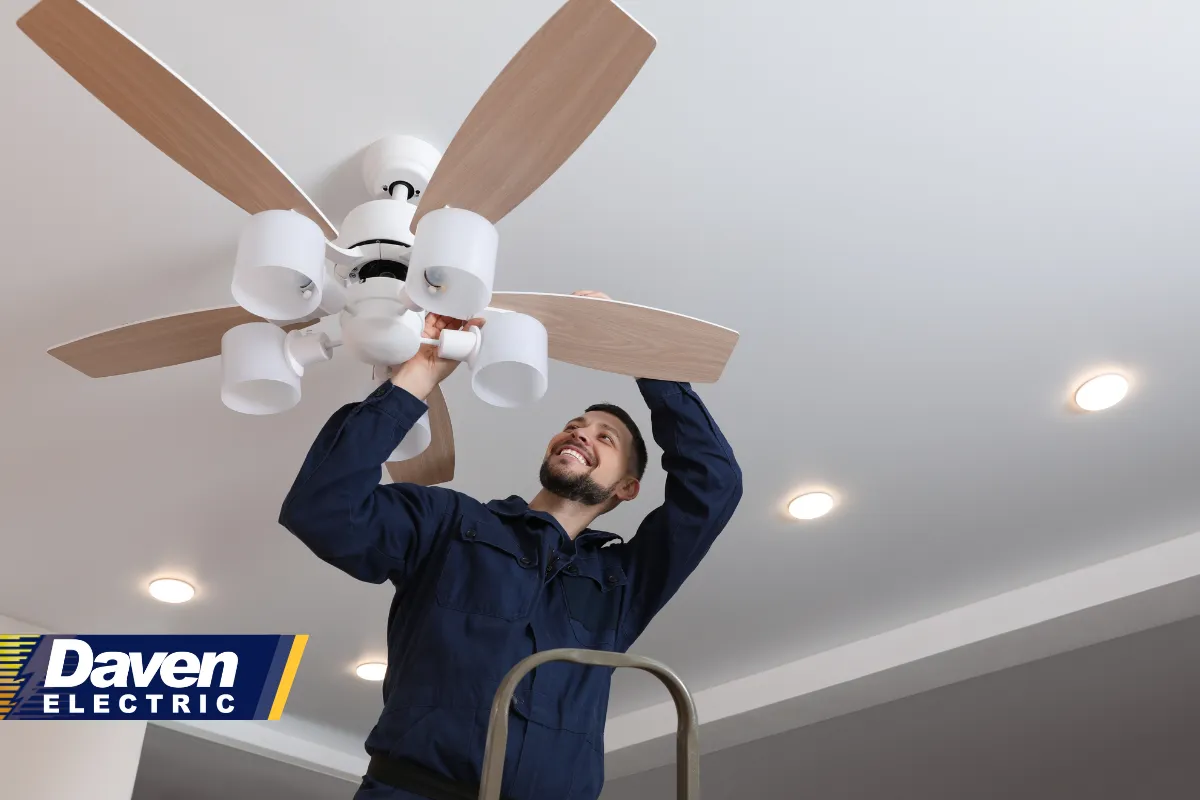
Correct installation is vital for ensuring fan safety and functionality. Here is what the process looks like when a professional handles the job from start to finish.
- The electrician turns off power at the correct breaker and uses a voltage tester to verify the circuit is dead before touching any wiring or hardware. This basic step prevents shocks and protects the entire electrical system.
- A residential electrician inspects the existing box, framing, and ceiling condition. If the current box is a standard light fixture box or shows signs of damage, the electrician will replace it with a fan rated box and proper brace. This evaluation is especially complex in older Brooklyn buildings with layered plaster and uneven joist spacing.
- Installing the fan rated box involves cutting an opening if needed, securing a brace between joists, and fastening the mounting box firmly to the brace per manufacturer instructions. The hardware must resist both the static weight and the dynamic torque a spinning fan produces.
- Wiring follows specific practices: matching conductors by color, using approved wire connectors, securing the ground wire, and following both the fan manual and New York City Electrical Code. Standard residential circuits use 14 AWG copper wire on a 15-amp, 120-volt circuit. If the fan includes a light kit with separate switching, a three-wire cable may be required.
- Fans should be installed at least 7 feet above the floor for proper clearance and air circulation. Hanging a ceiling fan too high or too low limits air circulation and can create discomfort rather than cool relief in the room.
- After mounting, the electrician tightens all screws, checks blade alignment to prevent wobbling and noise, and runs the fan on every speed setting. They confirm safe clearance from walls and beams and test lights for flicker-free operation.
- For commercial installations with high ceilings or multiple fans, additional planning for remote controls, load balancing across circuits, and lift equipment is standard practice. The power demands and run times in commercial settings make expertise in load calculations essential.
DIY vs. Hiring a Pro: When to Call a Brooklyn Electrical Contractor
Some home projects are fine for a weekend warrior. Installing ceiling fans is not always one of them. Here is how to decide when professional advice is worth every dollar.
- DIY is especially risky when the building has old knob-and-tube wiring, aluminum branch circuits, crumbling plaster ceilings, or units that have been renovated multiple times. Each of these conditions makes improper mounting and electrical hazards more likely. Consulting with building management is advisable for older buildings before any work begins.
- A professional electrician brings ladders, safety gear, testing equipment, and knowledge of local codes. This combination greatly reduces the risk of shocks, falls, and long-term damage to the ceiling structure. A licensed electrician ensures compliance with local building codes and catches problems that a homeowner would miss.
- A commercial electrician evaluates panel capacity and circuit loading in offices or retail spaces so fans do not overload existing lighting circuits. Adding a fan to a circuit already near capacity can trip breakers, cause flickering lights, or create heat buildup in the wiring.
- Cost versus value matters. A fan replacement that takes a pro about an hour can take a DIYer all day and still leave hidden electrical issues if the box was not upgraded. Hiring a professional can prevent costly mistakes during installation and the even more expensive repair work that follows a failure.
- Many ceiling fan manufacturers require professional installation for warranty coverage. Insurance adjusters also look for signs of unlicensed work after an incident, which can risk damage to your claim and your wallet.
- If you feel unsure about the box rating, wiring condition, or ceiling strength, stop and schedule electrical services rather than guessing. The stakes are too high for trial and error.
Simple Checks to See if Your Fan Is Installed Correctly
You do not need to be an electrician to spot warning signs. Use this quick checklist to evaluate whether your fan is safe or needs professional attention.
- Turn the fan on high speed and watch for wobble, scraping sounds, or visible movement of the canopy where the fan meets the ceiling. Improperly aligned blades can cause wobbling and noise that signals a deeper problem with the mount or the box.
- Look closely at the ceiling around the fan for gaps, fresh cracks, or paint lines pulling away from the canopy. These patterns may signal that the mounting box is shifting under load.
- With the power off, gently try to rock the fan body side to side. Any play at the box can indicate inadequate support or loose screws that have worked free from vibration.
- Test the wall switch, dimmers, and any remote module for proper function and flicker-free lighting. Flickering lights or buzzing at the switch can indicate wiring problems that need attention.
- Call a brooklyn electrician immediately if you notice burning smells, buzzing at the switch, or tripped breakers after running the fan. These are signs of dangerous conditions that should not wait.
- Ignoring blade balance can lead to wobbling and excessive noise, which shortens the life of the motor and the mount. Even quiet operation depends on the fan being level and properly balanced.
- Document issues with photos and video so an electrical contractor can quickly assess urgency when you contact them to schedule the service visit.
Brooklyn Electrician – Daven Electric Corp.
At Daven Electric Corp., we are a licensed electrician team based in Brooklyn, New York, and we specialize in safe, code-compliant ceiling fan installation for apartments, brownstones, and local businesses. Our team handles a full range of electrical services, from evaluating the existing box to installing a fan rated support, correcting wiring, and testing every speed for quiet operation and customer satisfaction. We serve both residential and commercial clients across Brooklyn, and every job follows the New York City Electrical Code and inspection requirements. Whether you need a single fan mounted or a complete lighting and fan upgrade for your commercial space, our expertise keeps your property safe and cool. Call Daven Electric Corp. at (212) 390-1106 or fill out our online contact form to schedule a free estimate. Do not trust your ceiling fan to guesswork. Let our team ensure smooth, reliable performance that protects the people under your roof.
Frequently Asked Questions
How long does a professional ceiling fan installation typically take?
Most single-fan installations take between one and two hours when the existing wiring and ceiling structure are in good condition. If the electrician needs to replace a non rated box, add blocking or a brace bar, or run new wiring, the job may take closer to three hours. Commercial installations with high ceilings or multiple fans require more time for rigging, load calculations, and testing. The timeline also depends on access. In older Brooklyn buildings where plaster must be carefully opened and repaired, the process takes longer than in a modern drywall ceiling. Ask your electrical contractor for a time estimate during the initial assessment so you can plan accordingly and ensure smooth scheduling.
What should I do if a previous owner installed the ceiling fan and I do not know if the box is fan rated?
If you cannot verify the box rating, treat it as suspect. Look for markings on the box that say “fan support” or display a maximum weight, but in many older Brooklyn apartments these labels have been painted over or were never there. The safest move is to hire a licensed electrician to inspect the mount. They can remove the canopy cover, examine the box type and attachment method, and determine whether it meets current code. Attempting to run a fan on an unknown box puts your home at risk. This is not something to guess about, especially in a building where previous renovations may have introduced hidden electrical issues or weakened the ceiling.
Can I use a ceiling fan with a dimmer switch that was already installed for my light fixture?
Standard dimmer switches designed for lights should not be used to control a ceiling fan motor. Using the wrong dimmer can cause the motor to overheat, create buzzing noise, shorten the fan’s life, and even create a fire hazard. Ceiling fans require a fan-speed controller or a switch specifically rated for fan motors. If you want separate control of the fan and the light kit, a combination switch or a remote control module is the proper solution. A residential electrician can install the correct switch type and verify that your circuit supports the load, keeping performance reliable and your home safe from electrical hazards.
Who is responsible for ceiling fan safety in a Brooklyn rental apartment?
In Brooklyn rental properties, landlords are generally responsible for ensuring that all fixtures, including ceiling fans, are safe and code-compliant under NYC housing maintenance code. If a fan was installed by a previous tenant or a prior owner without proper permitting, the landlord may still be held liable for injuries or property damage. Tenants should report wobbling fans, cracking ceilings, or unusual noise to their landlord or building management in writing. If the landlord does not address the issue, tenants can contact the NYC Department of Buildings or 311 to report a potential safety violation. Professional advice from a licensed electrician can clarify whether the installation meets current standards.
What maintenance tips help a ceiling fan run smoothly and last longer?
Regular maintenance extends fan life and keeps performance consistent. Every six months, tighten blade screws and check that the canopy cover sits flush against the ceiling. Dust buildup on blades creates imbalance, so wipe them down monthly to ensure smooth rotation and quiet operation. Inspect pull chains and remote controls for responsiveness and replace batteries in wireless remotes as needed. Listen for new sounds like clicking, grinding, or humming, which can signal loose hardware or motor wear. If the fan develops a persistent wobble that cleaning and tightening does not fix, schedule an inspection with a brooklyn electrician to rule out a failing mount or worn bearings. These simple steps keep air moving efficiently and help your home stay cool during Brooklyn’s hottest months.
Important Safety Note for Brooklyn Property Owners
The number one risk remains trusting an old light fixture box to carry the dynamic load of a ceiling fan in a Brooklyn home or business. That gamble puts people, property, and your insurance coverage on the line. Schedule a professional inspection before peak summer heat or immediately after any renovation that may have disturbed the ceiling or wiring. Landlords should make regular electrical checks, including fan supports, part of their building maintenance routine to protect tenants, avoid legal exposure, and keep coverage intact. If you are unsure whether your fan is mounted safely, do not wait for visible failure. Contact a licensed electrical contractor and get a clear answer before the next time you flip that switch.
Disclaimer: This article provides general information about ceiling fan installation in Brooklyn, New York, and does not constitute legal or code advice. Always consult a licensed electrician and local authorities for project-specific requirements.
Read What to Expect: A Brooklyn Electrician Explains the Residential Inspection Checklist