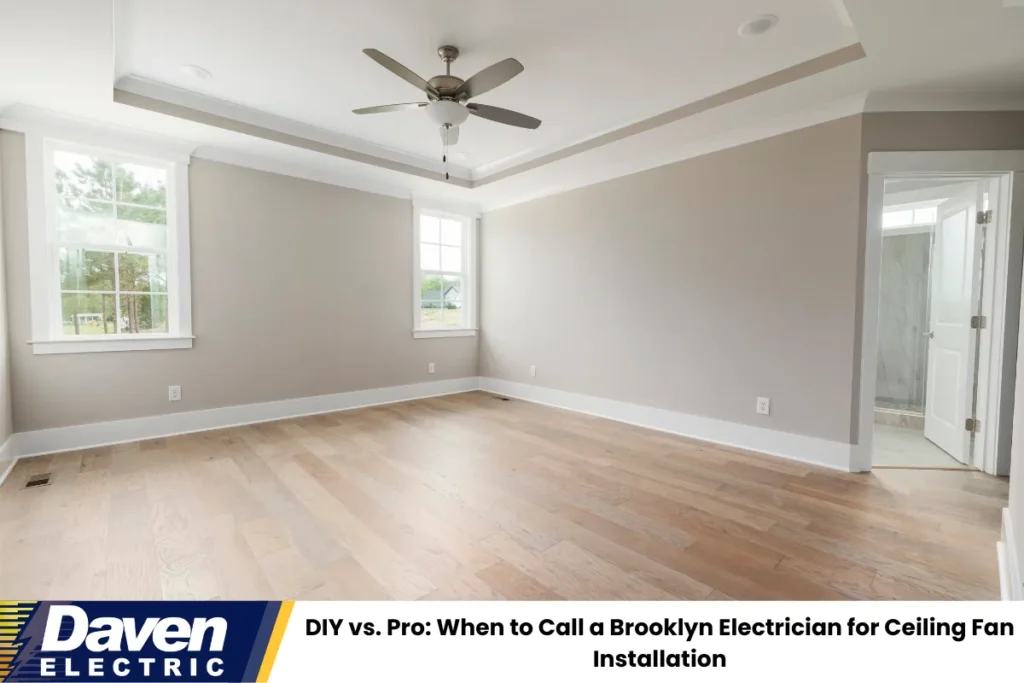
Staying Safe and Cool: DIY vs. Pro Ceiling Fan Installation
Deciding whether to hire a Brooklyn electrician or handle a ceiling fan installation yourself is one of the most common questions homeowners face every summer. The problem is straightforward: many residents assume that swapping out a light fixture for a ceiling fan is a simple weekend project. But hidden behind plaster ceilings and century-old framing, Brooklyn homes often conceal loose junction boxes, deteriorated wiring, and circuits that were never designed to support a spinning, vibrating appliance.
The risks are real. Aluminum or knob-and-tube wiring, unlabeled breaker panels, and the city’s strict electrical codes can turn a quick upgrade into a safety hazard or a code violation. The solution starts with understanding exactly when a residential electrician is absolutely essential, when a careful homeowner with the right skills can safely DIY, and where the line falls between the two. This article walks through those decision points, with recommendations that reflect Brooklyn, New York regulations and the typical apartment, brownstone, and row house layouts you will find across the borough.
Key Takeaways
- Some simple ceiling fan installations are manageable as DIY, but Brooklyn building codes and wiring conditions often make a licensed electrician the safer and legally required choice.
- Ceiling fans cannot simply replace every light fixture. Many ceilings need a fan-rated box, proper structural support, and wiring that meets the New York City Electrical Code.
- Older Brooklyn apartments, multi-family buildings, and commercial spaces usually require a professional electrical contractor and sometimes permits filed through the NYC Department of Buildings.
- Hiring a Brooklyn electrician reduces fire risk, protects manufacturer warranties, and ensures long-term reliability and comfort from your new ceiling fan.
When a DIY Ceiling Fan Installation Might Be Reasonable
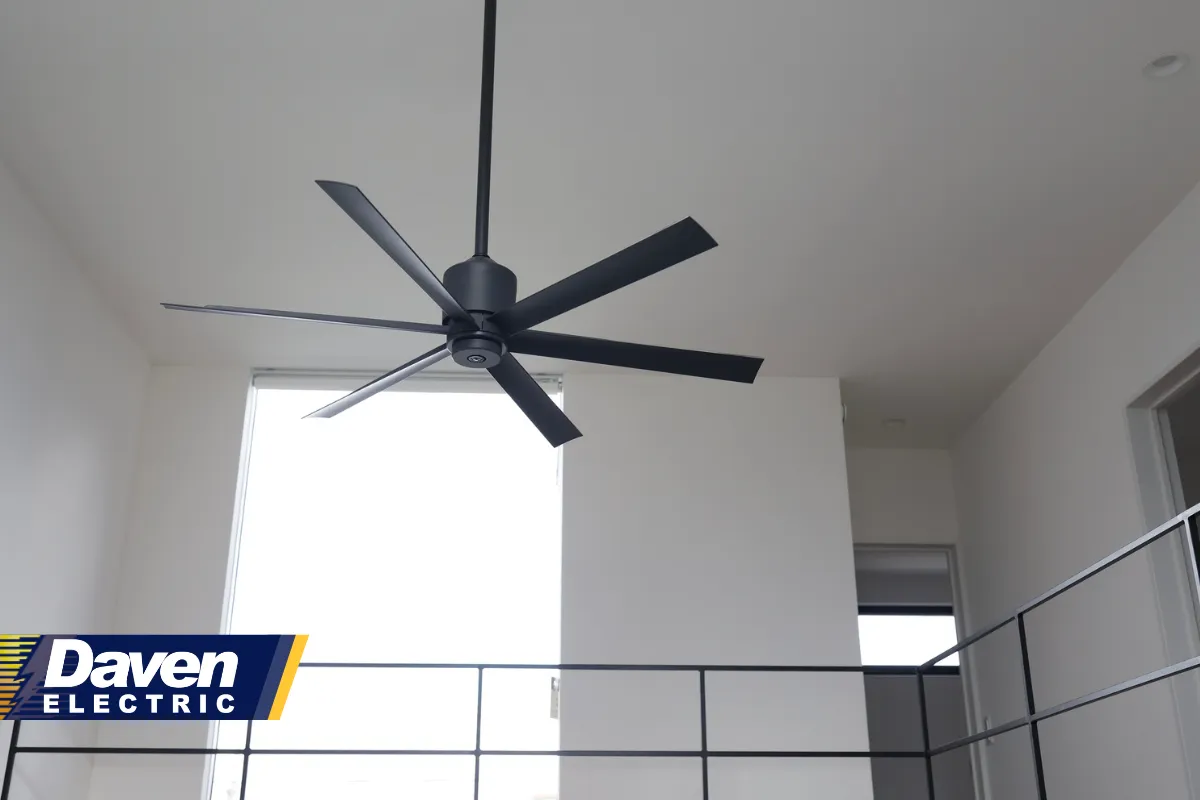
Not every ceiling fan project requires a professional. In certain straightforward situations, a homeowner with basic skills, the right tools, and a safety-first mindset can handle the work. The key is being honest about the conditions in your home before you start.
A typical “easier” scenario looks like this: a modern Brooklyn condo or single-family home built or fully renovated after roughly 2010, with a clearly labeled breaker panel, copper wiring in good condition, and an existing fan-rated ceiling box already secured to framing. DIY installation is often feasible if you are replacing an existing fan with a similar model on the same mounting bracket.
Here are conditions that generally make DIY reasonable:
- The ceiling box is stamped “Acceptable for Fan Support” or lists a weight rating of 35 pounds or more
- The room has accessible ceiling height of at least seven feet from floor to blade tips
- Wiring is modern copper NM cable with a grounding conductor, and the circuit amperage is known
- No new wiring runs, wall switches, or remote modules need to be added
- You own and occupy a one- or two-family home
Fan installations can require specialized tools like voltage testers and wire strippers, so make sure you have these on hand before you begin. Most ceiling fans require a fan-rated electrical box, and confirming that yours meets this standard is the single most important step in a DIY install.
Even when conditions look favorable, consulting a residential electrician by phone or video before starting can help you confirm the project is within your skill level. And remember: in New York, homeowners in one- and two-family homes may perform certain minor work on their own property, but must still comply with the NYC Electrical Code.
Why Ceiling Fan Installations Are More Complex in Brooklyn Buildings
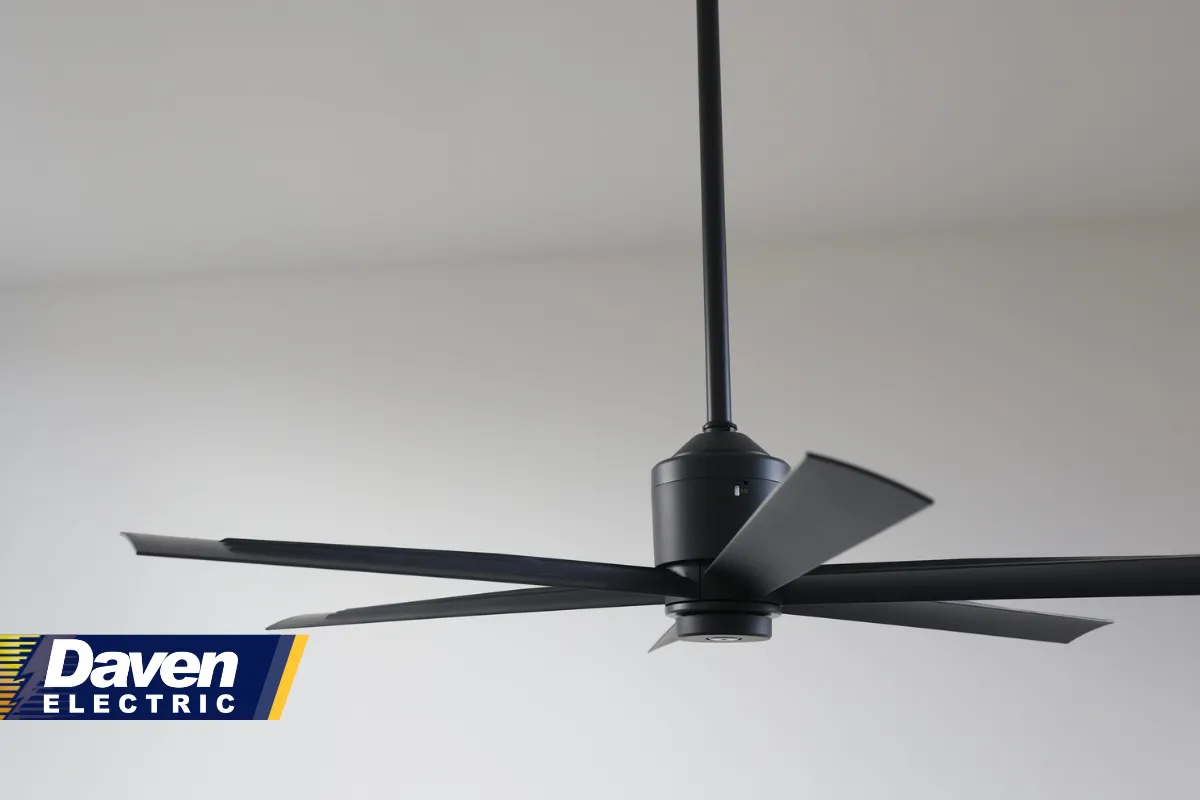
Brooklyn’s housing stock is unlike most of the country. Pre-war co-ops, century-old brownstones, converted warehouse lofts, and mixed-use buildings present challenges that a suburban tract home simply does not. This is where many DIY plans go sideways.
A large number of apartments still use older wiring methods, shallow ceiling boxes, or shared circuits that were never designed for the weight and constant motion of ceiling fans. Older wiring systems in homes may complicate ceiling fan installations significantly, especially when insulation has deteriorated or there is no grounding conductor at all. Older Brooklyn buildings may have outdated electrical panels and poor grounding, making any new appliance connection riskier. Older homes may have outdated wiring that poses real installation risks and potential fire hazards.
Structural concerns add another layer. Plaster ceilings over lath and flexible framing cannot support a fan the way modern drywall on engineered joists can. Ceiling fans require heavy-duty outlet boxes that support both weight and vibration over years of continuous use. A standard light fixture bracket is not rated for those forces. Ceiling fans need to be anchored to fan-rated electrical boxes that are secured directly to joists or fan-support braces spanning between them. Without that, vibration from a spinning fan on a non-rated box can cause wobbling, loosening over time, and even detachment, posing a serious risk to anyone in the room.
Installing a ceiling fan involves navigating building structures and safety codes that go beyond what most homeowners encounter. The National Electrical Code, as adopted by New York City with local amendments, sets specific requirements for box ratings, conductor types, and overcurrent protection. Complex ceiling structures may require professional assistance for fan installation, particularly in buildings with concrete slabs, steel framing, or limited access above the ceiling.
In multi-family or commercial properties, landlords and co-op or condo boards often require work by a licensed commercial electrician with documentation of insurance and filed permits.
Common symptoms of a poor installation include noise, flickering lights, and tripping breakers. If any of these appear after a fan install, a professional electrical service can diagnose and correct the underlying cause before it becomes dangerous.
Clear Signs You Should Call a Brooklyn Electrician Instead of DIY
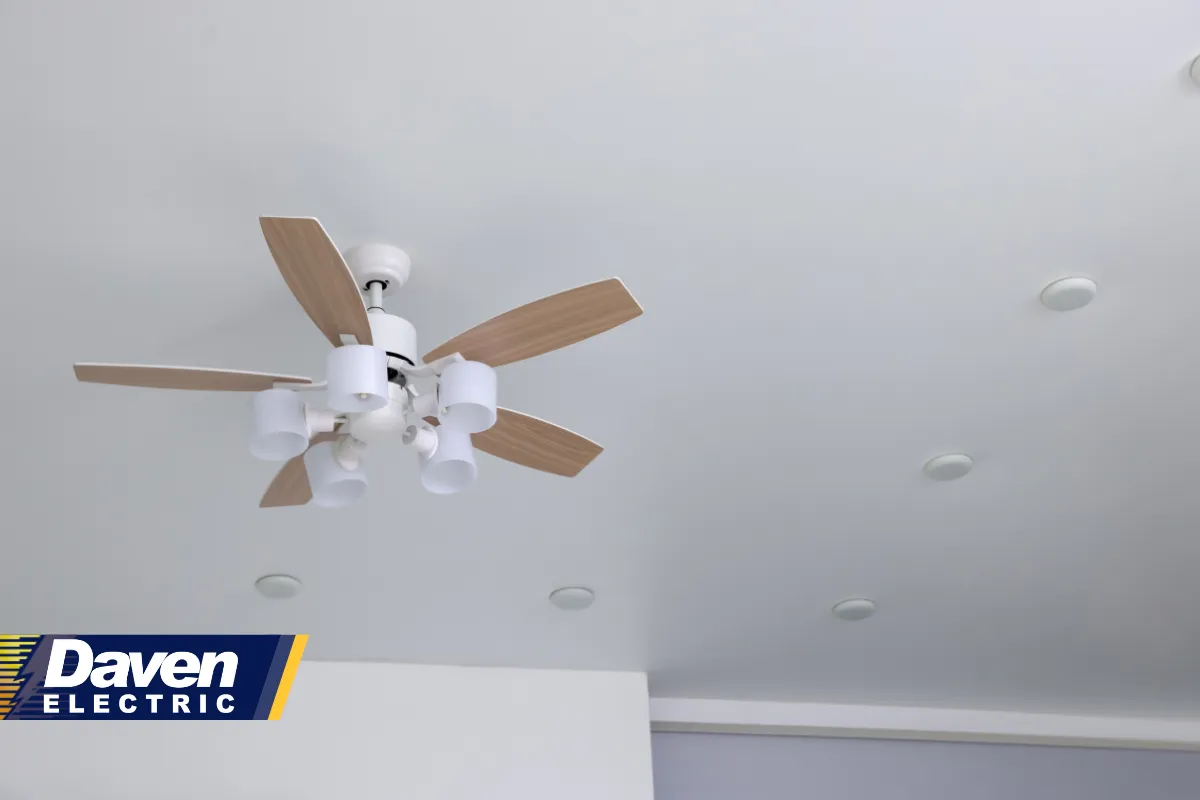
Once the work goes beyond a simple like-for-like replacement on a modern circuit, a licensed Brooklyn electrician is usually the safest and legally required path. Here are the red flags that should stop a DIY project in its tracks.
Call a professional if you encounter any of these conditions:
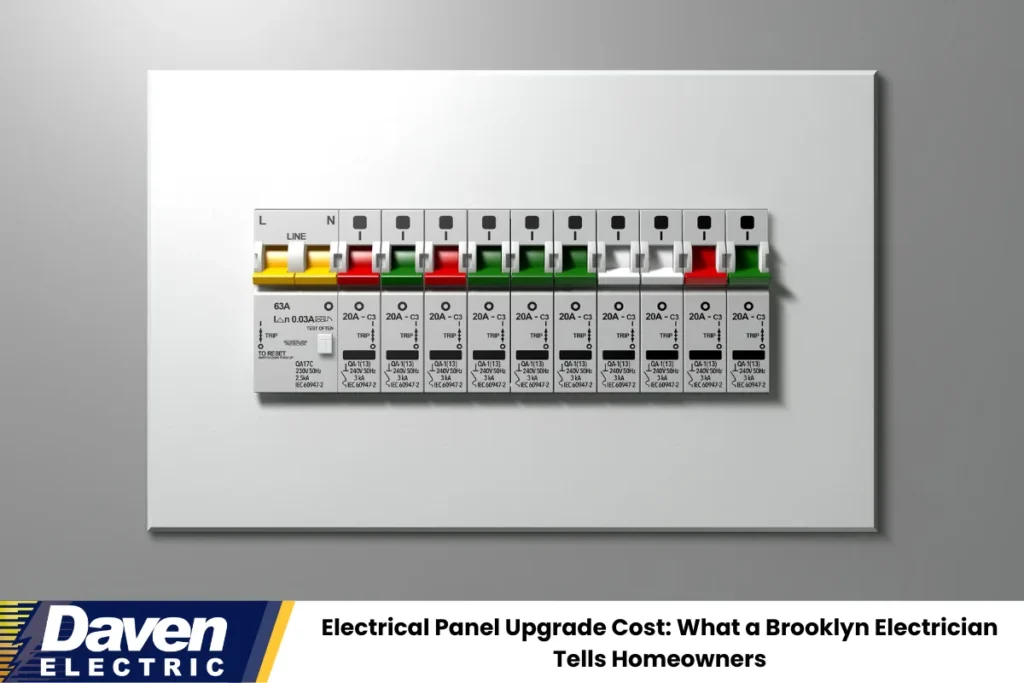
- Unknown or unlabeled breaker panels
- Aluminum branch circuit wiring or knob-and-tube wiring
- Brittle or crumbling wire insulation
- Buzzing switches, warm cover plates, or evidence of previous DIY splices in junction boxes
- A ceiling box that is not marked as fan-rated or has no visible weight rating
Situations that involve running new wiring also demand a pro. Adding a fan where no light fixture currently exists, moving the fan to a new location, or adding a new wall switch, remote receiver, or separate light and fan controls all require skills and code knowledge that go well beyond basic home maintenance.
Any project in a rental, co-op, or condo that requires opening ceilings, drilling through joists, or altering building systems typically needs a licensed electrical contractor. NYC building codes often require permits for electrical installations of this scope, and permits are required for ceiling fan installation in Brooklyn when the scope triggers Department of Buildings thresholds. Brooklyn electricians must follow local building codes, and homeowners risk fines for not doing the same.
Improper installation can lead to electrical fires. That is not a scare tactic; it is a documented outcome of overloaded circuits, loose connections, and non-rated supports. Improper wiring can lead to short circuits, fires, or electrical shocks that endanger everyone in the home. Incorrect installation can result in electrical shock or property damage. And beyond the physical dangers, improper installation can lead to fines or insurance issues that cost far more than hiring a professional would have.
Many ceiling fan manufacturers require professional installation to honor their warranties. If your fan develops a defect and you installed it yourself, the manufacturer may deny your claim entirely.
If you smell burning near a fixture, see sparking, experience repeated breaker trips, or notice the fan wobbling or sagging after installation, stop using it and contact a licensed electrician immediately.
Read The #1 Ceiling Fan Installation Mistake a Brooklyn Electrician Warns Against
What a Professional Brooklyn Electrician Actually Does During Fan Installation
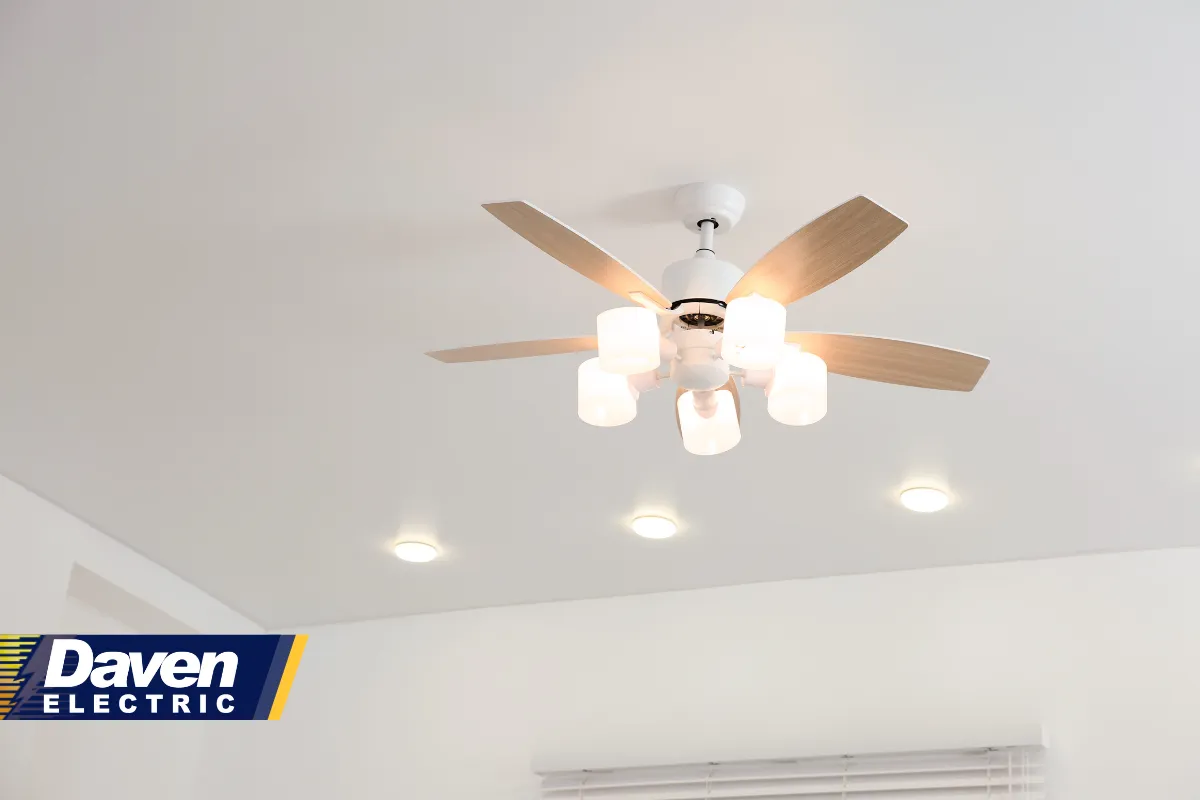
Understanding what happens during a professional visit helps explain why the investment pays off. A typical ceiling fan installation in a Brooklyn apartment, brownstone, or small storefront follows a clear sequence that addresses both safety and performance.
The visit begins with an initial assessment. The electrician confirms power is off at the breaker, inspects the existing ceiling box, checks conductor sizes and insulation condition, verifies the presence of a grounding conductor, and calculates whether the circuit can handle the combined load of lights, fan motor, and other devices on the same line. Licensed electricians undergo rigorous training and licensing through the NYC Department of Buildings, which is why they can identify issues that a homeowner or general handyman would miss. Handymen often lack specific training for electrical services and may not recognize code violations hiding behind a canopy cover.
Next comes structural verification. The electrician confirms joist orientation and spacing, determines whether the existing box is fan-rated, and if not, installs a fan-support brace between joists and upgrades to a UL-listed fan-rated box designed for the fan’s listed weight. Hiring a professional electrician ensures proper support for ceiling fans and eliminates the risk of a fan pulling free from the ceiling over time.
Wiring tasks follow. The electrician matches conductors by color, securely connects neutral and hot wires with proper connectors, attaches the equipment grounding conductor, and safely routes any separate light and fan leads. Licensed electricians ensure compliance with the National Electrical Code and with the local building codes that New York City layers on top of it. Professional electricians ensure installations meet local building codes, which protects the homeowner legally and physically.
Accessory configuration is next: installing wall-mounted fan controls, smart switches, or remote receiver modules in a way that respects NYC box-fill rules and the fan manufacturer’s instructions. This step is where many DIY projects go wrong, because adding devices increases the number of conductors in the box and can violate code if the box volume is too small.
The electrician finishes by testing and balancing: verifying correct rotation direction for each season, checking for wobble, tightening blade brackets, and confirming adequate clearance from walls, beams, and any furniture below. Professional installation can prevent costly future repairs caused by loose fasteners, unbalanced blades, or miswired controls. Hiring a licensed electrician provides insured workmanship for your home, and electricians provide insured workmanship for ceiling fan installations, meaning you have recourse if something goes wrong.
Documentation may include an invoice describing the work performed, a statement of code compliance, and any required inspection sign-offs for larger projects.
Planning Ahead: Cost, Time, and Long-Term Performance of Your Ceiling Fan
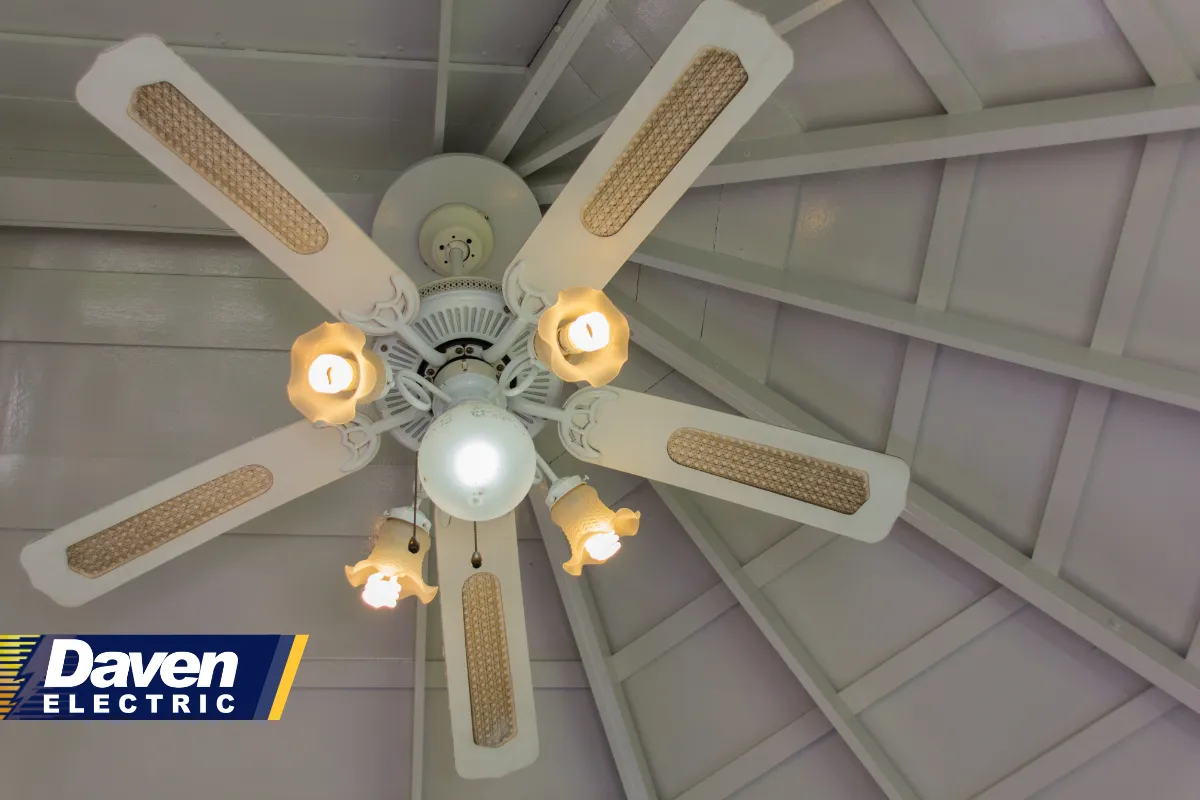
Understanding budget and timeline helps you decide between DIY and hiring a professional, especially in Brooklyn where scheduling and access can affect both.
A licensed electrician can complete a straightforward fan replacement in one to two hours. When the project involves installing a fan where only a light fixture existed, adding controls, or upgrading the ceiling box and wiring, expect two to three hours. Professional installation of ceiling fans typically ranges from $150 to $500 in Brooklyn, depending on complexity.
Several factors drive cost:
- Height of ceilings and difficulty of access
- Need for a new fan-rated box or support brace
- Whether new wiring must be run through walls or joists
- Apartment versus single-family home versus commercial space
- Permit and inspection fees, if triggered
Hiring a licensed electrician can prevent costly future repairs. A professionally installed fan runs quieter, wobbles less, delivers better airflow, and rarely needs callbacks to fix loose connections or noisy housings. Over the life of the fan, that translates to lower electricity bills and fewer headaches.
A couple of maintenance tips a pro might share: periodically tighten mounting screws and blade brackets, clean blades to prevent dust buildup that causes imbalance, reverse the fan direction seasonally for heating and cooling efficiency, and watch for early signs of electrical or mechanical issues like humming or flickering.
For commercial spaces such as small offices, cafes, or studios in Manhattan or Brooklyn, a commercial electrician can integrate fan controls with existing lighting and building systems for better comfort and energy efficiency. Energy Star-rated models are worth considering for both performance and long-term savings.
When you view the full picture, the lifetime value of professional installation, including energy savings and fewer repairs, typically outweighs the short-term savings of DIY.
Smart Choices for Safe, Comfortable Ceiling Fans in Brooklyn Homes
While some straightforward replacements may be manageable for skilled homeowners, Brooklyn’s older wiring, dense buildings, and strict codes usually favor hiring a licensed professional. Treating ceiling fan installation as an investment in safety and year-round comfort, rather than a quick hardware store project, saves time and money over the life of the fan.
Whether you are a homeowner, landlord, or small business owner, take a moment to consult a trusted Brooklyn electrician before starting work, especially when converting a light fixture or working in an older structure. Planning ahead, choosing the right fan and the right installer, will leave you with quieter operation, better airflow, and fewer problems for years to come. Touch base with a professional, ask questions, and make the choice that keeps your home or business safe.
Brooklyn Electrician – Daven Electric Corp.
At Daven Electric Corp., we are a licensed electrician based in Brooklyn, New York, and ceiling fan installation is one of the services our customers call us for most often. We work in apartments, brownstones, lofts, and commercial spaces across the borough every day.
Our team handles everything from evaluating an existing light fixture and upgrading to a fan-rated box, to coordinating with building management and ensuring full compliance with NYC Electrical Code and DOB requirements. We provide clear, upfront pricing and scheduled appointment windows so you know exactly what to expect.
- Licensed and insured electrical contractor serving Brooklyn
- Experienced with pre-war wiring, modern condos, and commercial tenant build-outs
- Panel upgrades, lighting design, and full-scope electrical service available
Call us at (212) 390-1106 or fill out our contact form to schedule an estimate. We are happy to answer your questions and get your project moving quickly.
Frequently Asked Questions
Can I install a ceiling fan in a rental apartment without violating my lease?
Most Brooklyn leases require landlord or management approval before making any electrical changes, including replacing a light fixture with a ceiling fan. Landlords frequently insist that the work be performed by a licensed electrician and may ask for proof of insurance and the contractor’s license number before granting permission. Always get written approval that specifies what will be installed, who will do the work, and whether the fan must remain or be removed when you leave. Unauthorized DIY wiring can violate your lease, put your security deposit at risk, and create personal liability if a fire or injury results. Providing your landlord with an estimate from a reputable Brooklyn electrician can make the approval process much smoother.
Is a permit always required for ceiling fan installation in Brooklyn?
New York City does not require a separate building permit for every minor like-for-like electrical change, but certain electrical work must be performed and filed by a licensed electrician through DOB NOW. Adding new wiring, new circuits, or making substantial changes to existing electrical systems can trigger permit and inspection requirements through the NYC Department of Buildings. A properly licensed electrical contractor knows when work must be filed and handles that process for the property owner. Do not rely on outdated online advice about permits. The rules changed with the 2025 NYC Electrical Code, and consulting a Brooklyn electrician familiar with current regulations is the most reliable way to ensure you stay compliant. Following permit rules also protects you during insurance claims and future property sales.
How do I choose the right size ceiling fan for a Brooklyn room?
Basic sizing guidelines help narrow down your options. A small room around 75 square feet works well with a 29 to 36 inch fan. A medium room of 100 to 150 square feet typically needs a 42 to 52 inch fan. Larger living areas may call for a 56 inch model or bigger. Brooklyn’s common layouts, like long narrow railroad apartments, sometimes benefit from two smaller fans rather than one large one to ensure even airflow. Always maintain at least seven feet of clearance from the floor to the blade tips; low ceilings require a hugger or flush-mount design. Discussing room dimensions and ceiling height with your electrician helps you pick a fan that fits the space and performs well over time. Energy Star-rated models deliver better efficiency and lower bills.
Can I put a ceiling fan where there is no existing light fixture or box?
Installing a fan in a location with no existing ceiling box is an advanced project. It requires running new cable from the breaker panel or an existing circuit, installing a fan-rated box and structural support, and connecting everything to a switch. This often means opening the ceiling or accessing joists from above, which is especially challenging in multi-story Brooklyn buildings with plaster ceilings or limited attic space. This type of installation should be handled by a licensed Brooklyn electrician who understands NYC conduit and cable rules and box-fill requirements. The electrician can also install a dedicated wall switch, dimmer, or smart control as part of the new circuit. Professional planning reduces the chance of overloading circuits or damaging historic building materials.
What if my building has concrete ceilings – can I still add a ceiling fan?
Many Brooklyn lofts and high-rise apartments have concrete slab ceilings where traditional joist-mounted fan supports are not possible. An experienced electrician may use special expansion anchors rated for the fan’s weight, or install surface-mount raceways to route wiring to the new fan location. In some cases, wall-mounted fans or alternative air circulation solutions may be more practical. Drilling into structural concrete or post-tension slabs is highly regulated and can be dangerous if done incorrectly, potentially compromising the building’s structural integrity. Owners and tenants should check with building management and hire a commercial electrician if the space is part of a larger complex. DIY is rarely safe or practical in these situations, and professional guidance is essential to avoid costly mistakes and code violations.
Disclaimer: This article provides general educational information about ceiling fan installation in Brooklyn, New York and does not constitute legal, engineering, or professional electrical advice. Always consult a licensed electrician and verify current local codes before performing any electrical work.
Read How Often Should You Get an Electrical Inspection? Advice from a Brooklyn Electrician