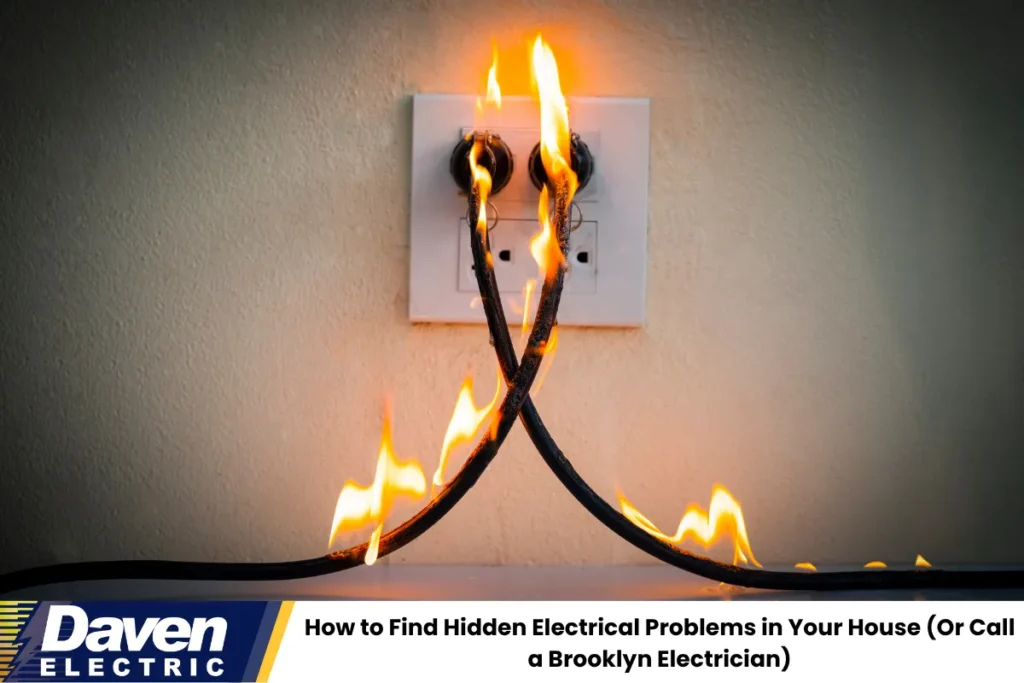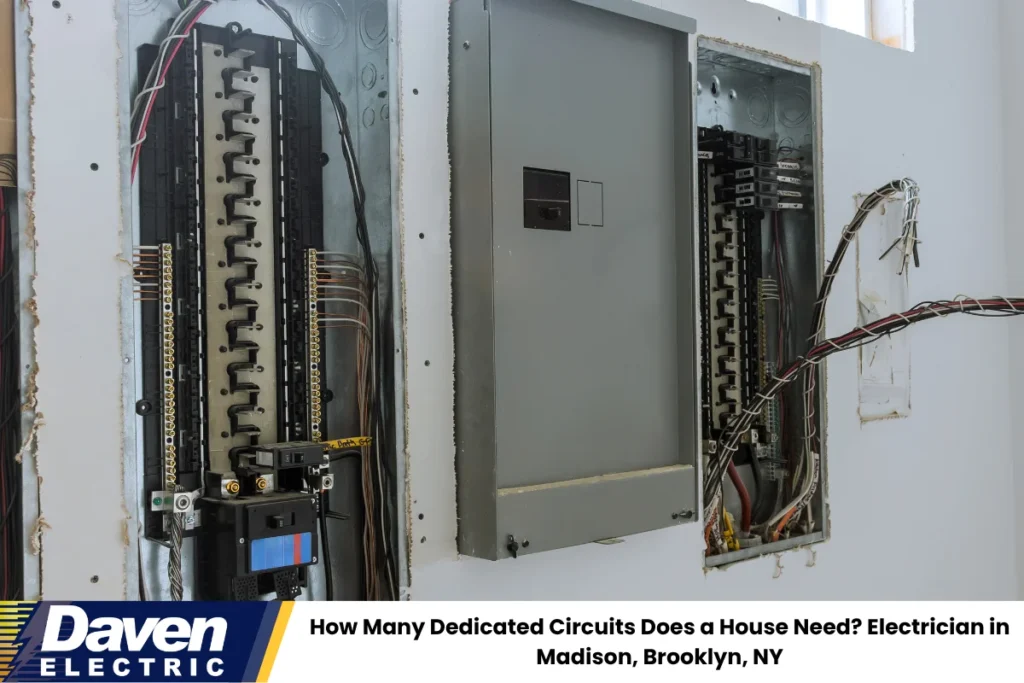
Electrician in Madison, Brooklyn, NY services are essential when it comes to understanding how many dedicated circuits your home truly needs. Many homeowners face frequent breaker trips, flickering lights, or overloaded outlets, which can be frustrating and even dangerous. These issues often stem from insufficient dedicated circuits designed to handle the power demands of modern appliances and devices. Without the right electrical setup, your home’s safety and functionality are at risk. Fortunately, a professional residential electrician can assess your home’s unique needs, ensuring your electrical system is up to code and equipped to support your lifestyle safely and efficiently. In this article, we’ll explore how many dedicated circuits a typical Madison home requires, why they matter, and how expert electrical services can provide lasting solutions.
How Many Dedicated Circuits Does Your Home Really Need?
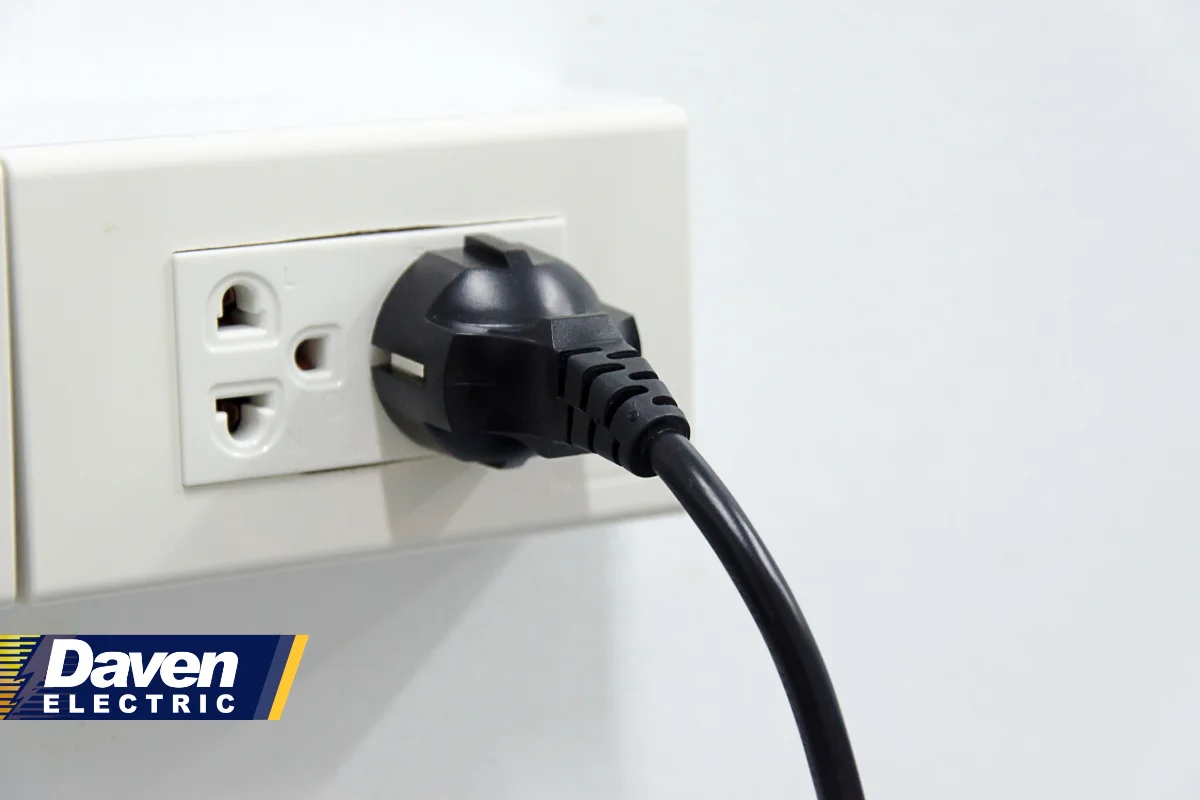
If you’re running your microwave and toaster at the same time and your breaker trips every morning, your Brooklyn home almost certainly needs more dedicated circuits than it currently has. A typical post-war house or fully renovated townhouse in this neighborhood will require somewhere between 8 and 15 dedicated circuits to safely support modern appliances, air conditioning, and equipment like an EV charger. Pre-war apartments and older brownstones that haven’t been rewired may have as few as 4 to 7 true dedicated circuits – sometimes fewer – which is why overloads are so common in this part of Brooklyn.
The exact number your home needs depends on several factors: total square footage, the age and condition of your home’s wiring, the rating of your electrical panel (electrical service size in homes typically ranges from 60 to 200 amps), how many major appliances you have installed or plan to add, and how many bathrooms and bedrooms need individual circuits. Every major appliance requires its own dedicated circuit, and the more you add over time, the higher that count climbs.
Only a licensed electrician working under NYC’s amended National Electrical Code can give you an accurate, code compliant count after performing an in-home load calculation and inspection. Calculating dedicated circuits requires assessing appliance loads and electrical codes – it’s not something you can determine from a general guideline alone.
If you’re unsure how many circuits your Madison home needs, call a local electrician for an on-site dedicated circuit assessment and quote.
Why Madison, Brooklyn Homeowners Call a Local Electrician for Dedicated Circuits
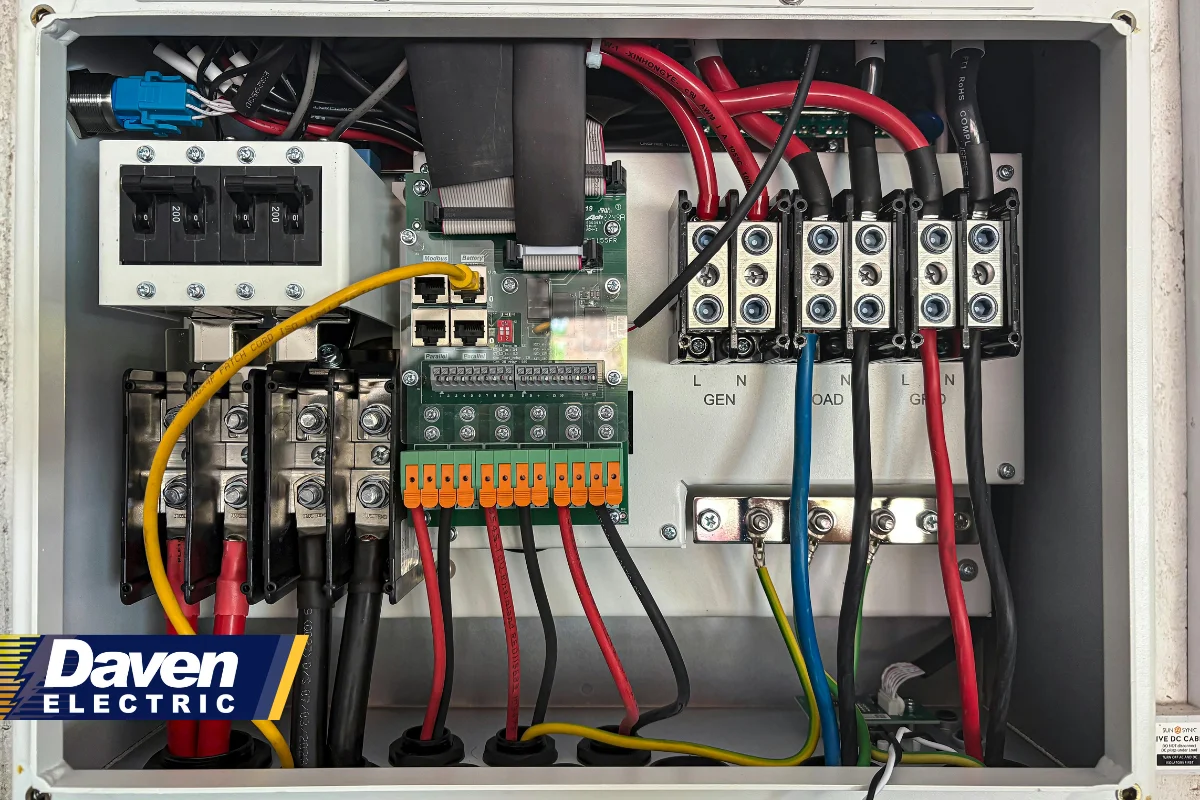
Madison’s housing stock is predominantly older – brownstones, walk-ups, and early 20th-century rowhouses built long before anyone imagined running multiple window A/C units, an induction range, an EV charger, and a home office simultaneously. These homes were wired for a different era, and their shared circuits are routinely overwhelmed by high power appliances that didn’t exist when the wiring was installed.
The problems residents notice first are hard to miss:
- Breaker trips when the microwave and toaster or coffee maker run on the same circuit
- Lights dimming or flickering when a large appliance starts up – an A/C compressor, vacuum, or space heater
- Outlets, cords, or the panel faceplate feeling warm to the touch
- A faint buzzing sound coming from the electrical panel
These are signs that circuits are undersized or overloaded, and they demand professional attention. A Madison-based electrician understands the NYC electrical code, Department of Buildings permit rules, and the common layouts found in local brick rowhouses, co ops, and small single-family homes. They know how wires are routed through plaster, lath, and masonry – and where the panel box is typically crammed into a tight basement or hallway closet.
What Is a Dedicated Circuit and Why It Matters in Brooklyn
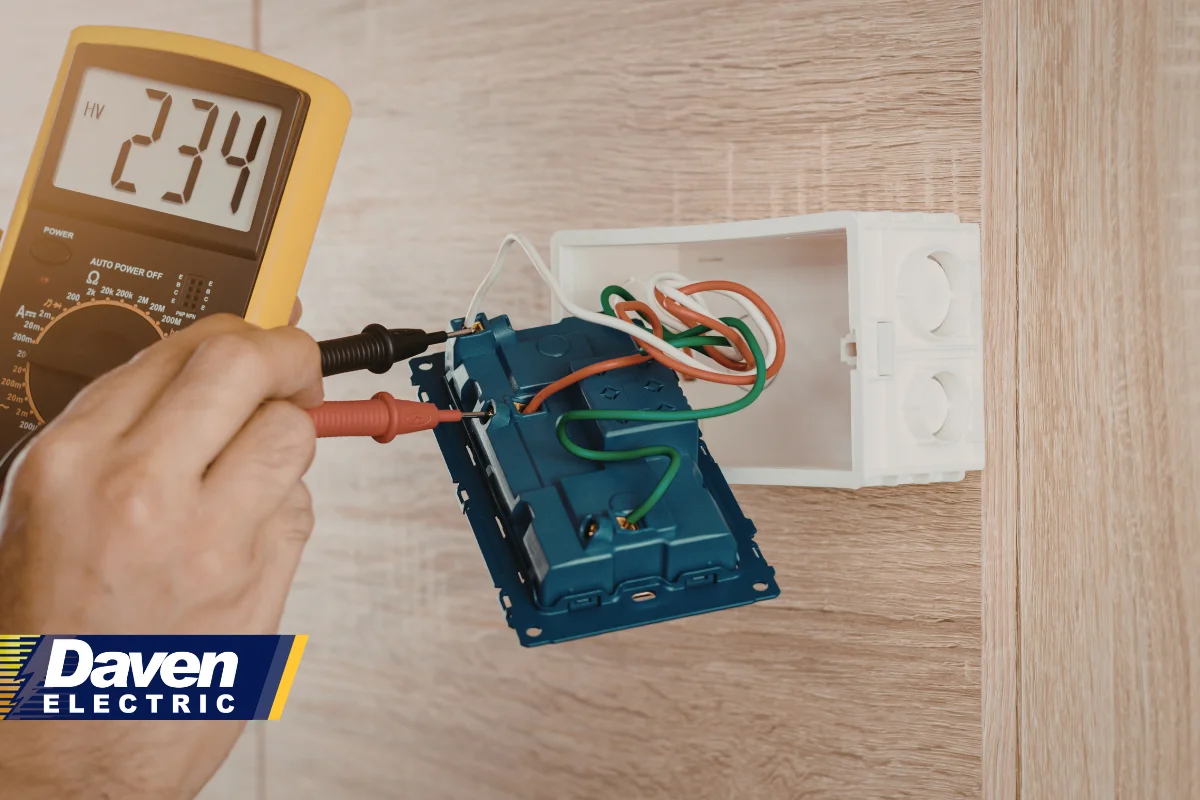
A dedicated circuit is a branch circuit that serves only one specific appliance or piece of equipment from its own breaker back to the panel. Nothing else – no other outlets, no lighting, no other devices – is connected to that circuit. Essentially, a dedicated circuit serves only one appliance or device, and that single-purpose design is what makes it safe for high-draw loads.
Here’s what defines a dedicated circuit in practical terms:
- It starts at its own breaker in the electrical panel and runs directly to the appliance it serves
- The wiring is sized specifically for that appliance’s full electrical load – often 20 amp, 30 amp, or higher for 240-volt equipment
- It ensures the appliance receives sufficient voltage under load and prevents nuisance tripping
- Dedicated circuits are required by the National Electrical Code for many high-demand appliances including ranges, dryers, water heaters, and A/C units
In Brooklyn, the importance is amplified. Many homes have circuits originally shared among lighting, receptacles, and small appliances. Over decades, property owners have added toaster ovens, space heaters, window A/C units, and multiple gadgets to those same circuits. The result: overloaded circuits can lead to serious hazards like electrical fires. In fact, home electrical fires cause an estimated 51,000 fires annually, and arcing faults start over 28,000 electrical fires each year. Dedicated circuits prevent overloads and electrical fires by isolating high-draw loads from shared wiring.
How Many Dedicated Circuits Does a Typical Madison, Brooklyn House Need?
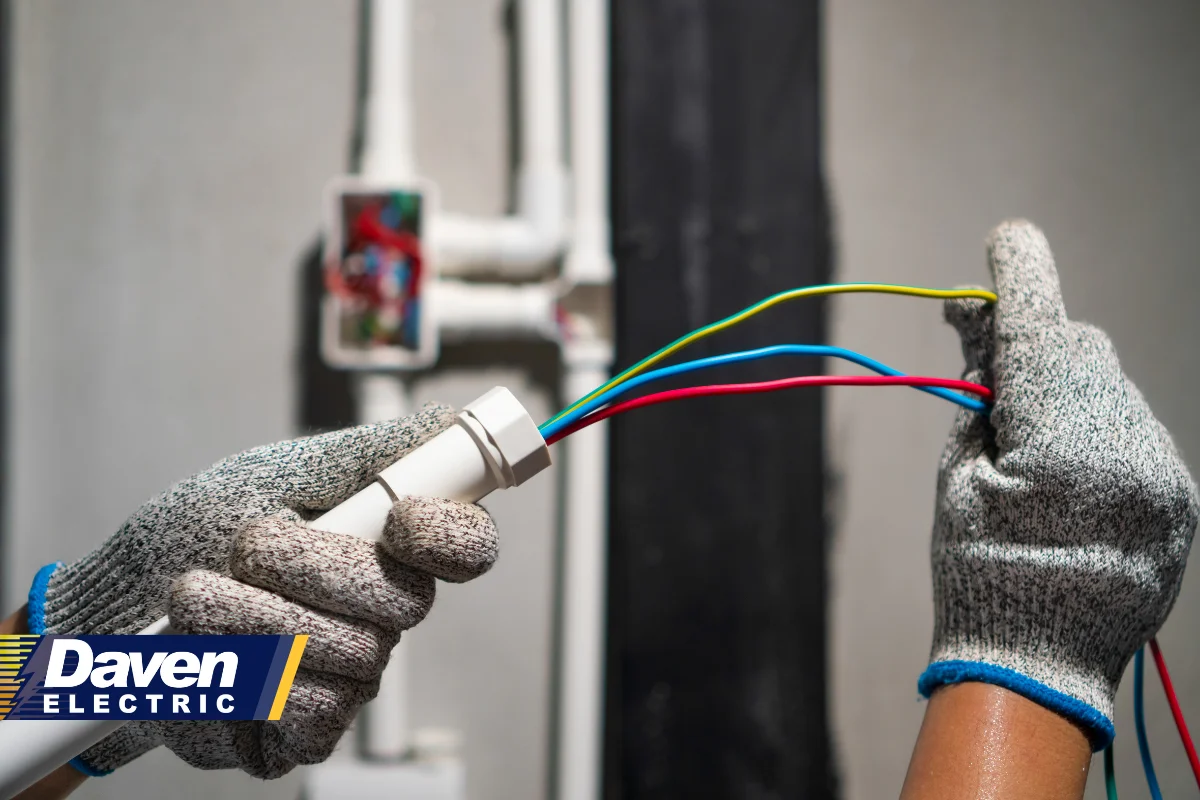
There’s no single magic number, but most code compliant and reasonably upgraded homes end up with a predictable set of dedicated circuits. Here are the ones you’ll typically find – or need – in a modern Brooklyn residence:
- Electric range or wall oven (240V, typically 40–50 amp)
- Built-in or over-range microwave (20 amp)
- Dishwasher (15–20 amp)
- Garbage disposal
- Refrigerator (dedicated 15- or 20-amp circuit)
- Clothes washer (20 amp)
- Electric clothes dryer (240V, 30 amp)
- Furnace, boiler, or air handler circuit
- Air conditioning – each mini-split, central unit, or window A/C may need its own circuit
- Bathroom receptacle circuit(s) (20 amp per code)
- EV charger (240V, high continuous load)
- Specialty loads: sump pump, home gym equipment, tankless water heater, hot tub
How many of these you actually need depends on where your Madison home falls on the spectrum:
- Pre-war Madison apartment, never updated: Likely under-circuited with only a range circuit, a refrigerator circuit, general lighting, and a couple of shared receptacle circuits. Probably fewer than 6 true dedicated circuits, with most loads sharing wiring that was never designed for them.
- Mid-century single-family with partial upgrades: The kitchen may have separate circuits for the fridge, microwave, and dishwasher; the A/C and laundry may each have their own circuit. But many loads in other rooms are still shared. Total: roughly 8 to 10 dedicated circuits.
- Fully renovated or newly built townhouse: A modern kitchen, EV charging, mini-split or central air, a home office, multiple bathrooms, and future capacity built in. These homes commonly have 12 to 15 or more dedicated circuits, often fed by a 200-amp service with room for growth.
As new appliances are added over time – an EV charger, an induction cooktop, a second A/C unit – the number of dedicated circuits must increase. What worked five years ago may not support your household today.
Appliances and Equipment That Need Dedicated Circuits in Madison, Brooklyn
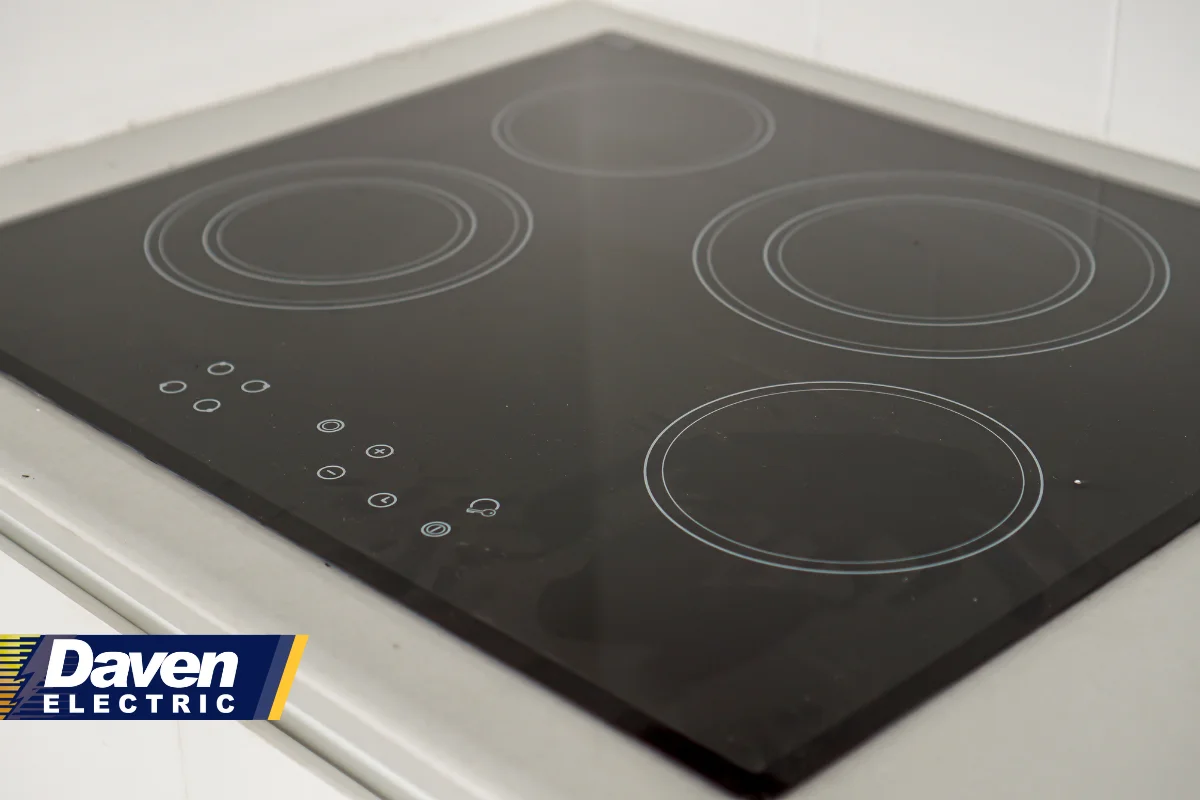
Local and national codes specify which loads require their own circuit, and manufacturer installation instructions frequently mandate separate circuits as well. National Electrical Code guidelines mandate dedicated circuits for specific kitchen and laundry appliances. Here’s where those requirements apply in a typical Madison home.
Kitchen Appliances
Kitchens are where the heaviest demands concentrate. High-power appliances need individual dedicated circuits to prevent overloads, and most fixed kitchen equipment falls into this category:
- Electric ranges need a dedicated circuit rated at 40–50 amps (240V)
- Microwaves typically require a dedicated 20 amp circuit
- Dishwashers need a dedicated 15–20 amp circuit
- Garbage disposal – usually its own circuit
- Appliances like refrigerators and microwaves commonly require dedicated circuits based on load. Refrigerators require a dedicated 15–20 amp circuit.
- Built-in wine fridges, instant hot water taps, and other equipment with significant draw
The code also requires at least two 20 amp small-appliance branch circuits to serve all countertop receptacles in the kitchen and dining area. These circuits cannot serve fixed appliances – they’re reserved for portable kitchen appliances you plug in at the counter. Dedicated circuits are essential for high-wattage countertop devices to prevent tripping breakers.
In Madison’s often cramped kitchens, where every inch of counter space holds a gadget, it’s easy to exceed older wiring capacity without proper planning. A 15-amp circuit should not exceed eight outlets to avoid overload – and many older kitchens have far more than that on a single run.
Laundry, Heating, and Cooling
- Washing machines require a dedicated 20 amp circuit
- Electric dryers require a dedicated 30 amp, 240-volt circuit. Even gas dryers still need a dedicated 120-volt circuit for the motor and controls.
- Boiler and furnace circuits – whether for the control board, circulator pump, or blower – generally need their own individual branch circuit. Fixed electric space heating equipment must be on circuits sized at 125% of the load.
- Air conditioners usually need a dedicated 20 amp circuit. Mini-splits, central systems, and through-the-wall units each typically require separate circuits.
Relying on shared bedroom or living-room receptacle circuits for high-draw window A/C units – as many Madison homeowners do – is a recipe for breaker trips during summer peaks. Each large cooling unit should be on its own circuit to avoid overloading shared wiring.
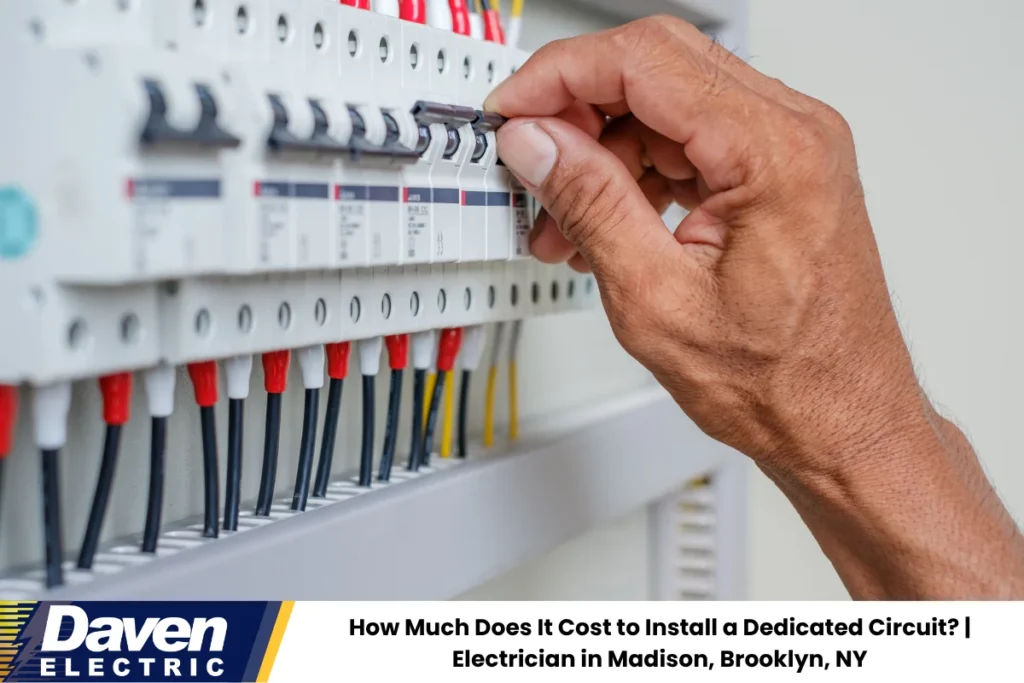
Read How Much Does It Cost to Install a Dedicated Circuit? | Electrician in Madison, Brooklyn, NY
Bathrooms, EV Charging, and Specialty Loads
- Each bathroom must have at least one 20 amp circuit for receptacle outlets, with no other outlets on that circuit. Depending on configuration, bathrooms may share a receptacle circuit among multiple baths or each may require its own.
- Electric vehicle charging stations generally need dedicated 240V circuits. EV charging represents a substantial continuous load, and the panel must have electrical capacity to support it. Hot tubs and EV chargers often need dedicated high-amperage circuits for safe operation.
- Home offices may require dedicated circuits for multiple devices drawing significant power – computers, monitors, printers, and networking equipment running for hours at a stretch.
- Other specialty loads include sump pumps, dehumidifiers, tankless water heaters, treadmills and home gym power tools, saunas, and hot tubs – all requiring dedicated circuits sized for both starting surge and continuous load.
Code Minimum vs. Real-World Needs in Madison, Brooklyn
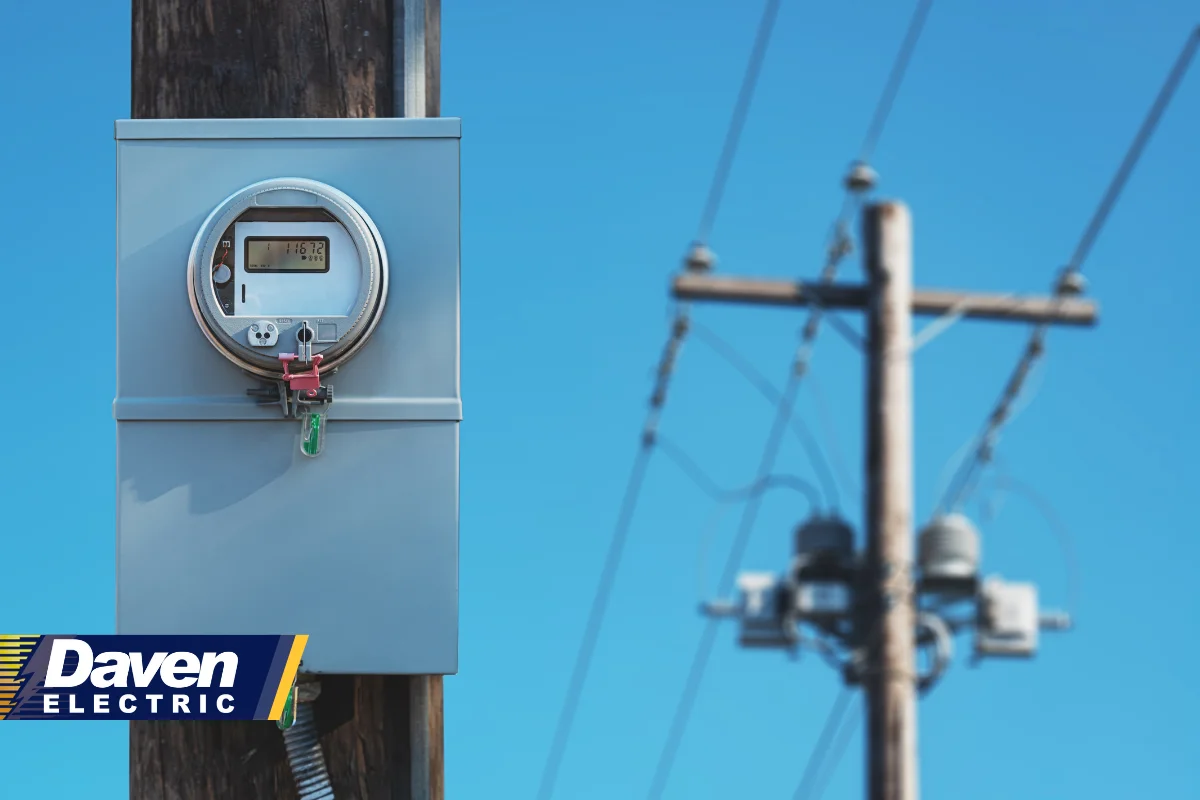
The electrical code establishes minimums – the legal floor – not what’s necessarily adequate for comfortable, modern living in a dense NYC neighborhood. Code demands two small-appliance circuits in the kitchen, dedicated circuits for the range, dryer, water heater, and bathroom receptacles, among others. But it doesn’t anticipate a household running multiple EVs, three window A/Cs, a home office, and an induction cooktop simultaneously.
In real life in Brooklyn – with summer heat, heavy plug loads from chargers and computers, remote work setups, and growing EV adoption – property owners often need more dedicated circuits than the bare minimum. Code sets a floor, not a ceiling.
The biggest drivers of extra circuit needs include:
- Square footage: Larger homes mean more rooms, more lighting circuits, and more outlets
- Number of bedrooms and bathrooms: Each bath adds demand for receptacle circuits; bedrooms with individual A/C units multiply cooling loads
- Planned future electrification: EV chargers, induction cooking to replace gas, adding mini-splits, finishing a basement – all require new dedicated circuits and potentially a service upgrade
Planning ahead is the efficient approach. During any renovation, have your electrician size circuits and panel capacity with projected loads in mind – leaving spare breaker spaces, pulling conduit for future runs, and roughing in capacity so you’re not tearing open walls again in two years. Under the New York City Electrical Code, panels must even have reserved space for future electric cooking and water heater branch circuits, whether or not those appliances are installed yet.
Signs Your Madison Home Needs More Dedicated Circuits Now
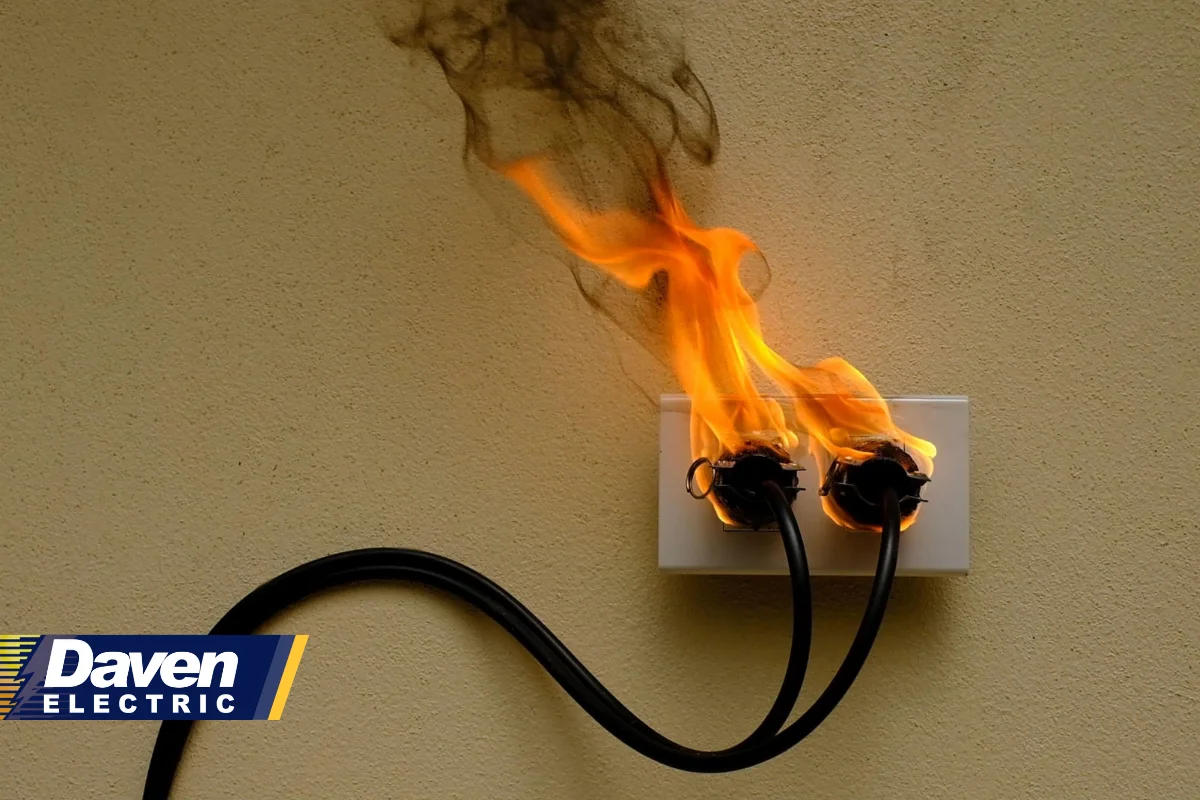
While code compliance is the baseline, safety and usability are immediate concerns. These warning signs are especially common in older Madison housing stock and should prompt a call to a qualified electrical contractor:
- Frequent breaker trips when using the microwave, toaster, or hair dryer – especially when two or more run on the same circuit
- Lights dimming or flickering when large appliances start up (A/C compressor, vacuum, space heater)
- Outlets, cords, or the panel faceplate feeling warm, or a faint burning or electrical smell near outlets or the panel
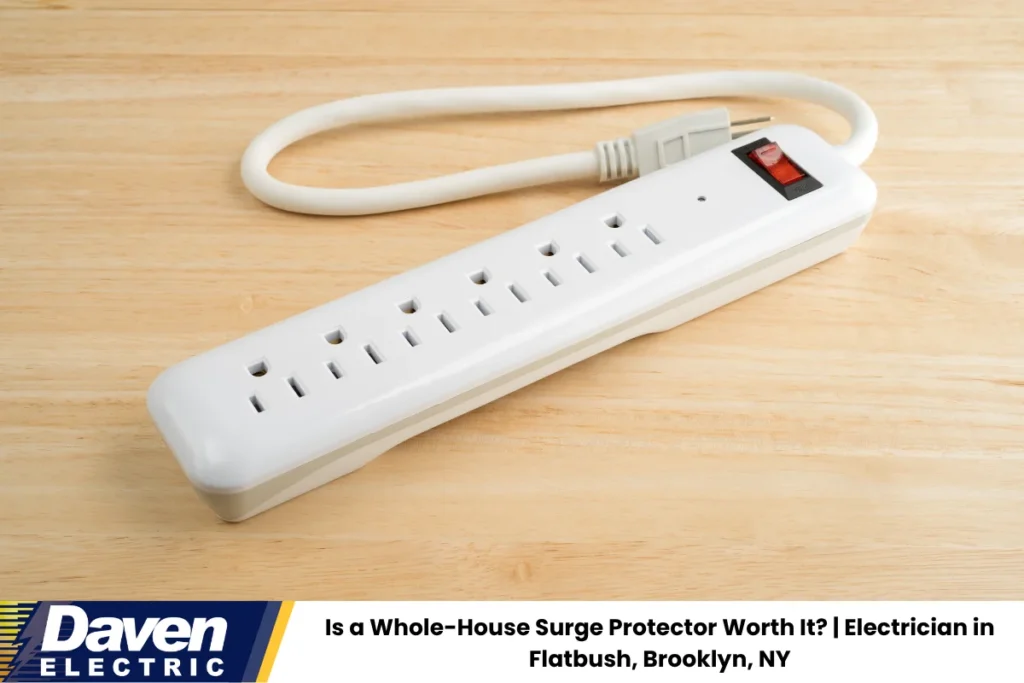
- Heavy reliance on multiple power strips and extension cords for permanent appliances like refrigerators, window A/Cs, or home office equipment
- Attempting to add new appliances – a dishwasher, washer/dryer, or EV charger – without upgrading circuits or panel capacity
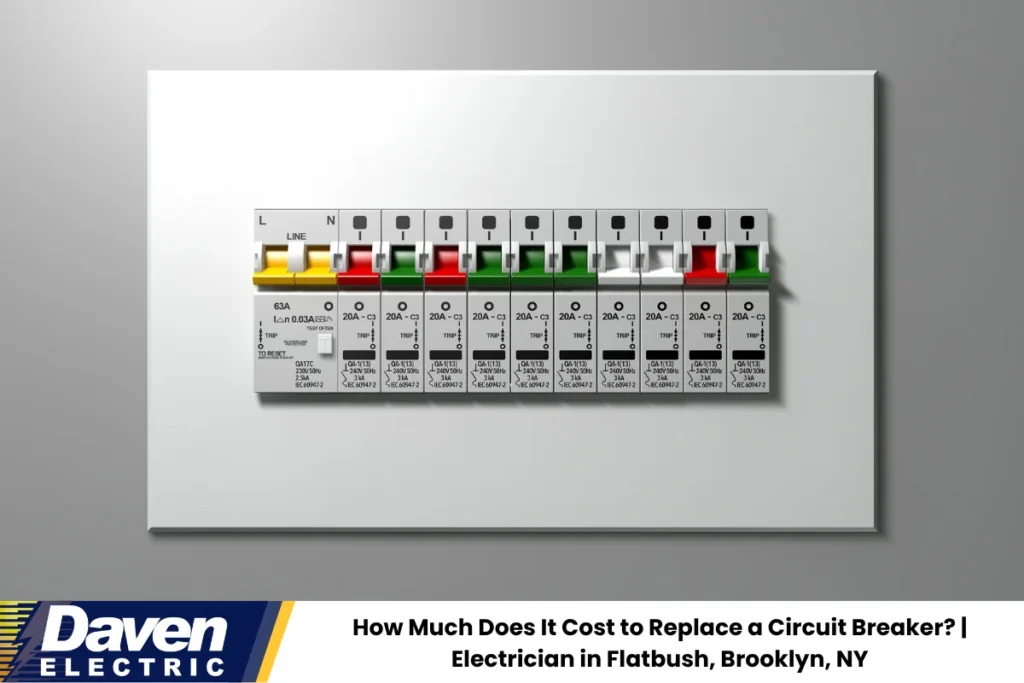
- Improperly sized breakers can allow wires to overheat and cause fires. Never replace a breaker with a higher-amp one as a “fix” – this doesn’t solve the overload and creates a fire risk
If any of these apply to your home, don’t wait. Overloaded circuits can lead to serious hazards. Call a licensed electrician for an assessment before the problem becomes dangerous.
How a Madison, Brooklyn Electrician Calculates How Many Dedicated Circuits You Need
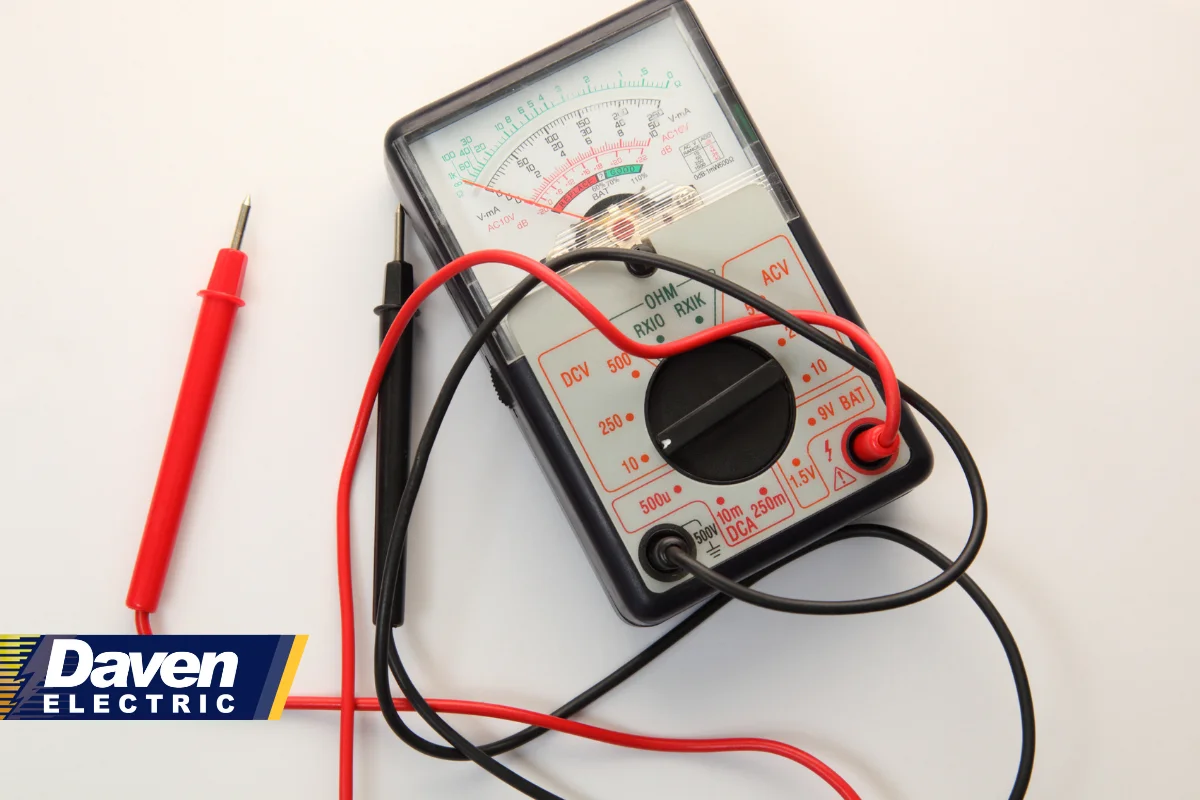
Determining how many circuits your home needs is a professional load-calculation and inspection process – not guesswork and not something you can estimate from a blog post. Here’s what a qualified electrical contractor does during an on-site assessment.
Step 1: Inspect Panel, Wiring, and Existing Circuits
The electrician starts by identifying your service capacity – whether you have a 60-amp, 100-amp, 150-amp, or 200-amp service. Electrical load assessments should include inventorying high-draw appliances and checking service capacity. Many older Madison homes still run on 60- or 100-amp panels that were never designed for today’s loads.
They check how many physical breaker spaces exist, whether the panel is full, and whether there’s room for double-pole breakers (needed for 240-volt circuits like dryers and EV chargers). They also inspect the condition of existing breakers and the bus bar – looking for signs of overheating, corrosion, or loose connections.
Wiring methods matter enormously here. Madison homes may have knob-and-tube, BX (armored cable), NM cable, or mixed wiring from different decades of updates. The electrician reviews which outlets and appliances are currently sharing circuits, and flags any previous unpermitted electrical work.
Step 2: Perform Load Calculations and Map Future Needs
Using the NEC and NYC amendments, the electrician totals up your existing and planned electrical load. This includes general lighting load (calculated at 3 volt-amperes per square foot), small-appliance branch circuits, and the appliance nameplate ratings of all fixed equipment. Continuous loads – anything running more than three hours, like an EV charger or electric heating – are counted at 125% of their rating.
They then create a circuit map: which rooms and appliances will be on each new or existing electrical circuit, which loads must be dedicated, and where future capacity should be built in. If you’re planning to add an EV charger, a second A/C, or switch from gas to induction cooking, this is where those needs get designed into the plan.
Step 3: Plan Circuits, Pull Permits, and Install
The electrician determines the exact number and type of new dedicated circuits required – whether 15-amp, 20 amp, or 240-volt, along with the correct wire gauge and breaker type. A licensed electrician must file permits for new circuits through the NYC Department of Buildings. New circuits must be tested for safety after installation, and inspections are part of the process.
If you live in a co op or condo, board approval may also be required before modifying or adding panel capacity or service entrance equipment.
Installation in Madison homes often involves fishing new cable through plaster, lath, or masonry walls – labor-intensive work that requires skill and experience. The electrician labels every breaker, balances the load among phases, and tests each new circuit under load before sign-off.
Can Your Existing Panel Support More Dedicated Circuits?
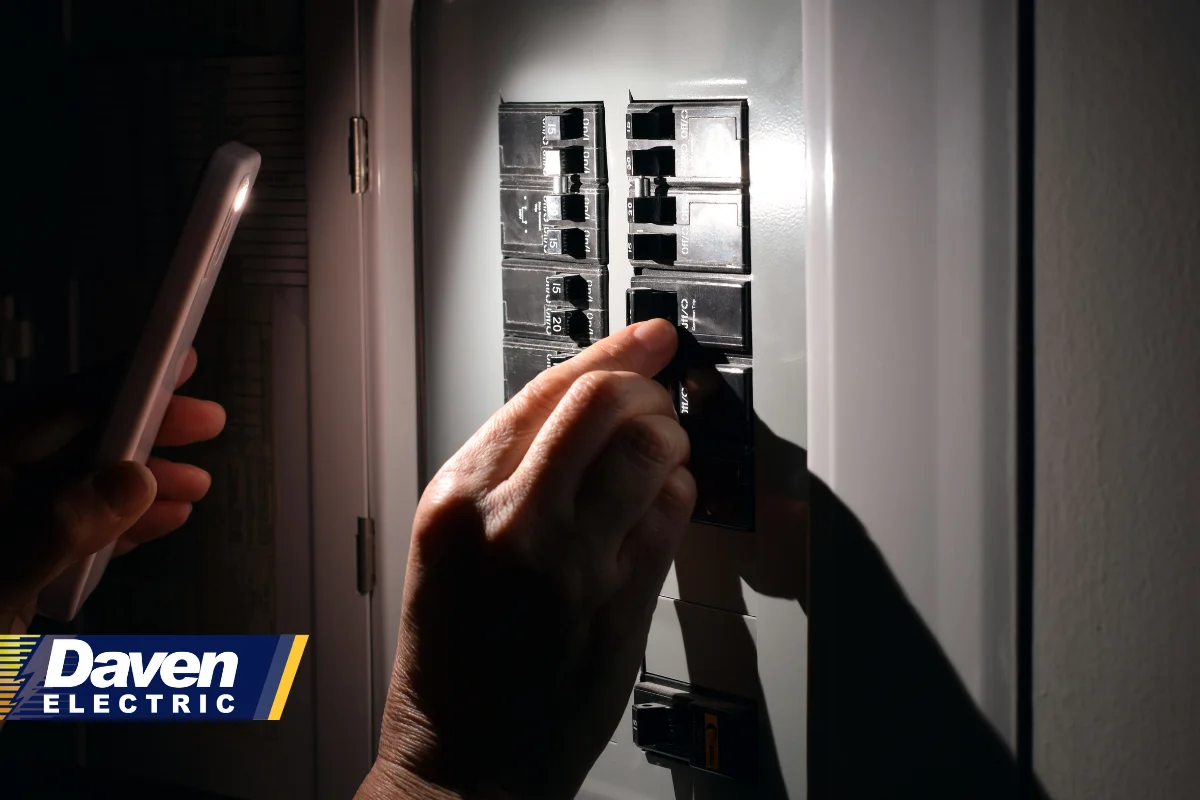
The number of circuits your house can have is limited by two things: the physical breaker spaces in your panel and the overall service capacity of your electrical system. Older homes may need electrical panel upgrades to accommodate modern loads and dedicated circuits.
- Panel spaces: Many older Brooklyn homes have small panels with only 12 to 20 spaces. Tandem breakers can sometimes be used, but NYC code limits their use based on panel listing. If the panel is full, a subpanel may be needed.
- Subpanels: A subpanel is a smart solution when you need to add multiple new dedicated circuits, especially in a finished basement, a top-floor unit in a walk-up, or near a cluster of appliances. It reduces wire run length and labor.
- Service upgrade: For homes adding heavy loads – EV charging, an electric range, full electrification of heating and cooking – a service upgrade from 100-amp to 200-amp is often recommended before adding many new circuits. This may require coordination with Con Edison for the service entrance.
- Professional evaluation required: Only a licensed NYC electrician should open the panel and evaluate whether the bus bar, feeder wires, and overall electrical capacity can safely handle additional circuits. New York City requires licensed professionals for major electrical work to ensure compliance with codes.
Cost Factors for Adding Dedicated Circuits in Madison, Brooklyn
Prices for adding dedicated circuits in Madison vary, but there are predictable cost drivers that affect every project in Brooklyn’s older homes. Here are the main factors:
- Number of new dedicated circuits required, and whether any existing circuits can be repurposed
- Distance and route from panel to appliance – a new circuit on the same floor as the panel costs less than running wire from a basement panel up multiple stories to a top-floor walk-up unit
- Wall and ceiling conditions – how much finished plaster, drywall, brick, or tile must be opened and later repaired in tight Madison layouts
- Whether a subpanel or full service upgrade is also needed – a 100-amp panel upgrade can run 1,500–3,000, while a 200-amp service upgrade may cost 2,500–5,000
- Permit and inspection fees under NYC DOB rules, which are required for any new branch circuit or alteration
For a single straightforward 120V dedicated circuit with a short wire run and easy access, expect roughly 200–500 in Brooklyn. More complex jobs – through brick, across multiple floors, or requiring wall repair – run higher. Some electricians quote 350–700 for a window A/C dedicated circuit installation.
Doing several circuits at once, especially during a renovation, reduces the per-circuit cost significantly. Wire routes can be grouped, permitting consolidated, and wall openings shared. In the long run, batching this electrical work saves money and disruption.
Safety, Permits, and NYC Electrical Code Compliance
In Brooklyn, adding or altering circuits is not a DIY task. All electrical work involving new or modified branch circuits must follow the NYC-amended NEC and requires professional execution.
- New branch circuits require a permit filed by a licensed electrical contractor through the NYC Department of Buildings. Adding circuits requires a permit and inspection – this applies throughout New York City, not just specific boroughs.
- Inspections and final sign-off are mandatory. Skipping them risks code violations, insurance coverage problems, and serious safety hazards.
- NYC amendments require GFCI protection for receptacles in kitchens, bathrooms, outdoors, and garages. AFCI protection is required for many branch circuits in living spaces, bedrooms, and other rooms. Any new circuit must comply with these protections.
- Unpermitted or handyman wiring is particularly risky in multi-family buildings and attached rowhouses, where a fire or electrical failure in one unit can endanger the entire structure. Improperly sized breakers can allow wires to overheat and cause fires – a risk that multiplies in shared-wall construction.
Under the NYS Residential Code, panels must also reserve empty slots for circuits needed for future electric cooking and water heating, even if those appliances aren’t installed yet. Your electrician should account for this during any panel work.
Get Help Sizing and Installing Dedicated Circuits in Madison, Brooklyn
The right number of dedicated circuits keeps your home safe, prevents nuisance trips, and ensures your modern appliances – from your refrigerator to your EV charger – run reliably without overloading shared wiring. Whether you need one new circuit or a full panel upgrade, the first step is an on-site electrical assessment tailored to your specific Madison, Brooklyn home.
Schedule your dedicated circuit assessment today. A licensed electrician like Dave Electric Corp. will evaluate your panel, map your loads, and tell you exactly how many dedicated circuits you need and what upgrades are required – no guesswork, fully permitted, code compliant. Call us now at (212) 390-1106
Frequently Asked Questions
How do I know if my house already has enough dedicated circuits?
Start at your electrical panel. If the breaker directory is labeled, look for breakers assigned to a single outlet or appliance – “refrigerator,” “dishwasher,” “dryer.” Each of those is likely a dedicated circuit. If labels are missing, vague, or the panel is old and unlabeled, you can’t reliably tell which circuits are shared and which are dedicated without professional testing. If your home is older, circuits are unlabeled, or you’re experiencing frequent trips, a professional inspection is the only reliable way to know.
Can two big appliances share the same circuit if they’re never used together?
Generally, no. The electrical code and manufacturer instructions often prohibit sharing, regardless of your usage habits. A dedicated circuit serves only one appliance or device – that’s the definition and the safety standard. Beyond code, there’s a practical reality: other household members or future owners won’t follow the “never together” rule, and the moment both appliances draw power on the same circuit, you risk an overload or a tripped breaker at best – and a fire hazard at worst.
Will adding more dedicated circuits raise my electric bill?
Circuits don’t consume electricity on their own – they’re just pathways. Your energy usage depends entirely on the appliances and devices connected to them and how often they run. In fact, proper dedicated circuits can help appliances run more efficiently by delivering stable voltage, which reduces strain on motors and electronics. You won’t see a spike on your bill from the circuits themselves.
Do I need to rewire my entire Madison home to add dedicated circuits?
In many cases, no. A licensed electrician can often add a limited number of new circuits by running new cable from the panel to specific appliances without tearing out all existing wiring. However, full or partial rewiring becomes advisable when active knob-and-tube wiring is present, insulation on existing wire is brittle or crumbling, circuits are ungrounded, or the overall condition of the home’s wiring is unsafe. Your electrician will advise you after the inspection.
How long does it take to add new dedicated circuits in a Brooklyn house or apartment?
A single straightforward new circuit in a small house – same floor as the panel, accessible walls – can often be completed in a few hours. Multiple circuits across floors in a walk-up, or jobs requiring plaster repair and patching, may take one to several days. Add time for NYC DOB permits and inspections, which are mandatory, and for any required co op or condo board approvals if applicable.
Read Do I Need a Brooklyn Electrician to Install LED Lights?