What You Need to Know Before Hiring an Electrician
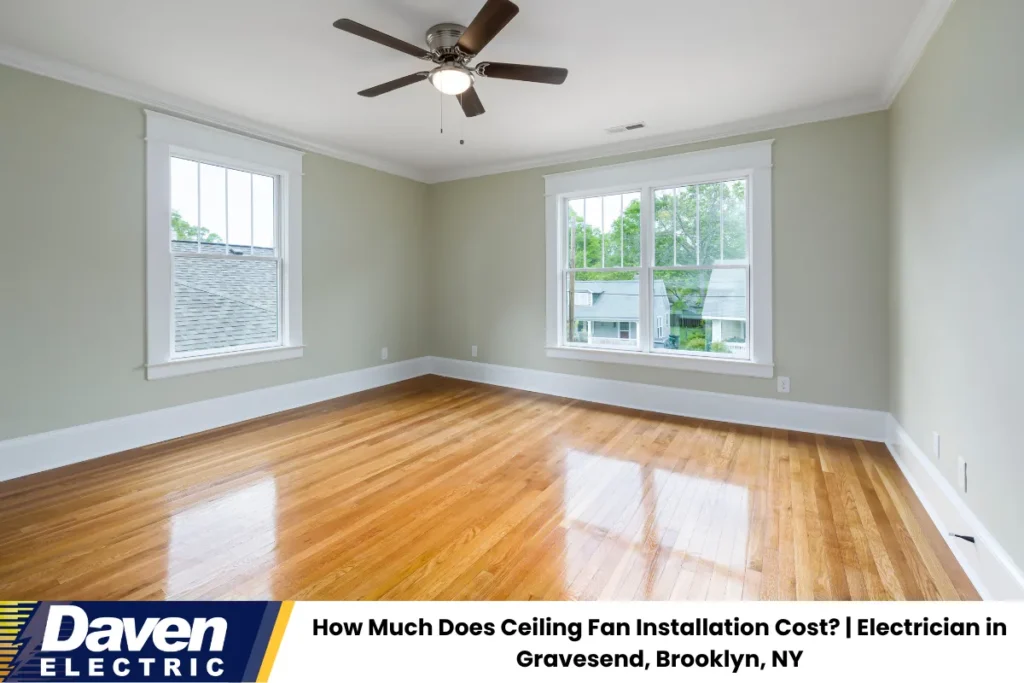
If you are searching for an electrician in Gravesend, Brooklyn, NY to install a ceiling fan, the first question on your mind is probably about price. That makes sense. Nobody wants to call a contractor, commit to a job, and then get blindsided by a number that blows past their budget. The problem is that ceiling fan installation cost varies wildly depending on your home’s wiring, ceiling conditions, and whether you are replacing a fan or starting from scratch. Without clear information, homeowners end up overpaying or, worse, hiring the wrong person and dealing with safety issues down the road. This guide breaks down every cost factor, code requirement, and practical detail so you can hire with confidence and avoid paying more than you should.
Key Takeaways
- Ceiling fan installation costs range from $200 to $700 in Gravesend, Brooklyn, depending on wiring conditions, ceiling height, and job complexity.
- Replacing an existing ceiling fan with an adequate fan rated box in place is significantly cheaper than running new wiring to a fresh location.
- NYC law requires a licensed master electrician for most electrical work that involves new circuits, new boxes, or wiring alterations, and permits may be necessary depending on the scope.
- A fan rated electrical box is essential for safe installation; using a standard light fixture box that cannot handle the fan’s weight creates serious risk.
- Several factors including building type, ceiling material, and access difficulty can push total cost well beyond baseline estimates.
Typical Cost to Install a Ceiling Fan in Gravesend, Brooklyn, NY
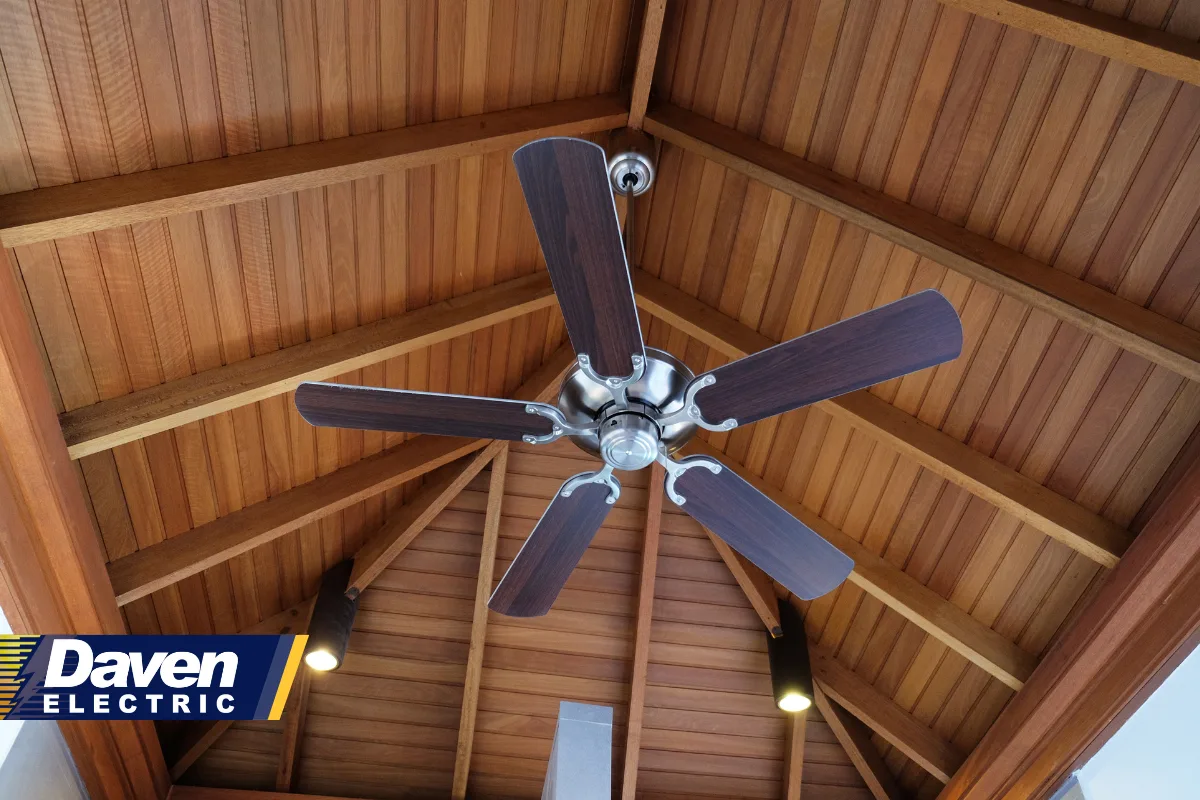
A ceiling fan installation typically costs between $150 and $600 for most residential jobs across the country. In Gravesend and the broader Brooklyn area, expect to pay toward the higher end of that range. Average ceiling fan installation costs range from $200 to $700 once you account for local labor rates and the realities of working in NYC apartments and older homes.
Here is a quick breakdown of where the numbers land:
| Job Type | Estimated Cost Range |
|---|---|
| Simple fan-for-fan swap | $200 – $400 |
| Replace light fixture with fan | $250 – $500 |
| New fan where no fixture exists | $500 – $1,500+ |
| Professional labor per hour | $50 – $100 |
NYC labor rates are generally higher than the national average, which is one reason quotes in Brooklyn tend to sit above what you might see in other parts of the country. Labor costs for ceiling fan installation average $50 to $100 per hour, but many local pros will quote a flat rate for straightforward jobs rather than billing hourly. Mid-grade installations that include both the fan and materials often average around $415, while installing a fan the homeowner has already purchased brings the price closer to $275 to $300 for labor alone.
Price Differences: Replacing an Existing Fan vs. New Ceiling Fan Installation
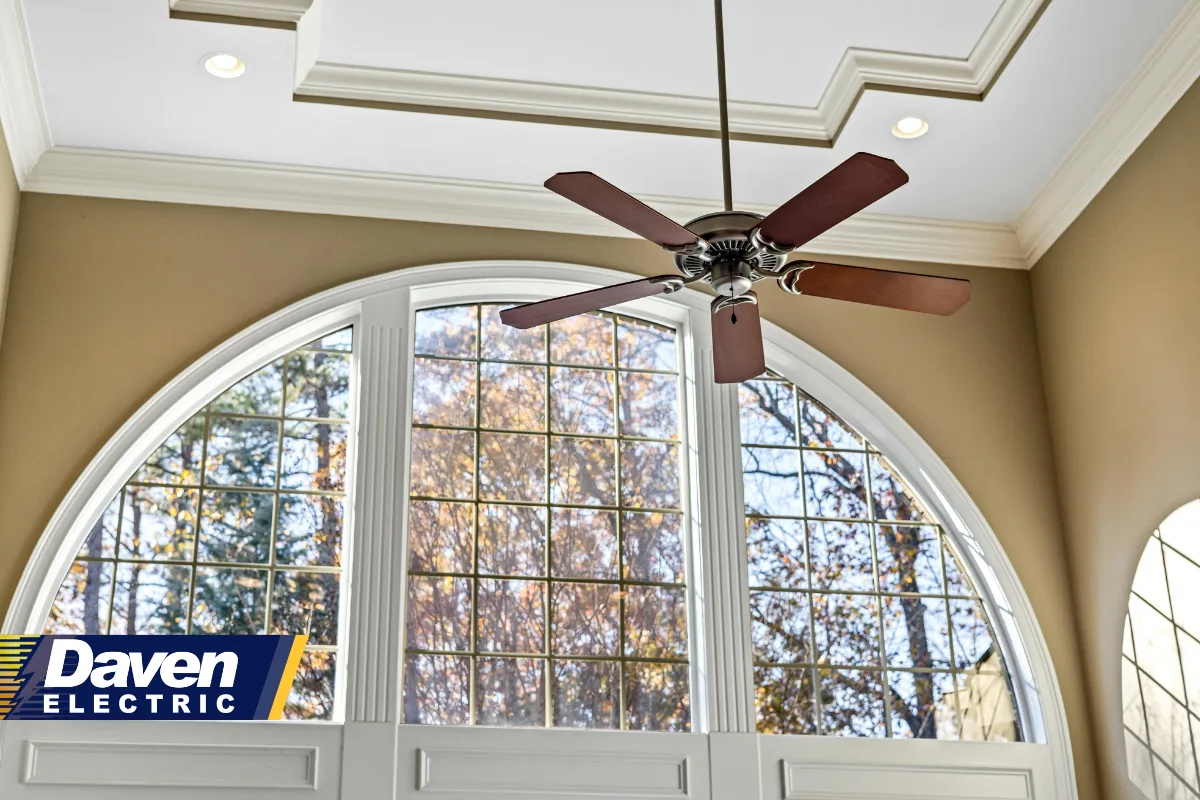
The single biggest factor separating a reasonable bill from a large one is whether your home already has the right setup in place.
Swapping an Existing Ceiling Fan
Replacing an existing ceiling fan where a fan rated box and proper wiring already exist is the least expensive scenario. You are essentially removing one unit and mounting another. The overall cost for this type of job typically falls between $100 and $500, depending on fan complexity and the electrician’s minimum service fee. Existing wiring reduces installation costs significantly because the contractor does not need to run cable, cut into walls, or upgrade your electrical box.
Converting a Light Fixture to a Ceiling Fan
If you currently have a light fixture and want to install a fan in its place, the job gets a bit more involved. The existing light fixture box is rarely rated for the weight and vibration of a ceiling fan. Adding a fan rated electrical box costs an additional $100 to $150 in materials and labor. Expect this type of conversion to run between $250 and $500 total.
Brand New Installation With No Existing Fixture
Installing a ceiling fan where no wiring exists averages around $350 for basic setups, but can climb much higher in Brooklyn homes with plaster ceilings, limited attic access, or complicated routing paths. New wiring installation averages around $350 if none exists for straightforward runs. Once you factor in junction box installation, switch wiring, drywall or plaster repair, and potential permit fees, total cost for a completely new installation often lands between $500 and $1,500.
Major Factors That Change Your Ceiling Fan Installation Cost
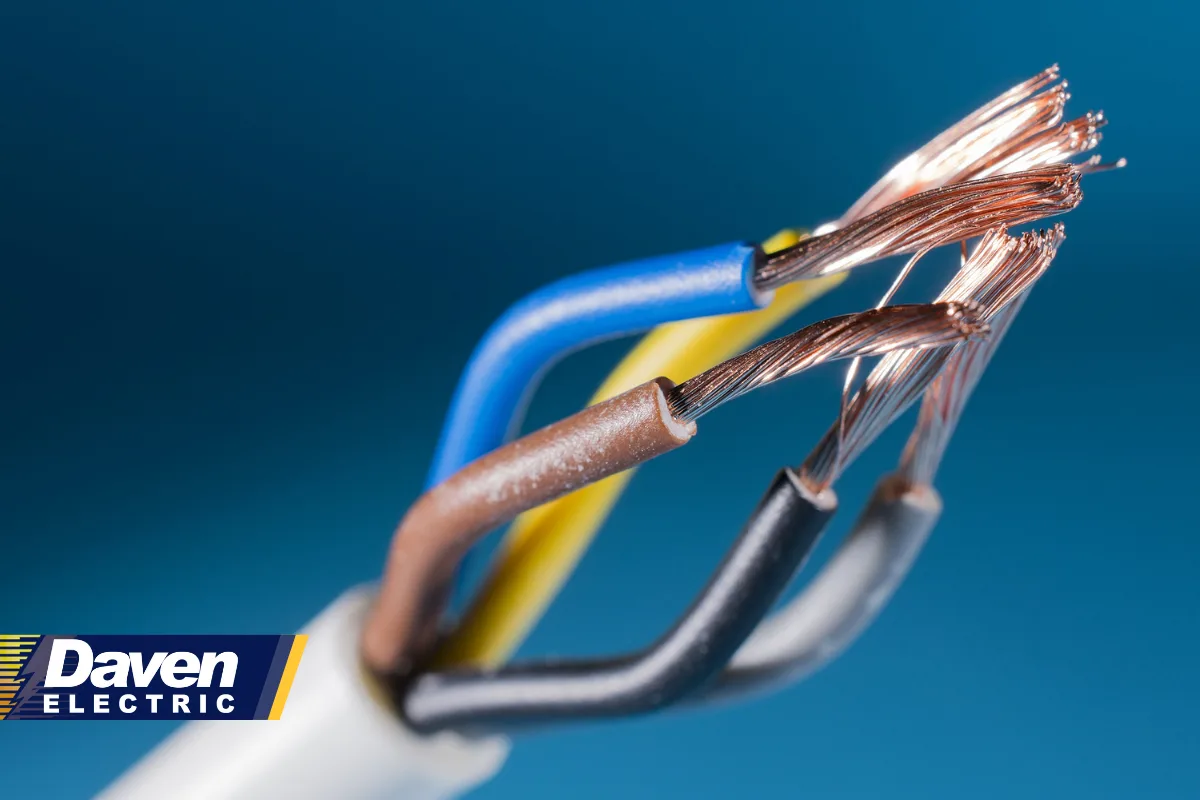
Several factors determine where your project falls on the price spectrum. Here are the most common variables that affect what you will pay.
- New wiring vs. existing circuits. New wiring increases installation costs to $400 to $1,000 depending on how far cable needs to run and how difficult the routing is. Installing new electrical work can significantly increase costs, especially in pre-war buildings with plaster and lath construction.
- Ceiling height and slope. High ceilings require additional equipment and labor costs. Installing a fan in high ceilings increases costs due to extra labor, scaffolding, or specialty ladders. Vaulted or angled ceilings also need specific mount hardware.
- Junction box condition. If your current electrical box is not fan rated, the electrician must replace it. This is not optional for safety or code compliance.
- Switch and control setup. Adding or relocating a wall switch adds labor. Remote controls add material cost but simplify the wiring if no switch exists.
- Building type and access. Older homes in Gravesend with plaster ceilings, narrow crawl spaces, or no attic access take longer to work in. Co-op buildings may require alteration agreements, which adds administrative time.
- Number of fans. Multiple fan installations on the same visit can reduce per-unit cost because the electrician is already on site with tools and materials set up.
- Minimum service fees. Electricians may charge a minimum fee for short jobs, often between $100 and $200, regardless of how quick the work is.
- Scheduling. After-hours, weekend, or summer appointments may carry surcharges when demand for electrical services is highest. Quick response times during peak season are convenient but often come at a premium.
Read How Long Does It Take to Install a Ceiling Fan? | Electrician in Gravesend, Brooklyn, NY
Wiring Conditions, Electrical Panel Capacity, and Code in Brooklyn
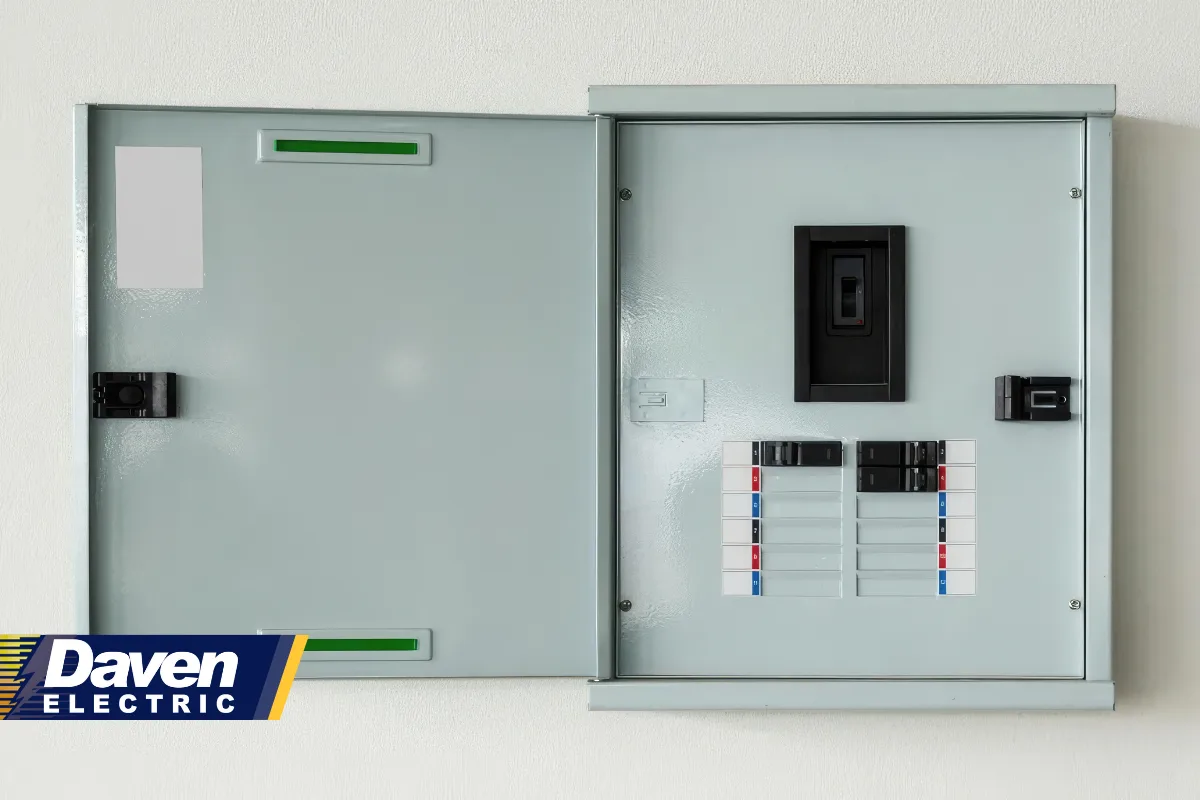
Brooklyn’s housing stock includes everything from century-old brownstones to postwar apartment complexes. The condition of your wiring matters enormously when it comes to installation cost and safety.
NYC Electrical Code Requirements
NYC requires all electrical work involving new wiring, new circuits, or junction box installation to be performed by a licensed master electrician. This is not a suggestion. It is city law, enforced by the Department of Buildings. Recent local legislation continues to reinforce that only licensed master or special electricians may handle certain classes of electrical work.
Permits may be necessary for some electrical work in NYC. If your project involves running a new circuit, installing a new junction box, or modifying your electrical panel, your electrician must file the appropriate permit with the Department of Buildings. Minimum permit filing fees typically start around $130.
Panel Capacity and Older Wiring
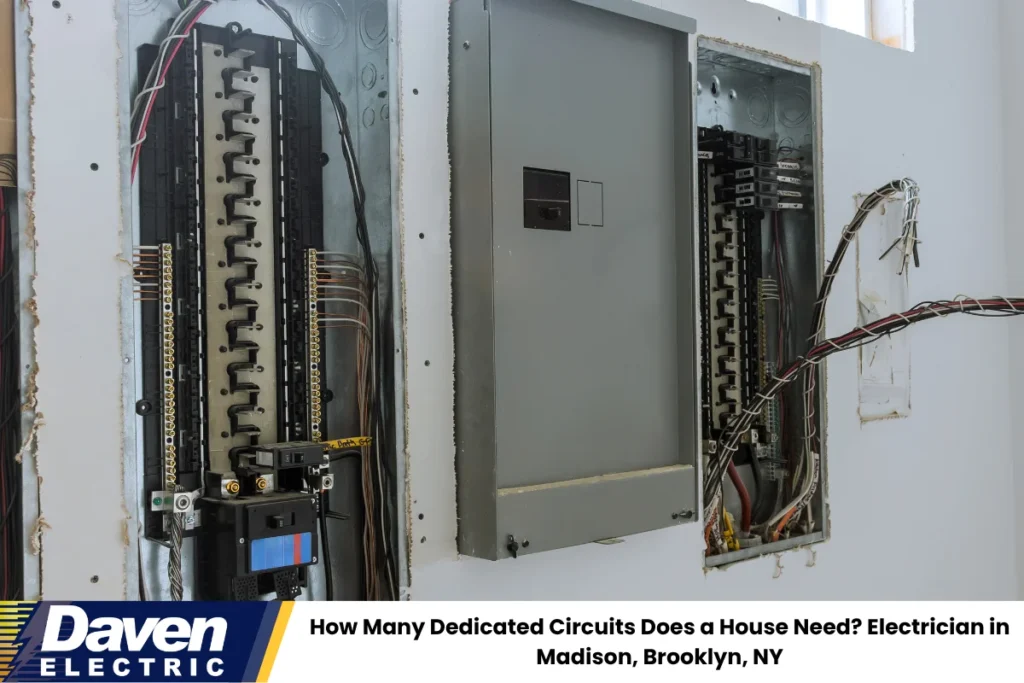
Before adding a fan, a qualified professional will check whether your electrical panel has sufficient capacity. In older homes, you may encounter knob-and-tube wiring, aluminum wiring, or undersized panels that need attention before any new devices go in. If breakers are already maxed out, adding a dedicated circuit becomes part of the scope and adds to the price.
A fan rated electrical box is essential for safe installation. Standard boxes designed for a light fixture are not engineered to handle the dynamic load and vibration a ceiling fan creates, and code requires the upgrade when switching from a fixture to a fan.
Choosing the Right Ceiling Fan, Height, and Mounting Hardware
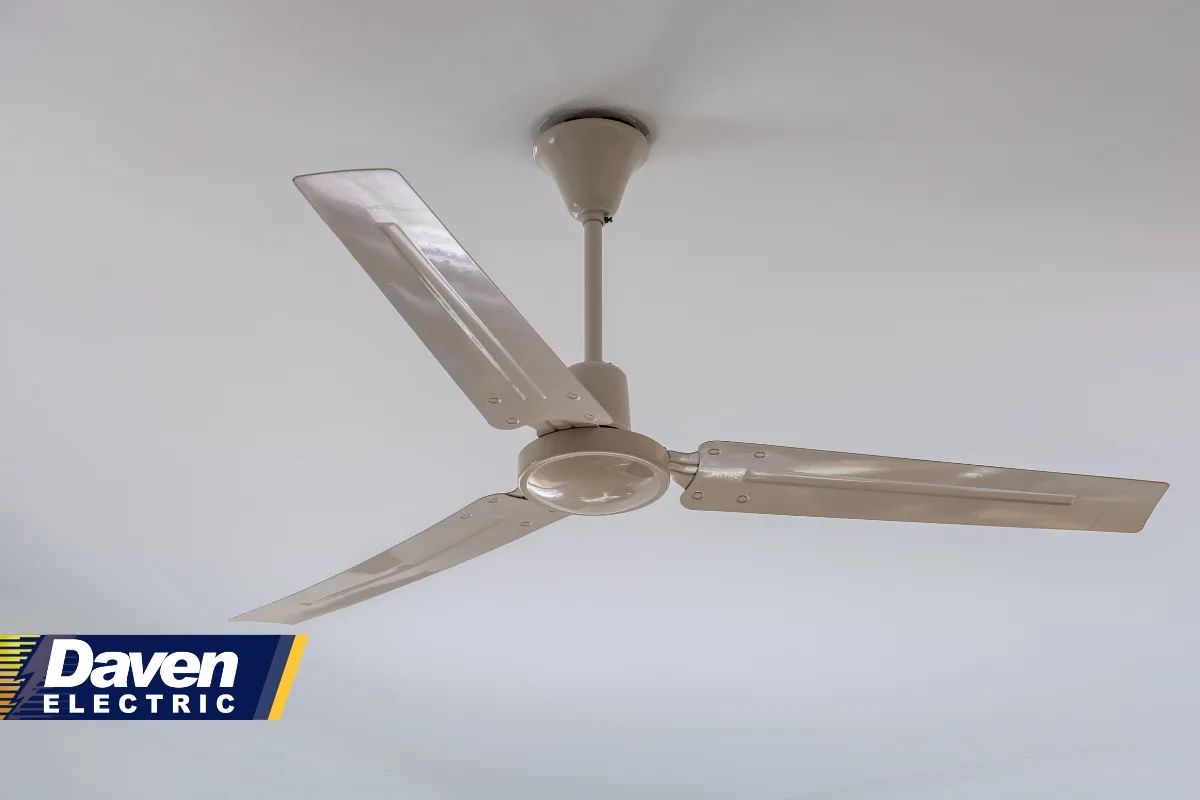
Selecting the right fan is not just about aesthetics. The fan you choose directly affects installation complexity and cost.
Fan Types by Ceiling Height
- Low-profile fans, often called hugger or flush mount fans, are designed for ceilings 8 feet or lower. They mount directly to the box without a downrod, keeping the fan close to the ceiling for adequate clearance.
- Hanging propeller fans are best for ceilings 9 feet or higher. These use a downrod to drop the fan to an optimal height for air circulation.
- Directional fans can adjust airflow direction for specific areas, making them useful in rooms with unusual layouts.
- Rotational fans feature two or more heads for enhanced circulation and work well in large open spaces.
Fan Cost and Features
Standard ceiling fans typically cost between $50 and $300 for the unit itself, depending on blade span, motor type, and features. DC motor fans are quieter and more energy-efficient but carry a higher upfront cost. Fans with integrated LED lights or smart home compatibility also add to the material price.
Mounting Hardware
Every ceiling fan needs a fan rated box secured to a ceiling joist or supported by an approved brace. If the existing box in your room is plastic or decorative, it must be replaced. Larger fans with longer blade spans put more stress on the mount, so the mounting hardware needs to match the fan’s weight and size.
Why Hiring a Brooklyn Electrician Beats DIY for Ceiling Fans
It might be tempting to save money by doing the work yourself, but ceiling fan installation in Brooklyn is one job where cutting corners can go seriously wrong.
- Code compliance. Licensed electricians ensure compliance with electrical codes. NYC law is clear that most wiring work must be done by a licensed professional. A handyman may be able to swap a fan in an existing rated box, but anything beyond that requires proper licensing.
- Safety. Improper installation can lead to electrical fires or property damage. A loose mount, undersized wiring, or ungrounded connection creates real risk for your household.
- Insurance. Professionals carry insurance that covers installation-related damages. If something goes wrong during or after the job, you are protected. A DIY mistake or unlicensed work leaves you fully exposed.
- Building requirements. Many Gravesend co-ops and buildings require that all electrical work be performed by a licensed electrical contractor, with documentation submitted to management. Skipping this process can lead to violations or fines.
- Customer satisfaction and warranty. A professional stands behind the work. If the fan wobbles, hums, or develops issues, you have someone to call back who will make it right.
How the Installation Process Works in a Typical Gravesend Home
Understanding the process helps you know what to expect and plan your day accordingly. Professional installation typically takes 1 to 3 hours to complete, depending on job complexity.
Step-by-Step Overview
- Initial assessment. The electrician inspects your ceiling, existing wiring, junction box condition, and ceiling height. They check the electrical panel to confirm circuit capacity and identify whether a dedicated circuit is needed.
- Quote and permit filing. You receive a detailed quote covering labor, parts, permit fees, and any additional work like box replacement or new wiring. If permits are required, the electrician handles the filing with the NYC Department of Buildings.
- Electrical preparation. The existing fixture or fan is removed. If the junction box needs replacing, the electrician installs a fan rated box secured to framing. New cable is routed if the location lacks existing wiring. Wall switches or remote control receivers are wired at this stage.
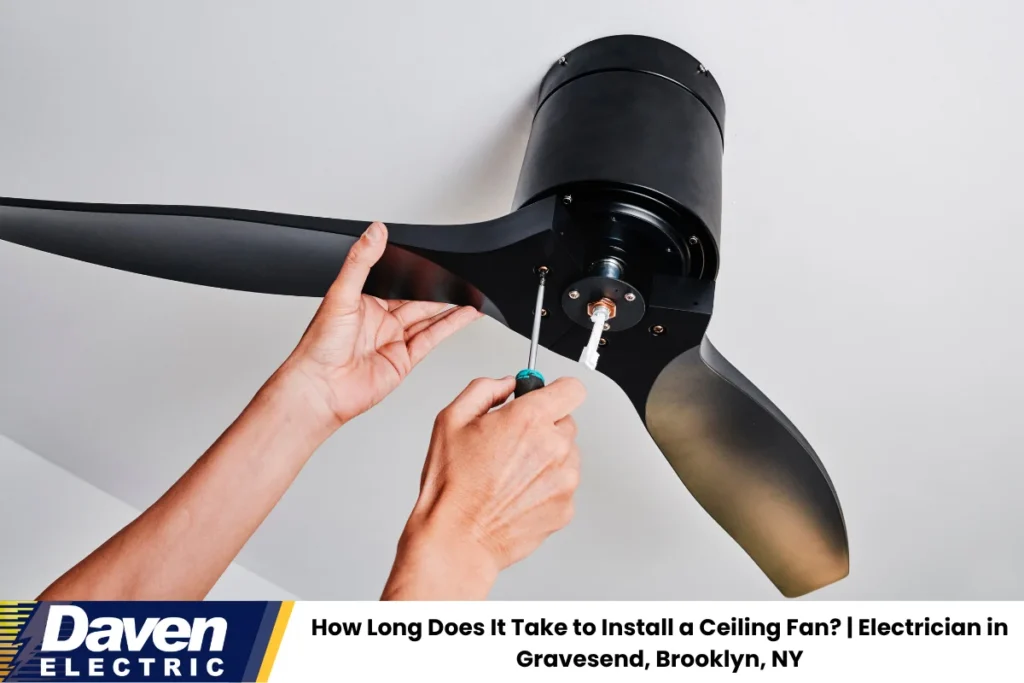
- Mounting and finishing. The fan is secured using the appropriate mount type: flush, downrod, or angled. Blades are attached and balanced. Any drywall or plaster that was opened during wiring is patched and finished. The electrician tests all functions including light, fan speed, and switch or remote operation.
- Inspection and sign-off. If a permit was pulled, the Department of Buildings schedules an inspection. Co-op buildings may also require management approval before the job is considered complete.
The entire process is designed to ensure that everything is done correctly the first time so you do not end up dealing with a partial power outage, a wobbly fan, or a follow-up visit that costs more money.
Electrician in Gravesend, Brooklyn, NY – Daven Electric Corp.
At Daven Electric Corp., we specialize in ceiling fan installation and a full range of residential and commercial electrical services throughout Brooklyn. Our team of licensed professionals handles everything from simple fan replacements to complex new wiring projects, ensuring safety and full compliance with NYC code at every step. We provide transparent, detailed quotes so there are no surprises on your bill. Whether you need outlet repair, a panel upgrade, or a ceiling fan mounted in a bedroom with high ceilings, we bring the right tools and experience to get the job done. We are committed to customer satisfaction and quick response times on every call. Contact Daven Electric Corp. today at (212) 390-1106 or fill out our contact form to schedule your installation.
Frequently Asked Questions
How long does it take to install multiple ceiling fans in the same home?
If you are having more than one ceiling fan installed during the same visit, the first fan typically takes the longest because the electrician needs to set up, assess your electrical panel, and get organized. Each additional fan in a similar setup usually adds about 45 minutes to an hour. For three fans in rooms with existing wiring and fan rated boxes, expect the complete job to take roughly three to four hours. Having the fans unpacked and ready to go before the electrician arrives can save time. Multiple installations in one visit also tend to reduce the per-unit cost since travel and setup are only happening once.
What should I do if my ceiling fan starts wobbling after installation?
A wobbling fan usually indicates a balance issue with the blades, a loose mount, or a junction box that is not properly secured. First, turn the fan off and check that all blade screws are tight. Most fans come with a balancing kit that includes small adhesive weights you can attach to individual blades to correct minor imbalances. If the wobble persists, the mounting bracket or the fan rated box itself may need attention. This is not something to ignore, because prolonged vibration can loosen connections over time and create a safety hazard. Contact your electrician to inspect the mount and wiring if tightening the hardware does not resolve the problem.
Can I install a ceiling fan on a circuit that already has other devices?
In many cases, yes. A standard ceiling fan draws relatively low power, and it can often share a circuit with other light fixtures or outlets without overloading breakers. However, the total load on that circuit must remain within safe limits. If the circuit is already near capacity, or if you are adding a fan with a high-wattage light kit, your electrician may recommend a dedicated circuit. This is especially common in older homes where the existing wiring and panel may not support additional load comfortably. Your electrician will assess the circuit capacity during the initial consultation and advise whether a new line needs to be run.
Are there specific ceiling fan requirements for co-op apartments in Gravesend?
Many co-op buildings in Gravesend and throughout Brooklyn require homeowners to submit an alteration agreement before performing any electrical work, even something as routine as a ceiling fan installation. The building management or board typically wants to verify that a licensed electrical contractor is doing the work and that all necessary permits have been filed. Some buildings also have restrictions on ceiling penetrations, noise levels, or the type of mounting hardware allowed. Before scheduling your install, check with your co-op management to find out what documentation they need and whether there are any building-specific rules that apply to your unit.
Is it worth upgrading to a smart ceiling fan during installation?
Smart ceiling fans connect to your home Wi-Fi and can be controlled through an app, voice assistant, or remote controls. The convenience factor is significant, especially in a bedroom or living room where you want to adjust fan speed or lighting without getting up. From a cost perspective, smart fans typically add $50 to $200 to the price of the unit compared to a standard model, but installation labor remains roughly the same since the wiring process is identical. The upgrade makes the most sense if you are already paying for professional installation and want to future-proof your setup. Your electrician can confirm compatibility with your existing switch and wiring during the assessment.
Disclaimer
Disclaimer: This article provides general information about ceiling fan installation costs and requirements in Gravesend, Brooklyn, NY. It is not legal or professional advice. Always consult a licensed master electrician and the NYC Department of Buildings before beginning any electrical project.
Read How Many Dedicated Circuits Does a House Need? | Electrician in Madison, Brooklyn, NY