How Fast Can a Ceiling Fan Be Installed?
If you have ever searched for an electrician in Gravesend, Brooklyn, NY to help cool down a stuffy bedroom or living room, you have probably wondered just how long the whole process takes. The short answer is that a typical ceiling fan installation runs about one to two hours when a pro is swapping out an existing light fixture with compatible wiring and a proper electrical box. But that number can climb to three or four hours when the job calls for new wiring, a box upgrade, or work on high ceilings with limited access. Hot rooms, wobbly old fans, confusing wires behind the canopy, and uncertainty about building codes are real frustrations for Gravesend homeowners. Professional installation solves all of those problems in a single visit, keeping your home safe, comfortable, and up to code.
Key Takeaways
- Most professional ceiling fan installation jobs in Gravesend take about 1–2 hours when replacing an existing light fixture with good wiring and a fan-rated electrical box.
- If a new electrical box, new wiring, or ceiling reinforcement is needed, installation can extend to 3–4 hours or more, depending on ceiling height and access.
- Brooklyn, New York work must follow the National Electrical Code and local amendments, so licensed pros are recommended for new wiring, new circuits, or structural changes.
- Factors like ceiling height, fan size, light kits, and smart controls all influence how long the job takes and whether professional installation is the safer choice.
- Hiring a qualified electrician in Gravesend reduces safety risks, protects your home, and helps ensure the ceiling fan is installed correctly the first time.
Typical Timeframes for Ceiling Fan Installation in Gravesend
The installation time can vary based on factors like existing wiring and ceiling height, but most jobs fall into a few predictable ranges. Here is what to expect when a qualified electrical contractor arrives at your door in Brooklyn, New York.
An electrician typically takes 1 to 3 hours to install a ceiling fan, depending on the starting conditions. Professional electricians typically complete installations in 1-2 hours when the setup is straightforward.
- Replacing an existing ceiling fan with a similar model usually takes about 60–90 minutes when the bracket, wiring, and fan-rated box are already in place and in good condition.
- Replacing an existing fixture such as a basic light fixture generally takes 1 to 2 hours because the box needs to be verified and possibly upgraded.
- Installing ceiling fans where no fixture exists, requiring new wiring and a new box, can push the appointment to 2–4 hours. Installing a fan without prior electrical connections can extend installation time significantly.
- Standard Brooklyn apartments often feature 8-to-9-foot ceilings allowing quicker setups, while homes with vaulted or decorative ceilings need more time for downrod adjustments and secure mounting.
If you plan to have multiple fans installed across several rooms during one visit, the total appointment grows but the per-unit time often drops because the electrician is already set up.
Step-by-Step Process and How Long Each Phase Takes
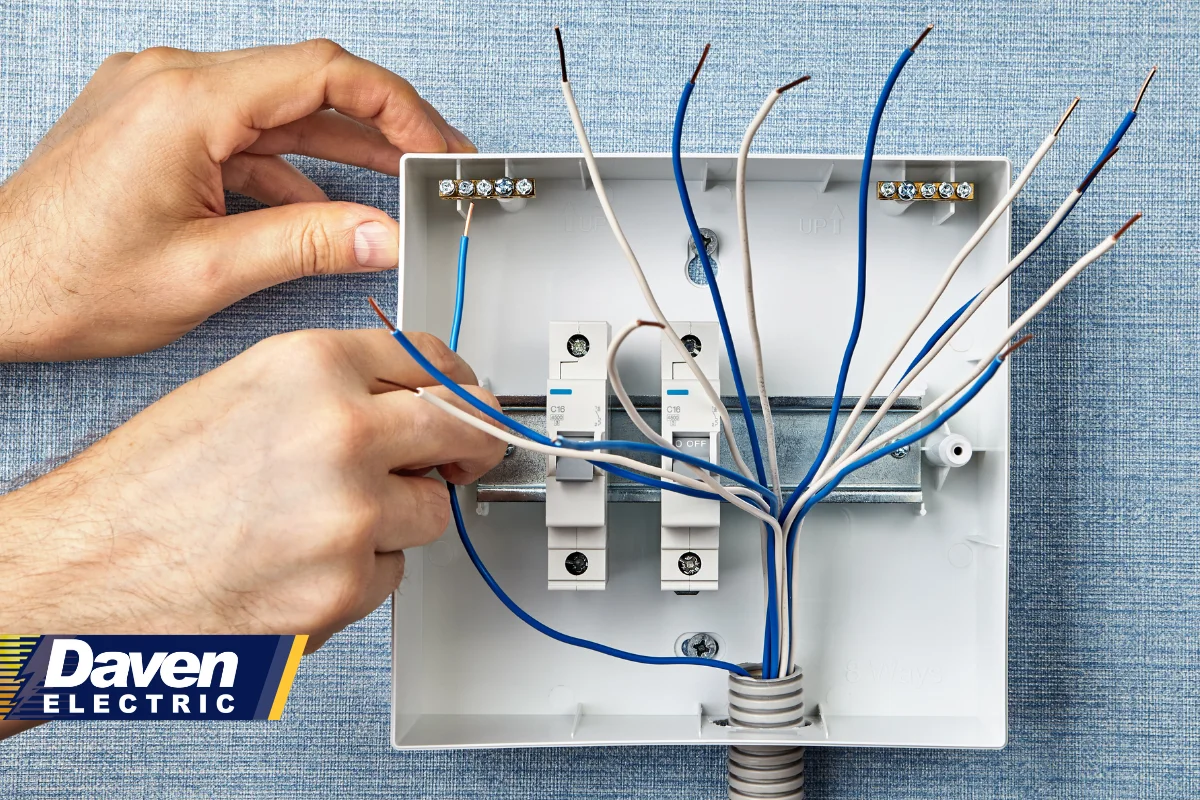
Breaking the job into stages helps you understand where your time and money go during a professional installation. Here is how a residential electrician typically works through each phase.
Power Shutdown and Safety Verification
The first step is shutting off power at the electrical panel and confirming the circuit is de-energized with a voltage tester. This takes about 5–10 minutes. In older Brooklyn buildings where panels are poorly labeled, expect the electrician to spend a bit longer identifying the correct circuit. You need a ladder, screwdriver, and voltage tester just to get started safely.
Inspecting and Prepping the Electrical Box
Next, the existing electrical box gets a close look. The electrician checks whether it is fan rated, securely attached to framing, and free of damaged or outdated wiring. If the box needs replacing or a brace needs to go in between the joists, this phase runs 15–30 minutes. A wire stripper is essential for connecting wires during this stage, and pliers may be needed for attaching cotter pins on certain mounting hardware.
Assembling the Fan Components
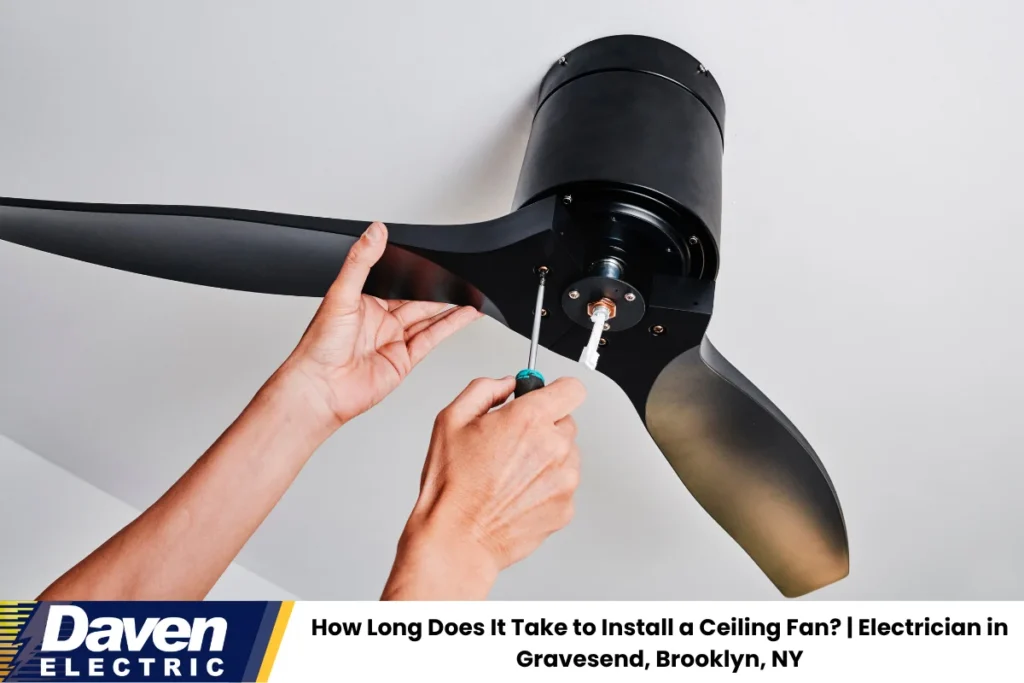
Before anything goes on the ceiling, the fan gets assembled on the ground. Motor housing, downrod, canopy, blades, and any optional light kit all get put together. This usually takes 20–30 minutes. Complex fan designs and assembly may take additional time compared to simpler models, especially those with integrated LED modules or remote controls.
Mounting and Wiring
A drill is useful for securing the mounting bracket to the fan-rated box or brace. The electrician then hangs the motor, routes and connects the hot, neutral, and ground conductors, and adds any additional wires for separate light control. Count on another 20–30 minutes here. Proper tools ensure safe and efficient ceiling fan installation throughout this critical step.
Final Assembly, Testing, and Balancing
Attaching the blades, installing the light fixture or globe, and fitting bulbs comes next, around 10–15 minutes. Then power goes back on for testing. The electrician runs through each fan speed, checks the lights, and looks for wobble. Final balancing and minor adjustments take another 10–15 minutes to make sure the fan runs at optimal performance.
Key Factors in Gravesend That Change Installation Time
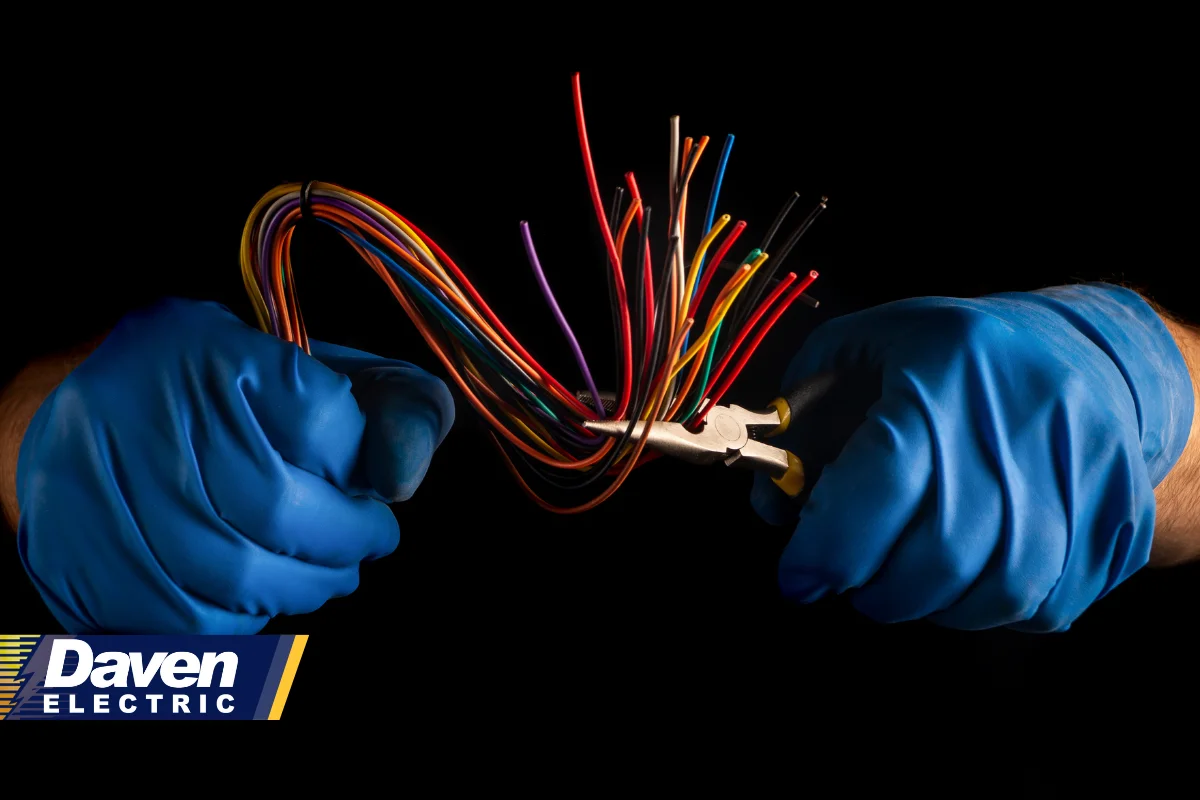
No two homes are identical, and local building styles in Gravesend influence how long installing ceiling fans actually takes. Several factors can push a routine job into complicated territory.
Existing Wiring Condition
Older homes often require more time due to outdated wiring and ceiling structures. Cloth-insulated cables, aluminum branch circuits, or mixed wiring systems common in pre-war rowhouses demand extra inspection and possible corrections before a fan can go up safely. Installing a ceiling fan without existing wiring can take up to an hour longer than a standard swap.
Electrical Box Type
Most fans require a fan-rated electrical box. If the current box only supports a light fixture, upgrading from a standard light fixture box to a fan-rated box adds time, typically 20–40 minutes depending on ceiling finish and joist access. In plaster-over-lath ceilings, which are common in Gravesend brownstones, this work takes extra care to avoid damaging the surrounding finish.
Ceiling Height and Structure
High ceilings can add 30 minutes to installation time because of the need for taller ladders, longer downrods, and additional hardware. Installing on high ceilings may require additional materials such as extension downrods and specialized mounting kits. Sloped or coffered ceilings with decorative elements push that number even higher.
Fan Complexity and Features
Basic pull-chain fans with three blades go up quickly. But large-diameter models with heavy wooden or metal blades, integrated LED modules, smart controls, or devices that pair via Bluetooth all add setup and programming time. A bunch of extra components means a bunch of extra minutes.
Building Access and Logistics
Installation in multi-family buildings may involve additional approval and scheduling constraints. Tight stairwells, small elevator cabs, restricted work hours, and the need for building super permission in co-ops or condos can add time before the electrician even picks up a tool. If you live in an apartment, plan ahead and coordinate access so the visit goes smoothly.
Read How Much Does Ceiling Fan Installation Cost? | Electrician in Gravesend, Brooklyn, NY
Comparing DIY vs. Professional Installation Time in Brooklyn Homes
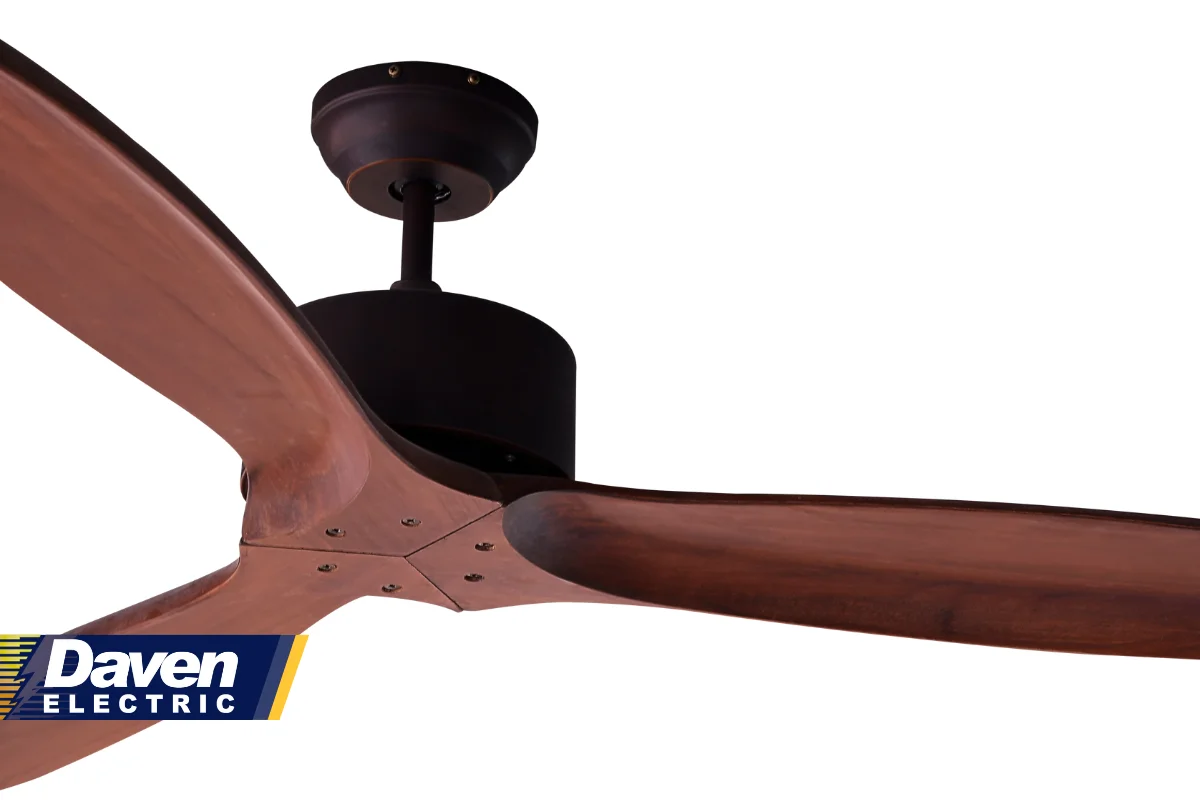
There is a real difference between the time an experienced homeowner spends versus what a licensed electrician needs for the same ceiling fan installation in a Gravesend home.
DIY ceiling fan installation often takes 2–4 hours or more for someone comfortable with a ladder and basic tools but less familiar with residential wiring and code requirements. First-time DIYers frequently spend extra time reading instructions, organizing a grab bag of hardware, and troubleshooting wiring issues such as switched loops or multi-gang boxes. One wrong connection and you may need to start over, or worse, create electrical hazards that are not immediately obvious.
A licensed electrician typically completes the same job in 1–2 hours by quickly assessing existing wiring, electrical box condition, and control options. They arrive with the necessary tools and experience to handle unexpected issues like missing ground conductors or overcrowded junction boxes without losing momentum.
Hiring a professional can save money by preventing costly mistakes such as damaging ceiling finishes, miswiring the motor, or overloading a circuit. Many ceiling fan manufacturers require professional installation for warranties to remain valid, so going the DIY route could cost you coverage down the road. If the job involves new wiring runs, structural changes, or permits, leave it to the pros.
That said, DIY may be reasonable if you are replacing a fan on a standard-height ceiling where the existing fan-rated box and wiring are clearly in good shape. Hey, if the setup is truly straightforward, a confident handyman can handle it. But when in doubt, calling an electrical service provider is the smarter move.
Safety, Code Requirements, and When Extra Time Is Needed
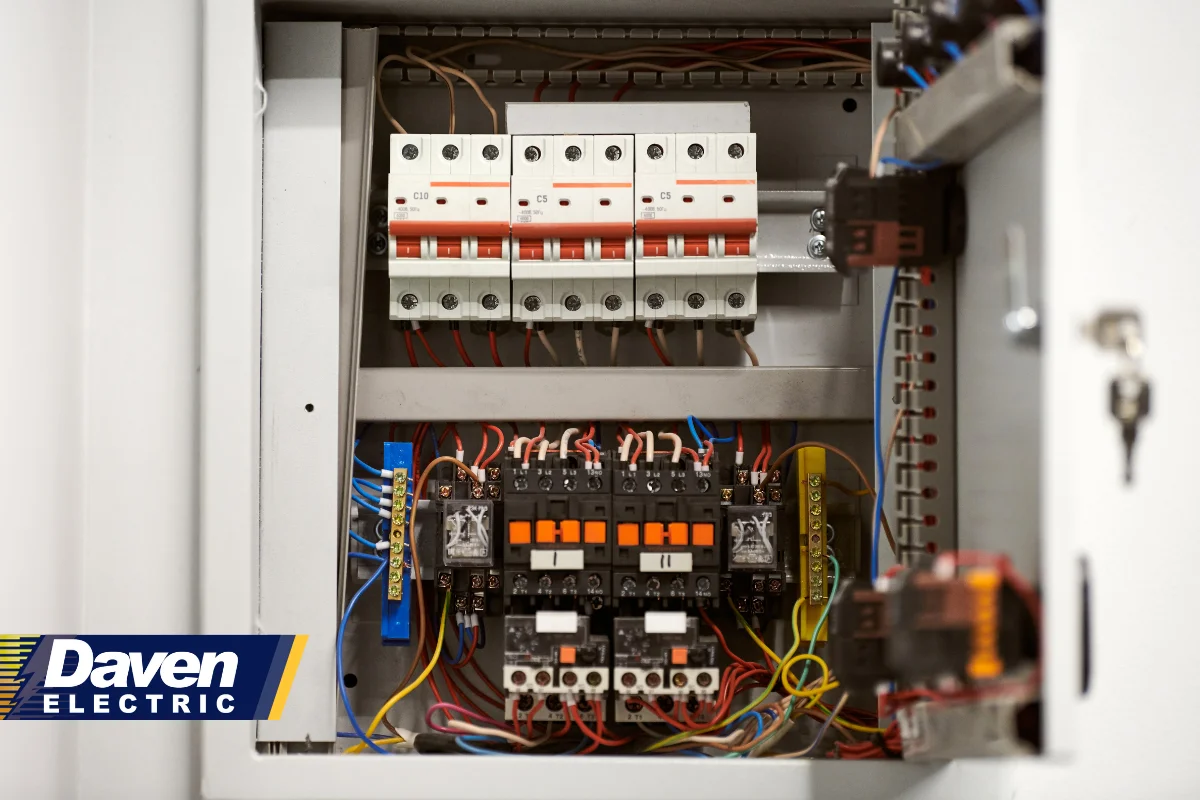
In Brooklyn, New York, all electrical projects must follow the National Electrical Code and applicable local rules, which influence both time and method for every ceiling fan installation.
Local electrical codes typically require fan-rated electrical boxes for ceiling fan installations. Standard light fixture boxes are not rated to handle the weight and vibration of a ceiling fan, and using one is a code violation. Ceiling fans must be anchored to a fan-rated electrical box to prevent detachment over time. Licensed electricians ensure compliance with the National Electrical Code and the 2025 NYC Electrical Code amendments, keeping your home safe and legal.
Improper installation can lead to electrical fires. That risk alone makes it worth having the work done by someone who understands circuit load, wire gauge, and proper connections. A residential electrician will verify that the branch circuit can handle the additional draw from the fan motor and any integrated lighting without tripping breakers or creating a fire hazard. Improper installation can lead to electrical fires, so this step is never optional.
A licensed electrician ensures compliance with electrical codes, and homeowners risk fines if installations don’t meet local building codes. Some projects may require permits or inspections when adding new wiring, new circuits, or structural support, adding administrative and scheduling time beyond the installation itself.
Situations that commonly push the clock include discovering no grounding conductor, deteriorated splices, or evidence of improper previous work inside the box or ceiling cavity. Secure mounting into appropriate framing or a fan brace is especially important in older plaster ceilings where joists may not be centered directly over the electrical box location. Loose screws or a wobbly bracket signal that something needs attention before the fan goes up.
Practical Tips to Speed Up Your Ceiling Fan Installation Appointment

Homeowners can help reduce total visit time and labor cost by preparing the space before the electrician arrives.
- Clear furniture, decor, and fragile items from beneath the installation area. Leave enough room for a ladder and floor space for tools and fan components.
- Have the new ceiling fan on-site, unpacked, and checked for all parts including blades, bracket, remote, and downrod. Missing parts lead to delays or a return trip.
- Confirm your ceiling height and note whether the ceiling is flat, sloped, or has decorative elements so the electrician can bring the right mounting kit.
- Decide on your specific needs in advance: separate fan and light switches, a dimmer, or a remote control. Changing the plan mid-install adds time.
- Schedule during daylight hours when possible, especially if the existing light fixture will be removed and the room has limited natural air and lighting.
How Installation Time Affects Overall Cost in Gravesend
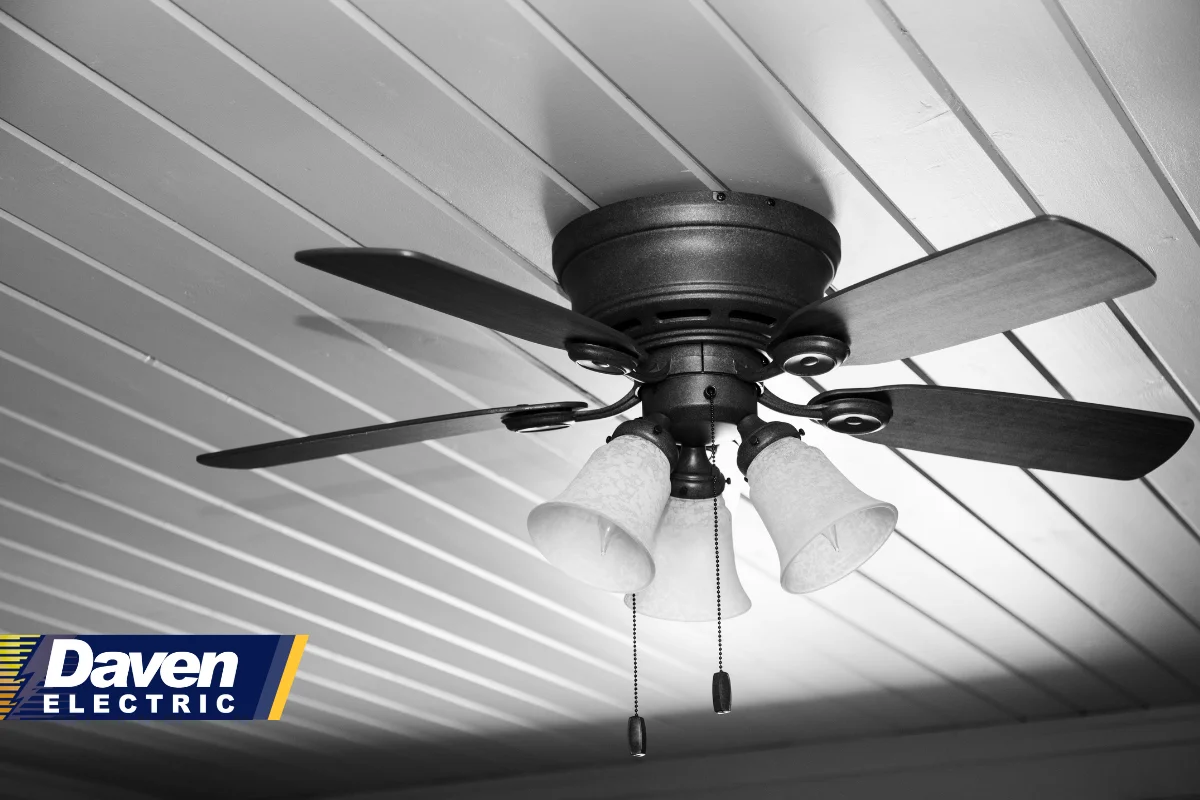
Labor time is a major component of the total price for ceiling fan installation in Brooklyn residences, so understanding the connection between hours and dollars helps you plan your budget.
Basic ceiling fans start around $50 for simple pull-chain models, while smart ceiling fans can exceed $500 in cost with features like app control and integrated LED modules. Labor costs for installation range from $100 to $300 depending on the complexity of the job and the electrician’s rate.
Straightforward jobs on an existing fan-rated electrical box fall at the lower end of that range. Projects involving new wiring runs, box upgrades, or work in high or sloped ceilings naturally result in higher charges. New wiring can increase installation costs significantly because it involves cable fishing, additional materials, and more time.
Combining several installations into a single visit can improve efficiency. When an electrician is already set up with tools and the power is off, hanging a second or third fan takes less time per unit than booking separate appointments for each room. Complex installations may take 3-4 hours in total, but the per-fan labor drops.
Investing in professional installation can also prevent costly future repairs, damage from a falling fan, or issues caused by overloaded or incorrectly wired circuits. Asking for an estimate range based on photos or descriptions of your existing fixture, ceiling height, and box condition keeps expectations on both time and cost realistic. Notice that many problems caught early during a pro install would cost far more to fix after the fact.
Electrician in Gravesend, Brooklyn, NY – Daven Electric Corp.
At Daven Electric Corp., we specialize in ceiling fan installation for apartments, brownstones, and single-family homes across Brooklyn, New York. Our licensed team handles every detail, from replacing an old light fixture to installing fan-rated electrical boxes, running new wiring, and setting up modern fans with light kits or smart controls. We show up prepared, work efficiently, and leave your space clean. Whether you need one fan or several installed throughout your home, we tailor our electrical service to your specific needs. We take pride in getting the job done right the first time with full code compliance. Call us at (212) 390-1106 or fill out our contact form for a clear estimate and fast scheduling. Daven Electric Corp. is here to keep your Gravesend home cool, safe, and comfortable.
Frequently Asked Questions
How Far in Advance Should I Schedule a Ceiling Fan Installation in Gravesend?
For a non-urgent installation, scheduling about one to two weeks ahead is usually enough to grab a convenient time slot. During peak summer months when demand spikes, you may want to push that lead time out a bit further since many homeowners are trying to beat the heat at the same time. Providing photos of your existing fixture and ceiling area helps the electrician plan the right tools, parts, and time for your visit. If you live in a multi-unit building, coordinate with your building manager or superintendent early so access and work-hour restrictions do not delay the appointment. Emergency or rush appointments for unsafe fixtures may be available depending on the current workload of your electrical contractor.
Can a Ceiling Fan and Light Be Controlled Separately Without Adding a Lot of Extra Time?
Separate control is possible through a few different methods. If two switched hot conductors already run between the ceiling box and the wall switch box, a dual wall switch can be installed relatively quickly, adding only modest time to the appointment. When only one switched conductor exists, adding a combo fan and light remote is often faster than opening walls to run new cable. Reconfiguring an existing switch box, installing a new control device, and testing typically adds 20–40 minutes to the overall job. Discuss your preferences with the electrician before the visit so they can bring the right switches or remote kits and avoid extra trips. Most fans sold today include a remote option that makes this upgrade simple.
What Should I Do If My Existing Ceiling Box Is Loose or Moves When Touched?
A loose electrical box is a clear sign that the current mounting is not adequate for hanging ceiling fans and must be corrected before any fan goes up. Attempting to install a fan on a compromised box risks detachment, property damage, and serious injury. A licensed electrician can inspect the attachment to the framing, install a fan-rated brace between joists, or replace the entire box with a proper support system designed for the weight and vibration of a ceiling fan. This corrective work can add 30–60 minutes to the appointment depending on ceiling finish and whether there is access from above through an attic or crawl space. Never attempt to hang a fan from a visibly damaged or insecure box.
Is There Extra Time Involved When Installing a Ceiling Fan in a Rental Apartment?
In rental units, tenants usually need written permission from the landlord or management company before altering existing fixtures or adding new wiring, which can introduce a waiting period before the actual work begins. Coordinating approvals, access to shared electrical rooms, and elevator or stair scheduling in larger buildings can add days or even weeks to the overall timeline. Some leases require that ceiling fans be installed and removed only by qualified professionals, influencing both time and cost considerations at move-in and move-out. Clarify whether the fan must stay with the unit or be removed when you leave so the electrician can plan for future changes or use mounting methods that allow easier reversal. Regular maintenance during your tenancy helps keep everything running smoothly.
How Often Should I Have My Ceiling Fan Checked After Installation?
A quick homeowner check every few months is a good habit. Look for dust buildup on the blades and motor housing, tighten any loose screws on the canopy or blade arms, and listen for unusual noises or notice any wobble during operation. Regular maintenance like this keeps the fan running at optimal performance and extends its lifespan. Beyond your own checks, having a professional review the fan every two to three years is wise in rooms where the fan runs many hours a day through the warm months. An electrician can verify that the electrical box, wiring connections, and mounting hardware are still tight and safe under normal use. Call a pro sooner if you detect any burning smell, flickering from the light fixture, or persistent vibration rather than waiting for a routine visit.
Disclaimer: This article provides general information about ceiling fan installation in Brooklyn, New York and does not constitute individualized electrical advice. Always consult a licensed electrician for inspections, permits, and work specific to your property.
Read How Much Does It Cost to Install a Dedicated Circuit? | Electrician in Madison, Brooklyn, NY