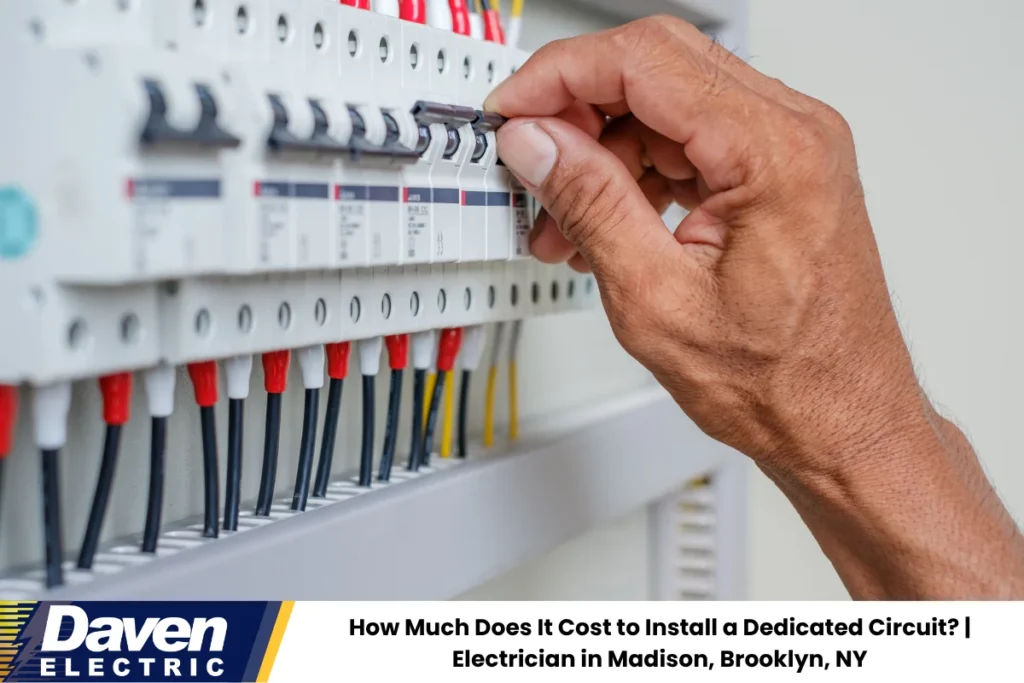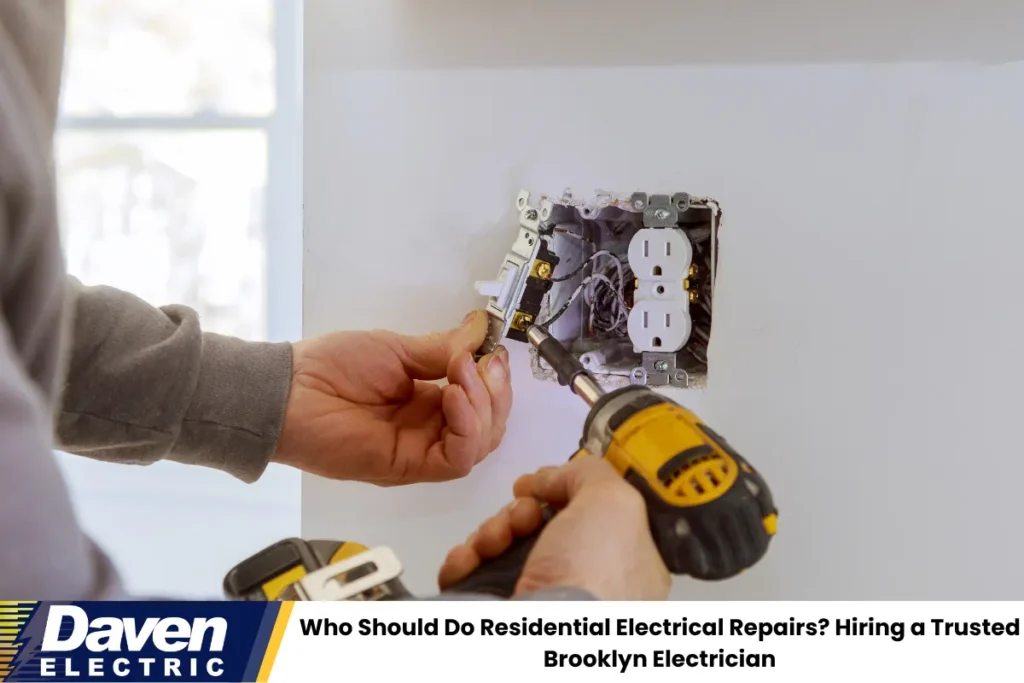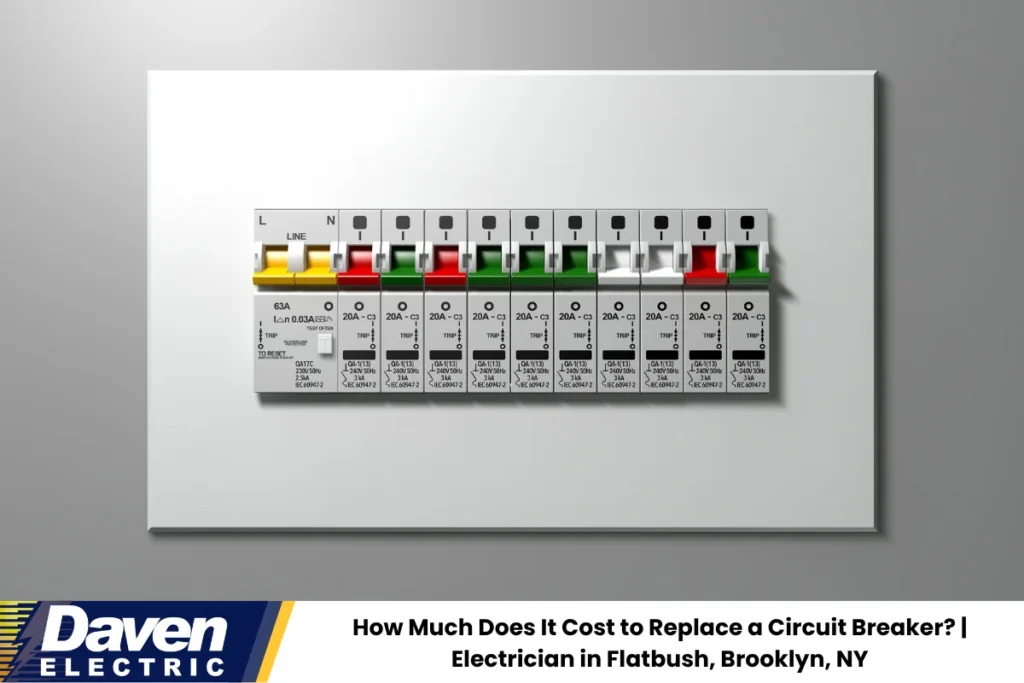
An electrician in Flatbush, Brooklyn, NY will typically charge between $150 and $450 to replace a standard circuit breaker, including parts and labor. That price can climb if you need a specialty breaker with GFCI protection or AFCI protection, or if the main circuit breaker itself needs to come out. Replacing a circuit breaker involves several local and technical variables, and the final number depends on what the technician finds once the panel cover is removed. In older Flatbush buildings, it is common to replace more than one breaker at a time, especially when an inspection reveals worn contacts or heat damage across several slots. Prices in Brooklyn tend to sit at the higher end of national averages because of stricter licensing requirements, higher insurance overhead, and the access challenges that come with walk-up apartments and tight utility closets. Any work inside the electrical panel should be handled by a licensed electrician who follows New York City electrical code, not a handyman or general contractor.
Key Takeaways
- Circuit breaker replacement costs typically range from $150 to $795 in Flatbush, with a standard single-pole swap averaging around $365 when you factor in labor, parts, and a service call fee.
- The biggest cost factors in Brooklyn apartments include the breaker type, panel condition, accessibility of the panel location, and whether permits are required for the scope of work.
- Only a licensed electrical contractor may legally perform breaker replacement or any work inside an electrical panel in Brooklyn, New York.
- Emergency visits and dedicated circuits for loads like an electric vehicle charger carry a higher cost than a routine, scheduled breaker swap.
- Always request a written, itemized quote that separates labor costs, materials, permit fees, and any surcharges before approving electrical services.
What a Circuit Breaker Does in Your Flatbush Home
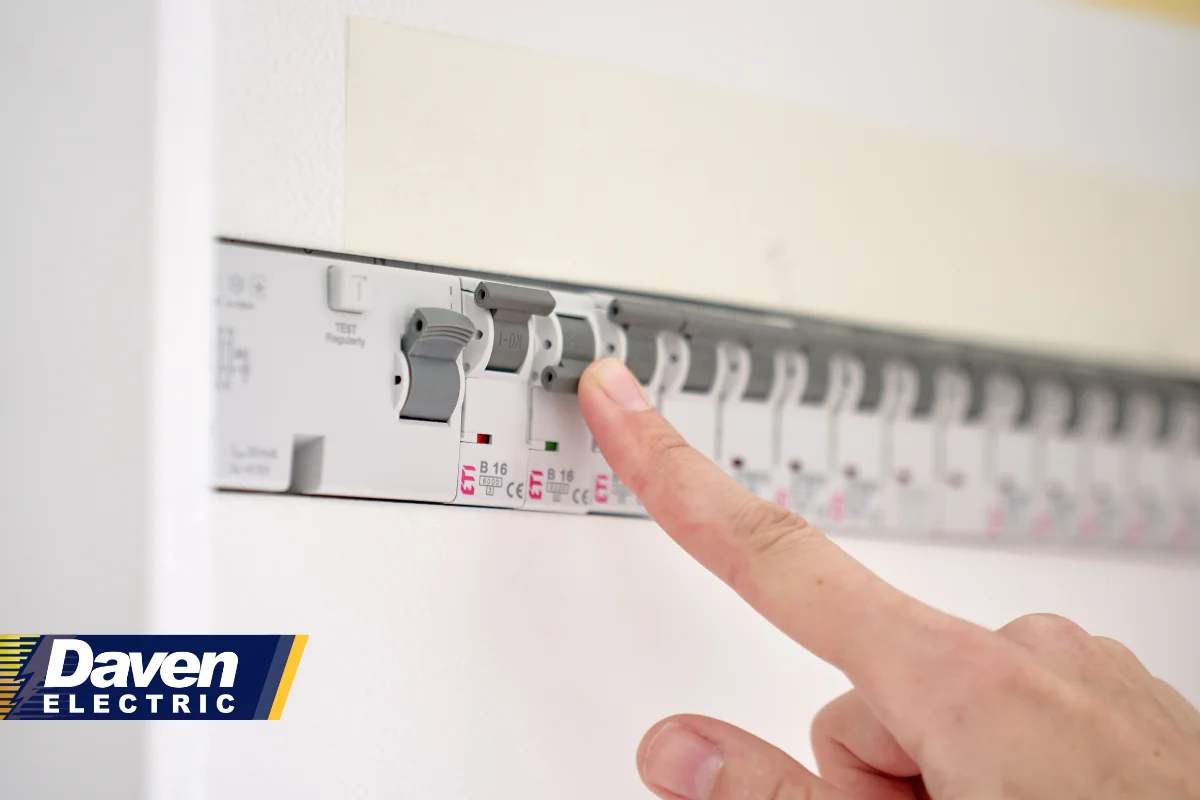
A circuit breaker is a safety device that sits inside your electrical panel and monitors electricity flowing through each circuit in your house. When current exceeds a safe level due to an overload or short circuit, the breaker trips, cutting power before electrical wiring overheats and creates a fire risk. Without functioning breakers, an electrical fire becomes a real possibility any time a circuit is pushed beyond its capacity.
Many prewar buildings in Flatbush still have a fuse box instead of a modern breaker panel. Fuse boxes rely on one-time-use fuses rather than resettable breakers, making them less convenient and often less safe. Upgrading from a fuse box to a current panel with circuit breakers is one of the most common recommendations a residential electrician will make in this neighborhood.
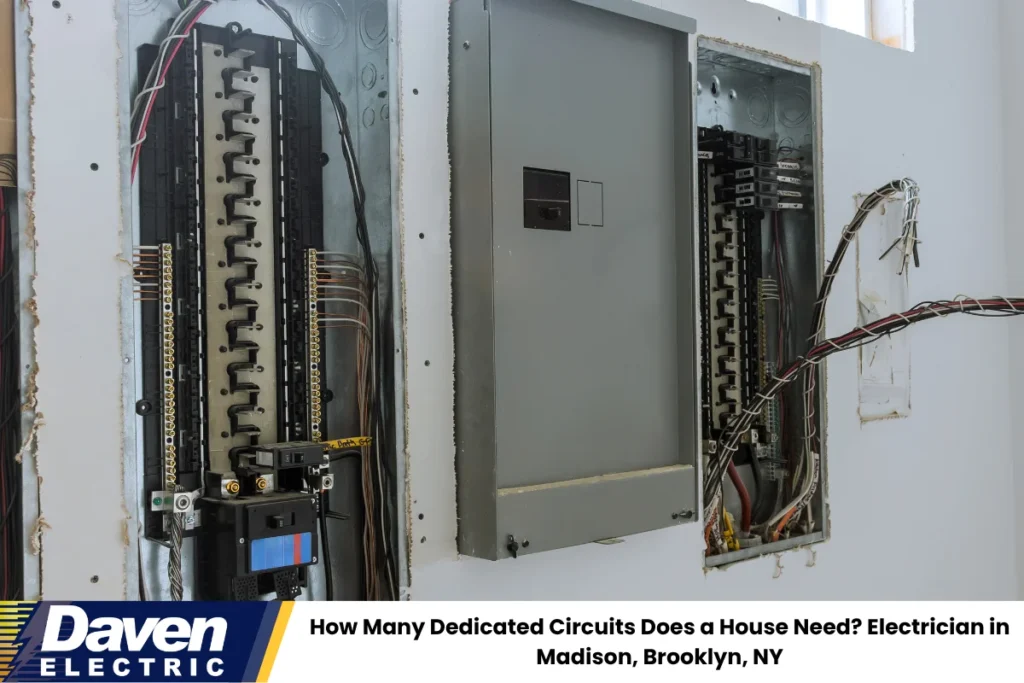
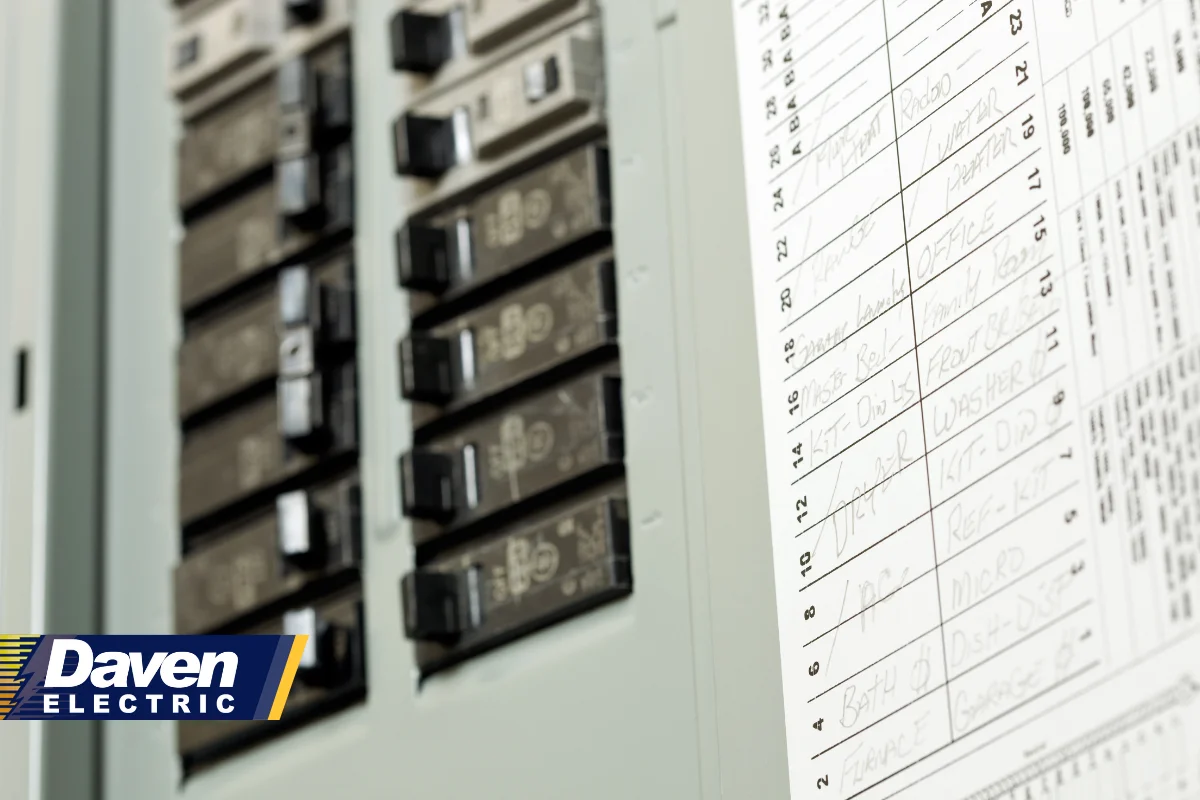
The main panel in a Brooklyn apartment is usually mounted in a hallway closet, basement, or utility room. It serves as both the main shutoff point and the distribution hub for every circuit in the home. Single-pole breakers handle 120-volt loads such as outlets, lights, and most fixtures. Double-pole breakers protect 240-volt circuits that supply power to large appliances like electric ranges, dryers, or a dedicated air conditioner. Properly sized breakers and adequate panel capacity become especially important when adding high-demand loads such as an electric vehicle charger, a hot tub, or a mini-split HVAC system.
Typical Price Ranges to Replace Different Circuit Breaker Types
The cost to replace a breaker varies by type, amperage, and the safety features that current code demands. Below is a realistic breakdown for Flatbush and the broader Brooklyn area.
| Breaker Type | Installed Cost Range | Notes |
|---|---|---|
| Standard single-pole (15–30A) | 300 | Most common replacement; covers outlets, lights, and general circuits |
| Double-pole (240V loads) | 600 | Used for dryers, ranges, and other large appliances |
| GFCI breaker | 340 | Required in wet locations such as kitchens, bathrooms, and basements |
| AFCI breaker | 290 | Required in many living areas under current code |
| AFCI/GFCI dual-function | 450 | Combines arc-fault and ground-fault protection in one unit |
| Main circuit breaker | 600 | Higher amperage and more involved safety procedures |
Installing a GFCI circuit breaker costs between $220 and $340, while the installation cost for AFCI or GFCI breakers typically ranges from $220 to $450 when dual-function units are specified. Replacing a main circuit breaker costs between $200 and $600 depending on panel age and amperage.
Breaker brands that are compatible with older panels can be harder to source, which drives up the total cost for materials. While individual breaker swaps are a reasonable expense, needing multiple replacements at once may signal deeper problems in the existing panel or the circuit wiring behind it.
Key Cost Factors for Breaker Replacement in Flatbush Apartments and Brownstones
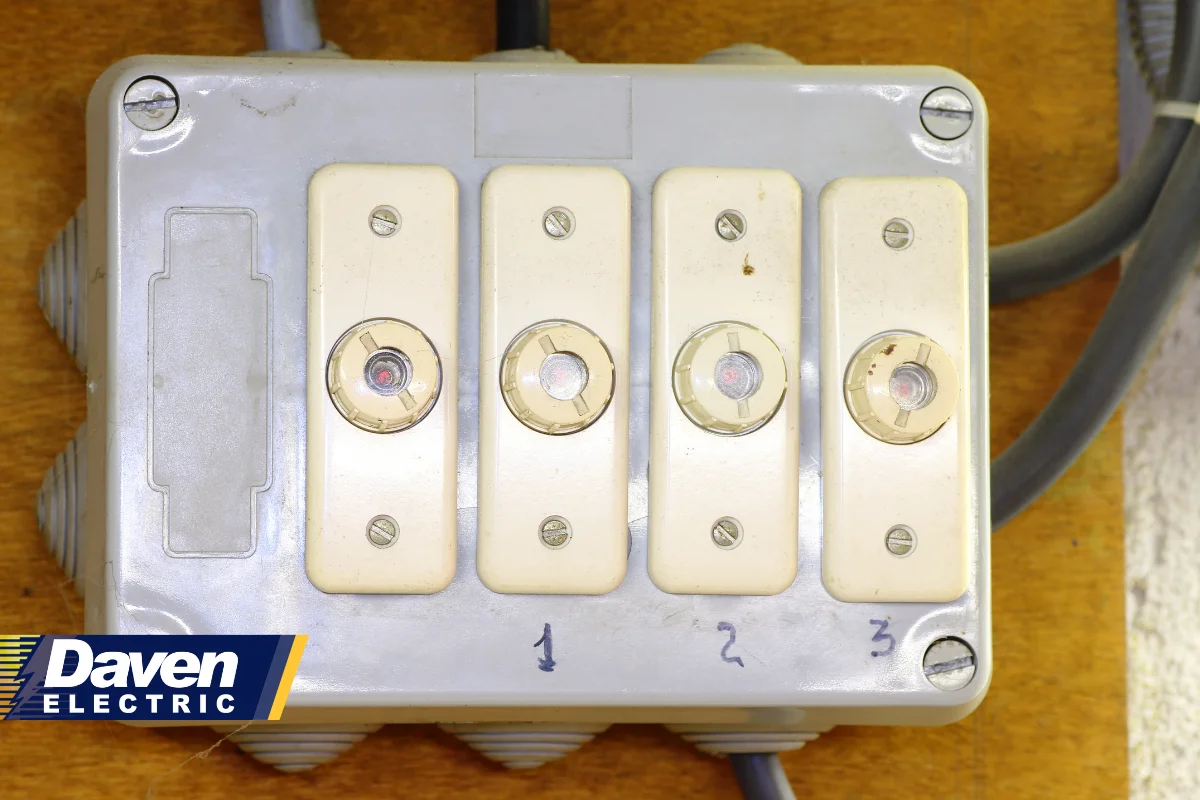
Cost factors in a Brooklyn apartment building differ from a straightforward suburban house. Multi-family walk-ups, plaster-and-lath walls, and shared utility spaces all add complexity that affects the price of even a simple breaker swap.
Here are the primary variables that influence what you will pay:
- Breaker type and amperage. A new breaker rated for higher amps or one that includes arc-fault or ground-fault protection costs more in parts and sometimes in labor.
- Panel condition and brand. An old or discontinued panel may require special-order parts, or the bus bars may show corrosion that needs attention before a new circuit breaker can be seated safely.
- Accessibility and layout. Accessibility issues can increase installation time and costs. Panels behind stairwells, in cramped basements, or on upper floors of buildings without elevators mean more travel time and physical effort for the electrician.
- Existing circuit wiring condition. If the wire connections show heat damage or the insulation is deteriorated, the electrician will need to address that before the job is done.
- Emergency vs. scheduled service. After-hours or weekend visits carry surcharges that can double the normal hourly rates. Scheduling during regular business hours keeps project costs lower.
- Permits and inspections. Depending on the scope, permit fees for circuit breaker installation range from $40 to $150, adding to the total cost.
Combining several small electrical needs in one visit, such as replacing outlets, updating light fixtures, and swapping a breaker, can make better use of any service call fee and reduce the per-item price.
Breaker Replacement vs. Full Electrical Panel Upgrade
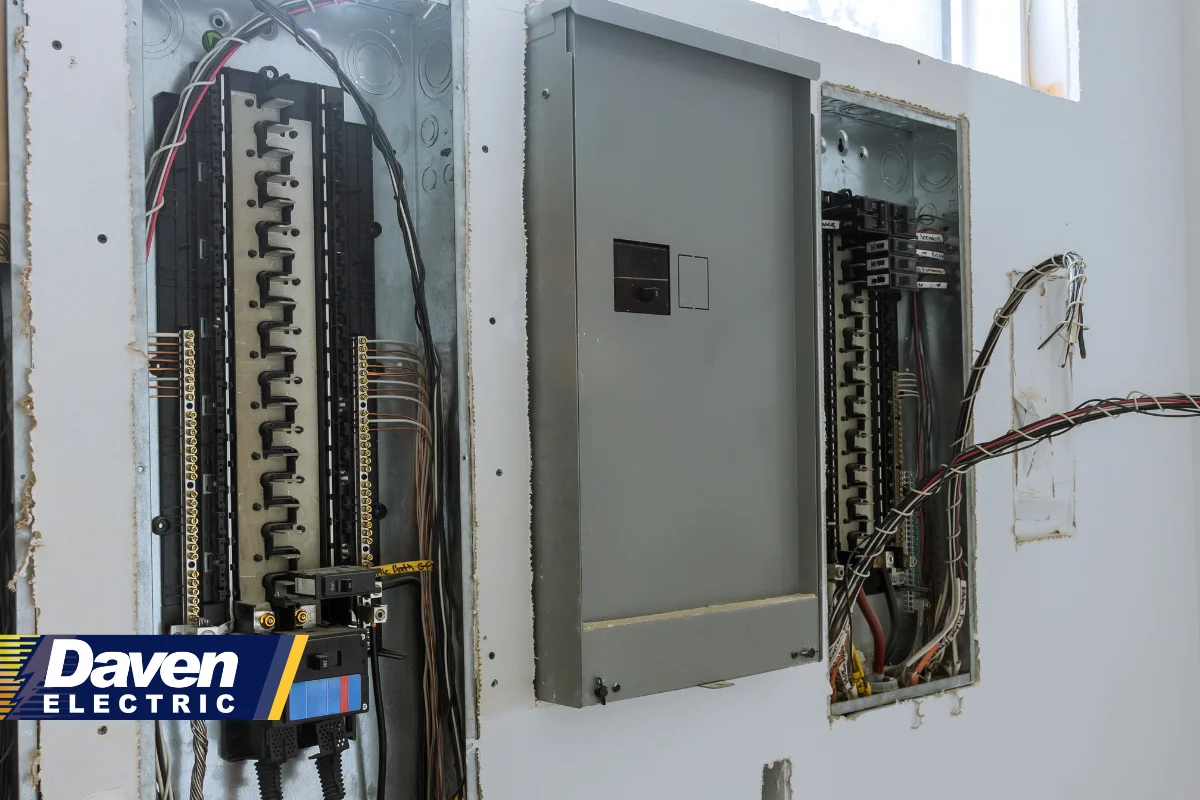
Sometimes a single breaker replacement is all that is needed. Other times, what looks like a faulty breaker is a symptom of a panel that has outlived its useful life. A residential electrician will recommend an upgrade when the panel shows rust, heat damage, limited capacity, or belongs to a brand with a known safety record, such as certain discontinued manufacturers.
Electrical panel upgrades typically cost between $900 and $3,980 in Brooklyn, depending on amperage and the extent of rewiring involved. A like-for-like 100-amp panel swap with minimal wiring changes may run around $1,200 to $2,200, while upgrading to 200-amp service under moderate complexity could reach $1,800 to $4,000 or more. Older homes may have outdated electric panel brands requiring part replacement that pushes the project toward a full upgrade.
Signs that a panel upgrade may be the smarter long-term investment:
- Frequent tripping across multiple circuits
- Visible rust, scorch marks, or a burning smell near the main panel
- No available spaces for extra circuits
- Plans to add central AC, a home office, or a dedicated electric vehicle charging station
When requesting estimates, ask for separate line items for breaker replacement, subpanels, and complete panel upgrades. Clear cost data on each option helps you compare and choose a fair price for the scope you actually need.
Read Is a Whole-House Surge Protector Worth It? | Electrician in Flatbush, Brooklyn, NY
Labor, Hourly Rates, and How Brooklyn Electricians Structure Pricing
Licensed electricians in Brooklyn typically structure their charges in one of three ways: a flat service call fee, an hourly rate, or a fixed project price for defined tasks. Understanding how each model works helps you evaluate whether you are getting a good price.
Electricians in NYC charge $50 to $150 per hour for many types of work, while labor rates for electricians on more specialized or code-intensive tasks range from $80 to $195 per hour. Licensed electricians in NYC usually charge higher hourly rates than the national average due to elevated licensing requirements, insurance premiums, and operating costs in a dense urban environment.
Electricians typically charge a service fee of $100 to $200, which generally covers travel, basic diagnostics, and the first portion of labor. For a straightforward circuit breaker installation, many electricians offer a flat price that bundles the visit, the part, and the install into one quote, keeping the total predictable.
When the scope is larger, such as replacing several breakers or troubleshooting an electrical problem across multiple circuits, hourly billing may apply. In those situations, the electricians time on-site determines the bulk of the cost.
Before any work begins, request a written, itemized estimate that breaks out labor, materials, permits, and any after-hours surcharges. This protects both parties and ensures the final bill matches expectations.
Safety, Permits, and NYC Electrical Code Requirements
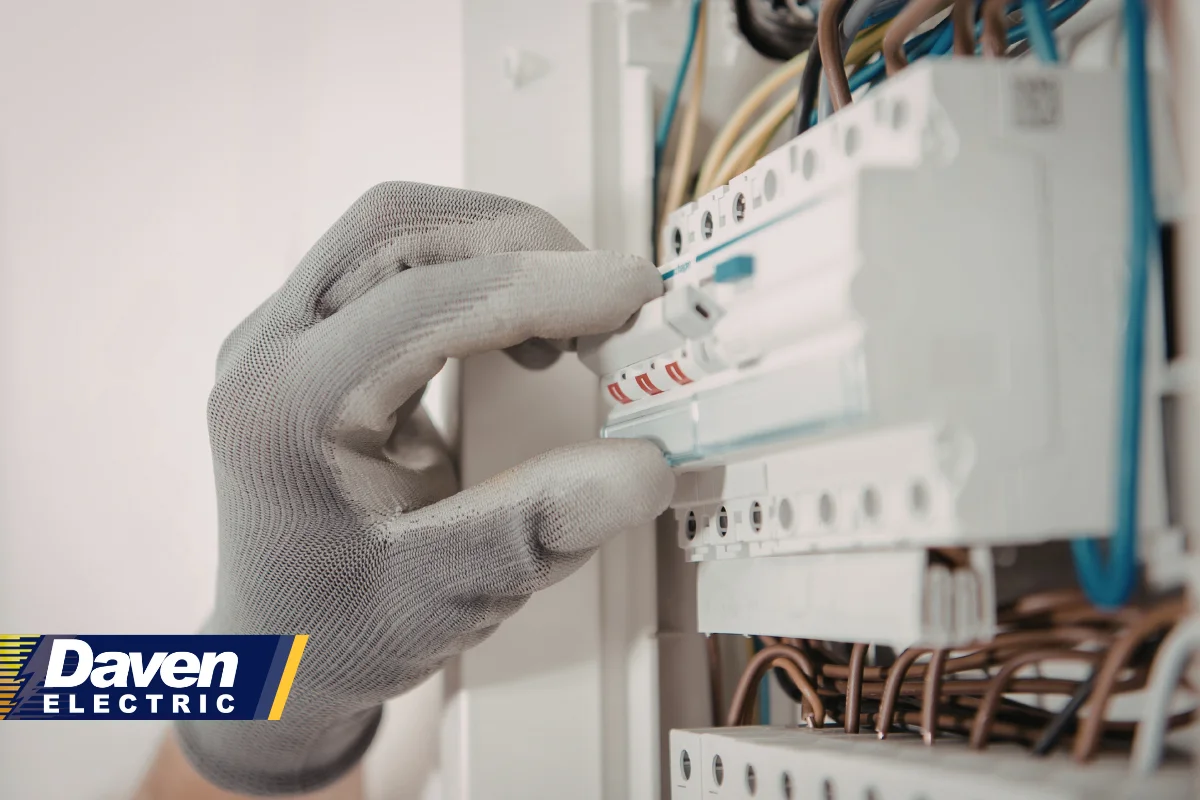
Any electrical work performed inside a panel in Brooklyn must follow New York City Electrical Code and be carried out by a licensed professional. All electricians in NYC must be licensed and insured. This is not optional, and it applies to everything from a simple breaker swap to a full panel upgrade.
A straightforward replacement of a defective breaker rated 30 amps or less is classified as minor electrical work. It still requires a permit filed by a licensed electrical contractor, though many of these jobs do not require a separate inspection. The NYC Department of Buildings requires permits for replacing circuit breakers rated over 30 amps, and larger alterations like adding a new circuit or upgrading service capacity trigger full plan review and inspection requirements.
New York City electrical codes often require installing GFCI or AFCI breakers for safety. Under current code, GFCI protection is mandated in wet locations such as kitchens, bathrooms, and basements. AFCI protection is required in most living areas, bedrooms, and common rooms. This means a breaker replacement may also involve upgrading to a code-compliant breaker type, which influences both the parts cost and the type of breaker your electrician installs.
Homeowners and landlords should keep records of all permitted electrical work and inspection sign-offs. These documents matter for insurance claims, co-op board requirements, and future real estate transactions.
When You Need an Emergency Electrician for a Breaker Issue
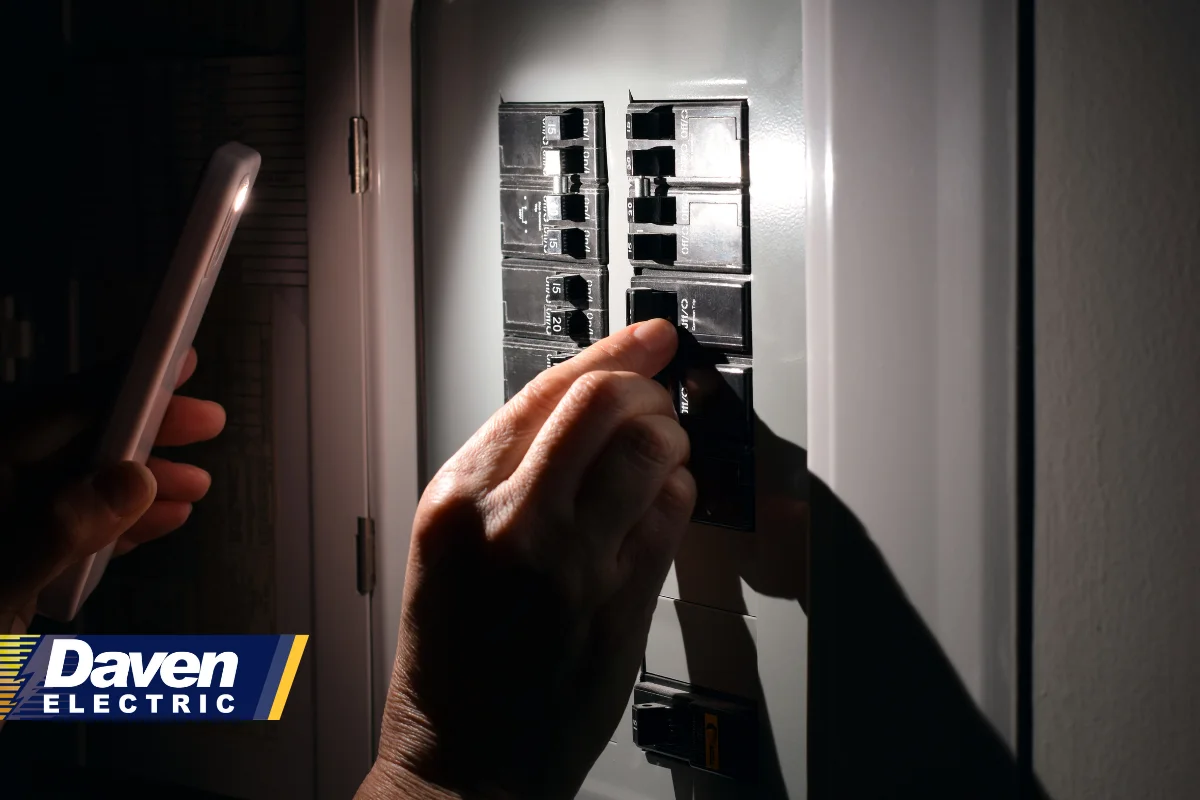
An electrical emergency in a Flatbush home includes burning smells near the panel, visible sparking, partial power outages, or a breaker that feels warm to the touch. These situations call for an emergency electrician rather than a scheduled appointment because they present a real risk of fire or shock.
Emergency response typically costs more than standard scheduling. After-hours and weekend rates can run significantly higher, and rush ordering of parts may add to the bill. Despite the higher cost, delaying action when there is a genuine safety threat is never the right call.
Situations where you should shut off the main breaker and call immediately:
- Smoke or a burning odor from the panel area
- A breaker that will not stay off or feels hot
- Buzzing or crackling sounds from inside the panel
- Loss of power to critical systems like refrigeration or medical equipment
Repeated tripping of a single breaker often points to overloaded circuits, failing wire insulation, or a defective breaker that can no longer handle its rated load. Never bypass a circuit breaker, install a breaker with a higher amperage than the circuit is designed for, or attempt DIY repair inside a live panel. These shortcuts create serious hazards.
Planning Future Electrical Needs: EV Chargers, Appliances, and Renovations
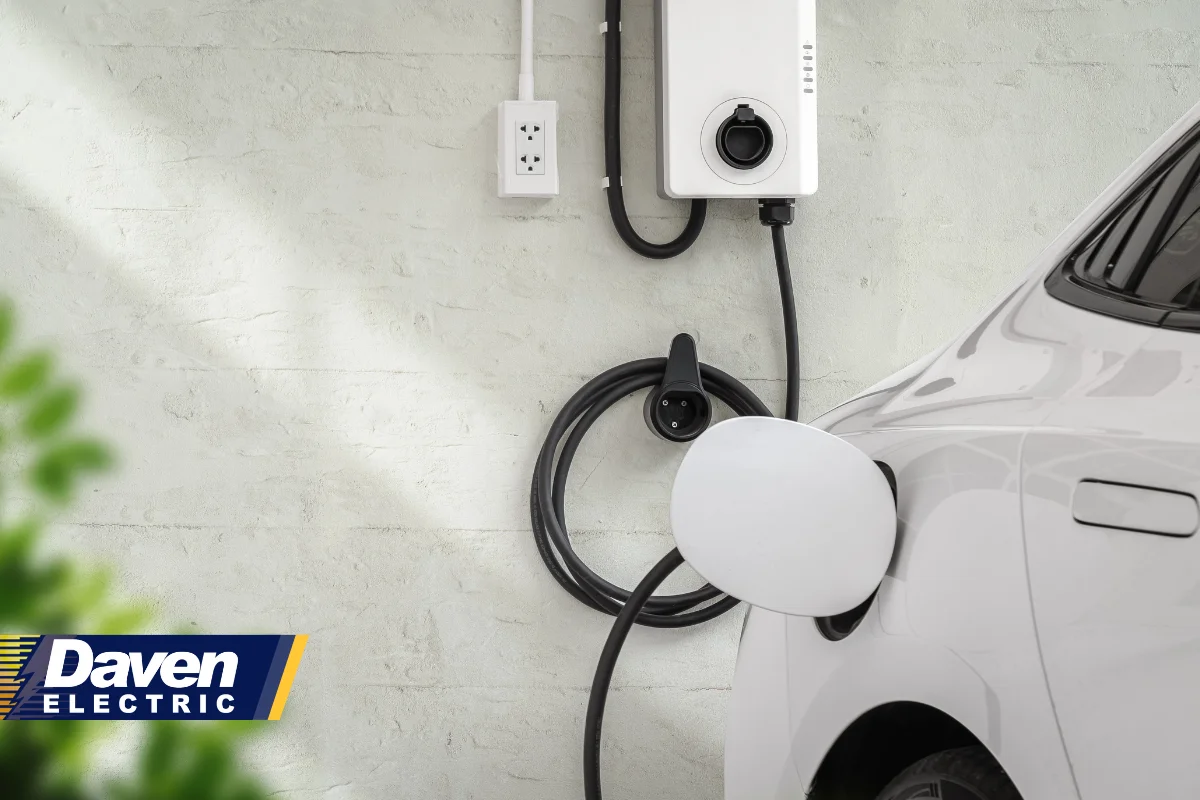
Replacing a breaker is a practical moment to evaluate the broader condition of your home’s electrical system. While the panel is open and an electrician is already on-site, it makes sense to discuss any upcoming changes that could affect electrical supply and capacity.
Adding a new circuit costs between $570 and $1,100, depending on the wire run length, breaker type, and whether the main panel has available spaces. Large appliances such as an electric range, a dryer, or a Level 2 electric vehicle charger each require a dedicated circuit with an appropriately rated double-pole breaker. Light construction projects like converting a basement into a living space or adding a home office may also require new circuits and possibly a subpanel.
Ask the electrician whether the existing service size and panel can support your planned renovations. Sometimes adding a subpanel is a cost-effective solution when the main panel is full but the service capacity from the utility is sufficient. This avoids the expense of a full panel and meter upgrade while still providing room for growth.
Viewing breaker replacement as part of an overall electrical safety and modernization plan, rather than just a quick fix, helps avoid repeated service calls and keeps your electrical system ready for whatever you plug in next.
How to Choose the Right Electrician for Breaker and Panel Work
Selecting a properly licensed and insured electrician is critical for any work involving your panel or circuit breaker installation. The stakes are high: incorrect work can cause an electrical fire, void insurance coverage, or result in code violations.
Key steps when vetting an electrician for this type of electrical project:
- Verify their license status through the NYC Department of Buildings or the Department of Consumer and Worker Protection.
- Ask about experience with Brooklyn apartment buildings, brownstones, and the types of panels common in Flatbush.
- Confirm proof of insurance, including both liability and workers’ compensation coverage.
- Hiring unlicensed electricians can lead to costly legal problems, including fines and liability if something goes wrong.
Before the job starts, ask how long the install or repair will take, who will be on-site doing the work (a journeyman electrician or a master electrician), and what kind of warranty comes with the project. Electricians often provide warranties of 1 to 5 years on work, covering both parts and labor.
For more extensive electrical work like a panel replacement, compare at least two written estimates. Look for an electrician who communicates clearly, explains cost factors upfront, and prioritizes code-compliant solutions over quick patches. A reasonable price backed by proper licensing and transparent documentation is always worth more than a suspiciously cheap quote from someone who cannot produce credentials.
Electrician in Flatbush, Brooklyn, NY – Daven Electric Corp.
At Daven Electric Corp., we handle circuit breaker replacement, panel upgrades, and a full range of electrical services for apartments, brownstones, and mixed-use buildings across Brooklyn, New York. We are a licensed and insured company with deep familiarity with NYC Electrical Code, permits, and inspections for residential and commercial work. Whether you need a single faulty breaker replaced or a complete electrical panel installation, we deliver fast response, transparent pricing, and code-compliant workmanship on every project. Our team takes the time to explain what needs to be done and why, so you always know what you are paying for. Call us at (212) 390-1106 or fill out our contact form to get a clear, no-obligation estimate and let us get your power safely back on.
Frequently Asked Questions
How long does it usually take to replace a single circuit breaker in a Flatbush apartment?
A straightforward breaker replacement typically takes about 30 to 60 minutes once the electrician is on-site and has access to the panel. In multi-unit buildings, extra time may be needed to coordinate with building staff, locate the correct panel in a shared utility room, or gain access through locked areas. If the electrician discovers complications such as burned bus bars, corroded connections, or damaged wire insulation, what starts as a quick swap can evolve into a longer repair or partial panel replacement. After installing the new breaker, the electrician will test the circuit to confirm safe operation. Scheduling during normal building access hours helps avoid delays and additional trip charges.
How often should my electrical panel and breakers be checked in a Brooklyn residence?
A professional inspection every three to five years is a reasonable interval for most Brooklyn homes. Buildings with older wiring, aluminum branch circuits, or panels installed before the 1990s may benefit from more frequent evaluations. Inspections are especially important before major renovations, before adding high-demand systems like central cooling or an EV charger, or any time you notice warning signs such as frequent tripping, discoloration around breakers, or unusual odors near the panel. A licensed electrician can check for loose connections, overheating, corrosion, and breakers that no longer meet current safety standards. Keep all inspection reports and invoices as a record of proactive maintenance for insurance and resale purposes.
Does the tenant or the property owner usually pay for breaker replacement in Flatbush?
In most rental situations, the building’s electrical system is considered the landlord’s responsibility. Breakers, panels, and the wiring that feeds them are part of the building infrastructure, and landlords are generally obligated to maintain them in safe, working condition. Tenants should promptly report any electrical problem, document symptoms like tripping or flickering, and avoid tampering with panels or breakers. Both parties should review the lease terms and local housing regulations if there is any uncertainty about who covers the cost of an electrical repair. Landlords typically hire a licensed electrician directly to ensure the work meets building and safety codes, and to maintain proper documentation for the property.
Can home insurance help cover the cost of replacing a circuit breaker or panel?
Coverage depends on your specific policy and the cause of damage. Most homeowner and landlord policies cover sudden, accidental damage such as a fire, lightning strike, or water event that damages the panel or breakers. Routine wear, aging components, and code-driven upgrades are generally treated as the owner’s maintenance expense and are not covered. When damage is covered, insurers typically require documentation including invoices, photos, and a detailed report from the electrician describing the cause and extent of the issue. Contact your insurance provider before or immediately after a major incident to understand what requirements apply. A licensed electrician can help document findings in a way that supports an insurance claim when the situation warrants it.
Are flickering lights always a sign that I need a new circuit breaker?
Flickering lights can stem from several sources, and a worn breaker is only one possibility. Loose bulbs, failing fixtures, deteriorated connections at outlets or junction boxes, overloaded circuits, and even issues with the utility supply can all cause flicker. What matters is the pattern. A single light flickering usually points to a localized issue like a loose bulb or a bad wall switch. Flickering across multiple rooms, or flicker that occurs whenever a specific appliance kicks on, may indicate an overloaded circuit, a weak breaker, or a service-level problem. Note when and where flickering happens so you can give the electrician accurate information during the service call. Persistent or widespread flickering should not be ignored, as it can signal a serious wiring or panel issue that needs prompt professional diagnosis.
Disclaimer
Disclaimer: This article offers general information about residential electrical work in Brooklyn and does not substitute for professional advice. Consult a licensed local electrician for code-compliant solutions tailored to your specific electrical needs and property conditions.
Read How Long Does It Take to Install a Ceiling Fan? | Electrician in Gravesend, Brooklyn, NY