Why Flatbush Homeowners Are Asking About Whole-House Surge Protection
As a homeowner looking for an electrician in Flatbush, Brooklyn, NY, you have probably wondered whether a whole house surge protector is actually worth the money or just another upsell. The short answer for most properties in this neighborhood is yes. Here is why. Power surges silently damage the electronics and appliances you depend on every day. A single event can take out your refrigerator, your router, your HVAC control board, and your home office equipment all at once, leaving you with thousands of dollars in costly replacements. Now imagine that kind of exposure repeating across years of aging grid infrastructure, summer storms, and construction activity throughout the borough. A panel-mounted house surge protector, professionally installed by a residential electrician who understands Flatbush brownstones and multifamily buildings, acts as the first line of defense for every circuit in your home. Plug-in surge strips help at the outlet level, but they cannot protect hardwired loads like your air conditioner or oven. This article breaks down how house surge protectors work, what they cost in Brooklyn, when they are required by code, and how to decide whether the investment makes sense for your property.
Key Takeaways
- Whole house surge protectors installed at your electrical panel help protect every circuit from damaging power surges, not just devices plugged into power strips.
- For most Flatbush homes, especially those with EV chargers, central AC, and smart devices, a properly installed house surge protector is usually worth the cost.
- Brooklyn electrical work at the panel must follow NYC Electrical Code; installing panel-mounted surge protection is not a safe DIY project.
- Most whole house surge installations in Brooklyn run from a few hundred dollars into the low thousands if grounding or panel upgrades are needed.
- Choosing a licensed electrician familiar with Flatbush buildings helps ensure correct sizing, safe wiring, and code-compliant surge protection.
What Is a Whole-House Surge Protector and How Does It Work?
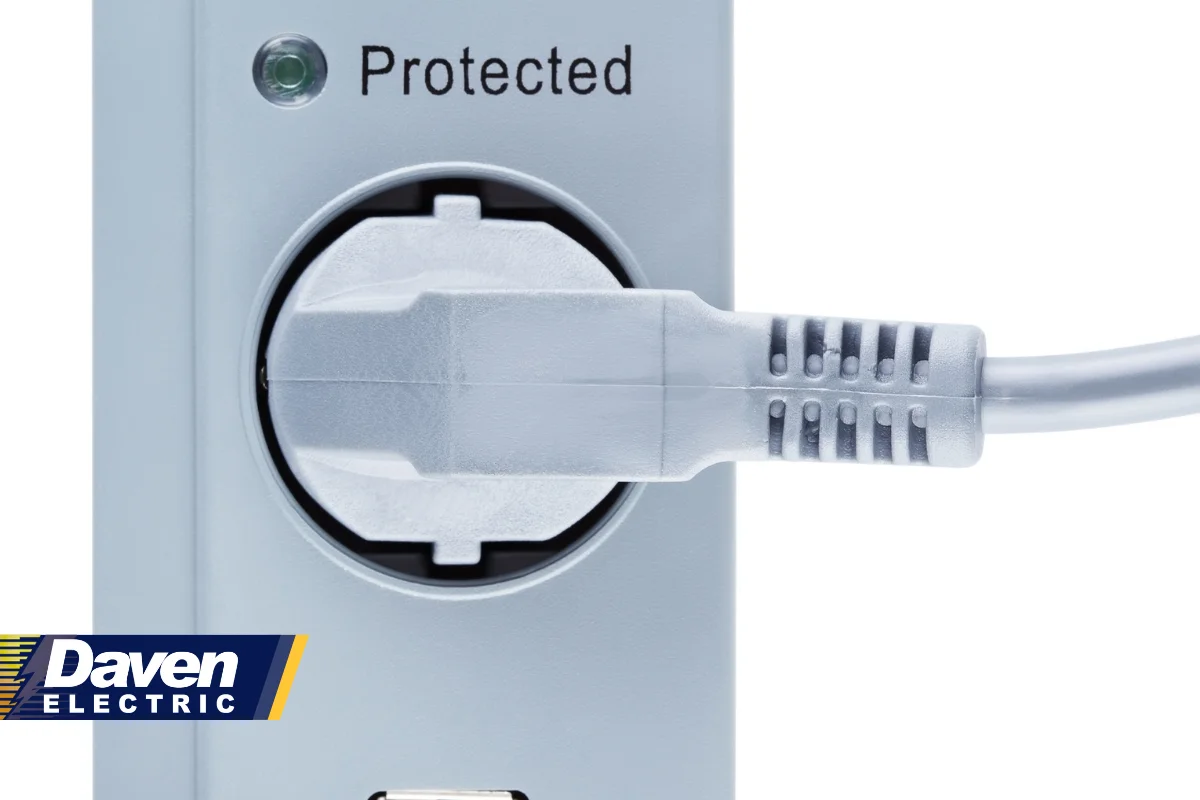
A whole house surge protector is a surge protective device, commonly classified as a Type 1 or Type 2 SPD, that gets installed at or near your main service panel. Its job is to divert excess voltage from power surges safely to ground before that energy can travel through your branch circuits and reach connected appliances and electronics.
The way house surge protectors work is straightforward. Modern units use metal oxide varistors, known as MOVs, to continuously monitor the incoming voltage on your electrical lines. Under normal conditions, the device sits idle. When voltage spikes above a safe threshold, the MOVs clamp the surge and redirect the extra energy through your grounding system. This happens in nanoseconds, fast enough to protect the circuits downstream.
How does this compare to a typical power strip surge protector? The differences matter:
- A panel-mounted surge protector covers every circuit in the house, including hardwired loads like HVAC systems, ovens, built-in lighting, and EV chargers.
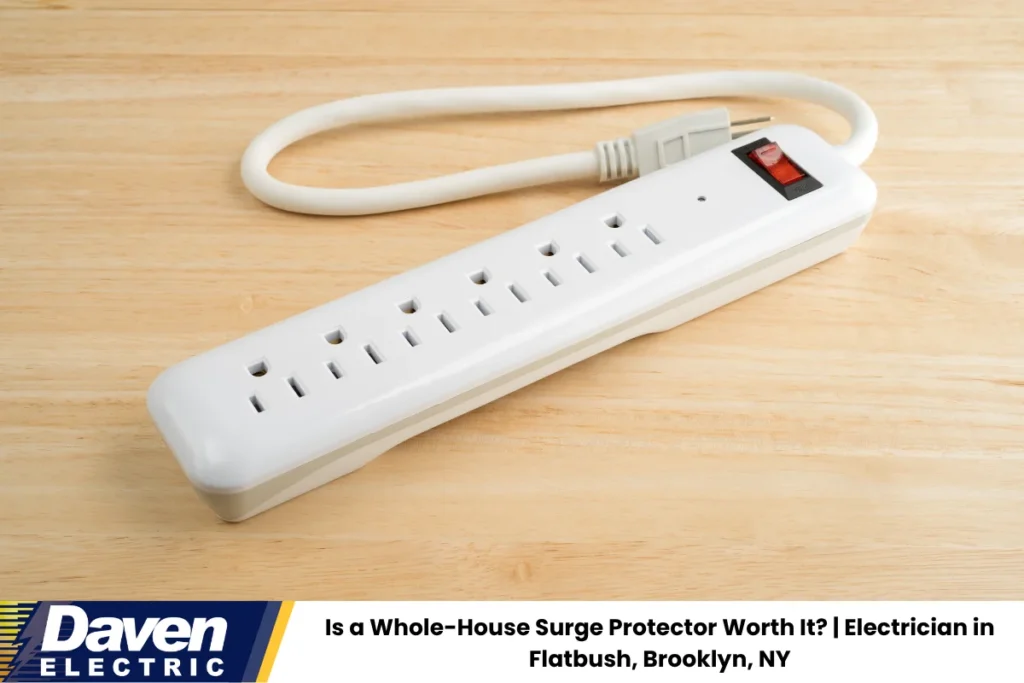
- A power strip protects only the devices plugged into that specific outlet, with limited energy-handling capacity.
- Whole house surge protectors protect all connected electronics on every branch circuit, while a strip defends only the few devices sharing that one outlet.
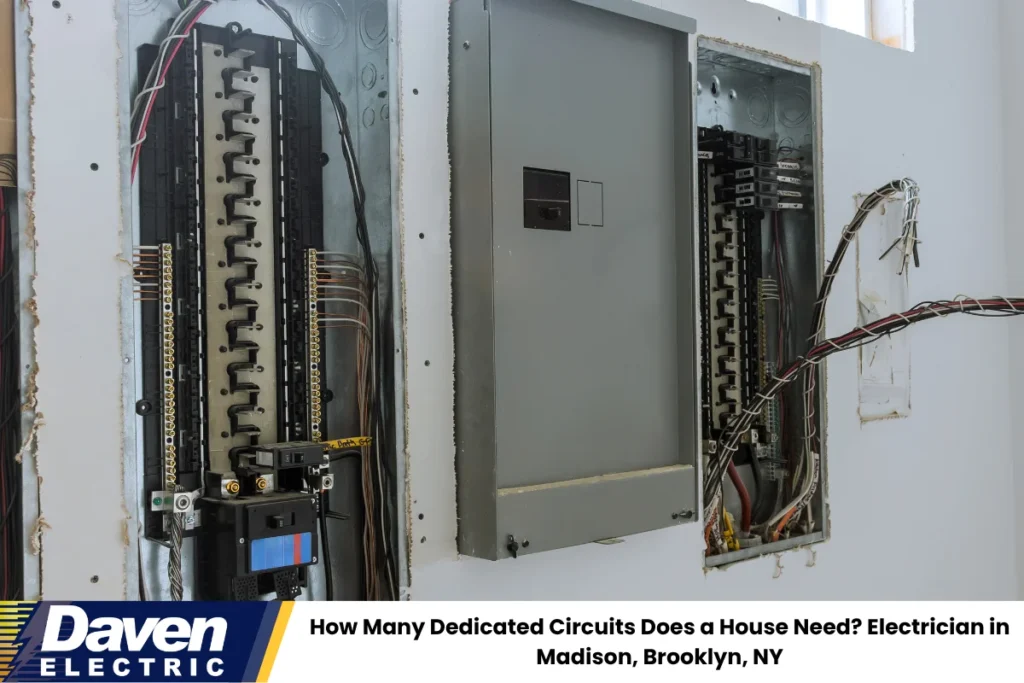
In most Brooklyn residential setups, a Type 2 SPD is the most common choice. It mounts inside or directly adjacent to the breaker panel and connects through a dedicated breaker. For Flatbush properties with older panels, a qualified electrical contractor should check available panel space, labeling, and the condition of the grounding electrode system before selecting a device. Proper grounding is foundational. Even a high-rated SPD will underperform if the ground path has corroded connections or outdated bonding.
Power Surges in Flatbush: Real Risks for Brooklyn Homes and Apartments
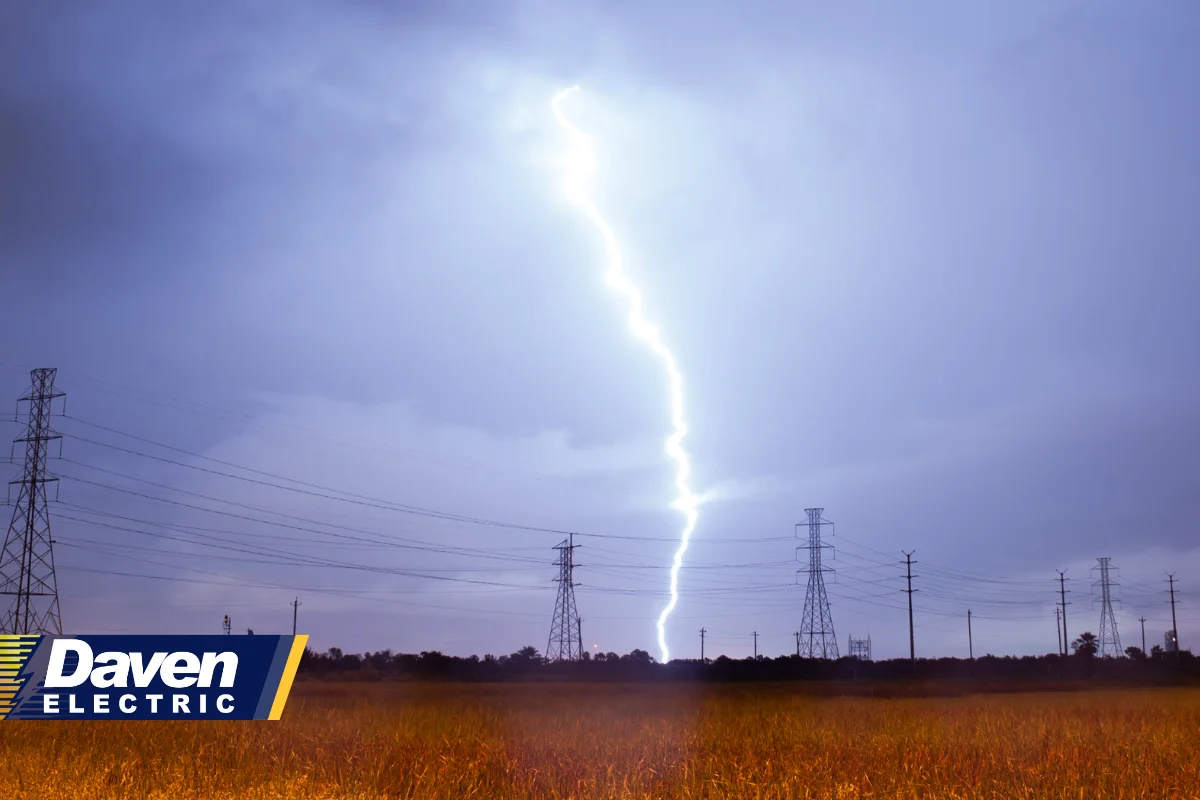
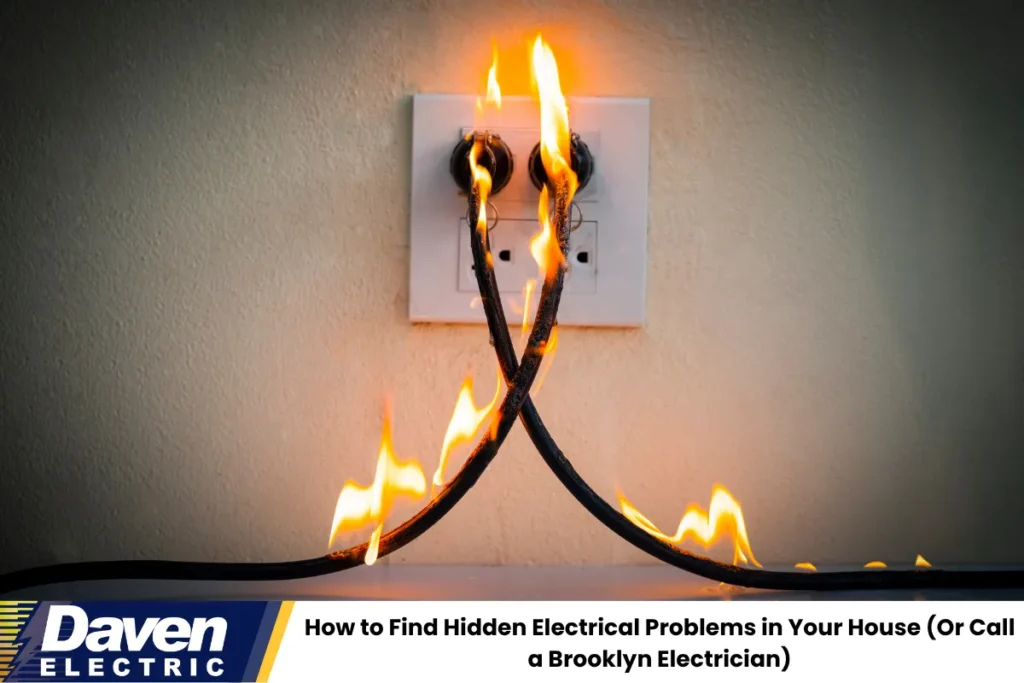
Power surges are short-duration voltage spikes that push electricity above the standard 120 or 240 volts your home expects. They can originate from external sources like lightning strikes, utility switching events, or downed power lines. But what surprises most homeowners is that up to 80 percent of surges originate from inside a building. Micro-surges occur frequently within a home every time large appliances cycle on and off, compressors kick in, or motors start.
In Flatbush specifically, several local factors raise the risk:
- Aging neighborhood wiring and overhead transformers that feed multiple buildings from a single line
- Nearby construction work that can disrupt feeder lines and cause transient spikes
- Elevator motors and shared electrical service in mixed-use and multifamily buildings
- Seasonal demand spikes, where the risk of local voltage fluctuations can increase during peak usage times, especially in the summer when air conditioning loads strain the grid
High-density electrical setups can amplify the impact of micro-surges in multi-unit buildings, making apartments and brownstones with shared panels particularly vulnerable.
The symptoms are often subtle at first. You might notice flickering lights with no obvious cause, repeated breaker trips, or your cable modem dying for the third time in two years. Smart thermostats reset unexpectedly. A gaming console or home office computer fails well before its expected lifespan. These are signs of cumulative surge damage to circuit boards and sensitive electronics.
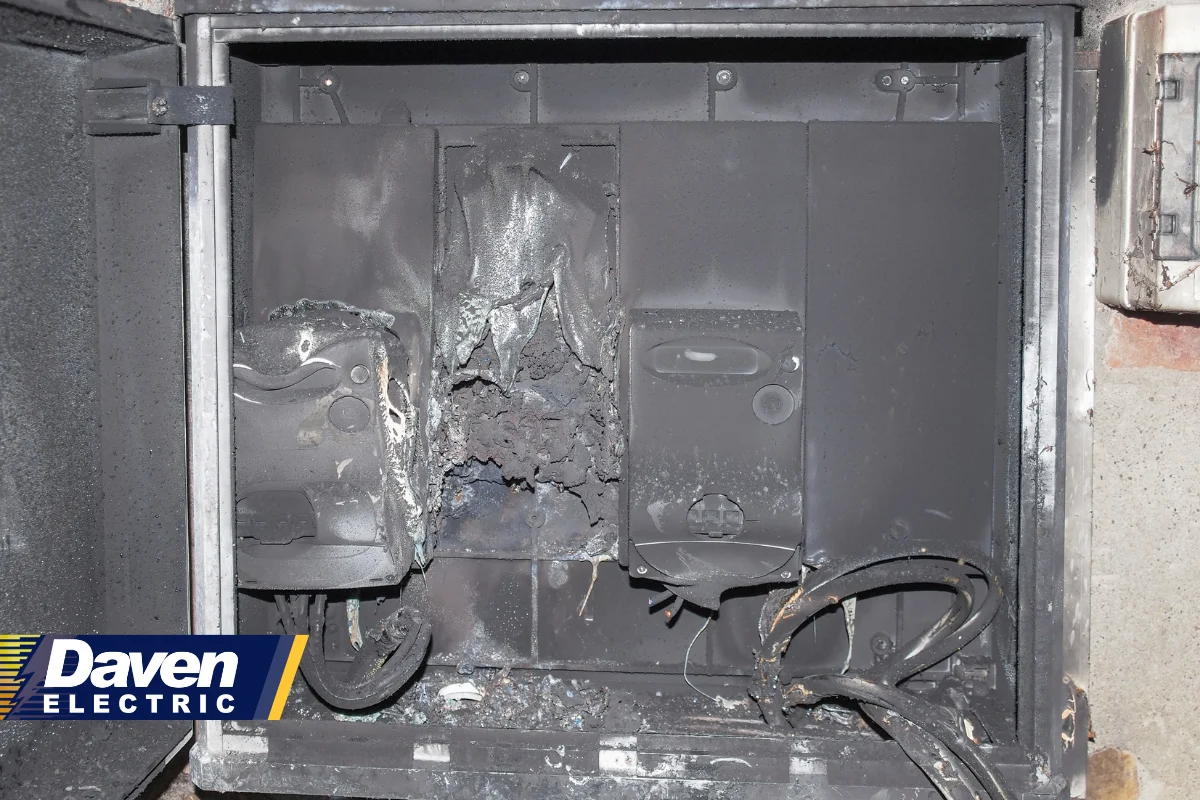
Consider a real-world scenario: a Flatbush apartment with an EV charger in the garage, window AC units on several circuits, and a home office with computers, monitors, and networking gear. Without house surge protection at the panel, every time the compressor cycles or the charger ramps up, small voltage spikes ripple through the wiring. Aging infrastructure increases the risk of power surges in urban areas, and over months or years, those micro-surges degrade equipment silently. A single high-surge event can destroy tens of thousands of dollars of electronics in minutes.
Is a Whole-House Surge Protector Worth It for Flatbush Homes?
For most Flatbush homeowners and landlords, a whole house surge protector is worth the investment. The math is simple when you compare the one-time cost of the device and installation against what you stand to lose.
Whole house surge protectors cost between $200 to $700, depending on the brand, joule rating, and surge current capacity. Power strip surge protectors cost $15 to $50 each but offer only localized, limited protection. Now consider what you are protecting:
| Item | Typical Replacement Cost |
|---|---|
| Central AC or mini-split control board | $500 – $2,000+ |
| Refrigerator | $800 – $2,500 |
| Home office computer and monitor | $1,000 – $3,000 |
| Smart home hub and connected devices | $300 – $1,500 |
| EV charger | $500 – $1,200 |
| Router, modem, networking gear | $150 – $500 |
Installing a whole-house surge protector can be more cost-effective than replacing damaged appliances after even one serious event. For homes with home offices, expensive electronics, or remote work setups, the protection is especially relevant. Surge protectors are essential for homes with smart technology, where dozens of connected devices sit on circuits originally designed for basic lighting and outlets.
Older homes with outdated electrical systems may benefit from whole house surge protection even more, since their panels and wiring were never designed to handle today’s sensitive loads. Surge protectors can prolong the lifespan of sensitive electronic devices by shielding them from the constant low-level degradation that micro-surges cause.
Think of house surge protection as inexpensive insurance. It works best as one layer in an overall electrical safety plan that includes proper grounding, updated panels, and correctly sized breakers throughout your property.
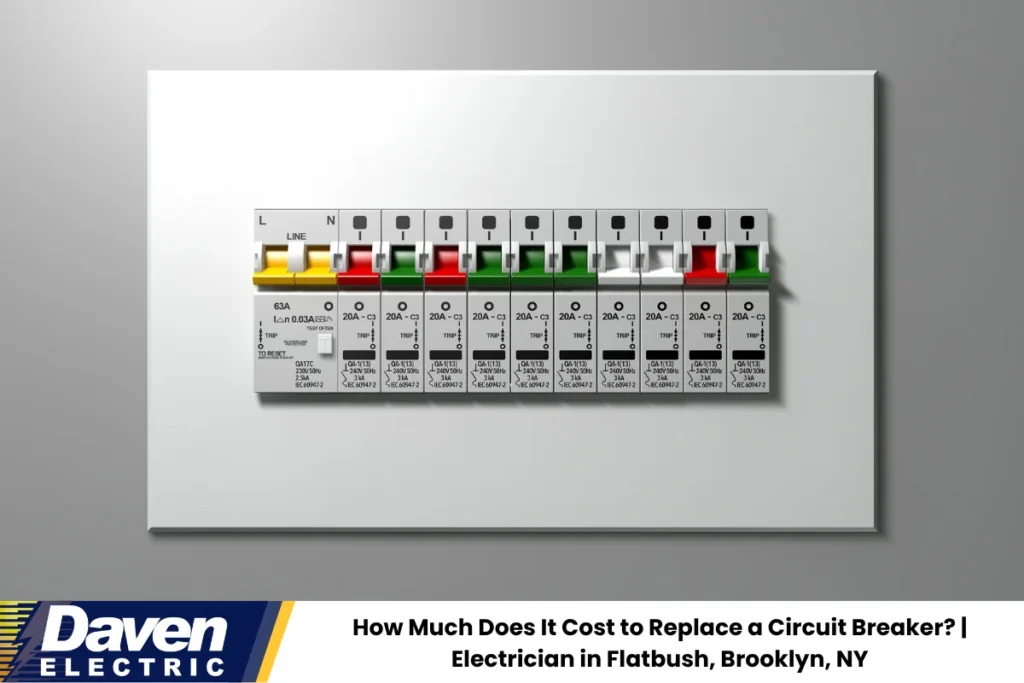
Read How Much Does It Cost to Replace a Circuit Breaker? | Electrician in Flatbush, Brooklyn, NY
Cost, Lifespan, and Maintenance: What Brooklyn Owners Should Expect
Here is what Flatbush homeowners should budget for when considering whole house surge protection.
Whole house surge protector installation costs range from $200 to $700 for the device itself. Professional installation typically costs between $300 and $800 when you factor in labor, a dedicated breaker, and basic grounding verification. If your panel needs additional work, such as grounding upgrades, adding breaker space, or addressing outdated bonding, expect costs to climb. Grounding corrections alone can add $100 to $700 in older Brooklyn properties with legacy electrode systems.
Several factors affect the final price:
- Brand and surge current rating of the SPD (higher kA ratings and lower voltage protection ratings cost more)
- Panel accessibility, which can be a challenge in prewar buildings with plaster-and-lath walls or panels tucked into tight closets
- Whether permits or inspections are required under NYC rules for the scope of work
- Coordination with existing AFCI or GFCI breakers on branch circuits
Installation usually takes 1 to 2 hours by a licensed electrician when the panel is accessible and grounding is in good shape. Bundling the SPD install with panel upgrades or other electrical work generally reduces the incremental cost.
Whole house surge protectors last 5 to 10 years under typical conditions. Most surge protectors last between 3 to 10 years depending on how frequently they absorb surges, since each event degrades the MOVs slightly. Quality units include indicator lights that show whether the device is still actively protecting your circuits or has reached the end of its service life.
For maintenance, homeowners should periodically check those indicator lights. If the status shows protection is lost, call an electrical service provider to replace the unit. Including the SPD in annual or biannual electrical inspections is a smart habit. After major storms or known grid disturbances, a quick visual inspection of the panel and surge device by a professional is a worthwhile precaution.
Code, Safety, and Why DIY Surge Protector Installation Is Risky in Brooklyn
Installing a panel-mounted whole house surge protector in Brooklyn involves working inside the electrical service equipment and must comply with the NYC Electrical Code and referenced National Electrical Code provisions. The NYC Electrical Code mandates surge protection devices for new residential construction and major renovations, meaning many Flatbush homeowners undergoing panel replacements or service upgrades will need an SPD as part of the project scope regardless.
DIY installation is not recommended due to safety risks, and here is why the danger is real rather than theoretical:
- Even when the main breaker is off, service conductors and meter lugs remain energized. Electrical panel work exposes you to lethal voltage from the utility side.
- Many homeowners lack the expertise for safe installation, including knowledge of proper conductor sizing, lead length minimization, and bonding verification.
- DIY installations can lead to serious injury or electrocution if contact is made with energized service conductors.
- DIY installation can violate local electrical codes, creating violations that surface during inspections or property sales.
- Improper installation can void surge protector warranties and create hidden hazards, including poor connections that may lead to overheating or fire risk.
- Improper installation can void warranties and cause hazards that only reveal themselves under fault conditions, potentially years later.
Proper installation requires choosing the correct breaker size, keeping conductor length between the SPD and panel as short as possible, and confirming that your grounding and bonding system meets current standards. A licensed electrician with experience in Flatbush properties will also verify that wiring methods, panel condition, and available space support a safe and code-compliant installation. Unlicensed electrical work can result in failed inspections, NYC Department of Buildings violations, and complications with property insurance if damage occurs later.
Signs Your Flatbush Property Should Add Surge Protection Now
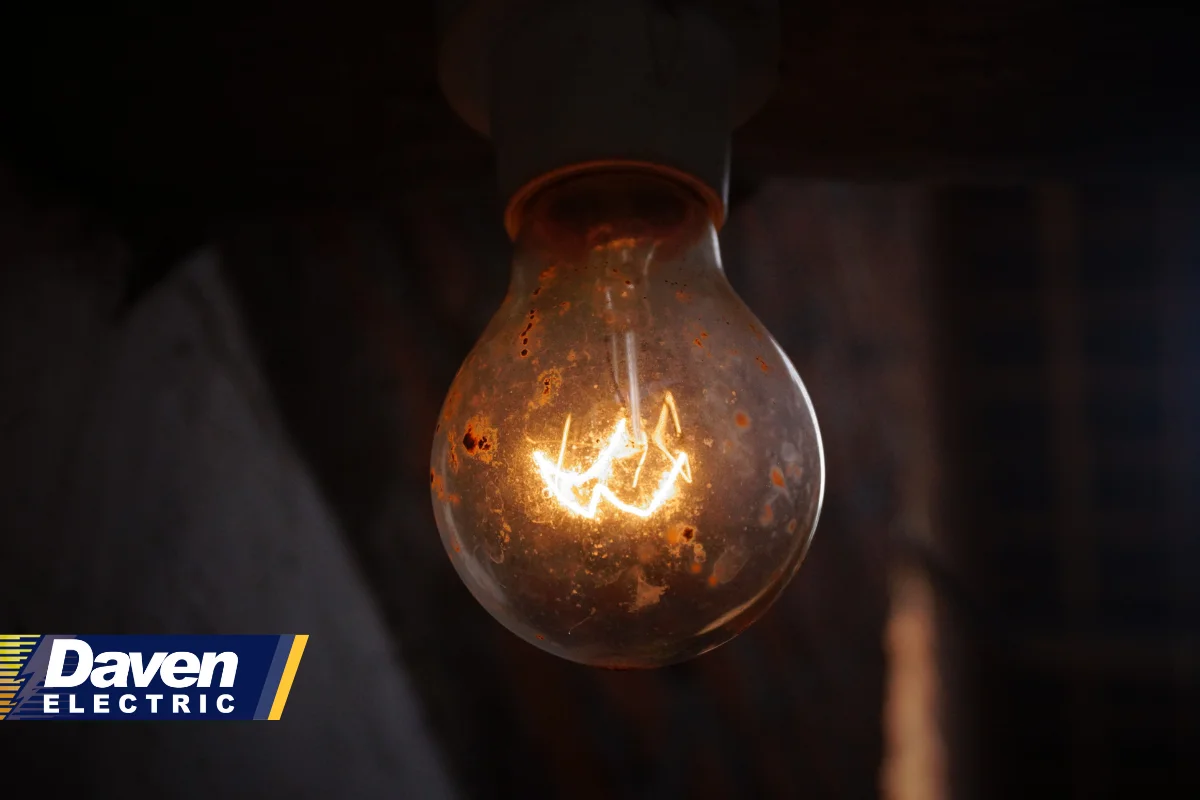
Not sure whether your property needs whole house surge protection? Watch for these warning signs:
- Frequent breaker trips without obvious overloads on those circuits
- Multiple electronics or appliances failing within a short timeframe
- Unexplained resets of smart devices, thermostats, or security systems
- Repeated failure of modems, routers, or chargers
- Flickering lights that do not trace back to a single fixture or loose connection
Homes recently upgraded with solar systems, EV chargers, ductless mini-splits, or high-efficiency boilers are especially good candidates. These loads draw significant power and create switching transients that ripple through the rest of your circuits. Surge protection can prevent damage from lightning strikes and utility surges that travel through the building’s service entrance.
In older Brooklyn buildings, mixed wiring methods, shared services in multifamily properties, and panels expanded over the decades with added circuits for modern loads all increase vulnerability. If you are planning a panel upgrade, service increase, or major renovation, discuss surge protection with your electrical contractor at the outset so it can be integrated into the project from the start, saving on labor and ensuring complete protection from day one.
Document symptoms like flickering lights or partial power outages before calling a professional. That information helps with troubleshooting and makes surge planning more targeted.
Layered Protection: Combining Whole-House Surge Devices with Point-of-Use Solutions
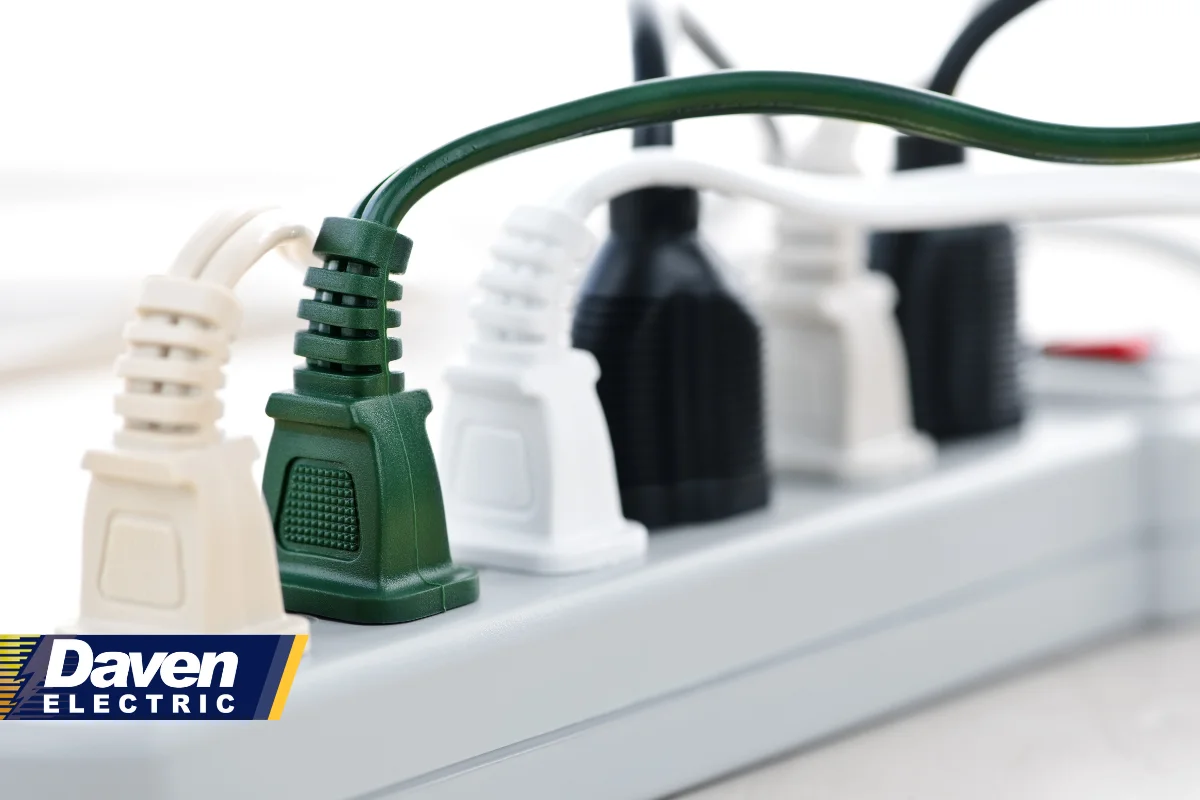
The most effective strategy for protecting your home’s electronics is layered defense. A whole house surge protector at the panel handles large external surges and internal transients before they reach your branch circuits. Quality point-of-use surge protectors should still be used alongside whole-house surge protectors for sensitive devices like computers, home offices equipment, gaming systems, recording setups, and medical devices used at home.
Here is how the layers work together:
- The panel-mounted SPD absorbs or diverts the bulk of a surge, taking the path of least resistance to ground.
- Point-of-use protectors at outlets clamp smaller residual spikes that make it past the panel, offering a second stage of defense closer to your connected devices.
- A UPS (uninterruptible power supply) adds battery backup for critical equipment, covering the gap during power outages that a surge protector alone does not address.
Keep in mind that surge protectors do not guarantee protection against prolonged overvoltage, power outages, or direct lightning strikes. No device can fully stop the energy from a direct lightning strike. However, they significantly reduce damage from indirect lightning strikes and utility-side events that are far more common in urban areas.
Avoid daisy-chaining cheap extension cords or stacking multiple power strips, which undermines overall protection and creates fire risks. Make sure every point-of-use protector carries a UL listing and has not reached the end of its rated lifespan. When the panel-level device and outlet-level protectors work in concert, your investment in peace of mind and equipment longevity pays for itself many times over.
Electrician in Flatbush, Brooklyn, NY – Daven Electric Corp.
At Daven Electric Corp., we help Flatbush homeowners and property managers protect their buildings with properly installed whole house surge protectors. We assess your electrical panel, grounding system, and overall load before recommending any device, ensuring every installation follows NYC Electrical Code and local permitting requirements. Our team works in occupied apartments and brownstones with a focus on safety, clear communication, and minimal disruption to your daily routine.
Whether you need surge protection, panel upgrades, or any residential electrical service in Brooklyn, we bring the experience and licensing that your property deserves. We understand the unique challenges of older construction, shared services, and the modern loads that Flatbush buildings carry today.
Call us at (212) 390-1106 or fill out our contact form to schedule an evaluation. Choosing a qualified Brooklyn electrical contractor gives you long-term peace of mind for your family, tenants, and property.
Frequently Asked Questions
Do I still need power strip surge protectors if I install a whole house surge protector?
Yes. A panel-mounted surge protector and plug-in surge strips serve different roles in a layered defense strategy. The whole house unit handles large surges at the service entrance, but smaller residual voltage spikes can still reach individual outlets. For especially sensitive equipment like computers, televisions, and audio gear, a quality point-of-use surge protector adds a second layer of clamping right at the device. Most surge protectors at the outlet level cost $15 to $50 and are easy to replace when their MOVs wear out. Think of the panel unit as the front door lock and the strip as the deadbolt. Both work best together.
Can a whole house surge protector stop damage from a direct lightning strike?
No surge protector can guarantee full protection from a direct lightning strike. The energy involved in a direct hit can overwhelm any residential-grade device and damage wiring and structure regardless of protection. However, a properly installed whole house surge protector combined with good grounding and bonding significantly reduces damage from nearby lightning events and the utility-side surges that lightning commonly triggers. Most lightning-related damage to homes actually comes from indirect strikes that travel through power lines rather than direct hits to the building itself. Proper grounding is critical to giving the surge energy a safe path to earth.
Will adding a whole house surge protector require my power to be turned off?
Yes. A licensed electrician will typically shut off the main breaker during installation to safely make connections inside the panel. The outage window is generally 1 to 2 hours, depending on panel condition and accessibility. Service conductors at the meter remain energized even with the main breaker off, which is why only a trained professional with appropriate protective equipment should perform this work. If you have critical loads like medical equipment, refrigerated medication, or security systems, plan accordingly by using battery backup or scheduling the installation at a convenient time.
Does a surge protector affect the performance of my appliances or EV chargers?
Under normal operating conditions, a whole house surge protector has zero effect on the performance of your appliances, EV chargers, or any other connected equipment. The device sits idle on the circuit and only activates when voltage exceeds a preset threshold. During everyday use, electricity flows through your panel and circuits exactly as it would without the SPD installed. There is no measurable reduction in power delivery, charging speed, or appliance efficiency. The SPD engages only during a transient surge event, clamping the spike and diverting excess energy to ground, then returning to standby in nanoseconds.
How do I know which size or rating whole house surge protector my Flatbush home needs?
The right device depends on your panel type, service size (typically 100 or 200 amps in Flatbush residential properties), typical connected loads, and local utility conditions. A higher surge current rating measured in kiloamperes provides greater capacity to handle large events, while a lower voltage protection rating means tighter clamping and less residual voltage reaching your circuits. The device must be UL 1449 listed and compatible with your specific panel. Rather than guessing based on online specs, have a licensed electrician review your system in person. They can evaluate your grounding, available breaker space, and load profile to recommend a properly sized unit that meets both your needs and NYC code requirements.
Disclaimer
Disclaimer: This article provides general information about surge protection for Brooklyn residences and does not replace on-site evaluation or professional guidance from a licensed electrician familiar with your specific property and local code requirements.
Read How Much Does Ceiling Fan Installation Cost? | Electrician in Gravesend, Brooklyn, NY