Why Modern Homes Demand Smarter Electrical Systems
Brooklyn Electrician services are evolving fast as homeowners struggle to keep up with growing technology demands. Traditional house wiring often falls short when powering smart devices, automated lighting, and advanced security systems. This gap can lead to inefficiencies, safety concerns, and limited functionality that frustrates homeowners. As technology becomes central to daily life, outdated electrical service setups only amplify these problems. The solution lies in smart home wiring—a modern approach that transforms how your home operates. By integrating advanced systems through proper planning and installation, a skilled electrician can future-proof your property while improving comfort, safety, and energy efficiency.
The Rise of Smart Home Wiring in Residential Spaces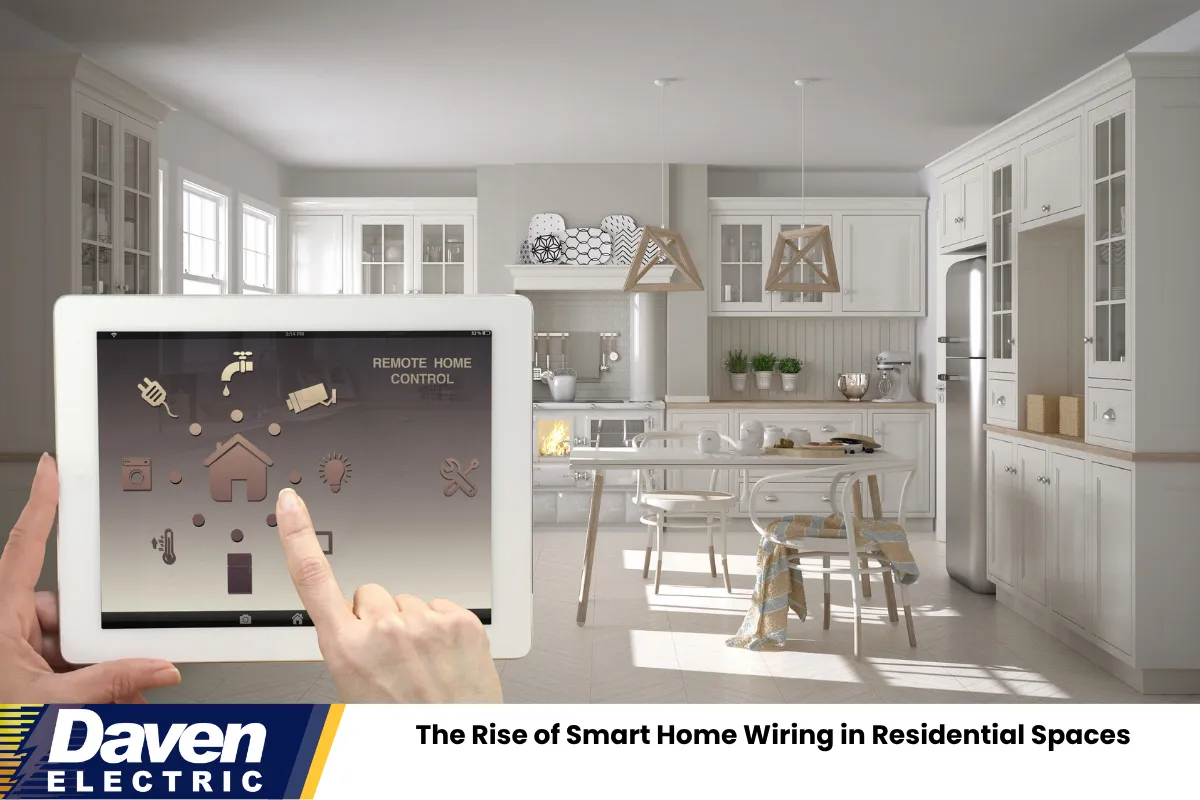
Smart home wiring is more than just connecting devices—it’s a structured electrical framework designed to support automation, communication, and control. Unlike traditional setups, this system integrates power and data lines to ensure seamless interaction between devices.
A residential electrician typically installs these systems to support:
- Smart lighting and dimming systems
- Automated thermostats
- Security cameras and alarm systems
- Voice-controlled assistants
- Home entertainment networks
With the rise of connected devices, homeowners increasingly rely on an experienced electrical contractor to design systems that can handle both current needs and future upgrades.
How Smart Wiring Differs from Traditional House Wiring
Traditional house wiring focuses on delivering electricity from a panel to outlets and fixtures. Smart wiring, on the other hand, introduces structured cabling, low-voltage systems, and centralized controls.
Key differences include:
- Integration of data and electrical systems
- Centralized control hubs
- Scalability for future devices
- Enhanced safety and monitoring features
This modern approach ensures your electrical service can handle increasing loads and digital demands.
Key Components of a Smart Home Electrical System
Structured Cabling Systems
Structured cabling is the backbone of smart home wiring. It organizes cables for internet, video, and communication systems in a central location, allowing efficient data transfer.
A qualified electrician ensures proper installation to avoid interference and signal loss.
Smart Panels and Circuit Management
Smart electrical panels provide real-time monitoring of energy usage and circuit performance. These systems allow homeowners to:
- Track electricity consumption
- Identify overloaded circuits
- Control power remotely
An electrical contractor often recommends upgrading panels to meet modern standards, especially in older Brooklyn properties.
Automation Controllers and Hubs
Automation hubs connect all smart devices into one ecosystem. These hubs communicate with lighting, HVAC, and appliances, enabling centralized control via apps or voice commands.
Low-Voltage Wiring Integration
Low-voltage wiring supports systems like:
- Security cameras
- Doorbell cameras
- Audio systems
- Network connections
This type of wiring requires precision and planning, making it essential to hire a residential electrician with experience in both high- and low-voltage systems.
Benefits of Upgrading to Smart Home Wiring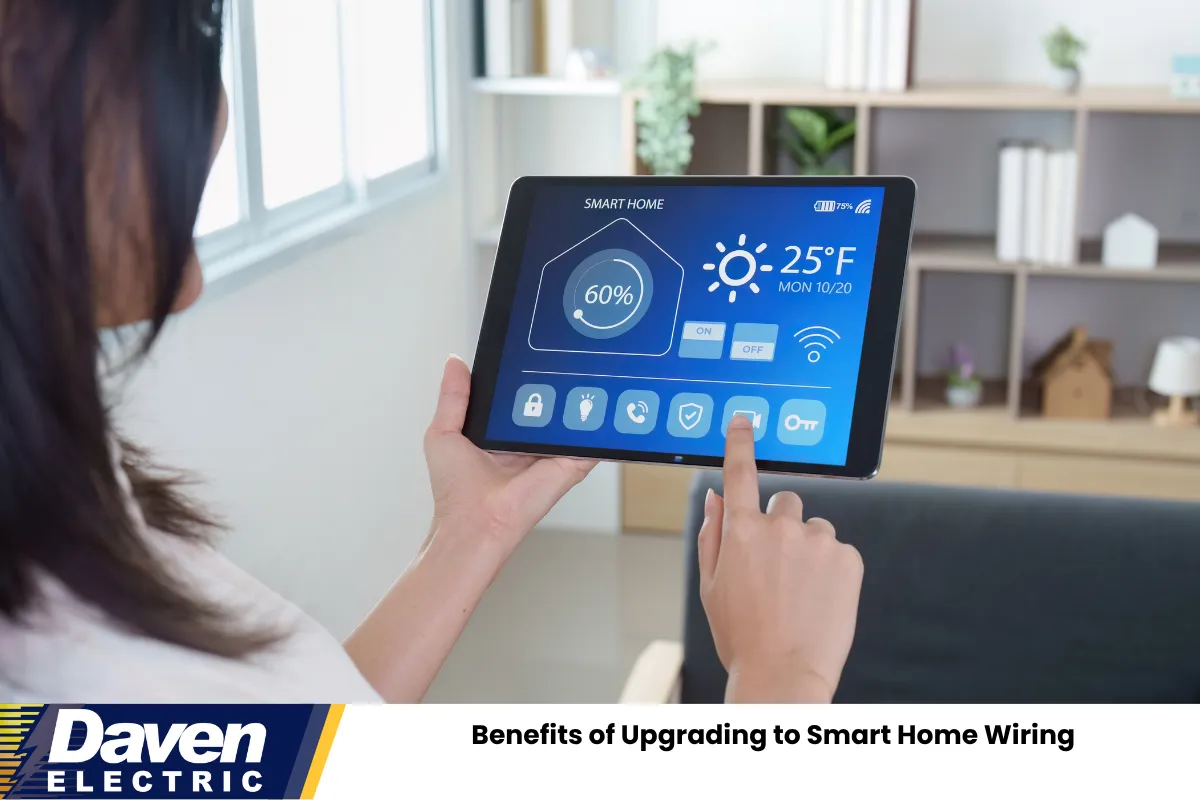
Enhanced Energy Efficiency
Smart systems allow homeowners to optimize energy usage by automating lighting, heating, and cooling. This reduces electricity waste and lowers utility bills.
For example:
- Lights turn off automatically when rooms are empty
- Thermostats adjust based on occupancy
- Appliances run during off-peak hours
An electrician can design systems that maximize efficiency without compromising comfort.
Improved Safety and Electrical Protection
Smart home wiring enhances safety by enabling:
- Real-time monitoring of electrical loads
- Automatic shutoffs during faults
- Integration with smoke and carbon monoxide detectors
In Brooklyn, electrical service upgrades must comply with local codes, including proper grounding and circuit protection.
Convenience and Automation
Automation simplifies everyday tasks. With smart wiring, homeowners can control their entire home through a single device.
Examples include:
- Scheduling lights and appliances
- Remote access to security systems
- Voice-controlled home environments
Increased Property Value
Homes equipped with modern electrical systems are more attractive to buyers. Smart home wiring adds long-term value by offering efficiency, security, and scalability.
Read How Much Does It Cost for a Brooklyn Electrician to Install a Smart Home Control System?
Planning Smart Wiring for New Construction vs. Renovations
New Construction Advantages
Installing smart home wiring during construction is more cost-effective and efficient. Walls are open, allowing easy access for routing cables and installing systems.
Benefits include:
- Lower installation costs
- Greater customization options
- Seamless integration with home design
Retrofitting Existing Homes
Upgrading older homes in Brooklyn can be more complex but still achievable. A skilled electrical contractor can retrofit systems without major structural changes.
Common retrofit solutions include:
- Wireless components to reduce wiring needs
- Strategic cable routing through existing walls
- Upgraded electrical panels
Electrical Code Compliance in Brooklyn, New York
Smart home wiring must adhere to strict regulations to ensure safety and reliability. In Brooklyn, electricians follow guidelines set by local authorities and national standards.
Key Compliance Requirements
- Installation must meet National Electrical Code (NEC) standards
- Permits are required for major electrical service upgrades
- Licensed electricians must perform all work
- Proper grounding and circuit protection are mandatory
Hiring a certified residential electrician ensures compliance and prevents costly violations.
Importance of Hiring a Licensed Electrical Contractor
Working with a licensed professional guarantees:
- Safe and code-compliant installations
- Proper permitting and inspections
- High-quality workmanship
Unlicensed work can lead to fines, failed inspections, and potential hazards.
Common Smart Home Wiring Mistakes to Avoid
Even with advanced technology, poor planning can lead to inefficiencies and safety risks.
Overloading Circuits
Adding multiple smart devices without upgrading the electrical panel can overload circuits. An electrician evaluates load capacity to prevent this issue.
Poor Network Planning
Weak connectivity can disrupt smart systems. Proper placement of routers and structured cabling is essential.
Ignoring Future Expansion
Failing to plan for additional devices can limit your system’s functionality. A forward-thinking electrical contractor designs scalable solutions.
Choosing the Right Electrician for Smart Home Projects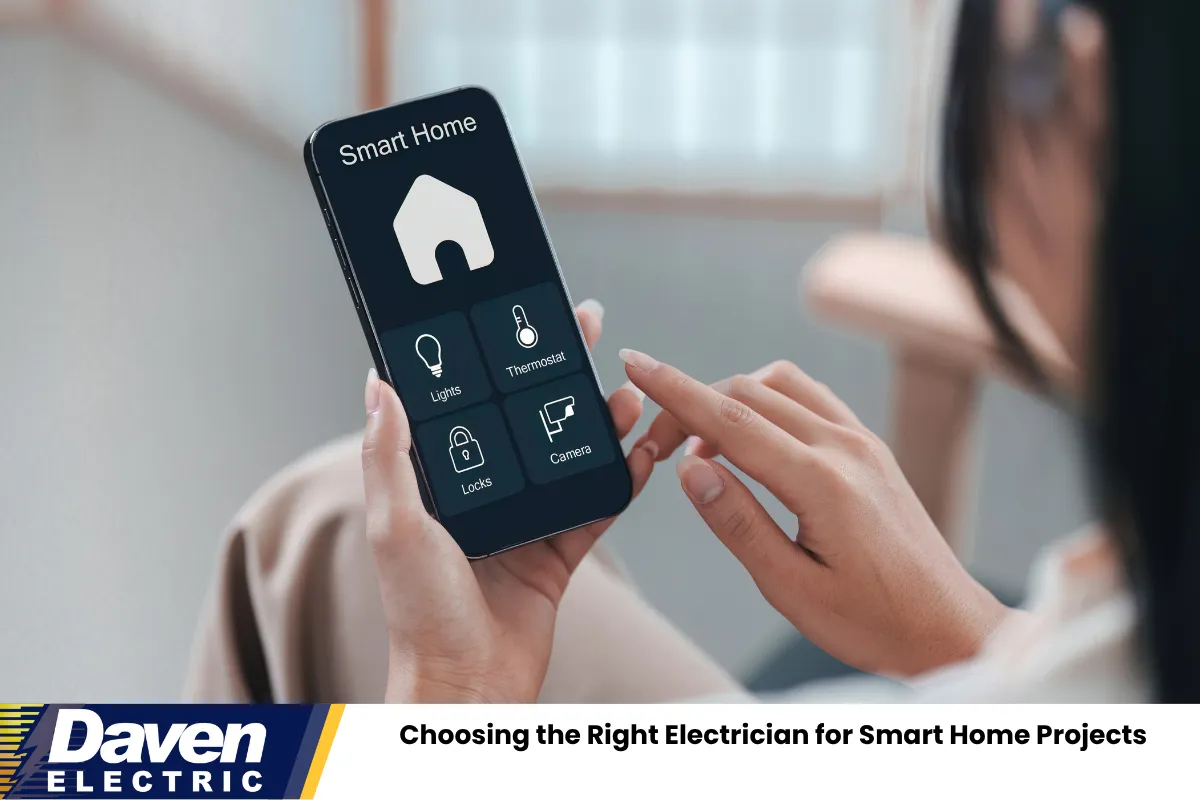
Not all electricians specialize in smart home wiring. It’s important to select a professional with experience in modern systems.
What to Look For
- Experience with automation systems
- Knowledge of low-voltage wiring
- Familiarity with Brooklyn building codes
- Strong portfolio of completed projects
A reliable residential electrician will also provide guidance on system design and future upgrades.
Smart Home Technologies Shaping the Future
Smart home wiring continues to evolve with new innovations.
Integration with Renewable Energy
Solar panels and battery storage systems are becoming more common. Smart wiring allows seamless integration with renewable energy sources.
AI-Driven Automation
Artificial intelligence enhances automation by learning user preferences and optimizing home performance.
Advanced Security Systems
Modern systems offer:
- Facial recognition
- Remote monitoring
- Instant alerts
These features require robust electrical service infrastructure to function effectively.
Cost Considerations for Smart Home Wiring
The cost of smart home wiring varies depending on the size of the home and system complexity.
Factors That Influence Pricing
- Number of devices and systems
- Type of wiring (new vs retrofit)
- Electrical panel upgrades
- Labor and materials
While the initial investment may be higher, long-term savings in energy efficiency and maintenance make it worthwhile.
Long-Term Maintenance and Upgrades
Smart home systems require regular updates to maintain performance.
Maintenance Tips
- Schedule periodic inspections with an electrician
- Update software and firmware regularly
- Monitor system performance
An electrical contractor can provide ongoing support to ensure your system remains efficient and secure.
Bringing It All Together for a Smarter Home
Smart home wiring represents a significant shift in how homes are powered and controlled. By integrating advanced systems into your electrical service, you gain efficiency, safety, and convenience that traditional setups cannot provide.
Whether you’re building a new home or upgrading an existing one, working with a qualified residential electrician ensures your system is designed for both present needs and future innovations. Investing in smart wiring today prepares your home for the technologies of tomorrow while enhancing everyday living.
Brooklyn Electrician – Daven Electric Corp.
At Daven Electric Corp., we provide dependable electrician services tailored to modern homes and businesses across Brooklyn, New York. Our team specializes in smart home wiring, electrical service upgrades, and complete house wiring solutions designed for safety and efficiency. We take pride in delivering high-quality workmanship as a trusted electrical contractor, ensuring every project meets local codes and exceeds expectations. Whether you need a residential electrician for automation upgrades or a commercial electrician for advanced systems, we’re ready to help. Call us today at (212) 390-1106 or fill out our contact form to schedule your service and experience reliable, professional results.
Frequently Asked Questions
What is the difference between smart home wiring and wireless systems?
Smart home wiring relies on physical connections to ensure stable performance, while wireless systems depend on Wi-Fi signals. Wired systems are generally more reliable, faster, and less prone to interference. They are ideal for large homes or properties with multiple devices. Wireless systems are easier to install but may struggle with connectivity issues. Many modern setups combine both approaches for flexibility and performance. A qualified electrician can help determine the best solution based on your home’s layout and technology needs.
Can smart home wiring reduce electricity bills significantly?
Yes, smart home wiring can lead to noticeable energy savings. Automated systems optimize energy use by controlling lighting, heating, and appliances based on occupancy and schedules. For example, smart thermostats adjust temperatures automatically, and lighting systems turn off when not in use. Over time, these efficiencies reduce overall energy consumption. However, the extent of savings depends on how the system is used and the size of the home. An experienced electrical contractor can design a system that maximizes cost savings.
Is smart home wiring safe for older homes in Brooklyn?
Smart home wiring can be safely installed in older homes, but it often requires upgrades to existing electrical systems. Older properties may have outdated panels or insufficient wiring capacity. A residential electrician will assess the current system and recommend necessary improvements to meet safety standards. Retrofitting can include panel upgrades, new circuits, and integration of low-voltage wiring. When done correctly, smart wiring enhances both safety and functionality without compromising the structure of the home.
How long does it take to install smart home wiring?
The installation timeline varies depending on the project’s complexity. New construction projects may take several days to weeks, as wiring is integrated during the building process. Retrofitting existing homes can take longer due to limited access and necessary upgrades. Smaller installations, such as adding smart lighting or security systems, may only take a day or two. A professional electrician will provide a detailed timeline after evaluating the scope of work.
Do I need permits for smart home wiring in Brooklyn?
Yes, most smart home wiring projects require permits, especially if they involve electrical service upgrades or panel modifications. Brooklyn regulations mandate that licensed electricians perform the work and ensure compliance with the National Electrical Code. Permits and inspections help guarantee safety and prevent potential hazards. Failing to obtain proper permits can result in fines and complications when selling the property. Working with a licensed electrical contractor ensures all legal requirements are met.
Disclaimer: This article is for informational purposes only and does not replace professional advice. Always consult a licensed electrician in Brooklyn, New York to ensure compliance with local electrical codes and safety standards.
Read Brooklyn Electrician: How Long Does Electrical Permit Remediation Usually Take?