What a Brooklyn Electrician Wants You to Know About Panel Upgrade Costs Up Front
Every Brooklyn electrician has heard the same story. A homeowner adds a couple of window ACs, swaps in an induction range, maybe sets up a serious home office, and suddenly breakers start tripping every afternoon. The lights flicker. The panel cover feels warm. And then comes the real worry: could this start a fire?
These safety concerns are legitimate. Overloaded panels cause thousands of electrical fires across the country each year. The solution, in most cases, is a code-compliant electrical panel upgrade sized to handle your actual and future electrical load.
Here is what that project typically costs in Brooklyn as of 2026:
- A like-for-like 100-amp panel replacement with no service size change often runs about $1,200 to $2,200.
- Upgrading from 100 to 200 amps costs between $1,300 and $3,000 for moderate-complexity jobs, though many Brooklyn projects land in the $1,800 to $4,000 range once permits and labor are factored in.
- A full service upgrade in an older brownstone or multi-family building, including new feeders, meter pan, grounding, and city coordination, frequently reaches $5,000 to $9,000 or more.
Brooklyn costs run higher than national averages. Union-level labor rates, aging building stock, and the city permitting process all contribute. But a properly installed panel protects your house, supports modern appliances, and passes NYC inspections without headaches.
Key Takeaways
- A standard electrical panel upgrade in Brooklyn typically costs between $1,000 and $5,000, while a full service upgrade with new feeders and meter work can range from $5,000 to $9,000 or more depending on building conditions.
- NYC Department of Buildings permits and Con Edison coordination are legally required for most capacity increases, adding both cost and project time. Costs for permits and inspections in NYC typically range from $150 to $2,000.
- All electrical panel upgrades in New York City must be performed by a licensed electrician, and unpermitted work can void insurance, block home sales, and result in fines.
- Upgrading improves safety by meeting modern electrical standards, supports energy efficiency, and prepares your property for high-draw additions like EV chargers and heat pumps.
- Understanding the investment required for a panel upgrade is essential for homeowners planning renovations or adding modern appliances to older Brooklyn buildings.
How Electrical Panels Work and Why Size Matters in Brooklyn Homes
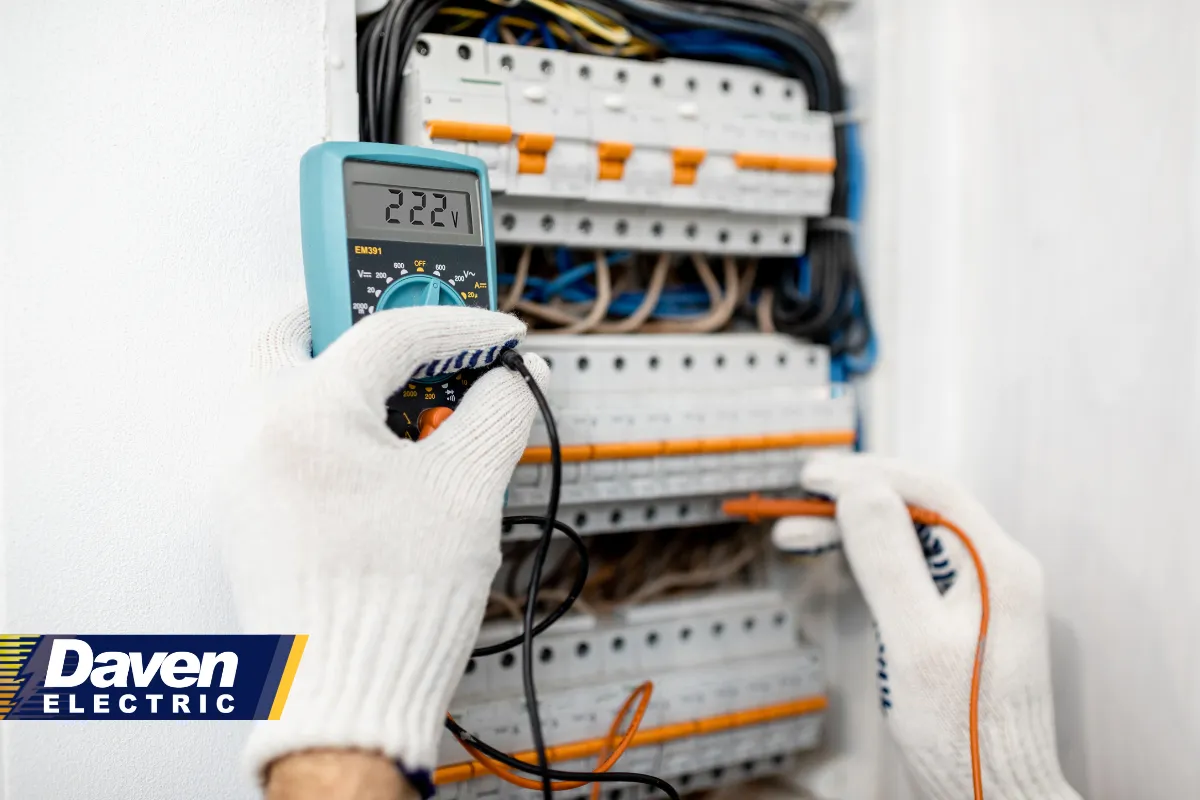
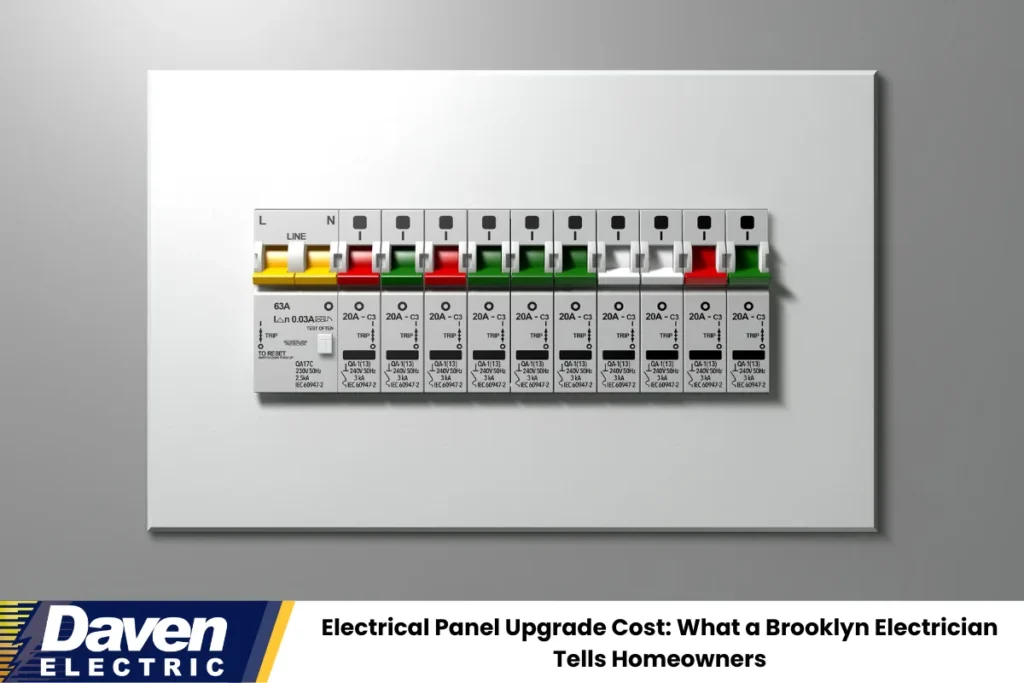
Your main panel is the central hub of your electrical system. Power flows in from Con Edison through the service entrance, passes through the meter, and arrives at the panel, where circuit breakers distribute it to individual circuits throughout your house. Each breaker protects a specific run of wiring that serves your outlets, lighting, switches, and hardwired appliances.
Panel size is measured in amps, which determines how much total power the system can safely deliver at once. Common sizes include:
- 60-amp panels, still found in many pre-war Brooklyn apartments and older homes
- 100-amp panels, adequate for smaller apartments and buildings with modest demand
- 200-amp panels, now standard in modern homes and recommended for properties with high-load circuits
- 300 to 400-amp setups for larger multi-unit or mixed-use buildings
The National Electric Code recommends a minimum panel capacity of 100 amps for residential dwellings. Most new homes built since 2015 have at least 200 amps installed from the start, reflecting the reality that modern appliances, HVAC, and electronics draw far more power than buildings from the 1920s through 1960s were ever designed to handle.
A residential electrician will perform a load calculation using NEC guidelines before recommending panel size. This calculation accounts for square footage, fixed appliances, heating and cooling equipment, and any planned additions. Rather than guessing, the math tells you exactly whether your existing system can handle the demand or whether you need a larger panel. An undersized panel leads to nuisance tripping, dimming lights under load, and overheated wiring, none of which are problems you want in a building where people sleep.
When a Panel Upgrade Becomes Necessary in a Brooklyn Building
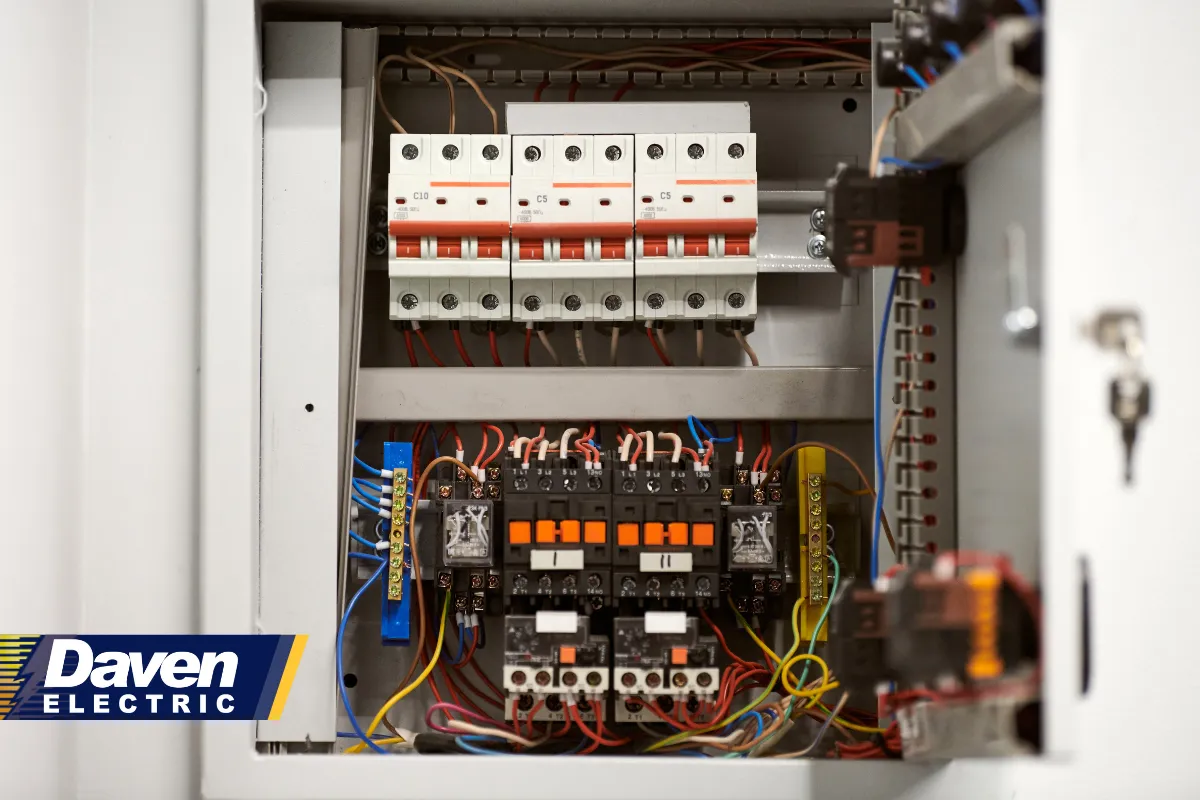
Some panel upgrades are elective, planned around a renovation or a new appliance. Others are urgent. Here is how to tell the difference.
Watch for these warning signs:
- Frequent breaker trips when multiple appliances run at the same time, which indicate a panel struggling with load
- Flickering or dimming lights when an AC unit, microwave, or dryer kicks on, which can signal an overloaded electrical panel
- A warm or discolored panel cover, suggesting internal overheating
- Buzzing, crackling, or popping sounds coming from inside the panel
- A burning odor near the panel or nearby outlets, which demands immediate attention
Other signs include an older electrical panel with obsolete or recalled equipment. Fuse boxes, very old split-buss panels, and certain manufacturer models with documented safety defects should be replaced rather than repaired. Panels over 30 years old may not support modern appliances or meet current code requirements. Older panels often fail to meet modern safety standards, and a licensed electrical contractor will typically recommend a full panel replacement rather than patchwork fixes.
Most panels are designed for roughly 25 to 40 years of service, but Brooklyn conditions, including damp basements, salt air, decades of incremental wiring additions, and occasional DIY alterations, can shorten that lifespan.
Common triggers for Brooklyn homeowners include gut renovations, installing central AC or a heat pump, converting to electric cooking, or adding an EV charger. Each of these can push a 60 or 100-amp service well beyond its safe capacity.
Read How Long Do Breakers Last? A Brooklyn Electrician Explains When to Replace Them
Major Cost Drivers in a Brooklyn Electrical Panel Upgrade
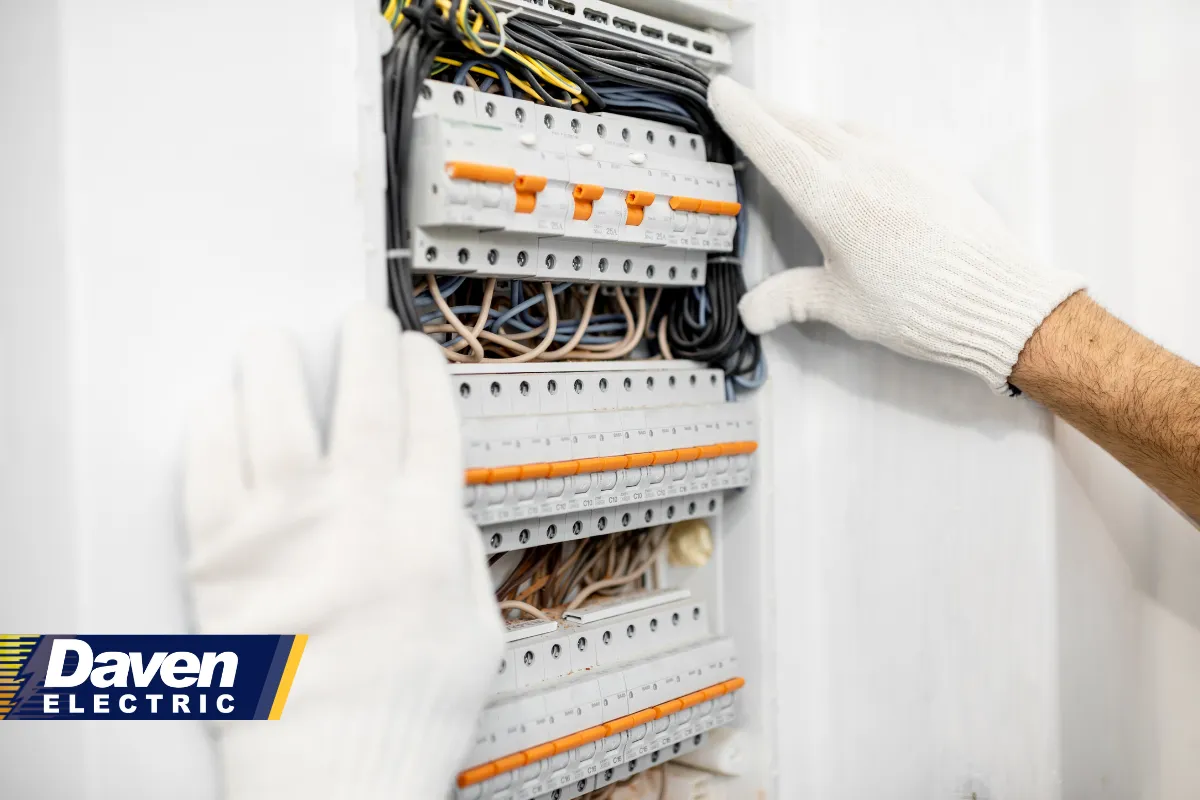
The line item labeled panel upgrade cost on a quote actually bundles several distinct factors together. Understanding each one helps you compare estimates fairly.
Panel size and type make an immediate difference. A basic 100-amp breaker panel costs less in materials than a 200-amp unit, and smart electrical panel upgrades that include monitoring and load management run from $2,000 to over $5,000 for equipment alone. Modern electrical codes also require AFCI breakers in many locations, which are more expensive than traditional breakers and add to the materials line.
Installation complexity matters. A straight swap in the same location with existing wiring in good shape is the simplest project. Relocating the panel to a different wall, floor, or room means new conduit runs, wall repairs, and extra labor. Working in tight basements or shared utility spaces increases labor costs because electricians need more time to maneuver and meet clearance requirements.
The condition of your existing wiring drives cost significantly. Intact copper wiring in good condition keeps expenses down. Deteriorated cloth-sheathed conductors, mixed aluminum runs, or knob-and-tube remnants require more extensive electrical work. Upgrading an electrical panel in older homes often costs more due to this outdated wiring.
A service upgrade, meaning an increase in the amperage coming into your building, demands new feeder conductors, a new meter pan, and possibly a new service mast or lateral. This is a bigger project than a simple panel replacement.
Labor is often the largest factor in upgrade costs. Brooklyn electricians typically charge $100 to $150 per hour or more, and labor costs almost always exceed the hardware portion of the bill.
Permits, Con Edison, and NYC Rules That Affect Your Panel Upgrade Budget
In New York City, legal and code requirements are not optional, and they influence both your budget and timeline.
NYC Department of Buildings requirements are straightforward but strict. In NYC, a panel upgrade requires a Department of Buildings permit. Any substantial panel upgrades must be filed by a licensed master electrician through DOB NOW. The permitting process includes application fees that scale with amperage, plus mandatory inspections before the work receives final sign-off. Costs for permits and inspections in NYC typically range from $150 to $2,000 depending on project scope.
When you increase service size, say from 100 to 200 amps, your electrician must coordinate with Con Edison. This involves requesting a service change, scheduling a temporary shutdown, and potentially upgrading the service drop or underground lateral. Con Edison handles utility-side infrastructure under their standard plan, but customer-side work and any special requests like relocating the point of attachment add cost. This coordination can add $500 to $1,500 and extend the project by one to three weeks depending on utility scheduling. Electrical panel upgrades typically take one to two weeks in NYC once all approvals are in place, though complex projects can stretch longer.
Transitioning service from overhead to underground lines often increases costs, and excavation to upgrade electrical service from the street may significantly raise costs further.
In co-op and condo buildings, board approval and building management coordination can affect both design and budget, sometimes adding weeks to the timeline.
Unpermitted electrical work in NYC is illegal, can invalidate your homeowner insurance, and frequently causes problems during resale or refinancing when discovered during inspections.
Typical Brooklyn Price Ranges by Panel Size and Project Scope
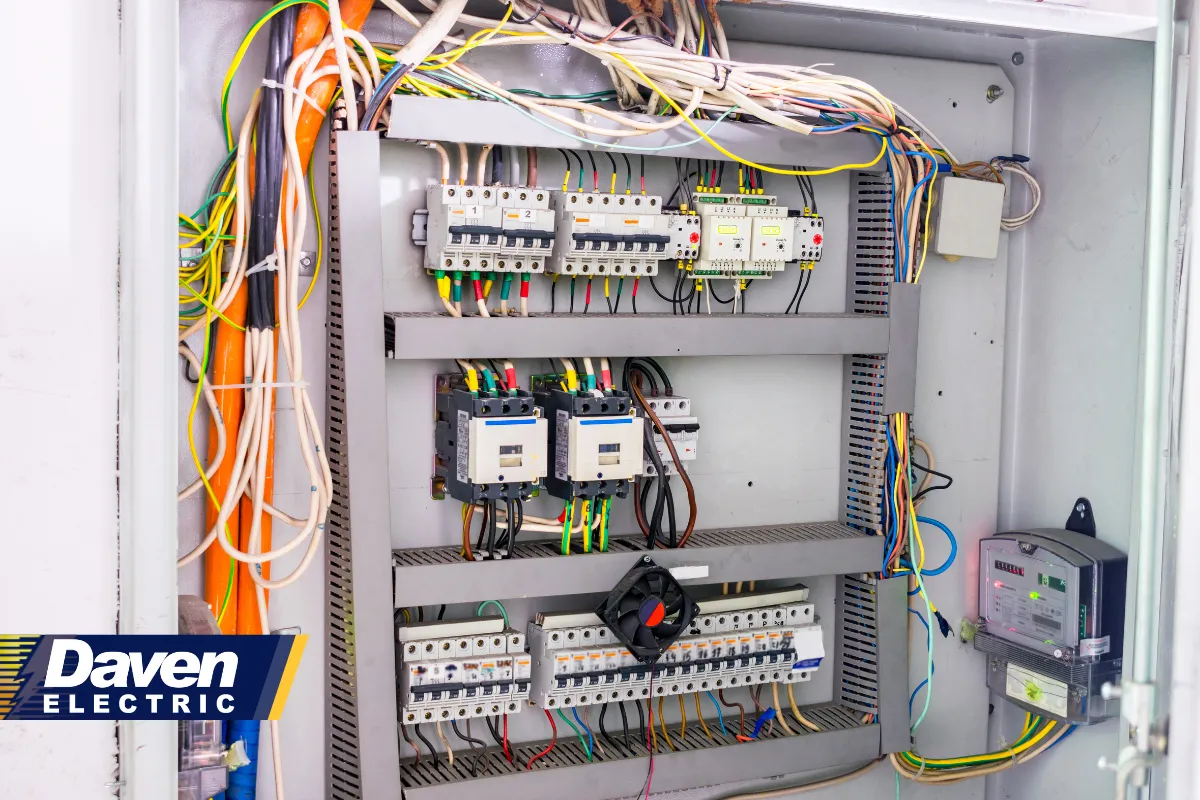
These are ballpark 2026 Brooklyn ranges for informational purposes. Actual estimates require an on-site visit from a professional electrician who can evaluate your specific building conditions.
| Project Type | Approximate Cost Range |
| Like-for-like 100-amp breaker panel replacement, minimal wiring changes | $1,200 – $2,200 |
| Fuse box or 60-amp to new 100-amp panel, modest rewiring | $1,500 – $2,800 |
| 100-amp to 200-amp panel upgrade, limited service changes | $1,800 – $4,000 |
| Full 200-amp service upgrade (brownstone), new feeders, meter, grounding, DOB/Con Ed coordination | $5,000 – $9,000+ |
| Large multi-unit or commercial projects, heavy equipment loads | $10,000 – $30,000+ |
Standard electrical panel upgrades cost between $1,000 and $5,000 for most residential situations. Full service upgrades can range from $5,000 to $30,000 depending on building size, number of units, and whether significant infrastructure work is needed. A commercial electrician handling complex projects in mixed-use or multi-unit buildings will scope work differently than a typical single-family job.
A 100-amp panel is suitable for smaller apartments and older homes with modest demand. A 200-amp panel is recommended for modern homes and any property planning to add high-draw equipment.
When reviewing quotes, ask for line-item breakdowns covering panel hardware, labor, permits, utility coordination, and any dedicated circuits for things like an EV charger or mini-split system. Most homeowners find that getting this level of detail makes it much easier to compare proposals and spot missing items.
Ways to Control Panel Upgrade Costs Without Cutting Safety Corners
A panel upgrade is a serious investment, but good planning keeps costs reasonable without risking safety or code violations.
Combine work strategically. If you are already planning a kitchen renovation, bathroom remodel, or EV charger installation, scheduling the panel upgrade at the same time lets you share mobilization, permits, and some labor across multiple electrical projects. This approach can meaningfully reduce labor costs compared to doing everything separately.
Right-size your panel based on a professional load calculation instead of automatically jumping to the largest equipment available. A properly planned 200-amp new panel with room for future upgrades is usually more cost-effective than installing oversized gear you may never need. Most homes upgrade to a 200-amp panel for modern electrical needs, and that capacity handles nearly all residential scenarios.
Consider alternatives for smaller additions. Installing a subpanel to serve a finished basement or an addition can sometimes avoid the cost of a full service upgrade. Approved load management devices for EV charger installations can also delay major utility work in some Brooklyn apartments.
Brooklyn homeowners should compare multiple detailed estimates before choosing a contractor. Ask each licensed electrical contractor for an itemized written proposal and check that permits, Con Edison coordination, and inspection fees are included. Look for available rebates or incentives when upgrades support energy efficiency or electrification through programs offered by the utility or state agencies.
Read Is Electrical Inspections Worth It? Why a Brooklyn Electrician Recommends
Planning for Future Loads: EV Chargers, Heat Pumps, and Modern Appliances
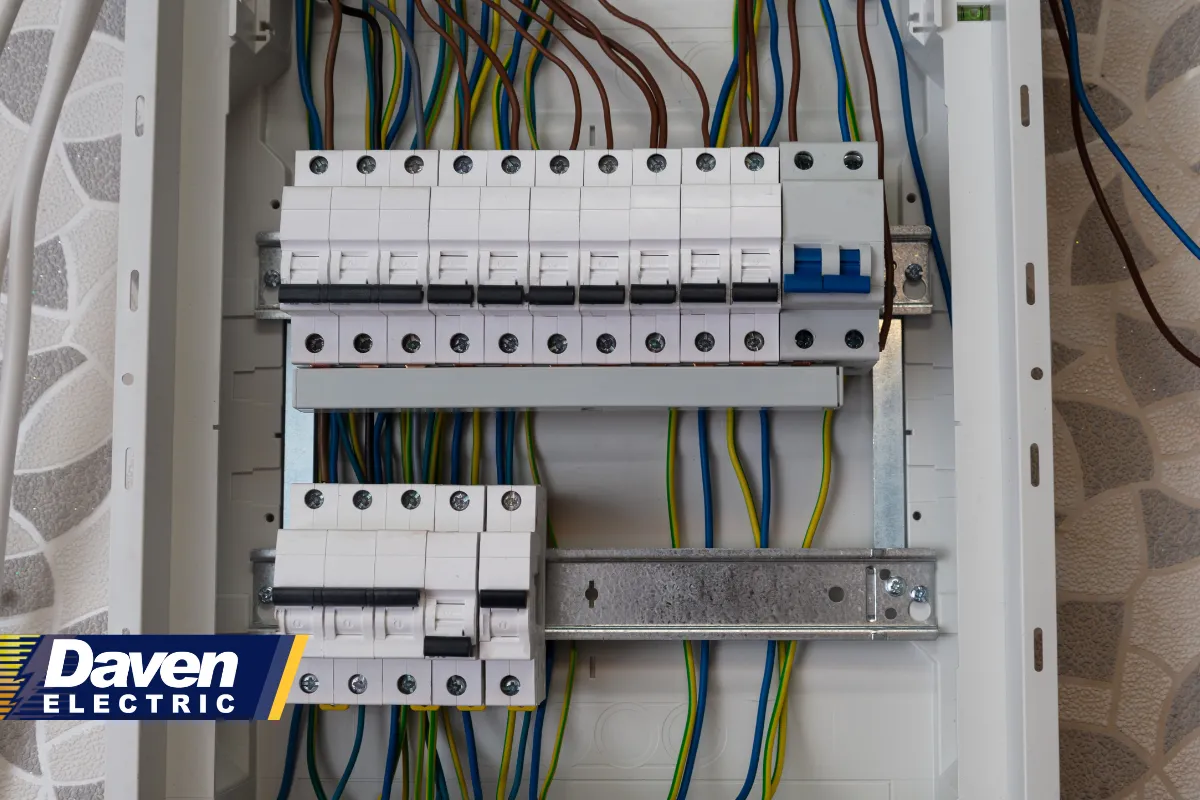
Brooklyn homes are electrifying rapidly, and a thoughtful panel upgrade today avoids multiple rounds of expensive work over the next decade.
Typical future loads to plan for include:
- A Level 2 EV charger, which draws 40 to 60 amps on a dedicated circuit. Electric vehicle chargers typically require a 200-amp panel to coexist safely with the rest of your home’s demand.
- Electric heat pumps and mini-splits for heating and cooling, replacing older gas-fired systems
- Electric dryers, ranges, and induction cooktops replacing gas appliances
- Home offices with multiple computers, monitors, and networking equipment
A forward-looking load calculation factors in these likely additions and may recommend a 200-amp or larger panel even if current demand is modest. Designing for future electrical load costs less now than repeatedly reopening walls and upgrading service every few years as new technology comes online.
Smart panels with integrated load management allow homeowners to prioritize power delivery, automatically throttling lower-priority circuits when demand spikes. Smart electrical panel upgrades cost $2,000 to over $5,000, but they can sometimes eliminate the need for additional upgrades to utility infrastructure, making the total cost competitive with a conventional setup plus future modifications.
The goal is to install a system once, install it right, and have capacity ready when your needs grow. That plan saves money, time, and disruption over the life of the property.
Answering the Big Question: Is a Panel Upgrade Worth It for Your Brooklyn Home
When you weigh the upfront panel upgrade cost against the long-term benefits, the math favors upgrading in almost every scenario.
A new panel significantly reduces the risk of circuit overloads and overheating, which are among the leading causes of residential electrical fires. It gives you the capacity to run modern appliances, HVAC systems, and EV charging without tripping breakers or stressing old wiring. Upgrading can increase your property’s resale value, because buyers and their inspectors look favorably on a modern, properly installed panel that meets current code. A properly labeled and inspected electrical system also smooths the path through DOB inspections, appraisals, and co-op or condo board reviews.
Many older panels are bottlenecks. They prevent homeowners from modernizing for comfort and energy efficiency, and they introduce risk every day they remain in service. An old panel that cannot safely deliver what your building demands is not saving you money. It is costing you in tripped breakers, potential hazards, and missed opportunities to install efficient equipment that could lower your energy bills.
Treat a panel upgrade as both a safety project and a property investment. Schedule an on-site evaluation with a licensed Brooklyn electrician who understands NYC codes, DOB procedures, and Con Edison requirements. Get a customized quote based on your building’s age, wiring condition, and the future you have planned for your home.
Brooklyn Electrician – Daven Electric Corp.
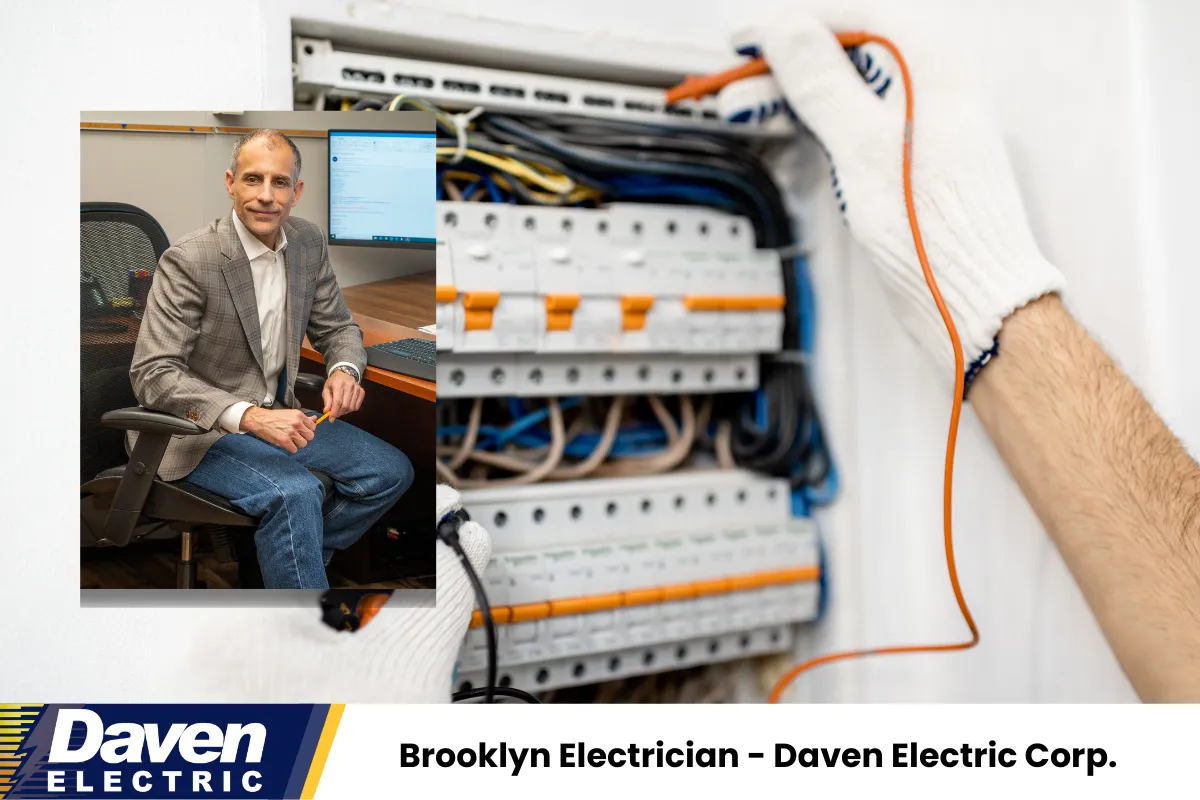
We are Daven Electric Corp., a trusted electrical contractor based in Brooklyn, New York. Our licensed team handles residential and commercial panel upgrades across the borough, from single-family brownstones to multi-unit buildings and mixed-use properties. We manage the full process so you do not have to chase paperwork or coordinate between agencies. That means NYC DOB permits, Con Edison coordination, load calculations, panel replacement, service upgrades, and related electrical work like EV charger circuits or new appliance lines are all handled under one roof. Our focus is quality work, transparent pricing, and scheduling that minimizes power downtime in your home or business. Every installation is properly labeled, inspected, and built to meet current code. If you need an electrical service evaluation or a detailed written estimate, call us at (212) 390-1106 or fill out our contact form. We are ready to help you plan your next project with confidence.
Frequently Asked Questions
How long will my power be off during an electrical panel upgrade in Brooklyn?
In most Brooklyn apartments and one-to-three-family homes, the actual power shutdown on upgrade day typically lasts four to eight hours. During that window, the old panel is removed, the new panel is mounted and wired, and all connections are tested before power is restored. The overall project timeline stretches longer because of DOB permitting and Con Edison scheduling, often totaling one to three weeks from signed contract to final inspection. Experienced electricians plan the work to minimize disruption and will advise you to unplug sensitive electronics, plan for refrigeration, and arrange work-from-home alternatives ahead of time. In multi-unit buildings, phased work can sometimes keep critical circuits operating during portions of the installation.
Can my electrical panel be moved to a different location during the upgrade?
Relocating a panel is possible but adds cost and complexity. Moving the panel means running new feeder conduits, routing cables through walls or ceilings, and repairing drywall or masonry afterward. NYC and the National Electrical Code set strict rules about panel clearances, including minimum working space, mounting height, and accessibility. Panels cannot be installed in bathrooms, clothes closets, or cramped storage areas. Relocation also requires updated documentation for DOB filings and may trigger additional inspections, especially in multi-family or mixed-use properties. If you are finishing a basement, removing an outdated closet, or improving access for maintenance, discuss these goals with your electrician so they can propose code-compliant options and provide a revised cost estimate before work begins.
Do electrical panel upgrades in Brooklyn come with warranties or inspections afterward?
Reputable contractors typically provide both a parts warranty backed by the panel manufacturer and a workmanship warranty covering the installation for a defined period, often at least one year. In NYC, all permitted electrical work must pass a Department of Buildings inspection or self-certification process, which serves as an independent quality and safety check beyond the contractor’s own testing. Con Edison may also verify meter and service equipment when upgrades affect their infrastructure. Ask for written warranty details, copies of all permits, and inspection sign-off documentation for your records. These documents matter for insurance claims, resale transactions, and any future renovation projects that touch the electrical system.
Will upgrading my electrical panel lower my monthly electric bill?
Replacing a panel alone does not directly reduce the kilowatt-hours you consume, since your utility bills you for actual energy usage rather than panel capacity. However, a new panel can improve energy efficiency indirectly by enabling safe installation of modern, efficient equipment that an old panel could not support, such as heat pumps, LED lighting systems, or ENERGY STAR-rated appliances. Stable voltage delivery and properly sized circuits also help motors and sensitive electronics run more smoothly, potentially reducing wasted energy from overheating or repeated cycling. Upgrading can lower your energy bills when paired with efficient equipment, so view the panel as an enabling project that makes future efficiency improvements possible rather than a standalone bill-cutting measure.
What should I ask an electrician before agreeing to a panel upgrade quote?
Request clear answers to these questions before signing anything:
- Are you a licensed electrician authorized to pull NYC DOB permits for this work?
- Does your quote include permit fees, Con Edison coordination, and final inspection?
- Will this project include a full load calculation and a written panel schedule showing every circuit?
- What brand and model of panel are you installing, and what warranty covers both parts and labor?
- How will you handle existing wiring issues if you discover unsafe conditions behind the walls?
Ask for a written, itemized proposal that separates labor, materials, permits, and any contingency charges for concealed damage or code-required additional upgrades. Having proper training and licensing verification documented before work begins protects you from surprises on the final invoice.
Disclaimer: This article provides general informational guidance about electrical panel upgrades in Brooklyn, New York. It is not legal, engineering, or code advice. Always consult a licensed local electrician and relevant city authorities for project-specific requirements before beginning any electrical work.
Read Can Buildings Run with Minor Issues? Insights from a Commercial Electrician in Manhattan