Why a Brooklyn Electrician Is Safer Than DIY From the Very Start
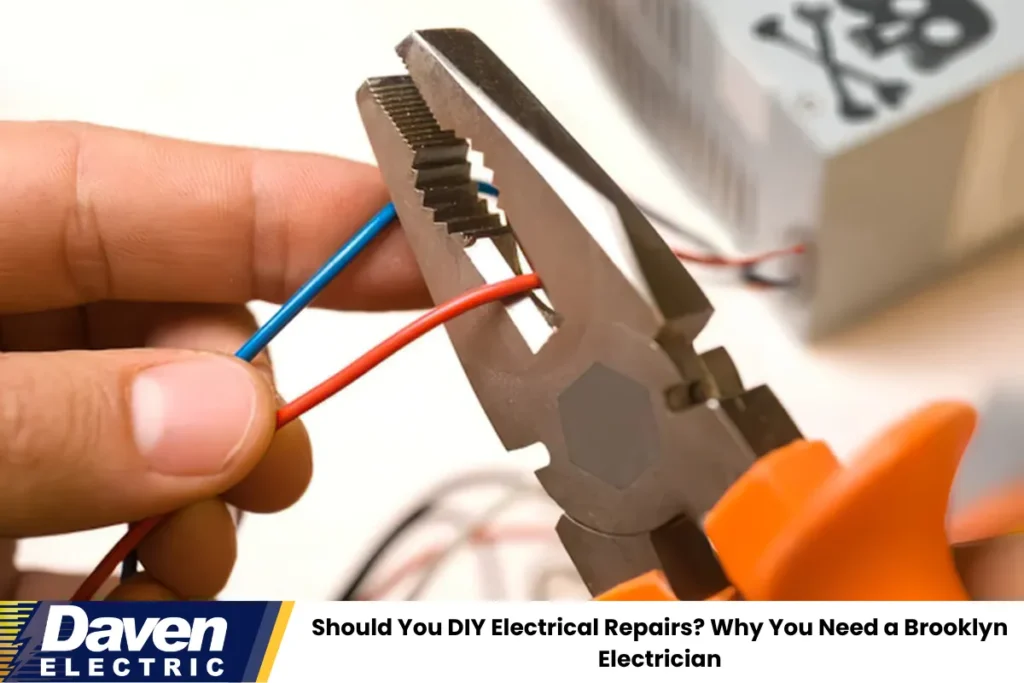
A Brooklyn electrician sees the same problem week after week: homeowners and small business owners open up a junction box or swap a switch to save money, only to discover frayed conductors, missing grounds, or wiring that predates their grandparents. The urge to handle repairs yourself is understandable. Parts are cheap, YouTube tutorials look simple, and calling a professional service feels like an expense you can skip. But behind every outlet cover in a pre-war brownstone sits decades of aging insulation, overloaded circuits, and wiring that was never designed for modern appliances. Tripped breakers during winter heating, buzzing receptacles near kitchen sinks, flickering lights across multiple rooms; these are not weekend projects. Improper electrical work can lead to shocks and fires, and faulty wiring remains a leading cause of residential fires across the city. The solution is straightforward: a licensed electrician who understands the New York City Electrical Code, permitting process, and safety requirements for apartments, co-ops, and mixed-use buildings. This article separates the tasks you can safely handle from the work that belongs to professional electricians in Brooklyn.
Key Takeaways
- DIY electrical repairs should be limited to very simple, low-risk tasks; most wiring and panel work in Brooklyn legally requires a licensed electrician.
- Improper electrical work can cause shocks, fires, code violations, failed inspections, and denied insurance claims.
- New York City’s electrical codes and permit rules are strict, especially for panels, new circuits, and commercial spaces.
- Hiring a Brooklyn electrician protects your home’s electrical system, keeps you code compliant, and often saves money versus fixing DIY mistakes.
- A clear call-to-action section will guide readers to contact Daven Electric Corp. for safe, professional electrical services in Brooklyn.
DIY Electrical Repairs: What’s Actually Safe to Do Yourself?
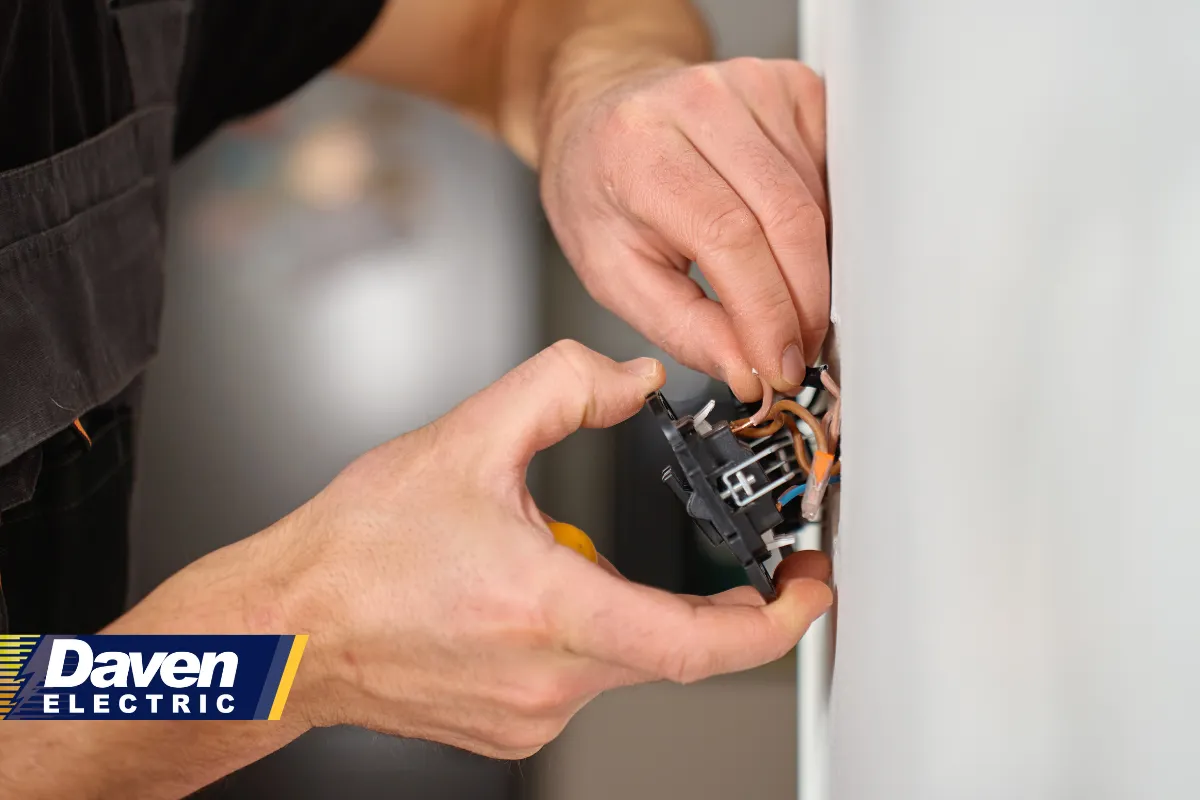
Some low-risk tasks are reasonable for careful homeowners, as long as you shut off power at the breaker and confirm with a non-contact voltage tester before touching anything.
Here is what falls within the safe range for diy electrical repairs:
- Replacing light bulbs within the fixture’s rated wattage. This is a safe DIY task that requires no tools beyond a step stool.
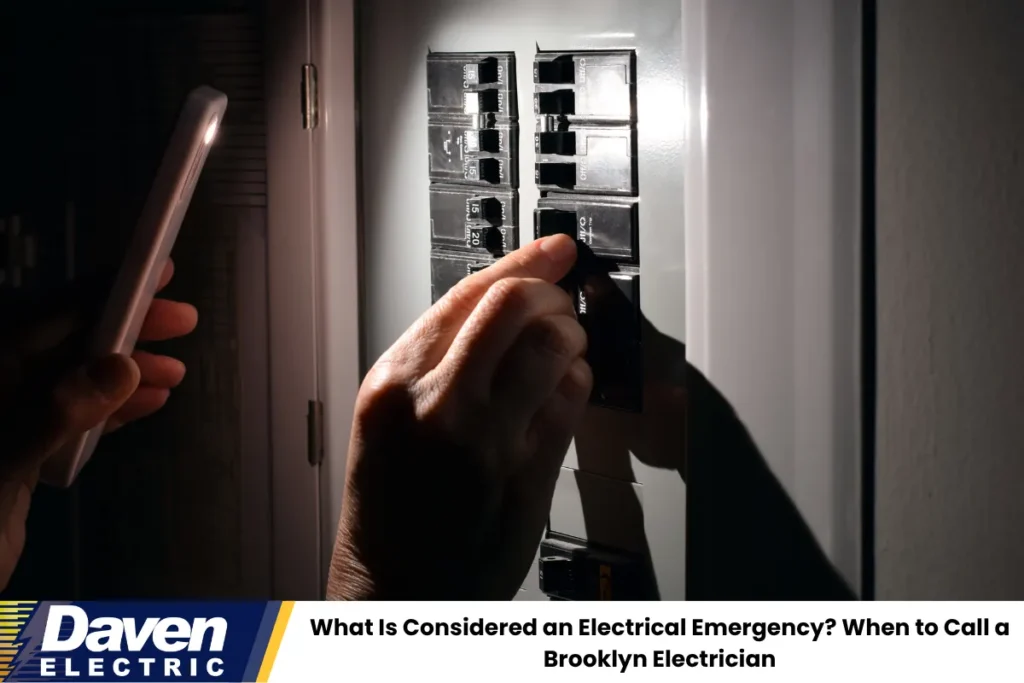
- Resetting tripped breakers once. Look for the breaker handle in the middle or fully tripped position, push it firmly to the off position, then back to on. If it trips again immediately, stop and call a qualified electrician.
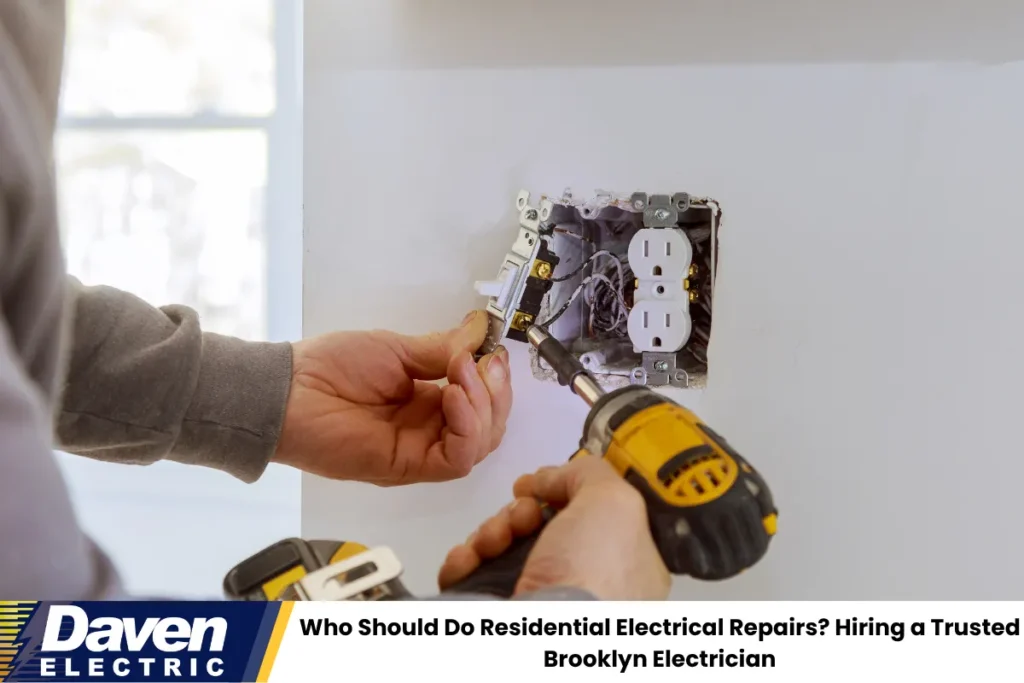
- Swapping outlet and switch faceplates. Replacing outlet covers is usually safe for homeowners because it involves no contact with conductors or the home’s electrical system layout.
- Changing batteries in smoke and CO detectors. Swapping out batteries in smoke detectors is a safe task that takes minutes and keeps your family protected.
- Installing plug-in smart devices like smart plugs, lamps, or charging stations. This is a safe DIY project because you are not altering any wiring or circuits.
None of these tasks change breaker sizing, add circuits, or require opening junction boxes or the main electrical panel. They keep you well outside the danger zone.
A few safety rules apply even for these simple tasks. Avoid working with wet hands or standing on metal ladders. If your basement is damp or unfinished, make sure GFCI protection is in place before using any outlets down there. Renters in Brooklyn should always check their lease terms and building policies before attempting any electrical projects beyond changing bulbs and resetting breakers; unauthorized modifications can violate co-op or condo board rules and create liability problems.
When DIY Electrical Repairs Turn Dangerous and Expensive
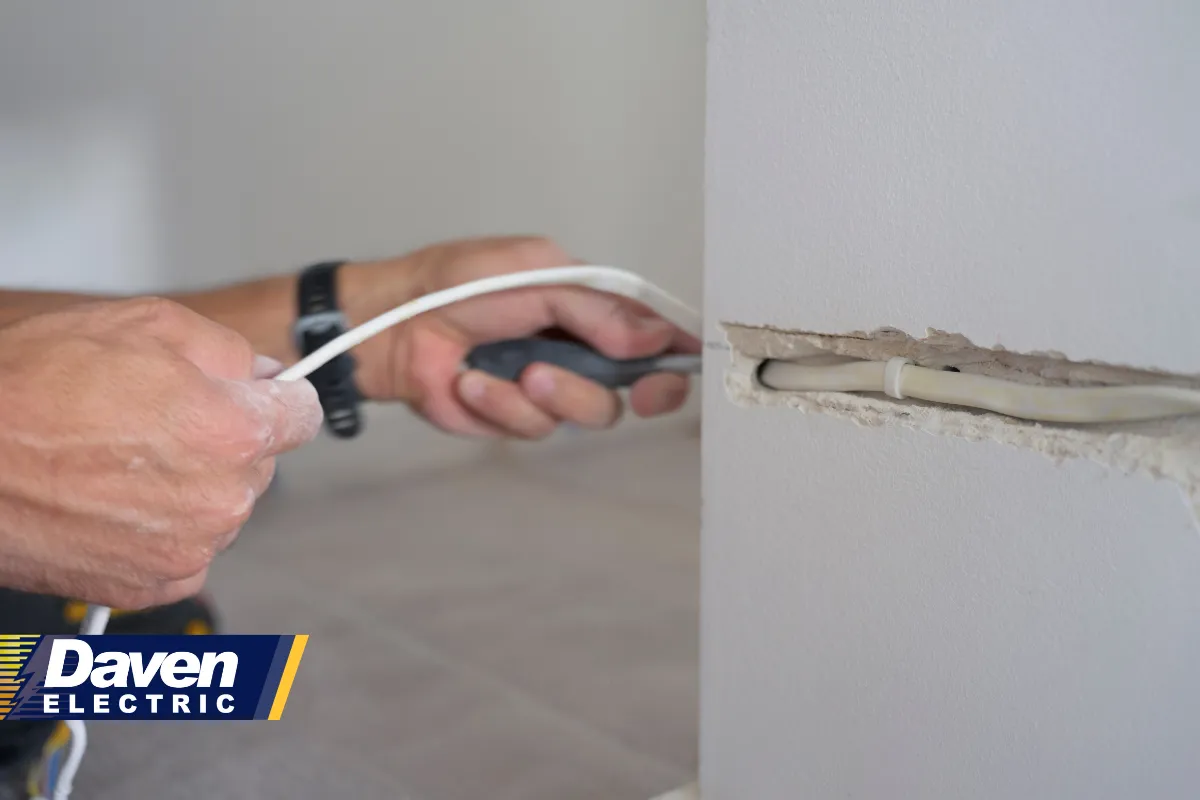
Most wiring changes, new circuits, and panel work in Brooklyn cross from a simple fix into territory that is both hazardous and illegal without a licensed electrician. The line between safe and dangerous is not about skill level or confidence; it is about the physics of electricity and the legal framework around it.
Risky Projects That Require a Professional
- Replacing outlets near sinks without installing GFCI protection
- Adding or swapping switches in metal boxes without proper grounding
- Installing new light fixtures on junction boxes that are already at capacity
- Running new wiring through walls, ceilings, or floors
- Touching the electrical panel: replacing circuit breakers involves high-voltage components, and installing new outlets requires precise wiring and load understanding
Opening the main panel exposes you to fault current that can exceed 10,000 amps in a residential service. Arc flash injuries at the panel can cause severe burns in a fraction of a second. Incorrect breaker sizing or a damaged bus bar creates a fire hazard that hides behind the panel cover for months or years.
Older Buildings Add Layers of Complexity
Brooklyn’s housing stock includes pre-war co-ops, brownstones built in the 1890s, and converted warehouses with patchwork electrical systems. These buildings may hide knob-and-tube wiring with brittle insulation, aluminum branch circuits that loosen and overheat at connections, or bootleg grounds that give the appearance of grounding without actual protection. A wrong gauge wire connected to aging aluminum conductors can overheat within the wall cavity where no one sees it. DIY repairs can mask larger underlying electrical issues, making the root cause harder to find later.
Financial Consequences of Failed DIY Work
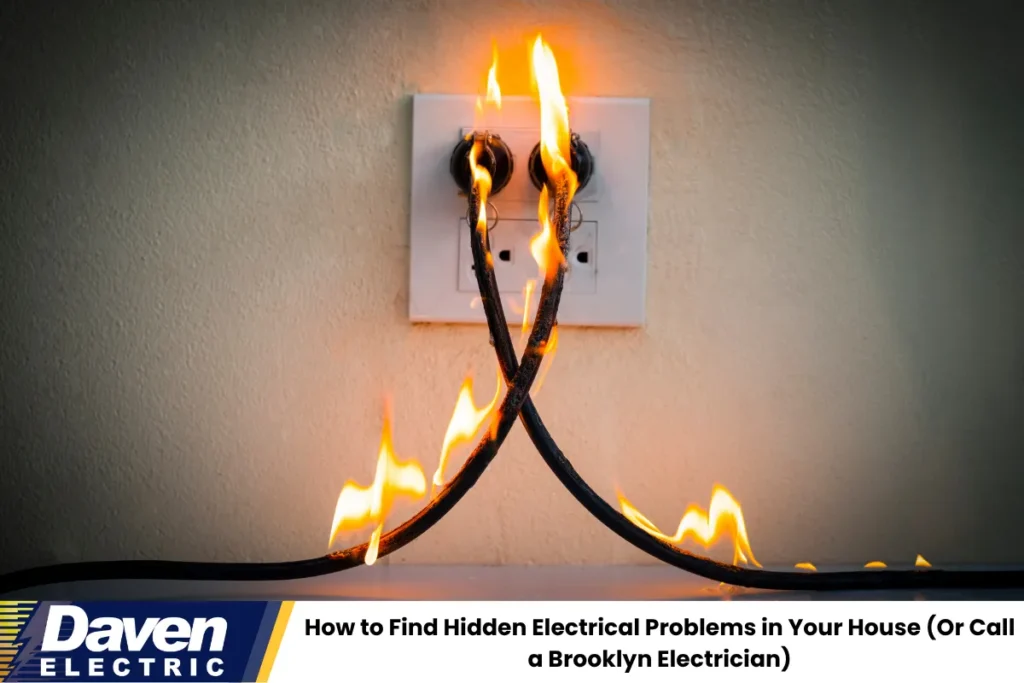
DIY electrical work can lead to severe hazards such as electric shocks and fires. Improper wiring can cause hidden fire hazards behind walls that go undetected until insulation melts or combustion starts. Incorrect installations can lead to electrical shock or fires that damage your property and endanger your family.
The financial fallout extends beyond the repair itself:
- Failed buyer inspections can reduce your sale price or kill a deal entirely. Improper wiring can lead to failed inspections during home sales.
- DIY electrical repairs can void homeowner insurance policies. Substandard DIY work that lacks permits or code compliance gives insurers grounds to deny claims after a fire or shock injury.
- Mismanaged DIY electrical repairs may lead to insurance denials for fire or damage claims, leaving you responsible for the full cost of rebuilding.
- Repairing a botched job costs more than doing it correctly the first time because a professional must tear out non-compliant work, assess hidden damage, and rebuild to code.
A 2025 New York State court case illustrated this risk clearly. A faulty junction box installed without compliant workmanship caused a fire; the insurer initially tried to deny coverage under a faulty workmanship exclusion. In another case from 2019, illegal electrical alterations made without permits led the court to affirm that the work violated both safety standards and public policy. These are not hypothetical scenarios. They happen in Brooklyn.
New York City Codes, Permits, and Why They Matter for Electrical Work
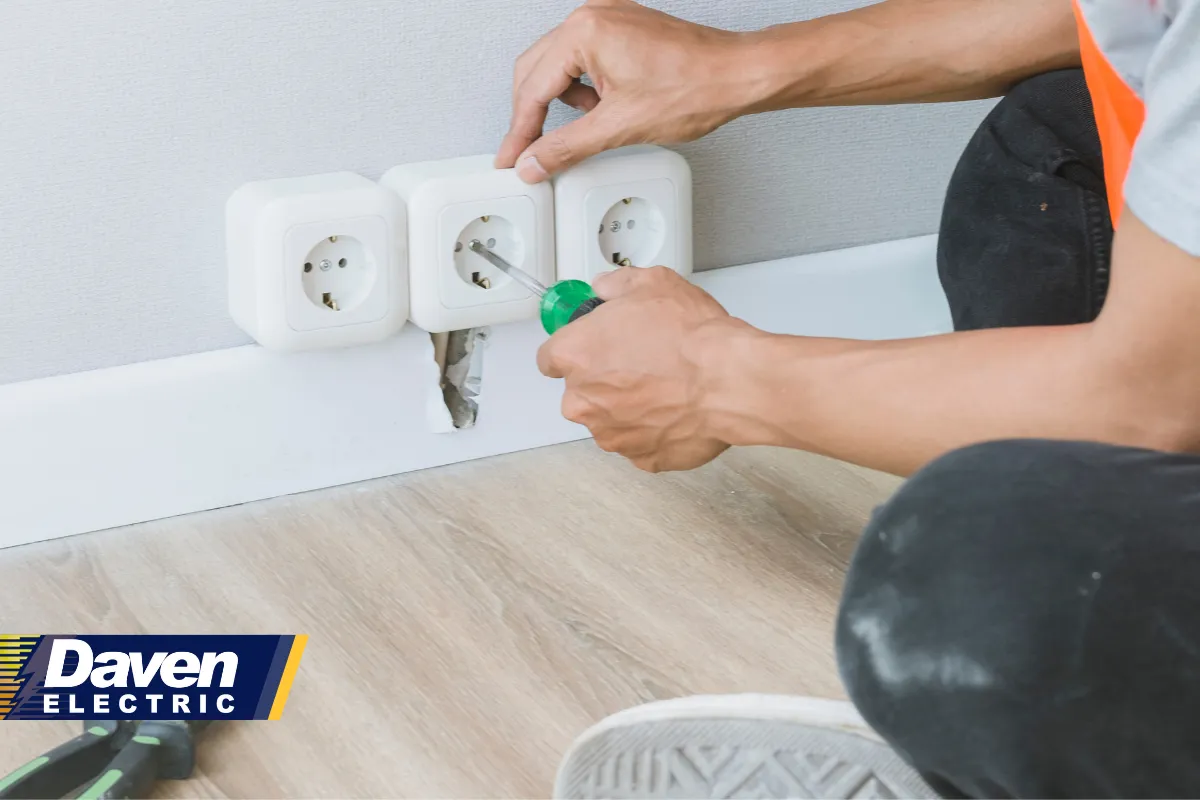
Every Brooklyn property, whether a single-family townhouse or a mixed-use commercial building, must follow the New York City Electrical Code. The current edition took effect on December 21, 2025, adopting the 2020 National Electrical Code with local amendments that are often stricter than the national baseline. Electrical codes protect homeowners from hazards by setting minimum standards for how conductors, devices, and panels are installed.
Who Can Pull Permits and Why It Matters
In New York City, most electrical work requires a licensed electrician to pull permits. Homeowners cannot self-permit their own electrical work in NYC. Only a Licensed Master Electrician or Special Electrician registered with the Department of Buildings can file the permit application (form ED16A), sign and seal the paperwork, and request inspections.
Work that typically requires permits includes:
- Electrical panel upgrades (service amperage increases, panel replacements)
- New 240-volt circuits for ovens, dryers, or HVAC equipment
- Rewiring rooms or entire units
- Adding dedicated circuits for large appliances, EV chargers, or commercial equipment
- Any alteration that changes the wiring layout or load capacity
Code Compliance in Practical Terms
Code compliance means using the correct wire gauge for each circuit (14 AWG for 15-amp, 12 AWG for 20-amp), matching breaker sizes to conductor ratings, installing GFCI protection near water sources, and providing AFCI protection on most 120-volt branch circuits in dwelling units. Box fill limits prevent overheating inside junction boxes. Licensed electricians ensure compliance with local building codes and with National Electrical Code requirements, keeping installations safe and inspectable.
DIY repairs often unintentionally violate current electrical codes because homeowners reference outdated guides, use wrong gauge wire, or skip protection devices that the 2025 code now mandates. Unpermitted electrical work in NYC can trigger civil penalties and complicate property sales. Electrical work that violates codes can result in fines, court appearances, and lost property value. When you refinance, sell, or pull permits for another renovation, unpermitted wiring becomes a liability that delays or blocks the transaction.
Clear Warning Signs You Need a Licensed Electrician Now
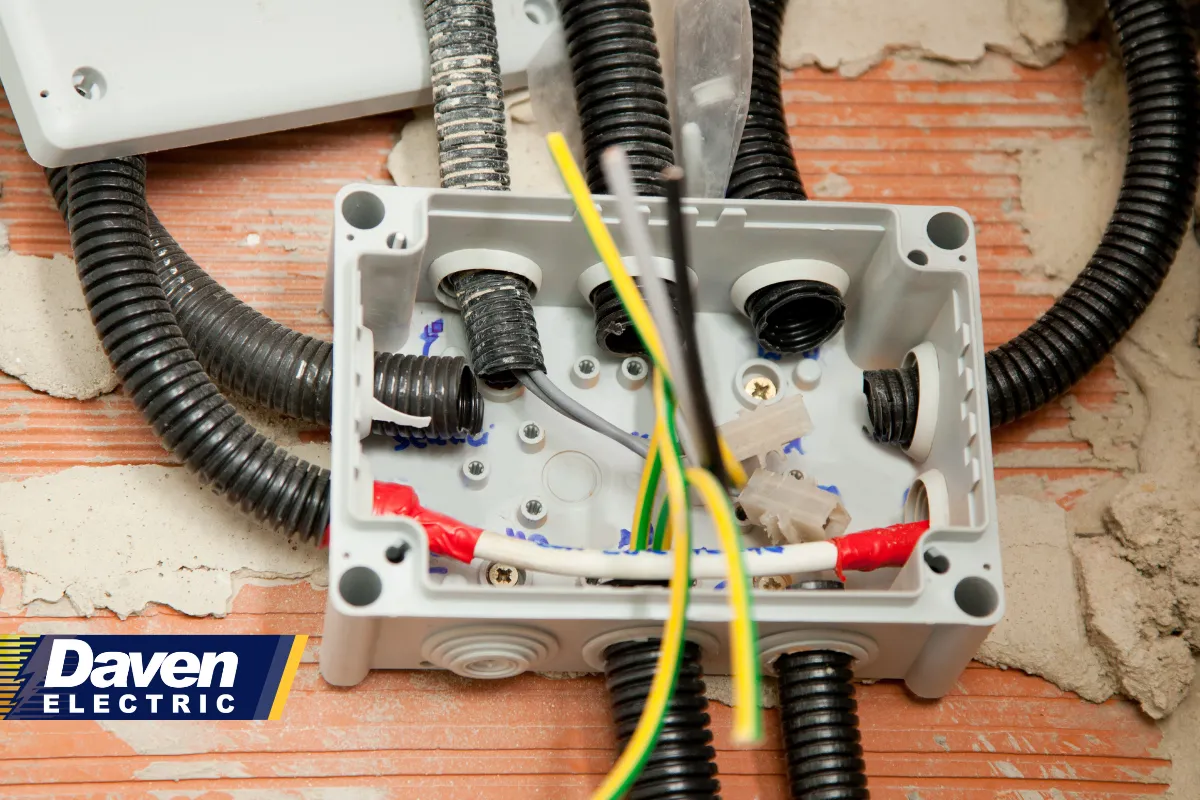
Some symptoms demand that you stop any DIY attempt and call a pro immediately. Faulty wiring is a leading cause of residential fires; as of April 2026, the FDNY reported that 9 of 29 fire deaths in New York City stemmed from electrical issues. Recognizing early warning signs can prevent your property from becoming a statistic.
Outlet and Switch Red Flags
- Burning smell or a fishy odor near outlets or switches
- Buzzing or crackling sounds when you flip a switch
- Warm or discolored faceplates around receptacles
- Loose outlets where plugs slip out or wiggle; this indicates a loose connection inside the box
Electrical Panel Warning Signs
- Rusted or moisture-damaged panel covers
- Missing breaker blanks that leave openings into live bus bars
- Double-tapped breakers (two wires under a single screw terminal)
- Fuses instead of breakers in a system that should have been upgraded decades ago
- A panel cover that feels hot to the touch, which signals overcurrent or poor internal connections
- Obsolete or recalled panels, such as Federal Pacific or Zinsco models known for failure rates
Wiring and Whole-Unit Symptoms
- Brittle insulation or fabric-covered conductors visible at junction boxes
- Visible splices outside junction boxes (a direct code violation)
- Flickering lights throughout a unit, which may indicate loose service connections or load issues that demand an emergency electrician visit rather than a DIY attempt
- Any shock, even a mild tingling from appliances or plumbing fixtures, should trigger an immediate call to a residential electrician for safety testing
Projects That Always Belong to a Brooklyn Electrician
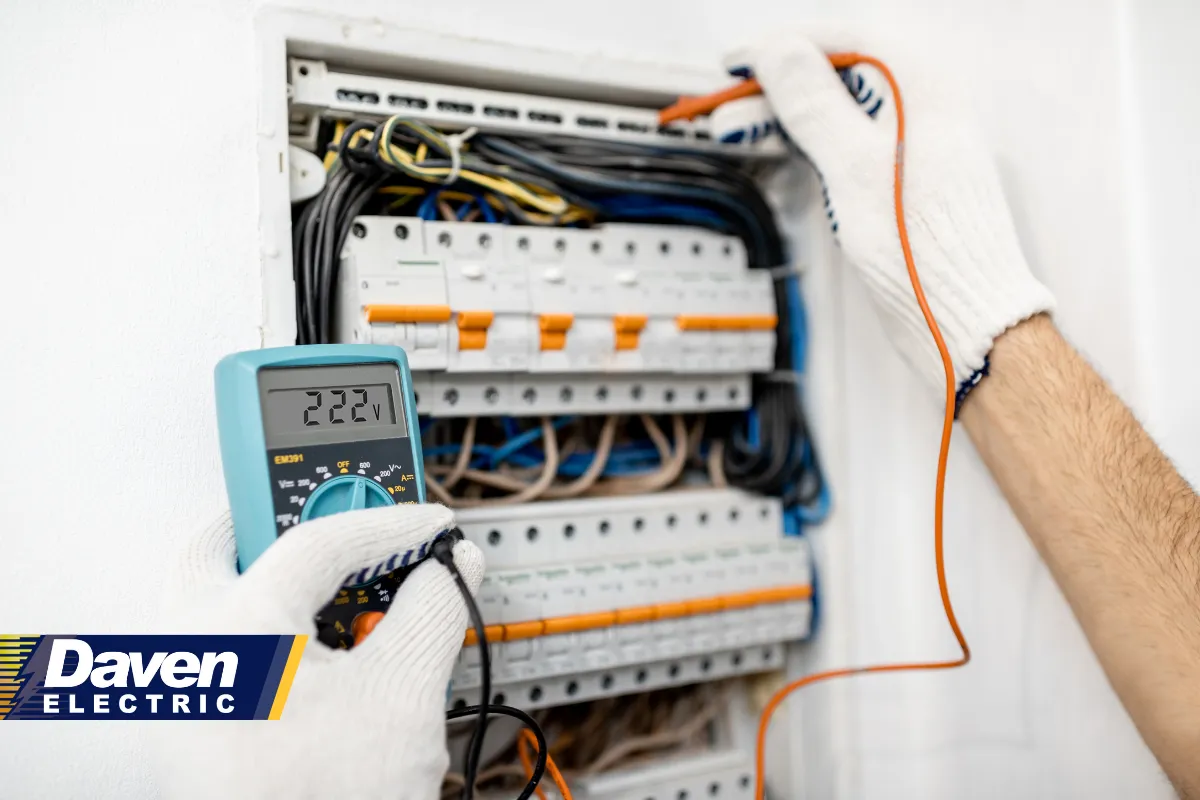
Some jobs are never appropriate for DIY because of safety, legal, and insurance concerns under New York City rules. These complex projects involve calculations, tools, and training that go beyond what any homeowner tutorial can replicate.
Panel and Service Upgrades
Electrical panel upgrades require professional installation for safety. Upgrading electrical panels involves rewiring circuits and strict regulations; a service increase from 100 amps to 200 amps typically costs $3,000 to $5,000 in Brooklyn, plus permit and utility coordination fees. Replacing an outdated panel or a recalled breaker box, rearranging circuits for load balancing, and adding subpanels in basements or additions all fall under this category.
Major Rewiring and Circuit Installations
- Whole-apartment or whole-house rewiring, especially in buildings with outdated wiring from the early 1900s
- Converting two-prong ungrounded outlets to code-compliant three-prong with proper grounding
- Installing EV chargers, high-capacity HVAC feeds, or dedicated circuits for commercial kitchen equipment
- Outdoor lighting installations require waterproofing and underground wiring that must meet burial depth and conduit standards
Older Brooklyn properties often feature outdated wiring that requires professional expertise to replace safely without damaging plaster walls or disturbing adjacent units.
Commercial and Safety Systems
For commercial and mixed-use spaces, a licensed electrical contractor handles new circuits for offices or retail, emergency lighting and exit sign circuits, and equipment upgrades that require load calculations and fault current analysis. Surge protection at the main panel, hardwired smoke and CO detector circuits, and generator or transfer switch installations all require professional electricians who can calculate voltage drop, coordinate breaker ratings, and verify that the system meets current code.
How Professional Electrical Services Protect Your Brooklyn Property
Proper electrical work is an investment that protects both people and property. In a borough where buildings share walls and fire spreads fast, the quality of every connection, splice, and breaker matters.
Safety and Reliability
A licensed electrician ensures that GFCI outlets are installed within six feet of every sink, that AFCI breakers protect bedroom and living area circuits, and that every ground and bond is secure. This reduces fire hazards, eliminates shock risk at appliances and fixtures, and keeps your home safe for daily use. Fewer nuisance tripped breakers, stable voltage for sensitive electronics, and circuits sized for future appliances are all outcomes of professional service.
Finding Problems You Cannot See
Professional inspections uncover issues hidden behind walls and ceilings: loose neutrals, overloaded circuits on multi-wire branch circuits, undersized conductors carrying more current than their rating allows, and non-compliant splices buried in ceiling cavities. These are problems that a homeowner dealing with a simple fix at one outlet would never detect, but they affect the long term reliability of the entire system.
Financial and Legal Protection
Licensed electricians carry liability insurance, protecting homeowners from additional costs if something goes wrong during the job. Hiring professional electricians can prevent mistakes that would require expensive corrections later, saving money over the long run by avoiding blown fuses, melted insulation, and damaged appliances. All permitted work is documented with inspection reports, labels, and filed permits. That paper trail supports property value during sales, satisfies co-op boards and property managers, and gives insurers no reason to question your coverage. The cost savings of doing it right once, compared to paying for rework, remediation, and potential fire damage, make professional service the cost effective choice for maintaining any Brooklyn property.
Brooklyn Electrician – Daven Electric Corp.
We are Daven Electric Corp., your reliable electrician in Brooklyn, New York. Our team handles everything from troubleshooting tripped breakers and flickering lights to full panel upgrades and commercial installations. We are fully licensed and experienced with the New York City Electrical Code, Department of Buildings permitting, and utility coordination for service changes. Every job we complete meets code, passes inspection, and is backed by our commitment to neat workmanship and clear communication. We want you to understand your home’s electrical system and every solution we recommend. Whether you own a brownstone, manage a rental property, or run a storefront, call us at (212) 390-1106 or fill out our contact form to schedule an inspection, get an estimate, or request an emergency visit. Daven Electric Corp. is here so you never have to risk a dangerous DIY electrical repair again.
Frequently Asked Questions
Are homeowners in Brooklyn legally allowed to pull their own electrical permits?
No. Under New York City’s Administrative Code, only a Licensed Master Electrician or Licensed Special Electrician can apply for electrical permits through the Department of Buildings. Homeowners cannot self-permit their own electrical work in NYC, regardless of how small the project seems. This rule applies to new circuits, panel changes, rewiring, and any alteration to the existing wiring layout. Some very minor tasks, like replacing a faceplate or resetting a breaker, do not require permits at all, but anything beyond that threshold must go through a licensed professional who files the ED16A application, schedules inspections, and takes responsibility for code compliance.
How often should a home’s electrical system in a Brooklyn brownstone or apartment be inspected?
There is no city mandate requiring periodic inspections for occupied residential units with no active renovation permits. That said, safety experts and insurance carriers recommend a professional inspection every ten years, after any renovation that opens walls or ceilings, when purchasing a property, and whenever you add appliances that draw more than 1,500 watts (space heaters, window AC units, EV chargers). Buildings older than 40 years are especially worth inspecting because components like breakers, conductors, and connections degrade over time. If your panel still uses fuses or your outlets are all two-prong, schedule an evaluation sooner rather than later.
What are the typical signs that an older electrical panel is too small for modern loads?
The clearest indicator is frequent breaker trips when running multiple appliances at the same time. Other signs include a panel rated at 60 or 100 amps when your household runs central air conditioning, electric cooking, and multiple high-draw devices. If the panel cover feels warm, if you see scorch marks inside, or if there are no spare breaker spaces left, the panel is likely overloaded. Panels older than 25 to 40 years may also have outdated breaker designs that no longer meet current fault-interruption standards. The New York State Energy Research and Development Authority recommends at least 100-amp service for basic needs and 200 amps for homes with electric heating, heat pumps, or EV charging.
What information should a homeowner gather before calling an electrical contractor?
Before picking up the phone, collect a few details that help your electrician diagnose the issue faster. Note the amperage rating printed on your main breaker or panel label. Take a photo of the panel with the cover off (only if you can do so without touching anything inside). Write down which breakers trip and under what conditions; for example, “kitchen breaker trips when microwave and toaster run together.” List any visible wiring types you can identify, such as cloth-covered wires or two-prong outlets. Note the age of the building and dates of any past renovations. If you have prior inspection reports or Department of Buildings notices, have those ready. This information helps the electrician prepare the right tools, components, and permits before arriving.
Is whole-home surge protection worthwhile in a dense urban area like Brooklyn?
Yes. Power surges in Brooklyn come from multiple sources: utility grid switching, transformer faults, lightning strikes on overhead lines, and load changes from nearby commercial or industrial tenants sharing the same transformer. A surge protective device installed at the main panel by a licensed electrician costs a few hundred dollars and protects every circuit in the building from voltage spikes that can destroy electronics, HVAC control boards, and refrigerator compressors. Individual plug-in surge strips help, but they only protect what is plugged into them and have limited joule ratings. Panel-level protection catches surges before they reach branch circuits, providing a layer of safety that plug-in strips cannot match. For buildings with older wiring or sensitive commercial equipment, the investment pays for itself after a single major surge event.
Disclaimer
This article provides general educational information about electrical safety and New York City regulations. It is not a substitute for individualized legal or electrical advice. Consult a licensed Brooklyn electrician and relevant city authorities before starting any electrical work.