Why Breaker Lifespan Matters in Brooklyn Apartments and Brownstones
As a working Brooklyn electrician will tell you, most circuit breakers are engineered to last for decades, but the real-world conditions inside local apartments and brownstones often tell a different story. Prewar row houses, 1950s co-ops, and mixed-use buildings throughout the borough still rely on electrical systems that were never designed for modern loads. Think window AC units in every room, home office setups drawing constant power, EV chargers, and induction cooktops all pulling electricity through wiring that may be half a century old.
Here is the problem: aged or overstressed breakers can silently fail to protect your wiring. When that happens, fire hazards increase and nuisance outages hit at the worst possible time, during a summer heat wave or right in the middle of winter space-heater season. Imagine constantly tripping breakers, spoiled food in the fridge, tenants calling at midnight, or an insurance company flagging your panel during a sale or renovation. These are not hypotheticals. They happen across Brooklyn buildings every week.
The solution starts with understanding how long breakers actually last, learning what warning signs matter, and knowing when to schedule a visit from a professional electrician so issues are addressed safely and in full compliance with the NYC Electrical Code.
Key Takeaways
- Circuit breakers typically last 30 to 40 years, but heavy use, moisture, and poor electrical installations can shorten that life significantly in Brooklyn homes and commercial buildings.
- Warning signs that a breaker needs replacement include frequent nuisance tripping, a breaker that will not reset, visible burning or melting, buzzing from the breaker panel, and a breaker that feels hot to the touch.
- Some brands and panels, such as older Federal Pacific Electric or Zinsco gear commonly found in pre-1980s NYC buildings, should be proactively replaced even if they appear to work.
- In New York City, most breaker and panel work must be done by a licensed electrician under permit, so treat this article as guidance for when to call a professional, not a DIY how-to.
Typical Circuit Breaker Lifespan: What the Numbers Really Mean
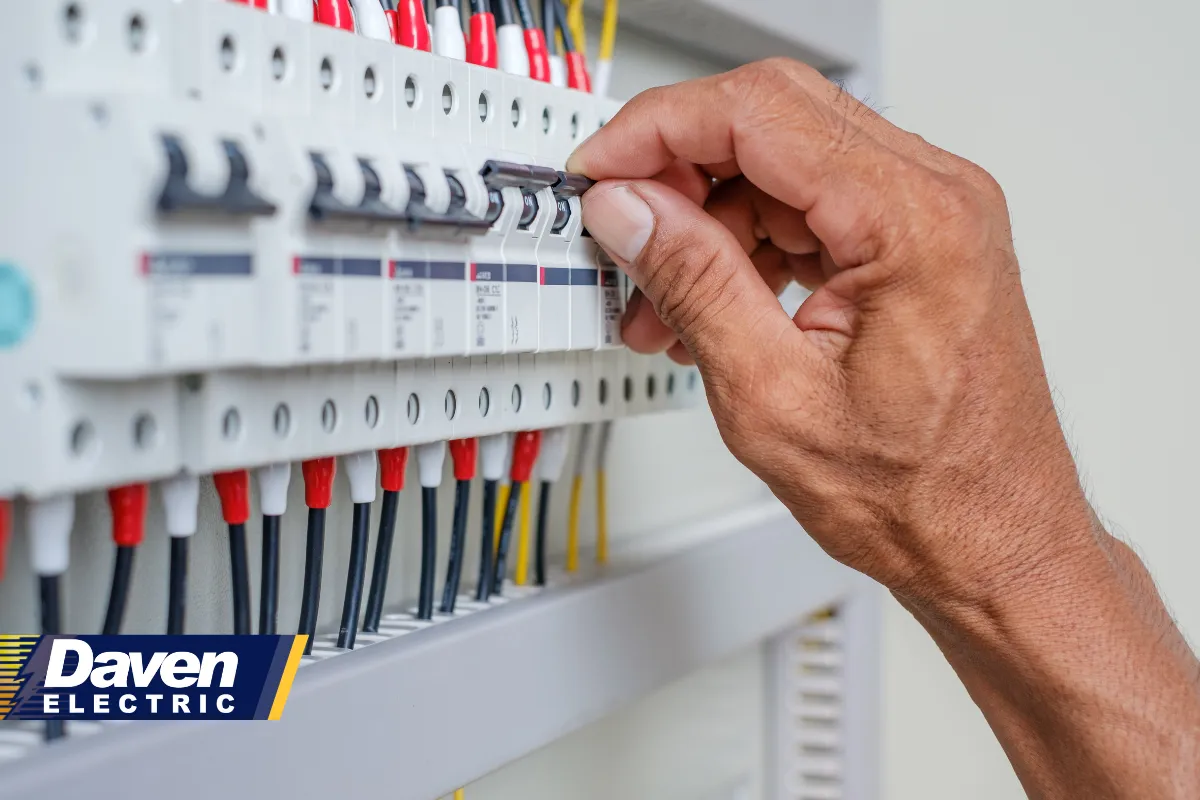
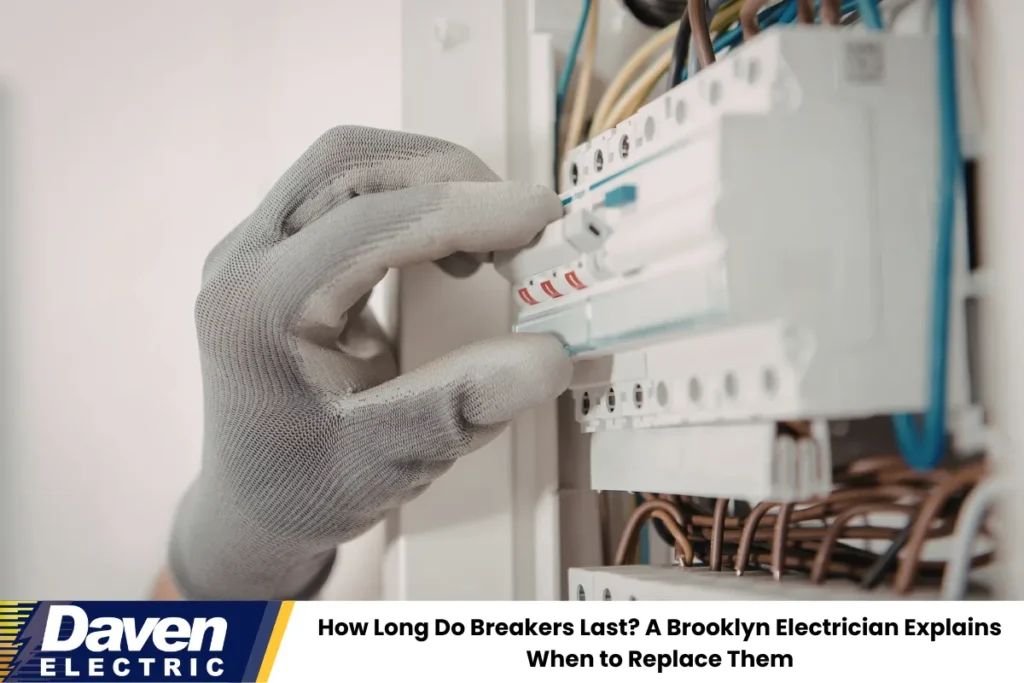
Circuit breakers are mechanical safety devices. They have a rated life measured both in years and in the number of on/off operations (mechanical cycles) and fault interruptions they can handle. Understanding these ratings is essential for anyone responsible for maintaining a home or commercial property.
Standard residential breakers from major manufacturers such as Square D, Siemens, Eaton, and GE are commonly expected to function for about 30 to 40 years under normal conditions. That estimate assumes the breakers are not being used as light switches, are not exposed to corrosion, and are not running near their maximum amp rating continuously. Circuit breakers can even last over 50 years without replacement in ideal environments with minimal stress.
Industrial or commercial breakers in larger electrical systems may have documented life ratings in operations, for example 10,000 mechanical cycles or two to three major fault interruptions. These can degrade faster if they regularly clear short circuits or serve high-cycling equipment.
A few crucial points to keep in mind:
- Breakers do not expire on a strict calendar date. Age is only one factor, and real replacement decisions depend on condition, test results, and whether the panel or breaker line is known to be unsafe.
- Breakers older than 30 years may need replacement, even if they appear functional.
- Breakers may wear out from thermal cycling, not just age. Repeated tripping, heavy loads from space heaters and portable ACs, and high ambient temperatures inside tight Brooklyn breaker panel closets slowly wear down contacts and internal springs.
- The National Electrical Code does not require routine scheduled breaker replacement at a fixed age but does require equipment to be in safe working order. NYC adopts and amends the NEC through local code, so unsafe or obsolete equipment can be cited during inspections.
Circuit breakers in homes older than 30 to 40 years should be inspected by a licensed electrician to determine whether they still function within safe parameters.
Key Warning Signs Your Circuit Breaker Is Near the End of Its Life
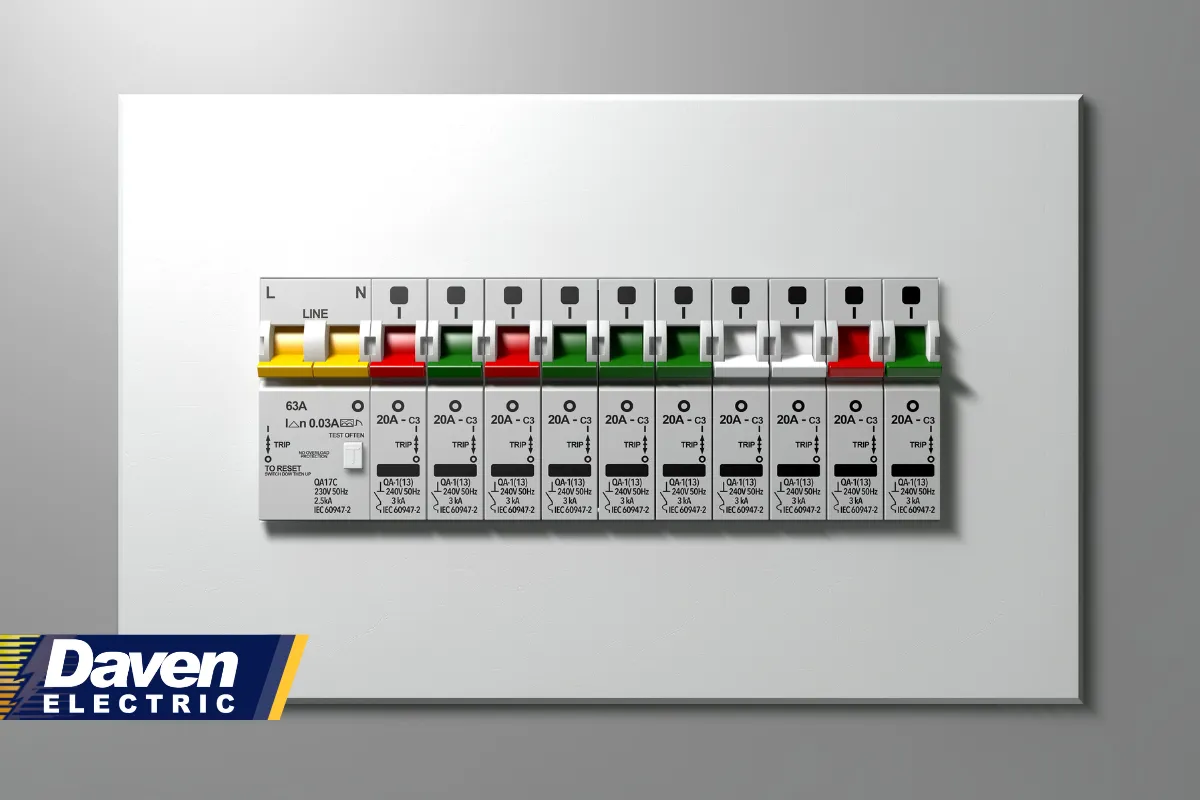
Most homeowners notice symptoms long before a breaker actually fails to trip. Ignoring those signs risks overheating and fire, especially in older Brooklyn buildings with plaster walls and hidden junction boxes. If you notice any of the following, it is time to address the issue:
- A breaker that frequently trips under normal use of appliances that used to run fine on that circuit. Frequent tripping signals a potential fault in the breaker, not just a temporary overload.
- A handle that feels loose, wobbly, or gets stuck and will not stay in the ON position after you reset it. If a breaker fails to reset, it may need replacement.
- Persistent burning or plastic “fishy” odors near the electrical panel, even without visible smoke. Burning smells near the electrical panel indicate overheating or damage that demands immediate attention.
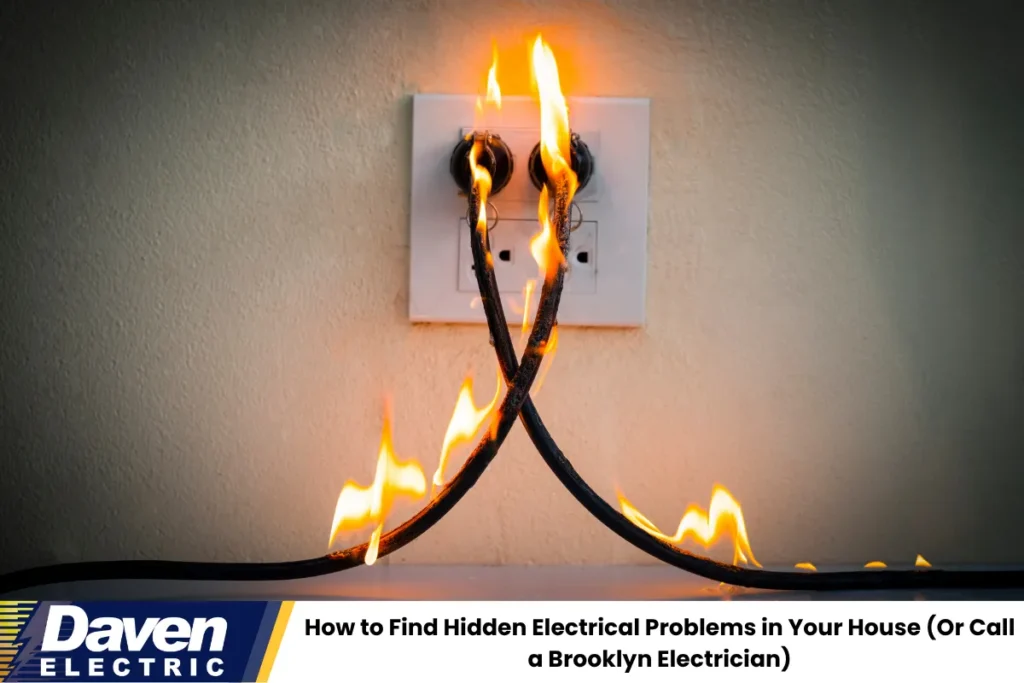
- Visible signs of damage such as dark discoloration, melted plastic, or scorch marks around the breaker or bus bar. Visible scorch marks around a breaker are a clear sign of failure.
- Audible buzzing, sizzling, or crackling sounds from a particular breaker or from the panel door during load.
- A breaker that feels hot to the touch suggests it is overloaded and needs evaluation right away.
- Flickering lights or dimming when appliances cycle on and off.
Repeated tripping indicates a potential breaker issue, but sometimes the root cause is not the breaker itself. Overloaded circuits, loose terminations, or aluminum branch wiring could be at fault. A residential electrician will test the load, check connections, and inspect for wire damage before simply swapping a breaker.
In multifamily Brooklyn buildings, symptoms may first appear as lights dimming when neighbors use large appliances, which can point to panel, feeder, or service issues requiring a deeper look at the entire system.
Any sign of overheating, burning smell, or visible charring is an immediate shut-off-the-power-and-call-a-professional situation. Do not watch and wait.
Read Electrical Panel Upgrade Cost: What a Brooklyn Electrician Tells Homeowners
Breaker Types, Brands, and Panels That Deserve Extra Caution
Not all circuit breakers and panels are equal. Some older designs installed throughout New York buildings are now strongly discouraged by safety experts because of poor trip performance or inherent design flaws. If your property is located in Brooklyn and was built before 1985, pay close attention to the following:
- Federal Pacific Electric (FPE) Stab-Lok panels and breakers were installed in countless homes from the 1950s through the 1980s. Independent testing showed these breakers can fail to trip at dangerous currents. Federal Pacific breakers are known for safety issues and should be replaced. Many insurers and inspectors recommend full panel replacement for these units.
- Zinsco and original Zinsco-Sylvania breakers and bus bars are known for corrosion and loose contact issues that cause overheating behind the deadfront cover. In one documented sample of 111 Zinsco breakers, roughly 29 percent showed failure in UL trip tests or damage severe enough to warrant replacement. Federal Pacific and Zinsco breakers should be replaced immediately when identified.
- Very old pushmatic or fuse-to-breaker retrofit panels that lack modern labeling and current-limiting performance also pose risks and potential fires.
Some brands have historical reliability issues and should be replaced regardless of how they appear from the outside. If your breaker panel is more than 40 to 50 years old or uses any of the above brands, a professional electrician should evaluate the entire panel, not just a single bad breaker. In most cases, full panel replacement is the safer path rather than piecemeal repair.
Using off-brand or non-listed “universal replacement” breakers in a panel designed for one specific manufacturer is not acceptable under code and can jeopardize UL listing and insurance coverage. Always use breakers listed and labeled for your specific panel.
In commercial spaces along Brooklyn’s busy avenues, older three-phase panels with mismatched or modified breakers pose additional safety and liability risks. A commercial electrician should verify that all breakers and panelboards are listed and properly rated for the load, and that documentation for the install is current.
How Brooklyn Conditions Shorten Breaker Life Compared to the Textbook
Manufacturer ratings assume typical indoor conditions, but Brooklyn’s unique environment often puts higher stress on breakers and panels than any lab scenario accounts for.
Environmental factors:
- Damp basements in row houses near the waterfront, with humidity and occasional minor flooding, cause corrosion on contacts and panel bus bars. Environmental factors like humidity can accelerate corrosion of circuit breakers far beyond what manufacturers predict.
- Unconditioned boiler rooms and storage closets where breaker panels bake in high ambient temperatures for much of the year.
- Vibration from subway lines or heavy street traffic in mixed-use buildings, subtly loosening connections over time at every point of contact.
Usage factors:
- Seasonal overloading from space heaters, window AC units, and portable electric radiators plugged into older 15-amp circuits. Frequent usage of high-demand appliances can strain older circuits well past their design limits.
- Home offices running multiple monitors, computers, and networking gear on circuits originally wired for a bedroom light and a radio.
- New high-demand appliances such as induction ranges, dryers, and EV chargers being added to legacy panels without a proper load calculation by an electrical contractor.
Breakers can wear out sooner depending on usage and environmental conditions. Each of these factors accelerates wear: more trips, more heat cycles, more corrosion, and more mechanical fatigue. A breaker that might last 40 years in a climate-controlled suburban garage may realistically need replacement in 20 to 25 years inside a Brooklyn brownstone basement. Electrical panels may need replacing if they simply cannot handle the electricity demands of modern household electronics and appliances.
Buyers of older Brooklyn properties should request an electrical inspection focused on panel age, breaker type, and load conditions before closing, so they can address likely breaker replacement or panel upgrade costs early.
Safe Replacement Timing: When to Repair, Replace, or Upgrade the Panel
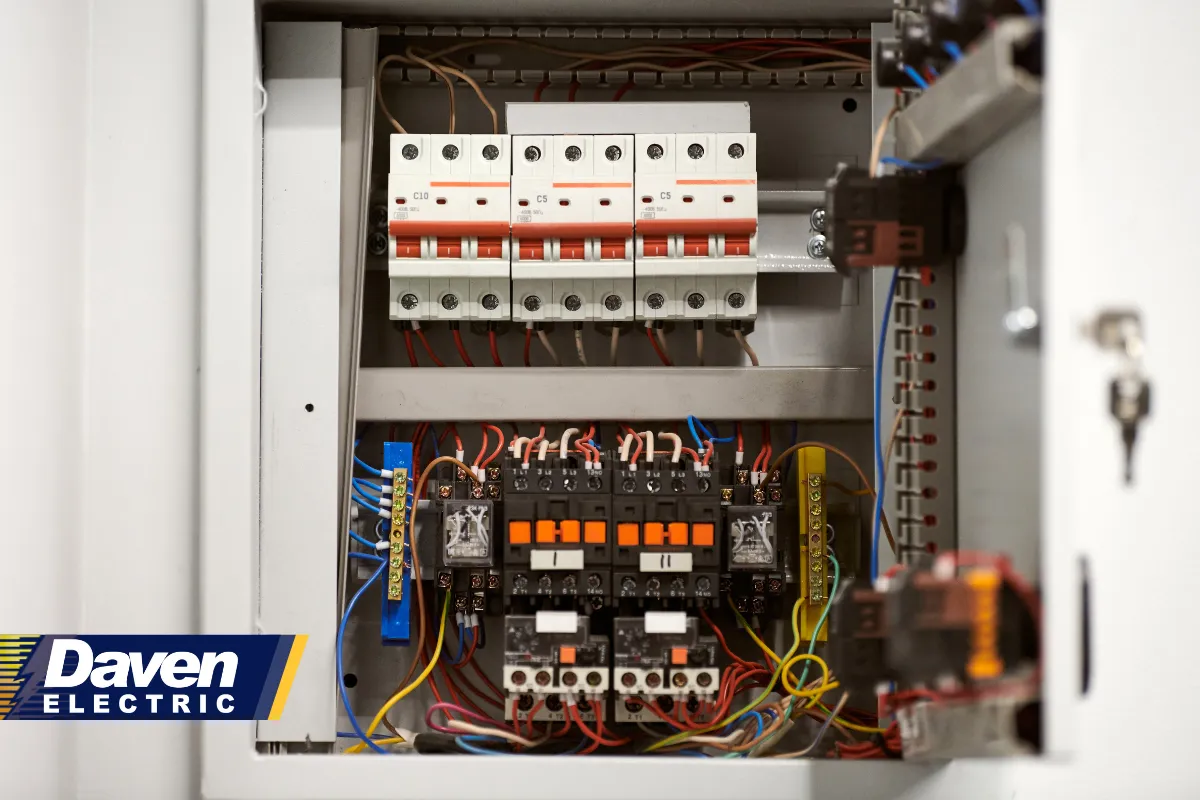
Replacing a single breaker is not always the right answer. Sometimes the safest and most cost-effective option involves upgrading an aging breaker panel entirely or redistributing loads across circuits. Here is how to think about the decision.
When replacing just the breaker is usually reasonable:
- A modern, reputable panel less than about 25 years old with one clearly defective breaker.
- No evidence of bus bar damage, heat, or corrosion, and conductor insulation looks intact.
- Load calculations confirm the circuit is properly sized for the connected devices and every outlet on the run.
When a Brooklyn homeowner or building manager should consider a panel upgrade instead:
- The panel is full of tandem breakers squeezed in to add extra circuits, with no remaining capacity.
- The panel rating is 60A or 100A serving a modern apartment with electric cooking, laundry, or multiple AC units.
- The panel uses obsolete or recalled brands discussed earlier, or repeated issues appear across multiple breakers.
How a licensed electrician will decide:
- Perform a visual inspection, thermal scanning where applicable, and torque checks on lugs.
- Confirm the panel and main breaker rating versus current and future loads.
- Check that grounding and bonding meet the current NYC Electrical Code.
- Review the organization of the panel labeling and branch circuit layout.
It is recommended to have electrical panels inspected every 3 years after they are 20 to 25 years old. Replacing a circuit breaker typically takes 30 minutes to an hour of onsite work once power is safely de-energized. Professional replacement typically costs between $150 and $400 for a single breaker replacement, depending on breaker type and accessibility. A full panel upgrade takes several hours, is often scheduled with Con Edison coordination, and may require permits and inspections. Treat this as a priority if your panel shows any of the warning signs above, and hire a professional service to handle the job correctly.
Read What Does a Brooklyn Electrician Charge for an Electrical Inspection?
Code, Permits, and Why NYC Breaker Work Is Not a DIY Project
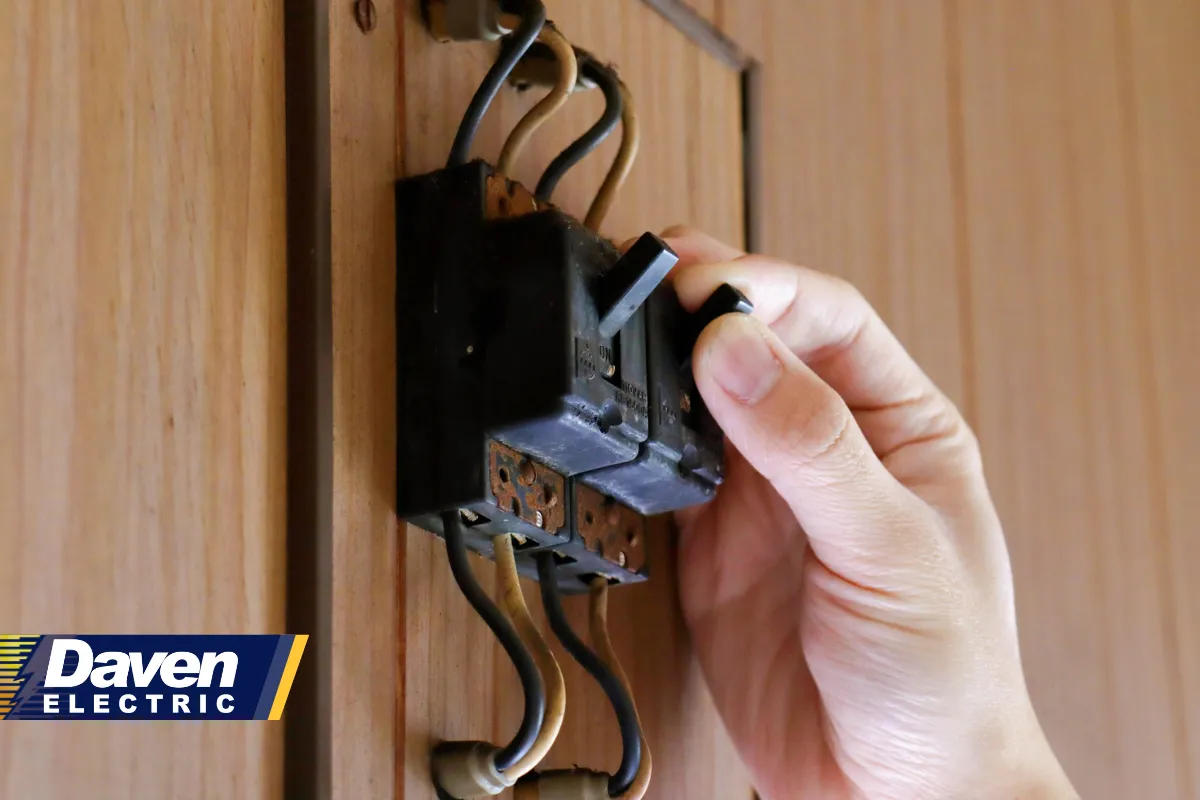
Unlike some areas of the country, New York City has strict licensing and permitting requirements for work inside a breaker panel. These rules exist to protect residents in dense multifamily buildings where a single mistake can affect dozens of families.
The NYC Electrical Code, based on the NEC with local amendments, requires that installing or replacing circuit breakers and panels be handled by a licensed Master or Special Electrician operating under the appropriate permits. Electrical work in Brooklyn requires a licensed contractor, and local laws in Brooklyn require permits for nearly all electrical work inside a panel.
Key legal and practical points every person should understand:
- Unauthorized DIY breaker replacement can lead to code violations. Improper electrical work can lead to code violations in Brooklyn that create serious problems during Department of Buildings inspections.
- Unpermitted work causes trouble when selling a property, refinancing, or after an electrical fire when insurers investigate the cause. DIY breaker replacement can void your homeowner’s insurance. DIY electrical repairs may void homeowner’s insurance in Brooklyn, leaving you financially exposed.
- Improper installation can lead to electrical fires. A single mistake in DIY can cause severe electrical shock or worse.
- Opening the panel cover, disconnecting conductors, or swapping breakers is considered electrical work. Only a qualified electrician should perform electrical work of this nature. While homeowners may legally reset a tripped breaker and plug in equipment, anything beyond that crosses into licensed professional territory.
A professional electrician does more than just install the new breaker. They verify torque on terminations, tighten neutral and ground bars, check labeling, and perform functional tests to ensure the breaker trips as designed. Licensed electricians ensure compliance with local electrical codes and carry the knowledge, tools, and insurance to protect you and your property. Their work includes proper documentation that you will need for any future construction, sale, or inspection.
Treat online how-to guides as educational only. For any work inside an energized or recently energized breaker panel, schedule an inspection with a licensed electrical contractor rather than attempting a fix yourself. Whether you are in Brooklyn or across the bridge in Manhattan, the rules apply equally, and emergencies are far more dangerous when caused by unpermitted work.
Brooklyn Electrician – Daven Electric Corp.
At Daven Electric Corp., we are a trusted brooklyn electrician team located in Brooklyn, New York, serving residential and commercial clients across the borough and surrounding areas of NY. We handle everything from troubleshooting a single troublesome breaker to designing and installing complete breaker panel upgrades for apartments, brownstones, and storefronts, always in compliance with the NYC Electrical Code.
Our licensed team can evaluate breaker lifespan, identify unsafe or obsolete panels, and recommend the safest, most cost-effective path forward, whether that means targeted breaker replacement, load balancing, or a full electrical panel upgrade. We bring the right tools and knowledge to every job.
Call us at (212) 390-1106 or fill out our contact form on the Daven Electric Corp. website to schedule an inspection or electrical services visit before minor breaker issues turn into outages or dangerous situations. We prioritize clear communication, clean job sites, and minimal downtime for our clients, including homeowners, co-op boards, and business owners who cannot afford extended power interruptions.
Frequently Asked Questions
Can I Extend the Life of My Circuit Breakers, or Do They Just Wear Out on a Fixed Schedule?
While age is a factor, good habits can meaningfully extend breaker life. Avoid using breakers as on/off switches for lights or equipment. Reduce overloading by spreading high-draw appliances across different circuits rather than clustering them on one outlet or branch. Keep the area around your breaker panel clear, dry, and well-ventilated so heat does not build up. In commercial settings, preventive maintenance such as infrared thermal scans and periodic torque checks on lugs can catch developing problems early and effectively extend functional life well beyond the typical 30-year mark. These steps will not make a breaker last forever, but they remove the accelerating stressors that cause premature failure.
How Often Should I Have My Breaker Panel Inspected in a Brooklyn Apartment Building?
For most owner-occupied apartments, an inspection every 5 to 10 years is a solid baseline, or before any major renovation or construction project. For multi-unit or commercial spaces with higher loads and more daily cycling, inspections every 3 to 5 years are safer. These inspections can often be tied to broader Local Law safety checks or planned building upgrades that the organization managing the property already has on the schedule. A licensed electrician can identify loose connections, heat buildup, and early signs of corrosion before they become an essential safety concern, saving both money and headaches in the long run.
Is It Normal for a Brand-New Breaker to Trip More Than the Old One Did?
Yes, this can happen and is not necessarily a cause for alarm. A properly sized new breaker might trip sooner because it is functioning correctly, with fresh internal springs and properly calibrated thermal and magnetic elements. The old breaker it replaced may have become less sensitive over years of wear, essentially failing to provide adequate protection. However, persistent tripping on a new breaker still warrants investigation. It often means the circuit is carrying more load than its amp rating allows, or there is a wiring issue further downstream. A load review and possible circuit reconfiguration by a professional will address the root cause.
What Is the Difference Between a Standard Breaker and an AFCI or GFCI Breaker, and Does That Affect Lifespan?
AFCI (arc fault circuit interrupter) and GFCI (ground fault circuit interrupter) breakers add electronic sensors to detect arc faults or ground faults respectively, providing a higher level of protection than standard thermal-magnetic breakers. Current NYC code requires AFCI protection in bedrooms and living areas, and GFCI protection in wet locations like bathrooms and kitchens. Because they contain additional electronics, AFCI and GFCI breakers can occasionally fail earlier than simpler breakers, but this trade-off is well worth the increased safety they deliver. Testing them monthly using the built-in test button helps ensure they remain functional throughout their life.
Will Upgrading My Breaker Panel Increase the Value of My Brooklyn Property?
While appraisals may not list panels line by line, buyers, inspectors, and lenders often view a modern, properly sized electrical system as a strong advantage. A new panel reduces the chance of failed inspections, insurance complications, or costly post-purchase upgrades that can derail a deal. In Brooklyn’s competitive real estate market, having up-to-date electrical installations with clear documentation signals to any prospective buyer that the property has been well maintained. It also removes a common negotiation point that could otherwise lead to price reductions or delayed closings.
Disclaimer: The information provided in this article is general guidance about breaker lifespan and safety, not individualized electrical or legal advice. In Brooklyn and all of New York City, consult a licensed electrician and follow NYC Electrical Code and Department of Buildings requirements before performing any electrical work.
Read How Much Does it Cost to Fix Violations with a Commercial Electrician in Manhattan?