In every commercial building, the electrical system is like the heartbeat—it powers everything from lights and computers to security systems and HVAC units. But what happens when things go wrong?
Whether it’s flickering lights or frequent breaker trips, electrical issues in commercial properties can seriously disrupt daily operations. If left unaddressed, they can even create safety hazards for employees and customers.
If you’re a building owner, property manager, or business leader in Manhattan, NY, understanding the causes of electrical failures is essential. This guide breaks it all down in a simple, informative way—so you can keep your building safe and your operations running smoothly.
The Most Common Causes of Electrical Failures in Commercial Buildings
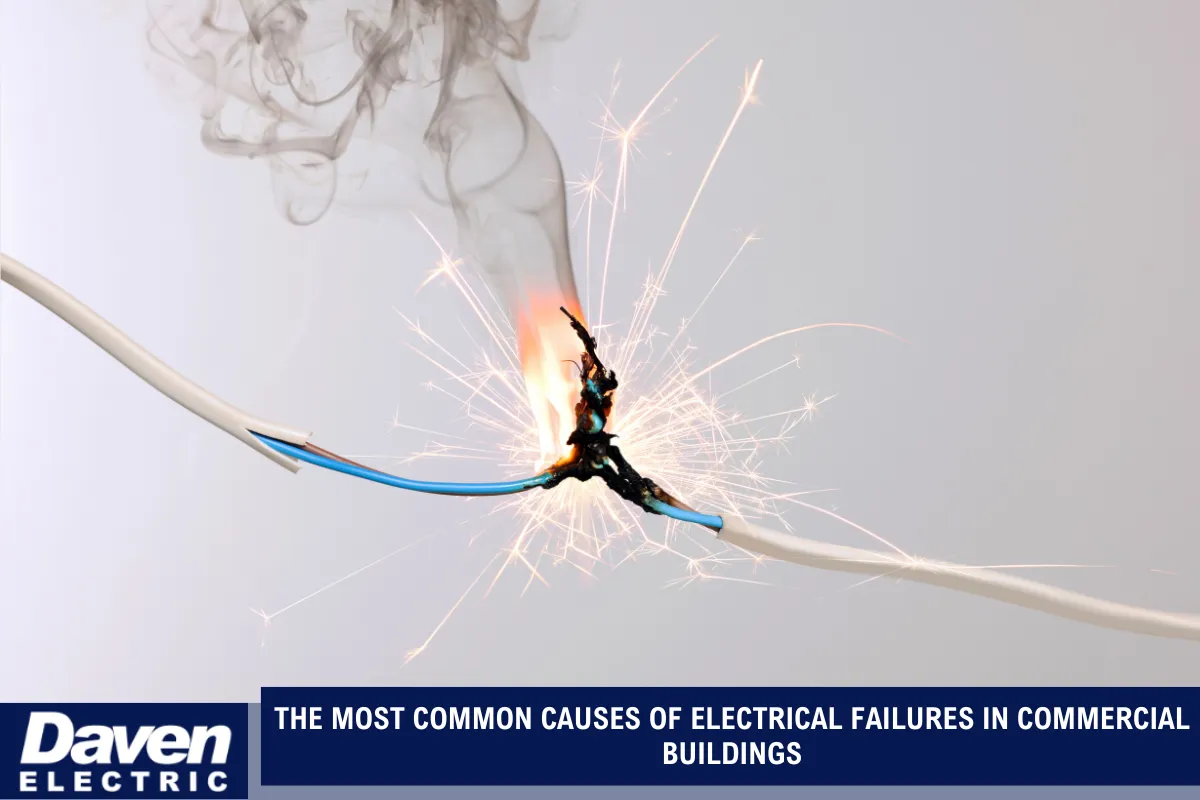
Let’s start with the biggest culprits behind most commercial electrical issues. These are the ones that come up again and again for commercial electricians and licensed professionals.
1. Faulty or Aging Wiring
One of the most common issues is faulty wiring. Many commercial buildings—especially older ones—still use outdated wiring that can’t handle modern equipment and energy loads.
Signs of wiring issues:
- Burnt smells near outlets
- Discolored or warm wall plates
- Flickering or dimming lights
- Breaker trips when plugging in multiple appliances
Poor electrical wiring can lead to:
- Voltage fluctuations
- Power surges
- Electrical fires
This is not just a minor issue—it’s a serious safety concern. Always hire a qualified electrician to inspect and update any questionable wiring.
2. Overloaded Circuits
An overloaded circuit happens when you plug too many devices into a system that can’t handle the demand. When this happens, your circuit breakers will trip to prevent overheating.
Look out for:
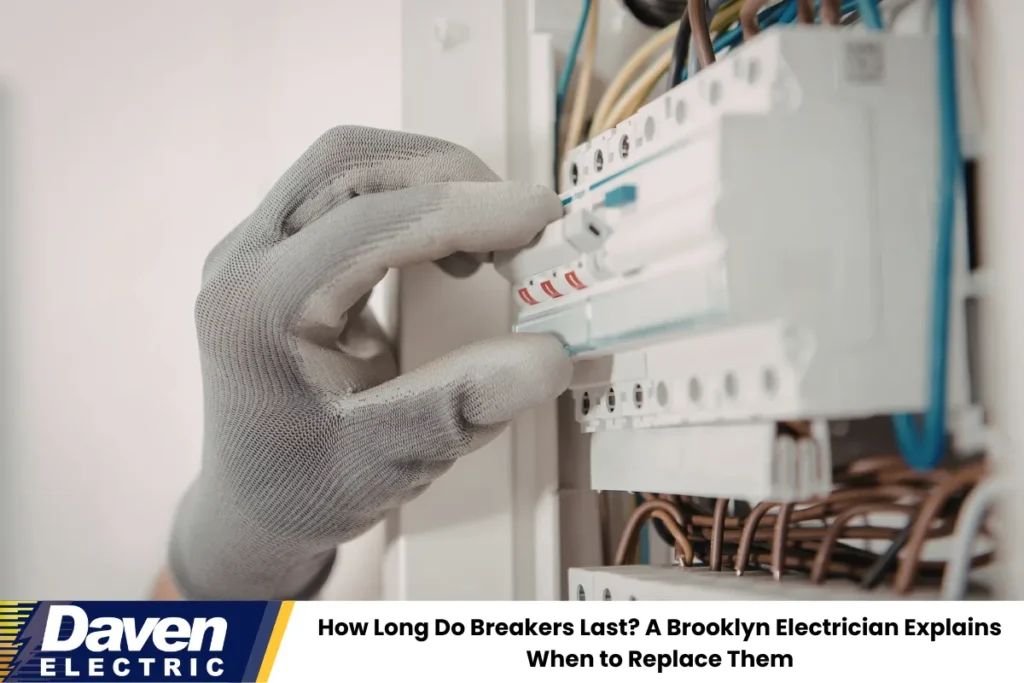
- Frequent circuit breaker trips
- Buzzing sounds from the breaker box
- Equipment randomly shutting off
- Lights that flicker when large devices are turned on
Trip breakers protect you—but overloaded circuit breakers are a red flag that your system needs attention.
A commercial electrical contractor can balance your electrical load properly and even install a more powerful panel if needed.
3. Poor Electrical Panel Design or Maintenance
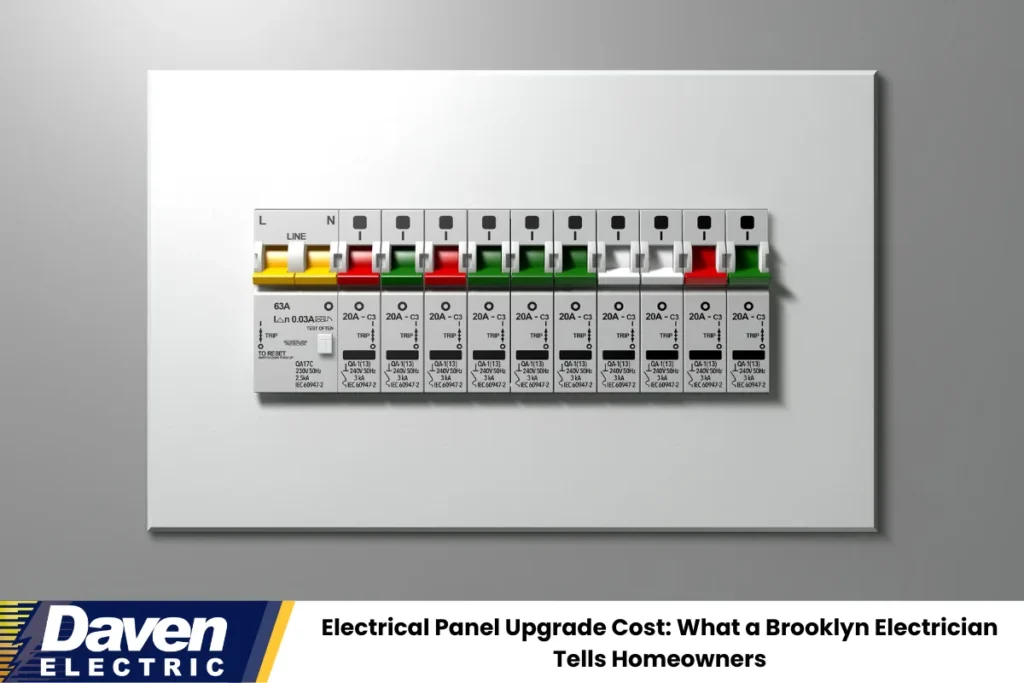
Your breaker box or electrical panel is the control center of your building’s electrical system. But if it’s outdated, poorly labeled, or hard to access, it can become a hidden danger.
Frequent issues with panels include:
- Undersized for current energy demands=
- Poor breaker box placement
- Missing labels or outdated charts
- Overheating or rust
Keeping your breaker panel well-maintained is crucial to avoid safety hazards and maintain smooth business operations.
4. Power Surges and Voltage Spikes
Not all electrical failures are caused by things inside the building. Power surges can come from the grid, faulty appliances, or even lightning strikes.
Electrical surges can:
- Destroy computers, printers, and industrial machines
- Cause inconsistent voltage levels
- Lead to increased energy costs due to damaged devices
To protect your equipment, install:
- Surge protectors at key outlets
- Surge protection devices at the panel
If you notice frequent surges, call a commercial electrician to help with voltage fluctuations and assess your system’s safety.
5. Grounding Issues
Think of grounding as a safety net. It gives excess energy a safe path to the ground. Without it, your building is at risk for:
- Shock hazards
- Equipment failure
- Power quality issues
Grounding issues are often overlooked but are a major issue—especially in older buildings or during renovations. Get a professional electrician to test and correct your grounding systems to meet current safety standards.
6. Tripping Circuit Breakers
We’ve all seen the lights go out when a breaker trips—but frequent breaker trips are not normal. They could signal:
- Overloaded circuits
- Loose connections
- Faulty appliances
- Outdated panels
Don’t just keep resetting breakers. Repeated tripping of circuit breakers means there’s a potential safety hazard lurking in your electrical system.
7. Flickering or Dimming Lights
Lighting issues are often the first signs of trouble. If your building flickers often or lights dim randomly, it could be due to:
- Loose connections
- Voltage dips
- Faulty ballasts or transformers
It might seem like a minor issue, but it can quickly lead to electrical fires or damage to connected equipment.
8. Dead Outlets and Inconsistent Power
Ever plug something in and… nothing happens?
Dead outlets are more than annoying—they often signal a deeper wiring or breaker problem.
Causes may include:
- Burned-out connections
- Tripped GFCI circuits
- Faulty breaker
Call an experienced electrician to investigate if certain areas of your building seem to have inconsistent voltage levels or power drops.
Hidden or Less Obvious Causes of Electrical Failures
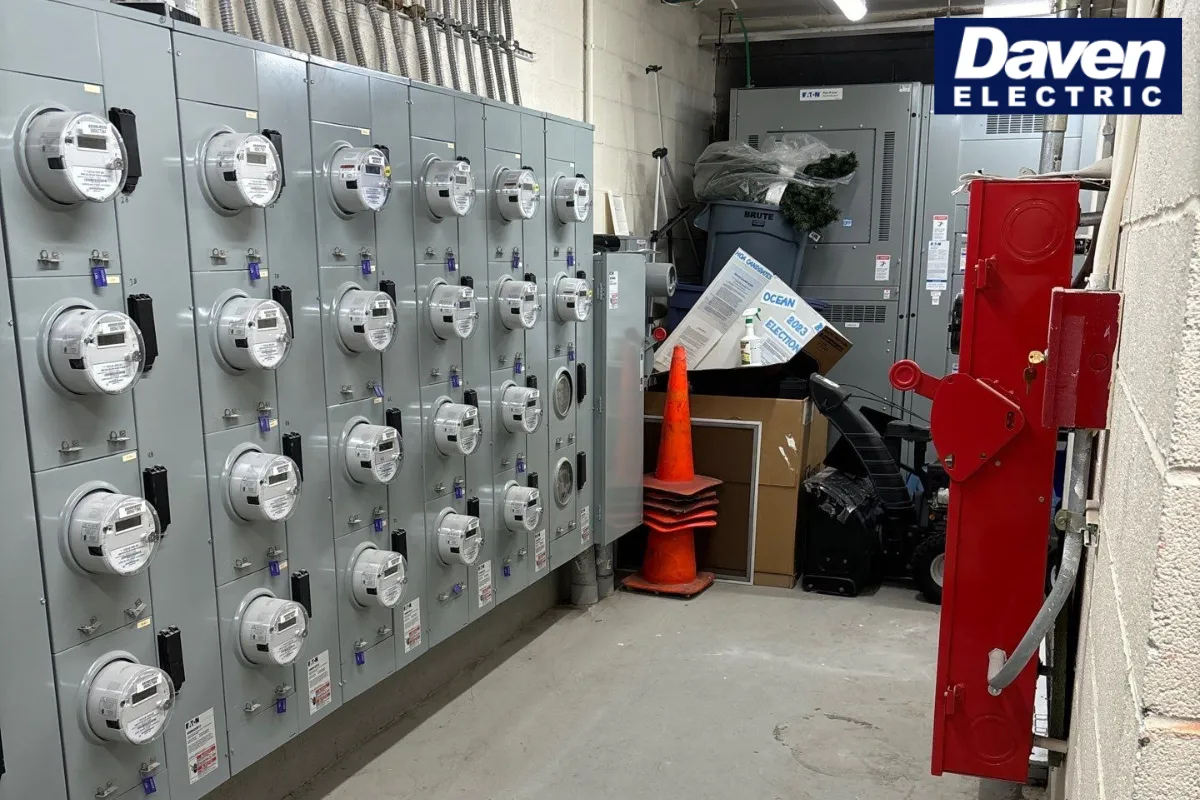
Not every electrical issue is obvious. Some problems stay hidden—until they become dangerous or expensive. Here are some sneaky causes of electrical failures in commercial buildings that many people overlook:
1. Poor Installation by Unqualified Electricians
Using an unlicensed or inexperienced installer may save money upfront—but it can cost you big later. Improper connections, non-compliant wiring, and careless work can lead to:
- Dangerous breaker malfunctions
- Hidden grounding issues
- Ongoing power quality issues
Make sure all work is done by a licensed electrician or Master Electrician who follows building codes and current safety standards.
2. Environmental Factors
The physical space around your electrical systems also plays a huge role in system performance and safety.
Environmental threats include:
- Moisture or humidity near breaker boxes and outlets
- Rodents chewing through electrical wiring
- Dust or chemicals affecting panel performance
- Overheating due to poor ventilation
These may not seem electrical at first, but they create real potential issues with wiring, breaker performance, and even spark electrical fires.
3. Neglected Maintenance
When was the last time your breaker box was inspected?
Many commercial buildings delay or skip preventive checks. But ignoring minor issues can turn them into major issues that shut down your entire building.
Building maintenance tasks should include:
- Testing all outlets
- Checking load balance
- Inspecting for loose connections
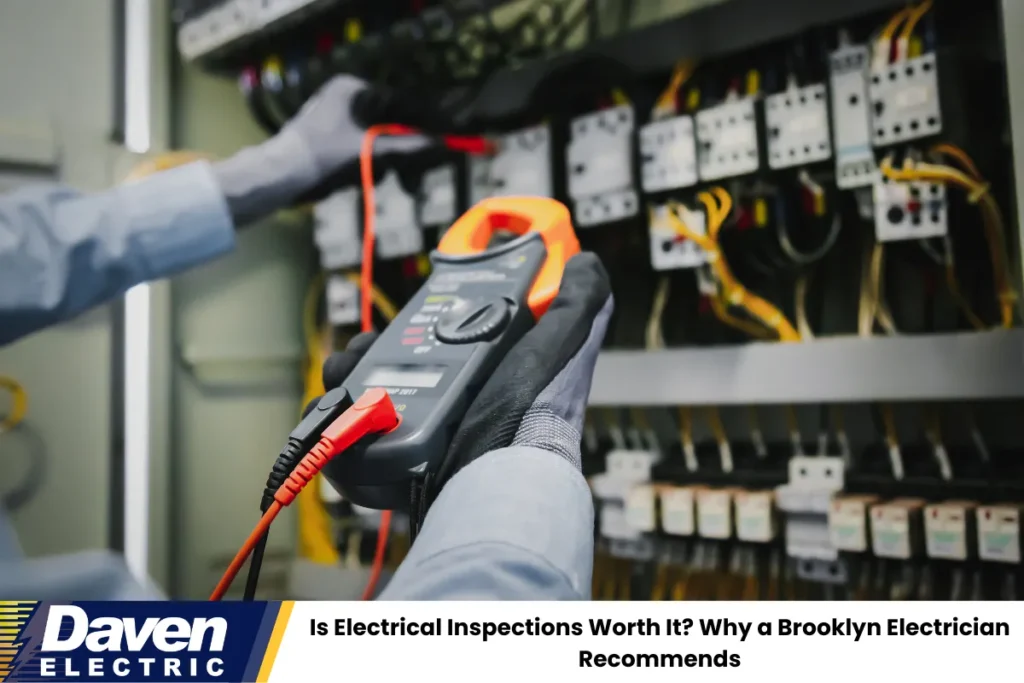
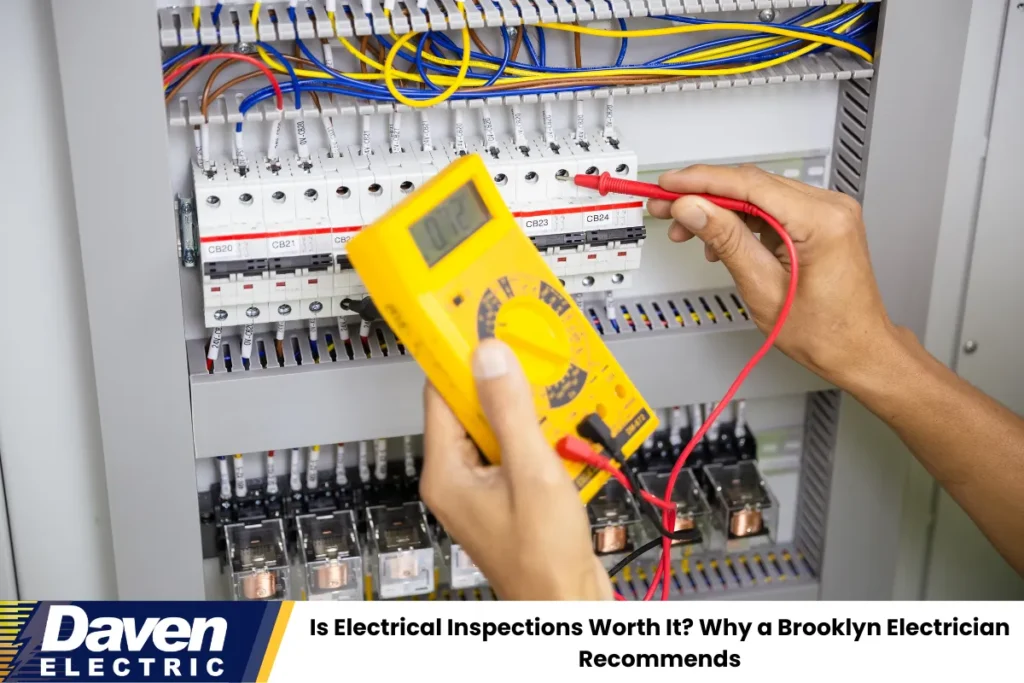
- Scheduling regular electrical safety inspections
Neglect here can cause disruption of business operations and increase energy bills due to inefficient systems.
The Role of Commercial Electricians
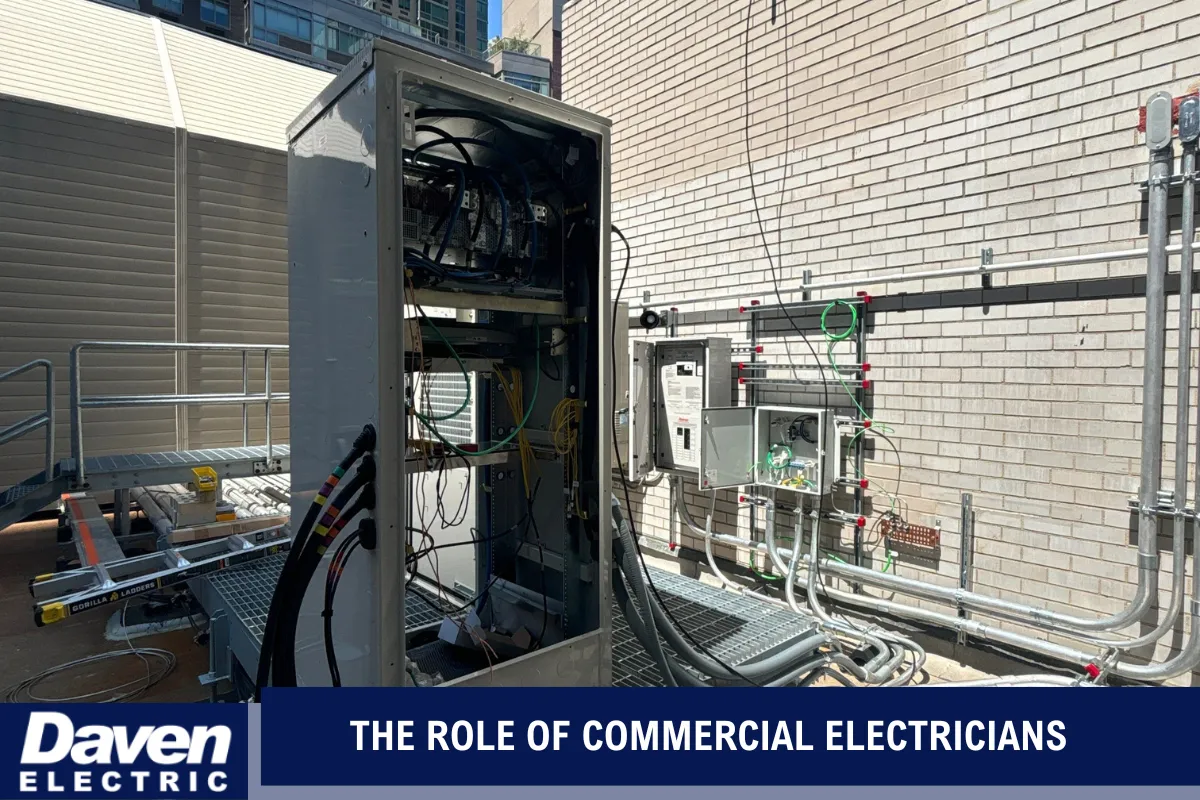
If you’re managing a commercial building, your best resource is a skilled commercial electrician.
These professionals are trained to:
- Diagnose complex electrical issues
- Perform safe, code-compliant installations
- Upgrade old systems and improve energy efficiency
- Ensure electrical safety across all areas
A commercial electrical contractor is especially useful for large facilities where system demands are high. They handle everything from frequent breaker trips to full panel upgrades.
Bonus: They can also guide you on reducing energy usage, improving safe operation, and meeting building standards in Manhattan, New York.
Risk Mitigation Strategies for Commercial Buildings
You don’t have to wait until something goes wrong. Here’s how to stay ahead of electrical failures:
1. Schedule Preventive Maintenance
Regular checkups catch potential safety hazards before they escalate.
2. Upgrade Outdated Systems
If your breaker box is decades old or your wiring is original to the building, it’s time to modernize.
3. Install Surge Protection Devices
Protect sensitive equipment from damaging electrical surges with both outlet and panel-based surge protectors.
4. Monitor Your Load
Avoid overloaded circuit breakers by spreading the load evenly and using dedicated circuits for high-demand appliances.
5. Train Staff to Spot Issues
Your team should know the signs of trouble:
- Flickering lights
- Warm outlets
- Buzzing panels
- Breaker trips
Quick reporting can prevent bigger problems.
Follow Safety Standards and Building Codes
Your commercial building must meet strict electrical safety guidelines. These include:
- The National Electrical Code (NEC)
- Local building codes
- Fire protection standards
Regular inspections by a commercial electrician ensure compliance, lower liability, and enhance the safety of employees and clients.
If your building experiences frequent electrical issues, that’s a clear sign it’s not meeting the current safety standards.
Keep Your Business Powered and Protected

In Manhattan, NY, keeping your commercial building safe, efficient, and up to code isn’t just about avoiding problems—it’s about protecting people and powering your future.
The electrical system is one of the most important parts of your building. Whether it’s faulty wiring, overloaded circuits, or grounding issues, don’t ignore the signs.
Let a commercial electrician or qualified electrical contractor handle inspections, upgrades, and repairs. You’ll reduce downtime, save on energy costs, and most importantly—ensure a safe operation for everyone inside your building.
Manhattan Commercial Electrician – Daven Electric Corp.
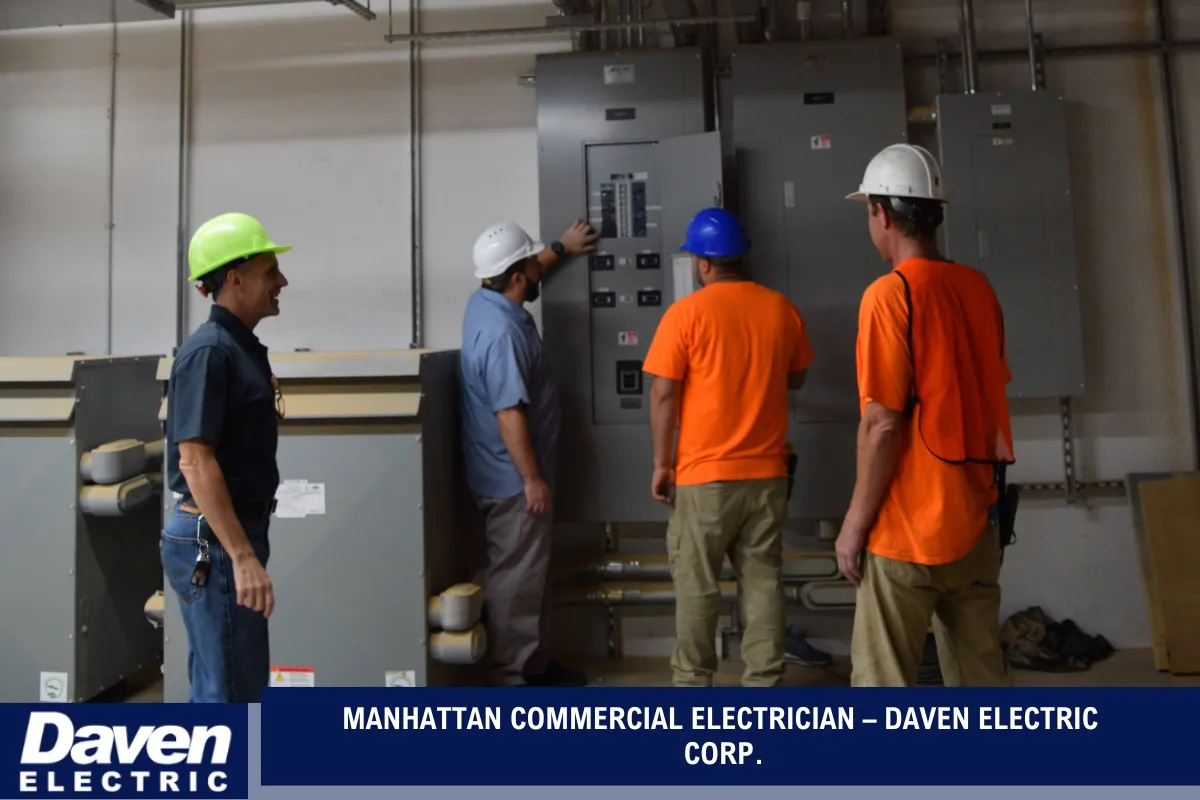
If your commercial building is experiencing electrical issues, flickering lights, frequent breaker trips, or outdated wiring, trust the experts at Daven Electric Corp. We’re your go-to commercial electrician in Manhattan, proudly serving from our base in Brooklyn, NY. Our team of licensed electricians specializes in diagnosing and resolving everything from overloaded circuits and grounding issues to surge protection and full electrical system upgrades.
We understand the urgency of keeping your business operations running smoothly and safely. Whether you own a high-rise office, retail space, or industrial site, we deliver code-compliant, energy-efficient solutions that keep your building safe and up to current safety standards.
Don’t wait until small problems become major issues. Call Daven Electric Corp. today at (212) 390-1106 or fill out our contact form to schedule your electrical safety inspection with a trusted commercial electrical contractor. Let us power your success.
Frequently Asked Questions
How do I know if my building’s electrical system is outdated?
Outdated electrical infrastructure is a potential hazard that may lead to power failure, electrical shocks, or even electrical fire hazard if not addressed through routine inspections and electrical repair.
Look for these common signs:
- Frequent tripping of breakers or frequent outages
- Black residue around light fixtures, outlets, or electrical appliances
- Voltage drops when operating electrical devices or electronic equipment
- Use of too many power strips on a single outlet
- Inadequate wiring that doesn’t meet today’s electrical demands
Older electrical installations in a commercial space or busy office space often show wear or aged infrastructure. Warning signs may seem minor—like flickering LED lights—but can hide an underlying issue requiring professional assistance. Routine maintenance by a licensed electrical company provides preventive measures against costly repairs and legal complications.
What’s the difference between residential and commercial electrical failures?
Commercial space and residential buildings differ in usage, electrical demands, and the scale of electrical installations. These differences result in distinct electrical fault types.
Key distinctions include:
- Power quality issues: Commercial buildings often suffer from inconsistent power supply due to extra load from automation systems and Hard-Wired Appliances.
- Improper installation: In industrial construction projects, electrical devices are more complex, increasing the chance of faulty connections.
- Power outages: More frequent in office space with poor breaker capacity or electrical circuits overloaded by amounts of equipment.
- Improper grounding: A bigger concern in industrial facility setups, leading to electrical noise, electric shocks, and ground loops.
- Outdated outlets: Common in both but riskier in commercial use due to higher electrical current levels.
Business owner responsibilities include electrical maintenance and seeking effective solutions from professionals offering electrical services at a competitive price.
Can fluctuating weather impact electrical performance in commercial buildings?
Yes. External factors like heatwaves, snowstorms, or moisture can disrupt electrical equipment and electronic devices in any electrical setup, especially within modern businesses. These weather shifts trigger frequent tripping and voltage drops, increasing safety risks.
Effects of fluctuating weather:
- Potential fire hazards from improper installation exposed to water
- Power quality issues during rapid temperature changes
- Inconsistent power supply leading to frequent outages
- Overloaded lighting fixtures and power demands during storms
Buildings lacking careful planning or proper grounding face greater electrical hazards. Weather-sensitive lighting installation and electrical maintenance programs help reduce future power outages. Electrical inspections during extreme seasons are key preventive measures that ensure smooth operation and minimize the risk of costly repairs.
What role does electrical load analysis play in preventing failures?
Electrical load analysis is crucial to avoid frequent failure of electrical devices, circuits, and lighting solutions in any setting—especially in office space or an industrial facility. This process evaluates the electrical current demand against system capacity.
Why it’s important:
- Identifies breaker capacity limits to avoid tripping of breakers
- Suggests where to add additional circuits to support electronic equipment
- Detects code violations like single circuit overloading multiple appliance performance points
- Recommends proper wiring to support electrical appliances
- Guides electrical installation projects with advanced tools for actual building occupancy
This analysis informs the need for routine maintenance, additional tools, or temporary power solutions. It leads to effective solutions that meet safety codes and prevent electrical concerns tied to power failure, faulty outlets, and underlying issue like poor grounding.
Why is grounding more important in commercial buildings than residential ones?
Proper grounding is essential in any electrical system but plays an even more critical role in commercial and industrial construction projects due to higher electrical voltage levels and increased amounts of equipment.
Key reasons:
- Reduces electrical noise from automation systems and electronic devices
- Prevents ground loops, which cause inconsistent power supply
- Ensures safety from electric shocks and electrical fire hazard
- Enables smooth operation of lighting design and electrical solutions
- Mitigates risk of potential fire hazards due to broken ground or bit of ground
Commercial environments demand robust ground wire setups and ground fault interrupters to isolate faults quickly. Inadequate grounding in a commercial space not only leads to power quality issues but also opens the door to legal complications, safety risks, and even business downtime. Investing in electrical inspections, professional assistance, and routine inspections ensures a comprehensive solution for business owner needs.
Read Top Things to Do in Manhattan, New York: Ultimate Guide to NYC’s Most Iconic Borough