Why Businesses Struggle With Lighting Costs and Efficiency
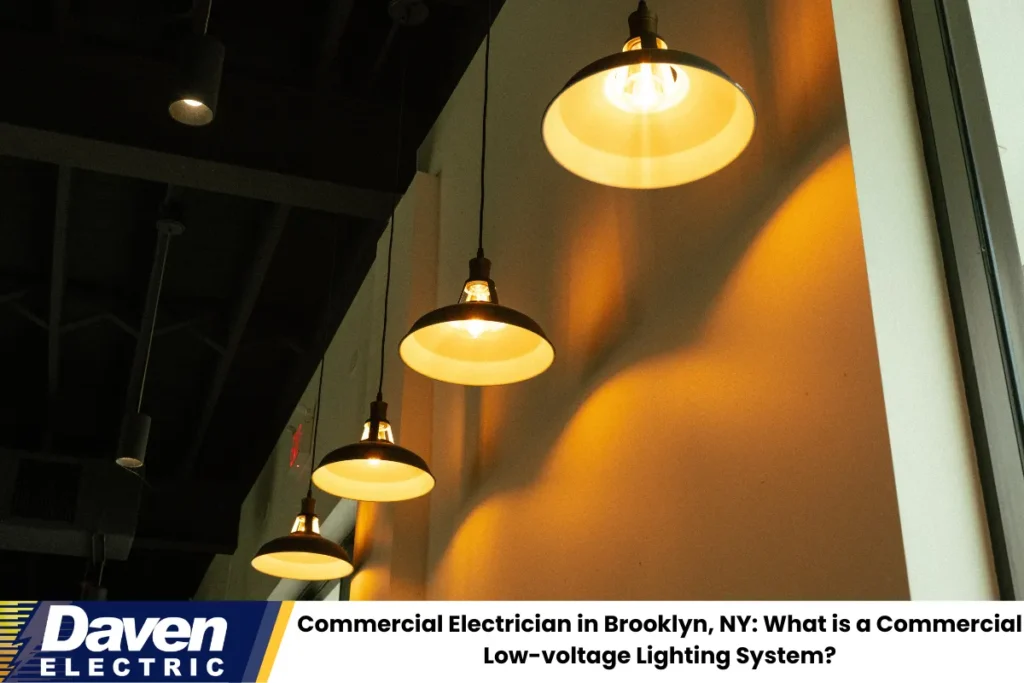
Commercial Electrician in Brooklyn services are often sought when business owners notice rising energy bills, inconsistent lighting, or outdated systems that no longer meet operational needs. Poor lighting doesn’t just affect visibility—it impacts employee productivity, customer experience, and even safety compliance. Many commercial spaces still rely on inefficient high-voltage systems that consume more power than necessary. Over time, this leads to higher operational costs and frequent maintenance issues, creating frustration for property managers. The good news is that modern solutions exist. A commercial low-voltage lighting system offers a smarter, energy-efficient alternative that reduces costs, improves control, and enhances overall performance when installed by a qualified electrician or electrical contractor.
What Defines a Commercial Low-Voltage Lighting System?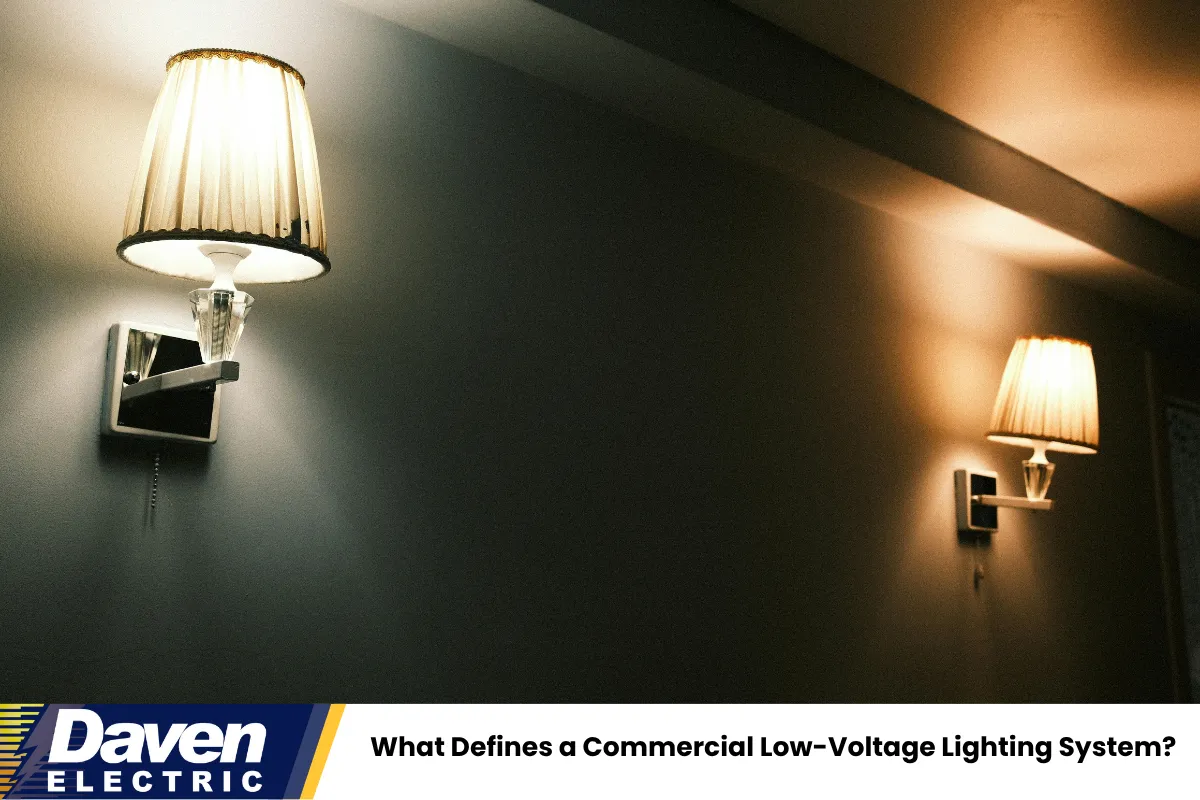
A commercial low-voltage lighting system operates at a reduced electrical voltage—typically 12V or 24V—compared to standard 120V or 277V systems commonly used in commercial buildings. These systems require a transformer to step down the voltage, making them safer and more energy-efficient.
Unlike traditional setups, low-voltage systems are designed for precision and flexibility. They are widely used in:
- Office buildings
- Retail spaces
- Restaurants and hospitality venues
- Warehouses
- Outdoor commercial landscapes
A licensed electrician ensures that these systems are installed according to local electrical codes and safety standards, especially in Brooklyn where compliance with NYC Electrical Code is mandatory.
How Low-Voltage Lighting Works in Commercial Spaces
Core Components of the System
A commercial low-voltage lighting setup consists of several key elements:
- Transformer: Converts high voltage to low voltage
- Wiring system: Designed specifically for low-voltage distribution
- Lighting fixtures: LED-based or specialized low-voltage bulbs
- Control systems: Timers, dimmers, and smart automation
An experienced electrical contractor will design the system to match the building’s layout and operational needs.
Integration With Smart Technology
Modern electrical service solutions often include smart controls. Low-voltage lighting can integrate with:
- Motion sensors
- Daylight harvesting systems
- Smart building management systems
- Remote control via mobile apps
This level of control helps businesses reduce energy waste and improve efficiency.
Advantages of Choosing Low-Voltage Lighting for Commercial Use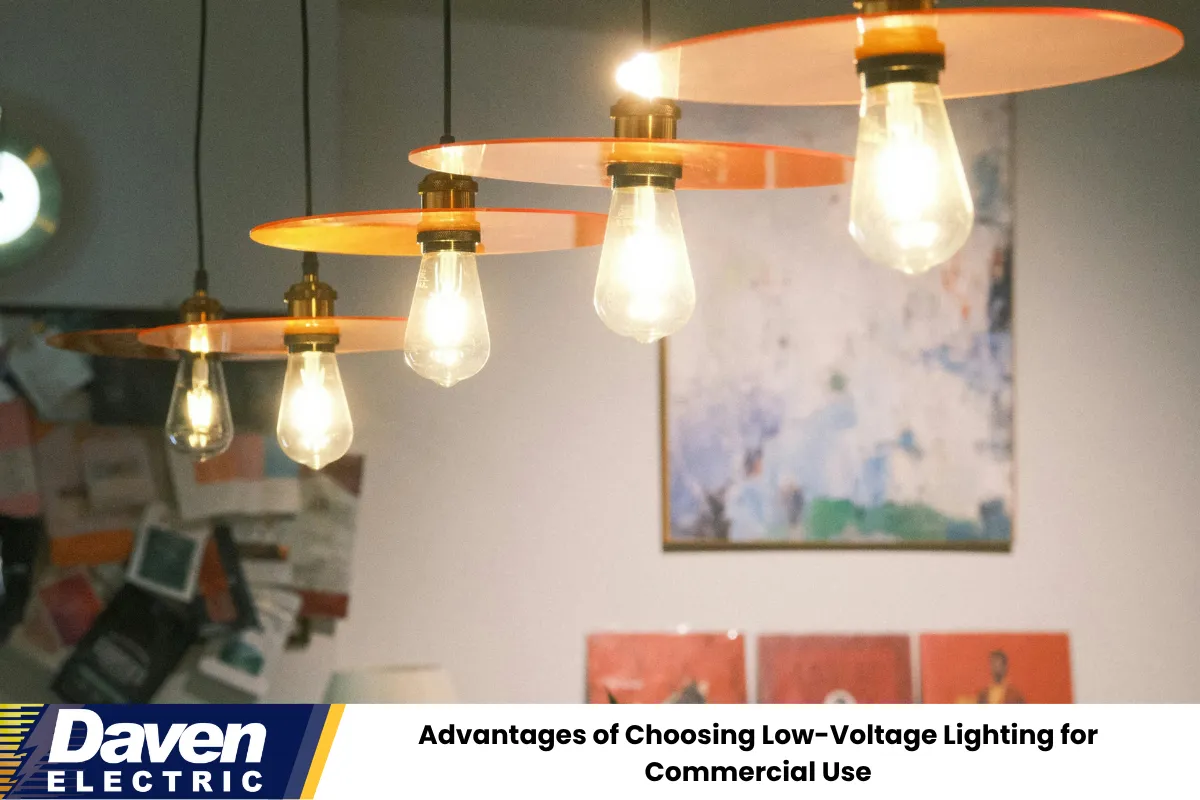
Energy Efficiency That Cuts Costs
Low-voltage systems consume significantly less electricity, especially when paired with LED fixtures. This translates into:
- Lower monthly energy bills
- Reduced environmental impact
- Longer lifespan of lighting components
A commercial electrician can help calculate projected savings based on your current system.
Improved Safety in Work Environments
Because these systems operate at lower voltage levels, they reduce the risk of:
- Electrical shocks
- Overheating
- Fire hazards
This makes them ideal for both indoor and outdoor applications, particularly in areas with high foot traffic.
Flexible Design and Aesthetic Appeal
Low-voltage lighting allows for creative and precise lighting designs. Businesses can:
- Highlight architectural features
- Enhance product displays
- Improve ambiance in customer-facing areas
An electrician can customize layouts that align with branding and functionality.
Common Applications Across Brooklyn Businesses
Retail Stores and Showrooms
Lighting plays a critical role in customer perception. Low-voltage systems allow retailers to:
- Highlight merchandise effectively
- Adjust lighting based on promotions
- Create inviting shopping environments
Office Buildings
In office settings, proper lighting improves productivity and reduces eye strain. Low-voltage systems provide:
- Consistent illumination
- Reduced glare
- Energy-efficient operation
Restaurants and Hospitality Venues
Ambiance is everything. Restaurants benefit from:
- Adjustable lighting levels
- Accent lighting for décor
- Energy savings during long operating hours
Outdoor Commercial Lighting
Low-voltage systems are ideal for:
- Landscape lighting
- Parking lot illumination
- Pathway lighting
They offer durability and safety even in outdoor conditions.
Compliance With Brooklyn and NYC Electrical Regulations
Licensing and Permits
In Brooklyn, all commercial electrical work must be performed by a licensed electrician or electrical contractor. This ensures compliance with:
- NYC Electrical Code
- National Electrical Code (NEC)
- Local building regulations
Permits are typically required for new installations or major upgrades. A qualified electrical service provider will handle this process.
Inspection Requirements
After installation, systems must pass inspections to ensure:
- Proper wiring
- Safe operation
- Code compliance
Failure to comply can result in fines or operational shutdowns.
Comparing Low-Voltage vs. Traditional Lighting Systems
Key Differences in Performance
| Feature | Low-Voltage Lighting | Traditional Lighting |
| Voltage | 12V–24V | 120V–277V |
| Energy Use | Lower | Higher |
| Safety | Increased | Standard |
| Maintenance | Less frequent | More frequent |
| Design Flexibility | High | Limited |
A commercial electrician can evaluate your current system and recommend whether transitioning makes financial and operational sense.
Installation Process Explained
Step-by-Step Overview
- Initial Consultation: Assess lighting needs and building layout
- System Design: Create a customized lighting plan
- Permit Acquisition: Secure necessary approvals
- Installation: Set up transformers, wiring, and fixtures
- Testing and Inspection: Ensure everything meets code
Hiring a professional electrician ensures the process is efficient and compliant.
Maintenance and Long-Term Performance
Routine Maintenance Tasks
Low-voltage systems require less maintenance, but regular checks are still essential:
- Inspect transformers
- Replace worn-out fixtures
- Test control systems
An electrical contractor can provide scheduled maintenance services to extend system lifespan.
Troubleshooting Common Issues
Even efficient systems may encounter issues such as:
- Flickering lights
- Transformer failures
- Wiring degradation
Prompt electrical service helps prevent downtime and costly repairs.
Cost Considerations and Return on Investment
Initial Installation Costs
While the upfront cost may be higher than traditional systems, factors include:
- Equipment quality
- System complexity
- Labor by a licensed electrician
Long-Term Savings
Over time, businesses benefit from:
- Reduced energy bills
- Lower maintenance costs
- Increased property value
The return on investment often justifies the initial expense.
Why Hiring a Commercial Electrician Matters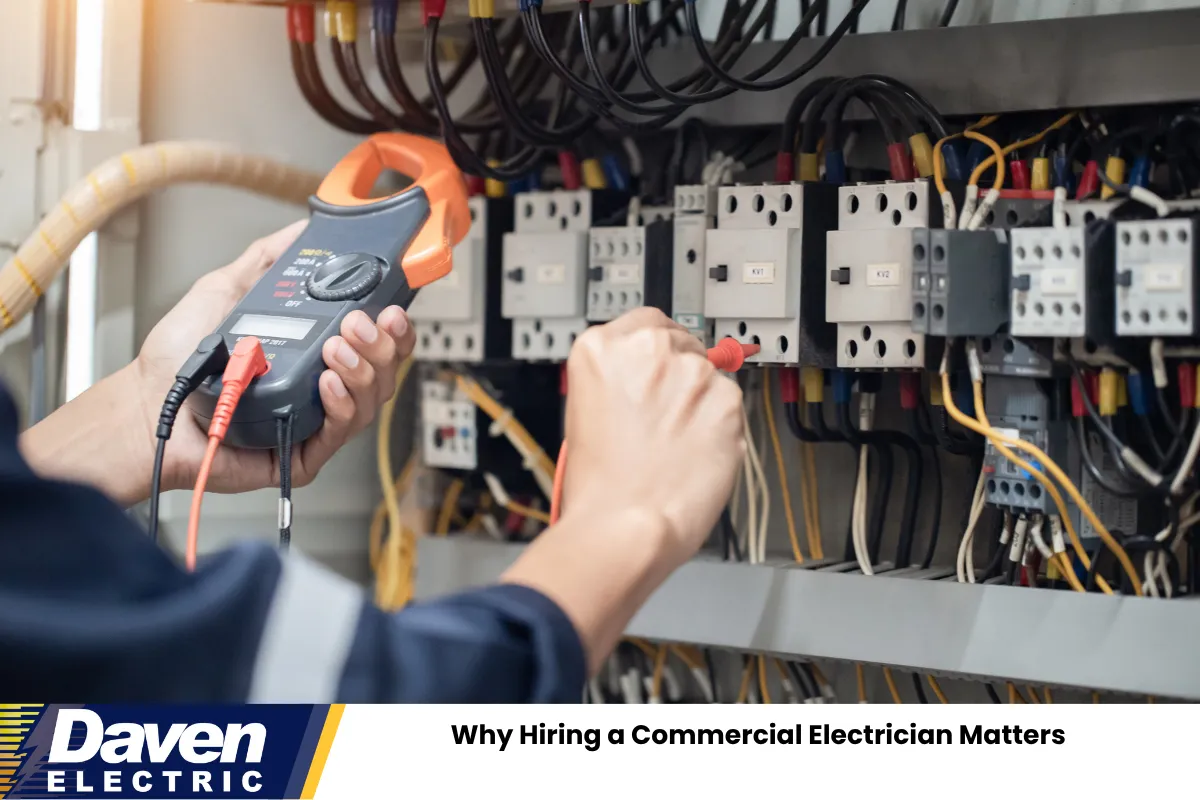
A commercial electrician brings expertise that ensures:
- Code compliance
- Efficient system design
- Safe installation
Attempting DIY or hiring unlicensed workers can lead to serious risks, including violations of Brooklyn’s strict electrical regulations.
Future Trends in Commercial Lighting Systems
LED Advancements
LED technology continues to evolve, offering:
- Higher efficiency
- Better color rendering
- Longer lifespan
Smart and Automated Systems
Businesses are increasingly adopting:
- AI-driven lighting controls
- Energy monitoring systems
- Integrated building automation
An electrical contractor stays updated with these trends to provide modern solutions.
Making the Switch to Smarter Lighting Solutions
Transitioning to a commercial low-voltage lighting system is not just about reducing costs—it’s about improving the overall functionality and safety of your space. With the guidance of a skilled electrician, businesses in Brooklyn can upgrade their lighting infrastructure to meet modern standards. From energy efficiency to design flexibility, low-voltage systems provide a comprehensive solution that aligns with both operational needs and regulatory requirements.
Commercial Electrician in Brooklyn – Daven Electric Corp.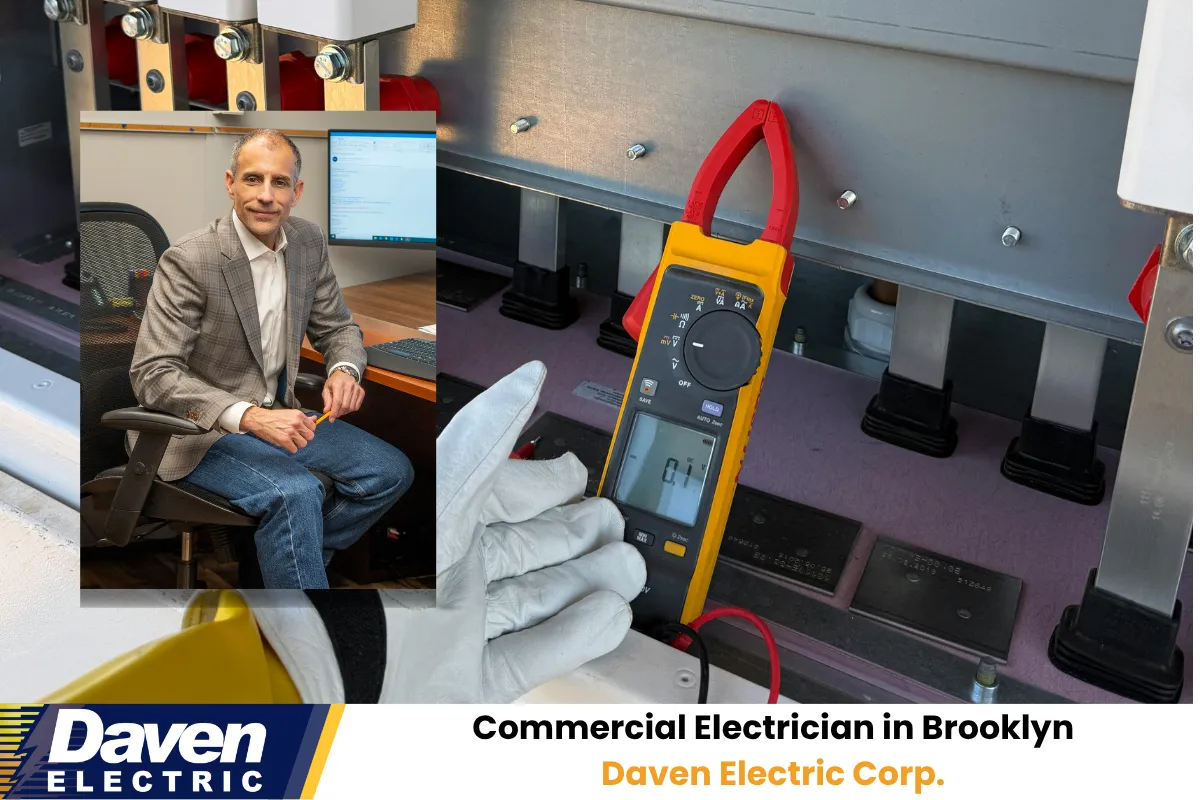
At Daven Electric Corp., we provide reliable and professional electrician services tailored to commercial properties across Brooklyn, New York. We understand how important efficient lighting systems are for your business, and our team delivers high-quality electrical service designed to improve safety, reduce costs, and enhance performance. Whether you need a full low-voltage lighting installation or an upgrade to your existing system, we handle every project with precision and care. As a trusted electrical contractor, we ensure all work meets local codes and regulations. Call us today at (212) 390-1106 or fill out our contact form to schedule your consultation and get expert solutions you can depend on.
Frequently Asked Questions
What types of bulbs are used in low-voltage commercial lighting systems?
Low-voltage systems typically use LED bulbs due to their energy efficiency and long lifespan. These bulbs produce minimal heat and offer consistent brightness, making them ideal for commercial applications. Unlike traditional incandescent bulbs, LEDs require less power while delivering superior performance. Businesses also benefit from various color temperatures and brightness levels, allowing customization based on specific needs. A qualified electrician can help select the right bulb type for your system to ensure optimal performance and compatibility with your lighting setup.
Can low-voltage lighting handle large commercial spaces?
Yes, low-voltage lighting systems can effectively illuminate large commercial spaces when properly designed. The key lies in strategic placement of transformers and fixtures to ensure even distribution of light. Electrical contractors often use multiple circuits and zoning techniques to maintain consistent brightness across expansive areas. This approach allows businesses to achieve both efficiency and functionality without compromising coverage. With proper planning and professional installation, low-voltage systems can meet the demands of warehouses, offices, and retail environments.
How long does installation typically take for a commercial project?
The timeline for installation depends on the size and complexity of the project. Smaller commercial spaces may take a few days, while larger buildings could require several weeks. Factors such as permit approval, system design, and inspection schedules also influence the timeline. Working with an experienced electrician ensures the process is streamlined and completed efficiently. Proper planning helps minimize disruptions to daily operations while ensuring compliance with all local regulations.
Are low-voltage systems compatible with emergency lighting requirements?
Yes, low-voltage systems can be integrated with emergency lighting setups, but they must meet specific code requirements. In Brooklyn and throughout NYC, emergency lighting must provide reliable illumination during power outages. Electrical contractors often design hybrid systems that combine low-voltage efficiency with code-compliant backup solutions. This ensures safety and compliance without sacrificing performance. Consulting a licensed professional is essential to ensure all emergency lighting standards are met.
Do low-voltage lighting systems increase property value?
Upgrading to a low-voltage lighting system can enhance property value by improving energy efficiency and modernizing infrastructure. Commercial buyers and tenants often prioritize buildings with updated electrical systems that reduce operating costs. Additionally, improved lighting design can enhance the overall appearance and functionality of a space. A professional electrical service upgrade signals that the property is well-maintained and compliant with current standards, making it more attractive in the competitive Brooklyn market.
Disclaimer: This article is for informational purposes only and does not replace professional electrical advice. Always consult a licensed electrician or electrical contractor in Brooklyn for code-compliant installation, inspection, and electrical service tailored to your property.
Read Commercial Electrician in Manhattan, NY: How Many Outlets Do You Need in a Commercial Building?