Why Permit Issues Put Brooklyn Homeowners at Risk
Electrician in Brooklyn, NY is often the first call homeowners make after discovering unresolved electrical permit problems that can delay renovations or halt property sales. Many Brooklyn properties contain older electrical systems that were modified years ago without proper approvals. The problem starts quietly, but it can quickly escalate into fines, failed inspections, or safety hazards. Permit remediation feels overwhelming because it involves regulations, inspections, and technical electrical work all at once. Ignoring the issue only increases risk, especially when insurance claims or real estate transactions are involved. The solution is understanding how residential electrical permit remediation works, why it matters, and how a qualified brooklyn electrician can correct violations, secure approvals, and restore compliance without unnecessary stress.
How Residential Electrical Permit Remediation Works in Brooklyn
Residential electrical permit remediation is the process of correcting unpermitted or non-compliant electrical work so it meets local and state regulations. In Brooklyn, NY, this means aligning all electrical wiring, installations, and modifications with enforced safety standards. When past work lacks permits or fails to follow electrical code requirements, remediation becomes mandatory.
A licensed electrician evaluates existing electrical components and identifies discrepancies between current conditions and approved regulations. This process often includes filing permits retroactively, correcting errors, and coordinating inspections. Remediation is not cosmetic; it directly affects electrical safety, property value, and legal compliance.
Brooklyn’s building environment includes many aging properties, making permit remediation common. Older homes may still rely on outdated installations that no longer align with modern electrical codes, increasing the likelihood of violations being discovered during a home inspection or renovation.
The Role of Electrical Codes and Local Regulations
Electrical codes exist to protect people and property. In New York City, residential projects must comply with the National Electrical Code along with local amendments. These safety codes govern everything from circuit installations to grounding methods and load calculations.
Electrical code requirements are enforced during inspections, and any deviation can result in a failed report. Electrical codes also evolve, which means work completed decades ago may now be considered unsafe even if it functioned well at the time. Permit remediation ensures compliance with both current safety codes and municipal rules, reducing fire hazards and electrical faults.
Common Triggers That Lead to Permit Remediation
Several situations reveal permit violations and force homeowners to take action. One of the most common triggers is a real estate transaction. Buyers often request a detailed electrical safety inspection, and any undocumented electrical work can delay closing.
Another trigger is repeated electrical problems such as flickering lights or a buzzing noise coming from panels or outlet and switches. These symptoms often indicate deeper issues like overloaded circuits or aging wiring that was never properly approved.
Insurance claims related to fire hazards or power surges may also uncover unpermitted electrical repairs. Once discovered, remediation becomes unavoidable to maintain coverage.
Identifying Unpermitted Electrical Work in Residential Properties
Unpermitted work can hide in plain sight. Homes with knob-and-tube wiring, altered electrical panels, or modified lighting fixtures frequently raise red flags during inspections. Other signs include mismatched breakers, improperly installed GFCI outlets, or non-compliant smoke protection devices.
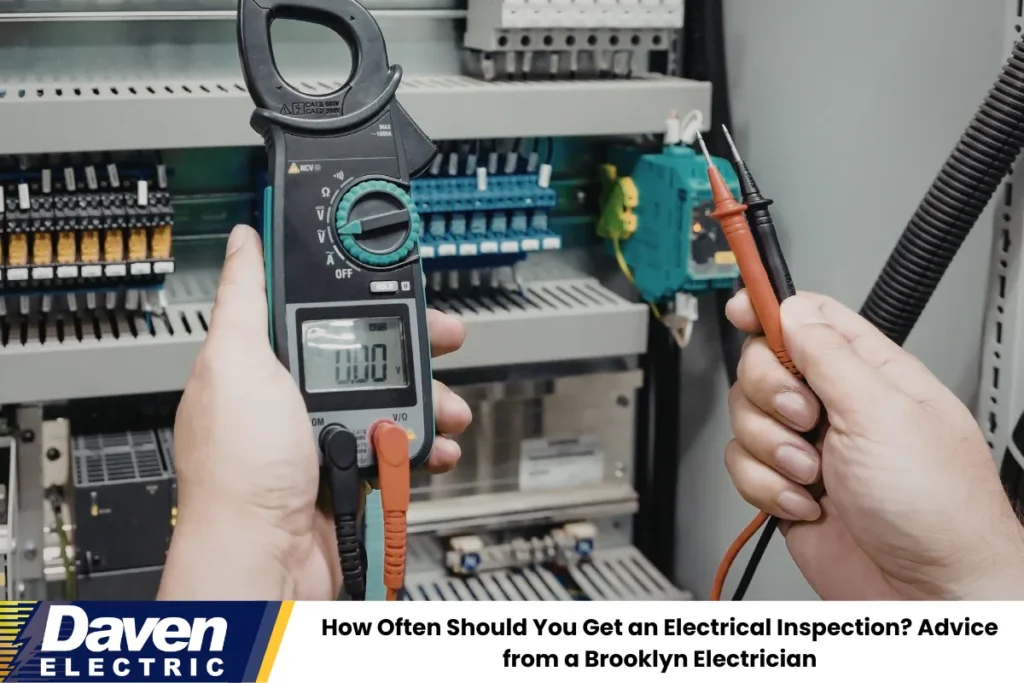
A wiring inspection by a licensed electrical contractor reveals whether residential wiring aligns with approved plans. Inspectors review electric wires, grounding methods, and panel capacity. Inspection reports document code violations and outline required electrical corrections before permits can be closed.
Why Licensed Professionals Are Essential
Residential electrical permit remediation cannot be handled by unqualified individuals. Brooklyn regulations require work to be completed by a licensed and insured professional who understands safety and licensing procedures. A master-level professional evaluates risks, submits documentation, and performs electrical work that meets regulatory expectations.
Licensed electrician services ensure that remediation is done correctly the first time. This avoids repeat inspections, added costs, and extended timelines. Working with trained professionals also ensures accountability and compliance with city oversight.
Electrical Systems Commonly Addressed During Remediation
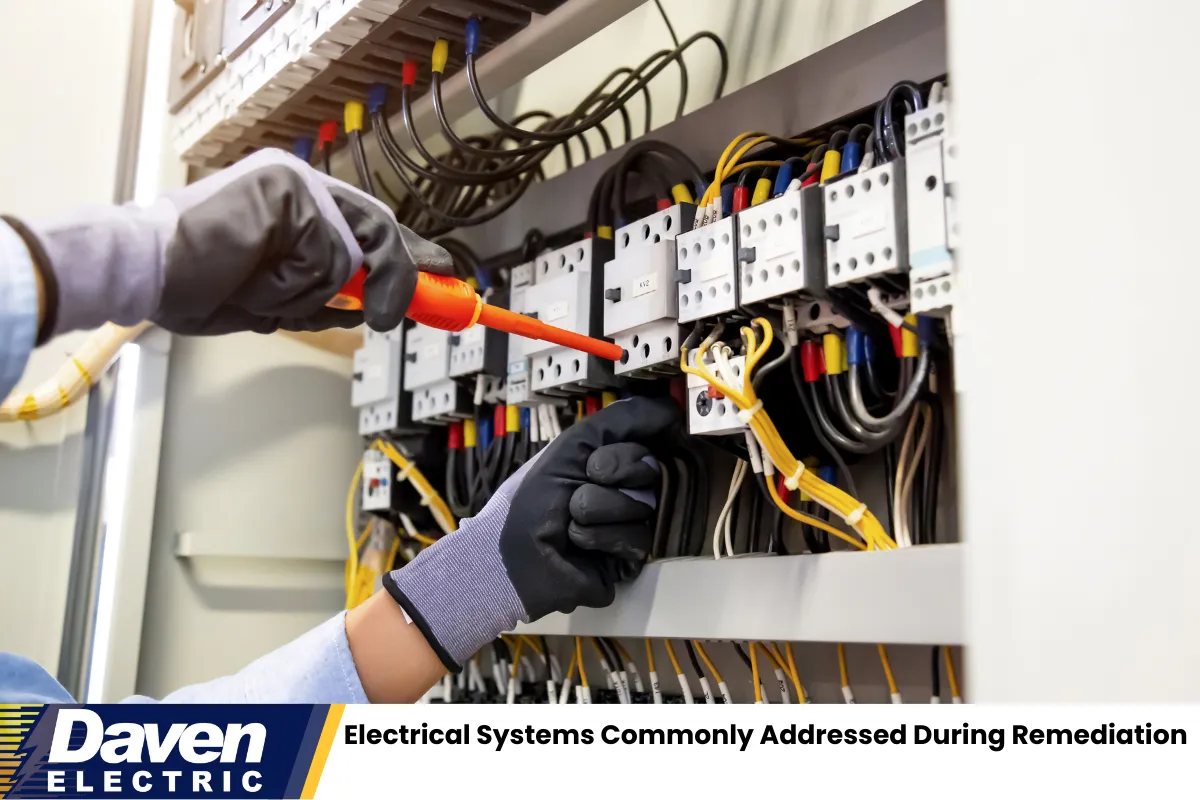
Permit remediation often involves multiple systems within a home. Residential electrical systems may require updates to circuit breaker configurations, grounding improvements, or panel upgrades to handle modern loads. Outdated wiring methods are frequently replaced to meet current standards.
Lighting systems may need rewiring, especially when energy-efficient lighting or landscape lighting was installed without permits. Smoke Alarm Systems and fire alarm systems are also reviewed to ensure proper placement and interconnection.
In some cases, electrical control systems tied to smart home installations require documentation and verification to meet inspection requirements.
Read Brooklyn Electrician: How Do I Know if My Electrical Permit Has Issues?
Safety Concerns That Drive Compliance
Electrical safety is the foundation of permit enforcement. Improper installations increase the risk of electrical faults, overheating, and fires. Overloaded circuits are particularly dangerous in older homes that were never designed to support modern appliances.
Permit remediation directly addresses these safety concerns. By correcting errors and upgrading systems, homeowners reduce risks associated with outdated wiring and poorly executed repairs. Compliance with safety standards protects occupants and ensures long-term reliability.
Residential vs. Commercial Permit Remediation
While this article focuses on homes, it’s important to distinguish residential remediation from commercial electrician service requirements. Residential projects typically involve lower voltage loads and different inspection criteria. However, both must follow strict safety codes.
Commercial spaces often involve more complex electrical panels, higher capacity circuit installations, and integrated emergency systems. Residential remediation is more focused on household safety, but still requires precision and regulatory knowledge.
The Inspection and Approval Process Explained
Once corrections are completed, the property undergoes electrical inspections by city authorities. Inspectors verify that all electrical repairs align with approved permits and safety codes. They assess workmanship, materials, and overall compliance.
If issues remain, additional corrections may be required. Once approved, permits are closed, and the property is officially compliant. This documentation is critical for property records, refinancing, or resale.
The Cost Factors Involved in Permit Remediation
Costs vary depending on the scope of work and severity of violations. Minor outlet replacement or labeling corrections may be straightforward, while major electrical system upgrades can be more involved.
Factors influencing cost include accessibility, extent of outdated wiring, and whether emergency repairs are needed. While remediation requires investment, it prevents larger expenses related to fines, delays, or safety incidents.
How Maintenance and Preventive Work Reduce Future Issues
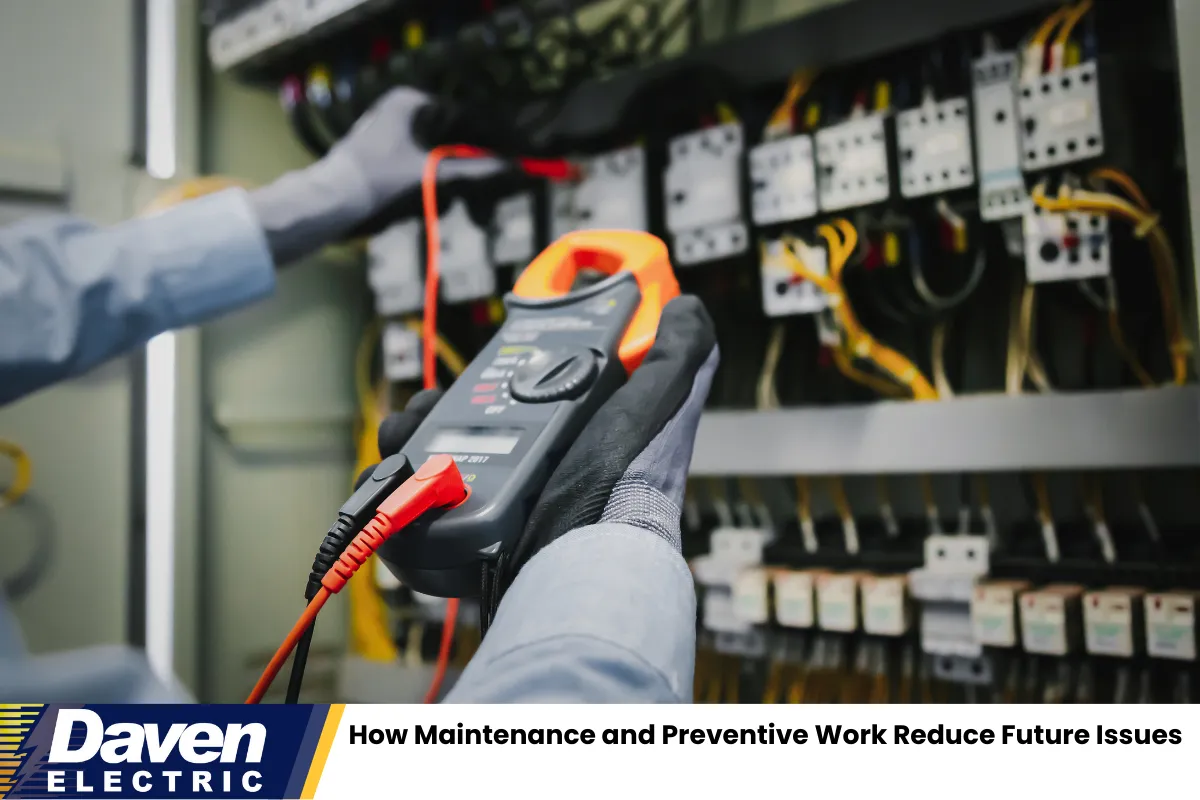
Routine general maintenance reduces the likelihood of future permit violations. Maintenance electricians perform assessments that identify issues early, before they escalate into compliance problems.
Preventive measures such as surge protection, whole-house surge protection, and regular panel checks protect systems from power surges and wear. Proactive electrical services support long-term safety and reliability.
Specialized Electrical Services That May Require Permits
Certain upgrades commonly require permits. These include electrical system upgrades, renewable electrical systems like solar connections, and significant panel upgrades. Smart technology integrations, emergency service installations, and changes to residential electrical services also require approvals.
Electrical contractors must document installation services and wiring services to ensure transparency and compliance.
Addressing Emergency Situations and Unplanned Discoveries
Sometimes permit issues surface during emergency repairs. An emergency electrician may resolve an immediate hazard but later identify underlying violations. In these cases, emergency services provide rapid response to stabilize conditions, followed by formal remediation.
Emergency Electrician support is essential when safety is compromised, but long-term compliance still requires proper permitting and inspection.
Brooklyn’s Housing Stock and Unique Challenges
Brooklyn’s mix of historic and modern properties creates unique electrical challenges. Many homes contain industrial wiring elements adapted for residential use decades ago. Others were modified multiple times without proper oversight.
Residential electrician expertise is critical in navigating these complexities. Understanding how older systems integrate with modern electrical solutions ensures safe and compliant outcomes.
The Importance of Documentation and Records
Accurate records are essential. Permit remediation includes filing applications, maintaining inspection reports, and documenting all electrical corrections. This paperwork protects homeowners during audits, sales, or disputes.
A residential electrical contractor ensures documentation aligns with completed work, avoiding discrepancies that could cause future issues.
How Remediation Improves Property Value
Homes with resolved permit issues are more attractive to buyers and lenders. Compliance demonstrates responsible ownership and reduces perceived risk. Electrical safety inspection clearance can accelerate transactions and increase confidence.
By addressing permit violations proactively, homeowners protect both safety and investment.
Final Thoughts on Staying Compliant in Brooklyn
Residential electrical permit remediation is not just a regulatory requirement; it is a safety necessity. Brooklyn electrician services play a critical role in ensuring homes meet modern standards while respecting local laws. Addressing issues early, working with qualified professionals, and maintaining proper documentation ensures peace of mind and long-term protection for property owners.
Electrician in Brooklyn, NY – Daven Electric Corp.
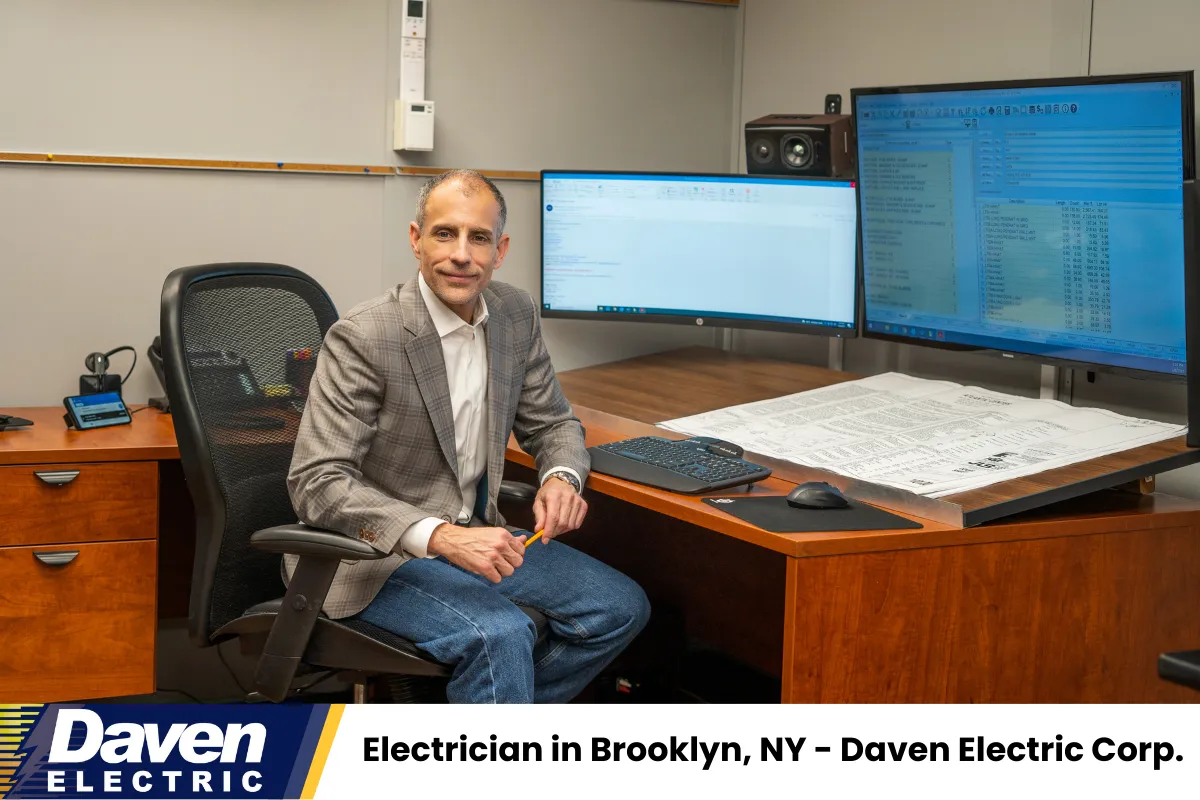
We understand how stressful permit issues can be for homeowners. At Daven Electric Corp., we provide professional service focused on resolving electrical compliance problems efficiently and correctly. As a trusted brooklyn electrician based in Brooklyn, New York, we handle residential electrical services, inspections, and remediation with attention to safety and detail. Our team is licensed and insured, experienced in navigating local regulations, and committed to clear communication throughout the process. If you are facing permit violations, planning upgrades, or need reliable electrical solutions, we are ready to help. Call us at (212) 390-1106 or complete our contact form to schedule expert assistance and protect your home.
Frequently Asked Questions
How long does residential electrical permit remediation usually take?
The timeline depends on the number and severity of violations. Minor issues may be resolved within days, while extensive electrical repairs or upgrades can take several weeks. The process includes evaluation, corrections, permit filing, and final inspections. Delays can occur if additional violations are uncovered during inspections. Working with an experienced professional helps streamline communication with inspectors and reduces repeat visits, keeping the process as efficient as possible.
Can homeowners perform any remediation work themselves?
In Brooklyn, most remediation work must be completed by a licensed electrical contractor. Homeowners may handle minor non-electrical tasks, but electrical corrections tied to permits require professional oversight. This ensures compliance with safety standards and proper documentation. Unauthorized work can lead to further violations, fines, or rejected permits, ultimately increasing costs and delays.
What happens if permit violations are ignored?
Ignoring permit violations can lead to serious consequences. These include fines, stop-work orders, failed property sales, and denied insurance claims. More importantly, unresolved issues increase safety risks such as electrical fires or shock hazards. Addressing violations promptly protects occupants and prevents complications during inspections or legal reviews.
Are older homes more likely to need permit remediation?
Yes. Older properties often contain outdated wiring methods or undocumented modifications. As codes evolve, previously acceptable installations may no longer meet requirements. Permit remediation updates these systems to current safety expectations, reducing risk and ensuring compliance with modern regulations.
Does permit remediation improve energy efficiency?
While the primary goal is compliance and safety, remediation often results in improved efficiency. Upgrades may include modern panels, safer circuits, and compatibility with energy-efficient lighting or appliances. These improvements can reduce electrical strain and support future enhancements without additional compliance issues.
Disclaimer: This article is for general informational purposes only and does not constitute legal or electrical advice. Regulations may change, and requirements can vary by property. Always consult a qualified professional for guidance specific to your situation.
Read Brooklyn Electrician: What Appliances Need a Dedicated Circuit?