Ensuring Your Brooklyn Home’s Safety: Why Dedicated Circuits Matter
When searching for a Brooklyn electrician, many homeowners wonder, “What appliances actually need a dedicated circuit?” If you’ve ever experienced flickering lights or tripped breakers, you’re not alone. These common problems are often caused by overloading circuits that aren’t designed to handle the power demands of today’s homes. Ignoring this can lead to serious hazards, such as electrical fires or damaged equipment. Fortunately, with expert electrical services from a trusted residential electrician, you can protect your home, your appliances, and your family. This article explains exactly which household appliances require their own circuits and why working with a licensed electrical contractor is the best way to ensure lasting safety and code compliance in Brooklyn, New York.
The Role of Dedicated Circuits in Modern Homes
A dedicated circuit is an electrical circuit that serves only one appliance or device. Unlike general circuits that may power several outlets or lights, dedicated circuits ensure a single, high-powered appliance gets the energy it needs—without interference or risk of overload.
Why Dedicated Circuits Are Required
- Prevent Overloading: Appliances with high power consumption need their own circuits to prevent tripping breakers and overheating wires.
- Meet Local Electrical Codes: Brooklyn, like all of New York City, follows the National Electrical Code (NEC), which mandates dedicated circuits for certain appliances to maintain household safety.
- Protect Your Investment: Avoid damaging sensitive appliances by ensuring they receive consistent, safe power.
Appliances That Need a Dedicated Circuit in Brooklyn
Every home is different, but local and national codes are clear about what appliances must have their own electrical circuit. Here’s a breakdown of the most common examples.
Kitchen Appliances Requiring Dedicated Circuits
Refrigerator
Refrigerators are essential and run constantly, drawing significant power. Most building codes, including those in Brooklyn, require refrigerators to have their own 15- or 20-amp dedicated circuit to prevent nuisance tripping and protect food safety.
Microwave Ovens
Modern microwaves, especially over-the-range or built-in models, draw more power than older units. NEC and NYC codes recommend a dedicated 20-amp circuit for microwaves to handle peak loads.
Electric Ranges, Ovens, and Cooktops
Any range, wall oven, or cooktop requires a dedicated circuit, usually rated at 40-50 amps. These appliances use substantial electricity, and sharing a circuit can pose a major fire risk.
Dishwashers and Garbage Disposals
While smaller kitchen appliances can often share circuits, dishwashers and garbage disposals should each have their own dedicated 15- or 20-amp circuit, especially when they are hardwired.
Additional Kitchen Appliances
- Freezers (standalone): Require a dedicated circuit to protect against power interruptions.
- Wine coolers: Many need their own circuit for safe operation.
Laundry Room: Appliances That Must Have Their Own Circuit
Washing Machines
Washing machines should have a dedicated 20-amp circuit. Combining them with other outlets can result in overloads, especially in busy households.
Clothes Dryers
Electric dryers require a 30-amp, 240-volt dedicated circuit. Gas dryers, while using less electricity, still need their own 15- or 20-amp circuit for the motor and controls.
Bathroom: Dedicated Circuits for Wet Environments
GFCI Outlets
Bathrooms require special Ground Fault Circuit Interrupter (GFCI) outlets on dedicated circuits. This protects users from shock, especially where water is present.
Hair Dryers & High-Wattage Devices
Many homes in Brooklyn have built-in hair dryers or heated towel racks. These high-wattage appliances often require their own 20-amp dedicated circuits to avoid overloading the bathroom’s electrical system.
Heating and Cooling Equipment
Air Conditioners
Window or wall air conditioners usually need a dedicated circuit, typically 20 amps, depending on the model’s requirements. Central air units demand even more, requiring specialized circuits installed by a qualified electrical contractor.
Electric Heaters
Baseboard heaters, portable electric heaters, and built-in bathroom heaters should never share circuits with other devices. Each unit requires its own dedicated line, as per code.
Water Heaters and Boilers
Electric Water Heaters
These require a dedicated 240-volt circuit, usually 30 amps or more, depending on the heater size. Gas models also need a smaller dedicated circuit for electronic controls.
Tankless Water Heaters
High-power tankless models often need two or more dedicated circuits. Only a licensed Brooklyn electrician should handle installation due to complex wiring and code requirements.
Home Offices and Entertainment Areas
Home Office Equipment
If you have a home office with computers, printers, or servers, a dedicated circuit can prevent voltage drops, keep equipment running smoothly, and avoid data loss.
Home Theater Systems
Large home theater setups, amplifiers, and subwoofers should be on their own circuit to avoid interference and maintain clear audio/video signals.
Garage and Outdoor Power Needs
Electric Vehicle (EV) Chargers
All EV charging stations require a dedicated circuit, typically 40 amps or more, depending on the charger type. This is required by law in Brooklyn and throughout New York City.
Power Tools and Workshop Equipment
Table saws, air compressors, and similar high-powered tools in the garage need their own circuits for both safety and performance.
Outdoor Lighting and Pools
- Swimming pool pumps and heaters must be on a dedicated GFCI circuit.
- Landscape lighting: Large installations often need a separate line for reliability.
Read Brooklyn Electrician: What Are the Benefits of a Dedicated Electrical Circuit for Homes?
How a Residential Electrician Ensures Code Compliance and Safety
Working with a professional Brooklyn electrician ensures your home meets all NYC electrical codes. A licensed electrical contractor evaluates your current system, calculates load requirements, and installs dedicated circuits where needed. This not only keeps your home safe but also avoids fines and issues when selling or renovating your property.
Signs You Need New Dedicated Circuits
- Frequent breaker trips when using appliances
- Flickering or dimming lights
- Warm outlets or breakers
- Appliances not running at full power
If you notice any of these issues, call an electrical services professional to evaluate your home.
The Dangers of Ignoring Dedicated Circuit Requirements
Not having the correct dedicated circuits can cause:
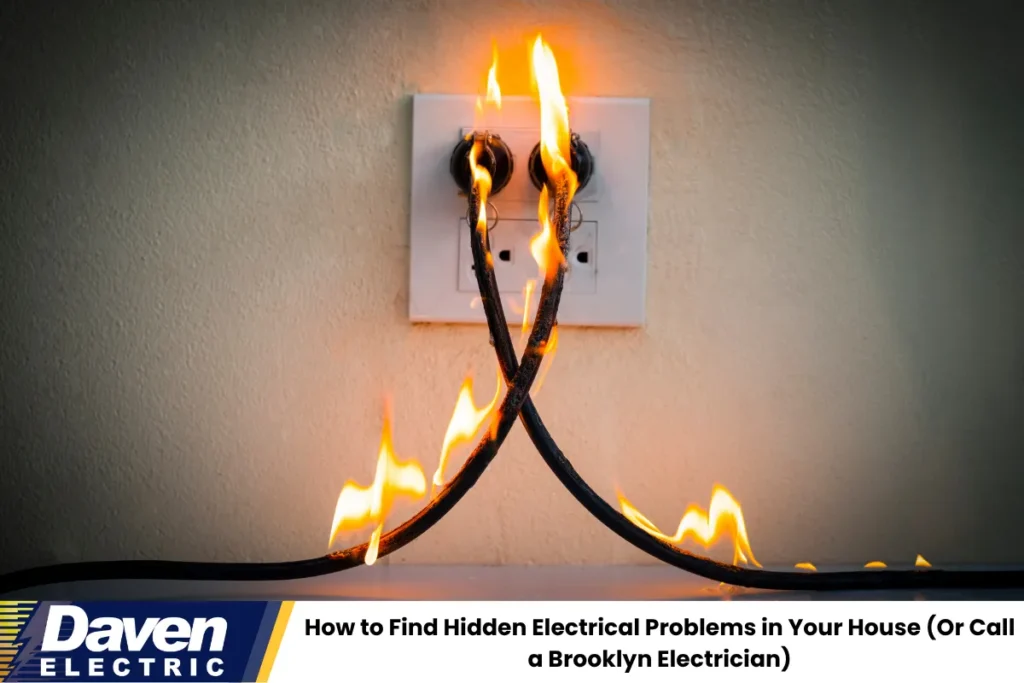
- Electrical Fires: Overloaded wires can overheat and ignite.
- Appliance Damage: Sensitive electronics can be ruined by inconsistent power.
- Shock Hazards: Poorly wired circuits are dangerous, especially around water.
- Insurance Issues: Non-compliance may void your homeowner’s policy in Brooklyn.
Steps to Add or Upgrade Dedicated Circuits
1. Professional Assessment
A certified residential electrician inspects your current system and identifies which appliances lack dedicated circuits.
2. Circuit Planning and Permitting
Proper load calculations and permits are required before installation. Your electrical contractor handles paperwork and ensures all plans meet local codes.
3. Safe Installation
Only licensed electricians should run new wires and install breakers. In Brooklyn, this guarantees both safety and legality.
4. Inspection and Testing
After installation, all new circuits must be tested for safety and performance, and inspected to ensure they comply with Brooklyn, NY, codes.
Investing in Safety: Why Hiring a Licensed Brooklyn Electrician Matters
Electrical work is not a DIY project. Licensed residential electricians have the training, experience, and legal clearance to work in Brooklyn. They understand local codes, obtain the necessary permits, and guarantee your home’s wiring is safe and efficient.
Common Questions About Dedicated Circuits for Homeowners
1. Can I Share a Circuit Between Two Major Appliances?
Never share a circuit between two high-powered appliances. For example, do not plug a refrigerator and microwave into the same outlet or circuit. This setup increases the risk of overloads and fire. Always use a dedicated line for each appliance as required by local code.
2. How Do I Know If an Appliance Needs a Dedicated Circuit?
Check your appliance’s manual or nameplate for wattage requirements. If it uses 1,000 watts or more, it likely needs its own circuit. Large appliances—such as dryers, ovens, and air conditioners—should always be installed by a licensed electrician who can confirm if a dedicated line is required.
3. Are Dedicated Circuits Expensive to Install?
Costs depend on your home’s wiring, circuit panel capacity, and the distance from the panel to the appliance. On average, adding a dedicated circuit in Brooklyn ranges from $300 to $900 per circuit, including parts and labor. While not cheap, it is a vital investment in home safety and code compliance.
4. Can I Use Extension Cords Instead of Installing a Dedicated Circuit?
Never use extension cords as a substitute for proper wiring. Extension cords are only for temporary use and can overheat if used with high-power appliances. For permanent appliances, always install a dedicated circuit.
5. How Often Should I Have My Home’s Electrical System Inspected?
Homeowners should schedule a full electrical inspection every 5–10 years, or whenever adding new appliances. Older homes in Brooklyn may need more frequent checks, especially if wiring has not been updated recently. Inspections can prevent hazards and ensure your system is up to code.
Brooklyn Electrician – Daven Electric Corp.
Looking for a reliable Brooklyn electrician you can trust with your home’s safety? Daven Electric Corp. provides top-rated electrical services for all your residential needs, from installing dedicated circuits to handling complex rewiring projects. Our skilled team of licensed electrical contractors has years of experience working with Brooklyn homeowners, ensuring every job meets strict local codes. Need fast service? We’re known for quick response times and clear communication. Whether you’re upgrading your kitchen, adding new appliances, or want an electrical safety inspection, call us at (212) 390-1106 or visit our Brooklyn office. Protect your home and appliances—reach out to Daven Electric Corp. today and get the peace of mind you deserve!
Frequently Asked Questions
Do older Brooklyn homes need to be rewired for dedicated circuits?
Yes, many older Brooklyn homes were built before today’s strict electrical codes and may lack enough dedicated circuits. Rewiring can prevent hazards like overloaded circuits and reduce the risk of fire. A licensed residential electrician can inspect your home’s current system, recommend upgrades, and ensure your wiring is up to NYC and NEC standards. This investment improves safety, increases property value, and supports the power needs of modern appliances.
Can installing dedicated circuits lower my electricity bill?
While dedicated circuits themselves don’t directly lower electricity bills, they ensure your appliances operate at peak efficiency, which can reduce waste and potential damage. Overloaded or poorly wired circuits can cause appliances to work harder, drawing more power. Proper electrical upgrades by a Brooklyn electrician help maintain steady power delivery, potentially saving you money in the long run.
What is the process for getting a permit for new circuits in Brooklyn?
In Brooklyn, all new electrical installations—including dedicated circuits—require a permit from the NYC Department of Buildings. Your electrical contractor will file the necessary paperwork, submit plans, and schedule inspections as needed. Only licensed electricians can perform this work legally. Permits ensure that your electrical project is safe, code-compliant, and properly documented for future property sales.
Is it safe to install a dedicated circuit myself?
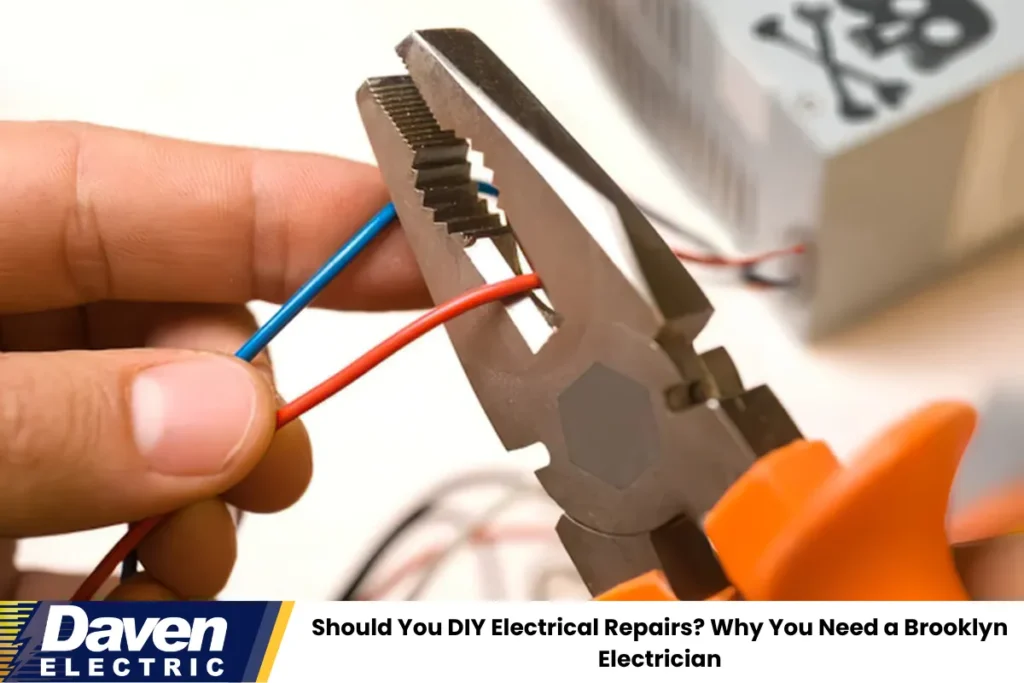
DIY electrical work is strongly discouraged in Brooklyn, New York. Local laws require licensed electricians to handle all wiring projects, including adding new circuits. Improper installation can cause fire, injury, and fines. Always hire a professional residential electrician with experience in NYC regulations to guarantee safe and legal results.
How can I tell if my home’s electrical panel can support more circuits?
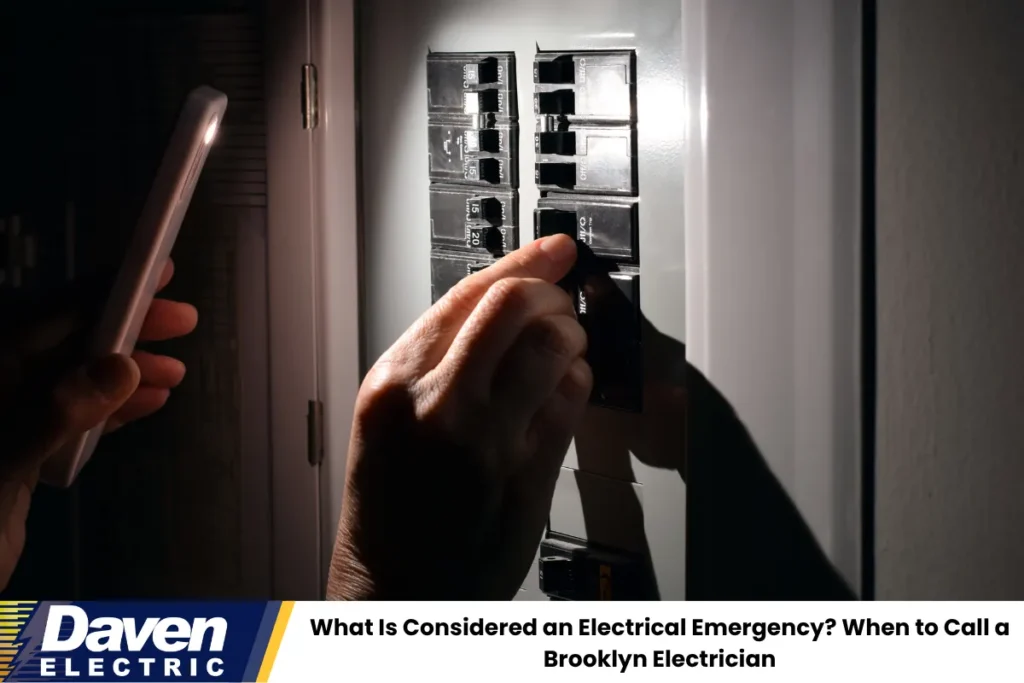
A residential electrician can evaluate your existing electrical panel’s capacity. Modern homes typically have enough room for additional circuits, but older panels may be full or need upgrading. Signs your panel is overloaded include frequently tripped breakers, buzzing noises, or scorch marks. Your electrician will advise whether you need a subpanel or a complete upgrade to safely support new dedicated circuits.
Disclaimer: This article is for informational purposes only and does not constitute professional advice. Always consult a licensed Brooklyn electrician for electrical work or specific code requirements. All electrical services should comply with local NYC laws and regulations.