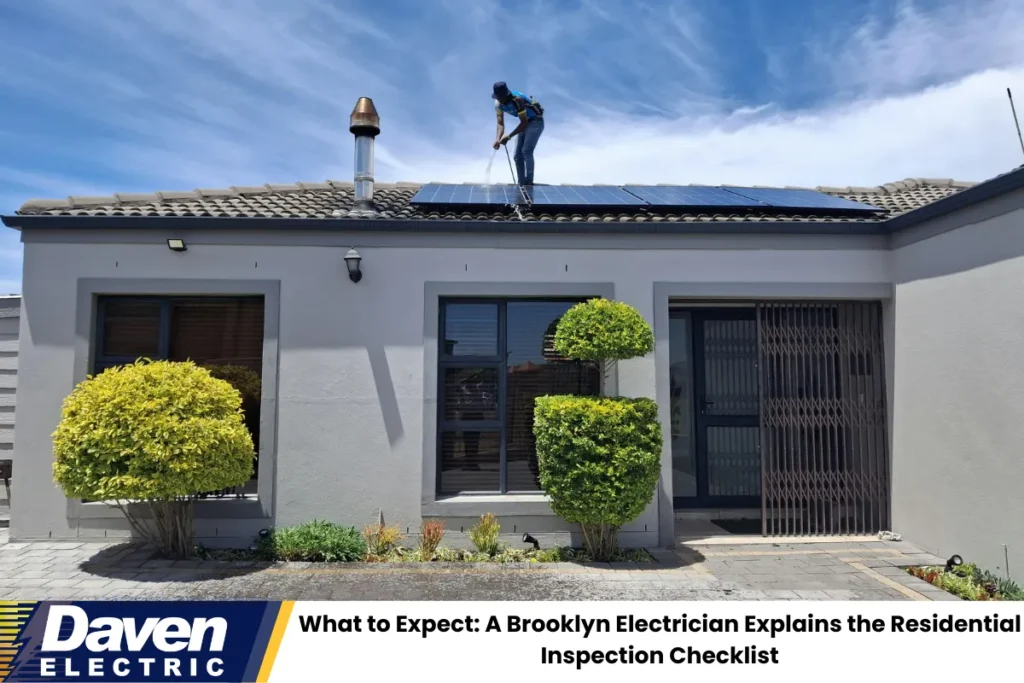
When it comes to electrical systems in your home, ensuring that everything is up to code and functioning properly is critical for safety. A Brooklyn electrician can provide an essential service by conducting a thorough electrical inspection, identifying potential hazards, and offering solutions to keep your home or business safe. Whether you’re planning to sell your property, upgrade electrical work, or simply ensure everything is safe, this checklist will guide you through the key areas of an inspection.
In this article, we’ll break down what to expect during a residential electrical inspection, helping you understand the process and the standards required by local Brooklyn codes.
What is a Residential Electrical Inspection?
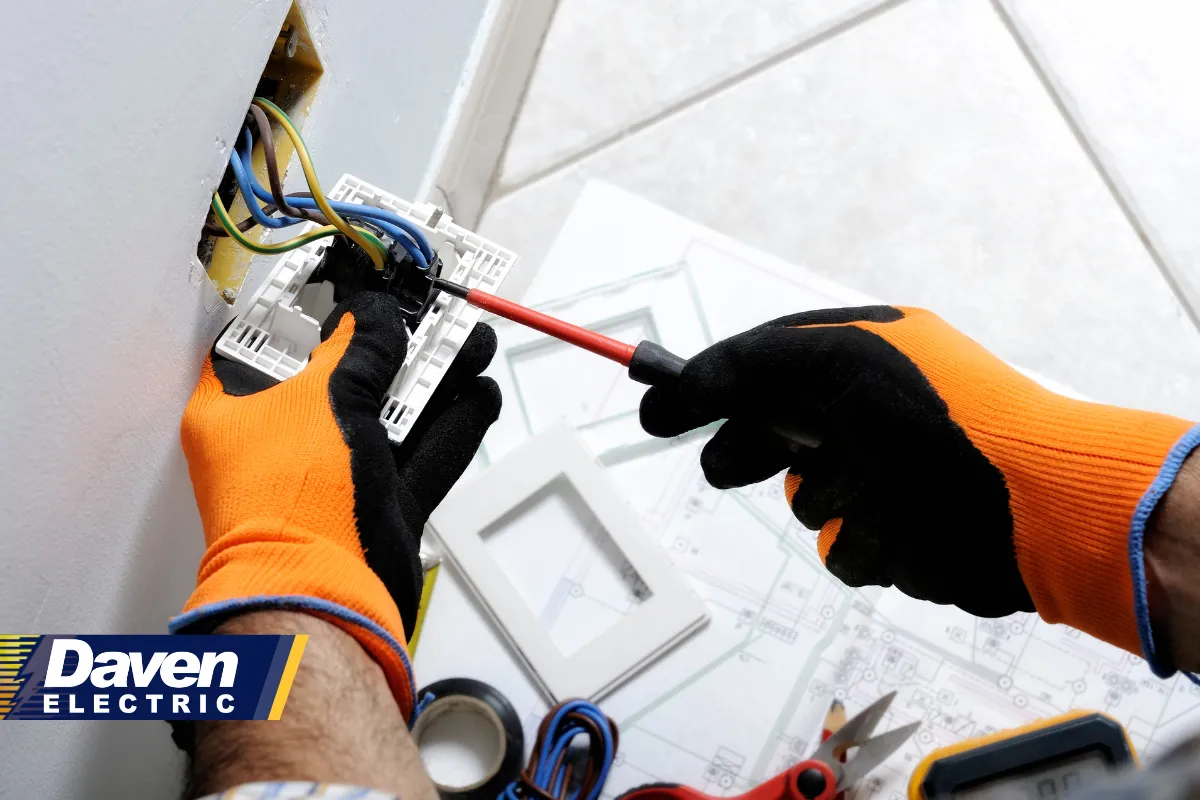
A residential electrical inspection is a detailed examination of your electrical system, ensuring it meets all local safety standards and building codes. The primary focus is on verifying that the wiring, service panel, and connected devices are safe, functioning properly, and up to code. Electrical inspections are required by law when performing major electrical work, and they can be done on a regular basis to maintain the safety of your home.
The Importance of an Electrical Inspection
Electrical work is often considered a necessary investment for safety and compliance with local building codes, which can help prevent costly damages or hazards in the future. Here’s why it’s important:
- Safety: Over time, wiring can deteriorate, and outdated electrical systems may pose fire hazards or other safety risks. Regular inspections ensure that the system remains safe for homeowners and businesses.
- Compliance: Brooklyn, NY has specific codes that govern electrical systems. These codes must be followed to avoid fines or insurance complications, especially in case of an incident.
- Prevention: Identifying potential issues early, such as faulty wiring or outdated components, helps prevent costly repairs down the line. A timely inspection can save you money in the long term by ensuring everything is in good working order.
What Happens During a Residential Electrical Inspection?
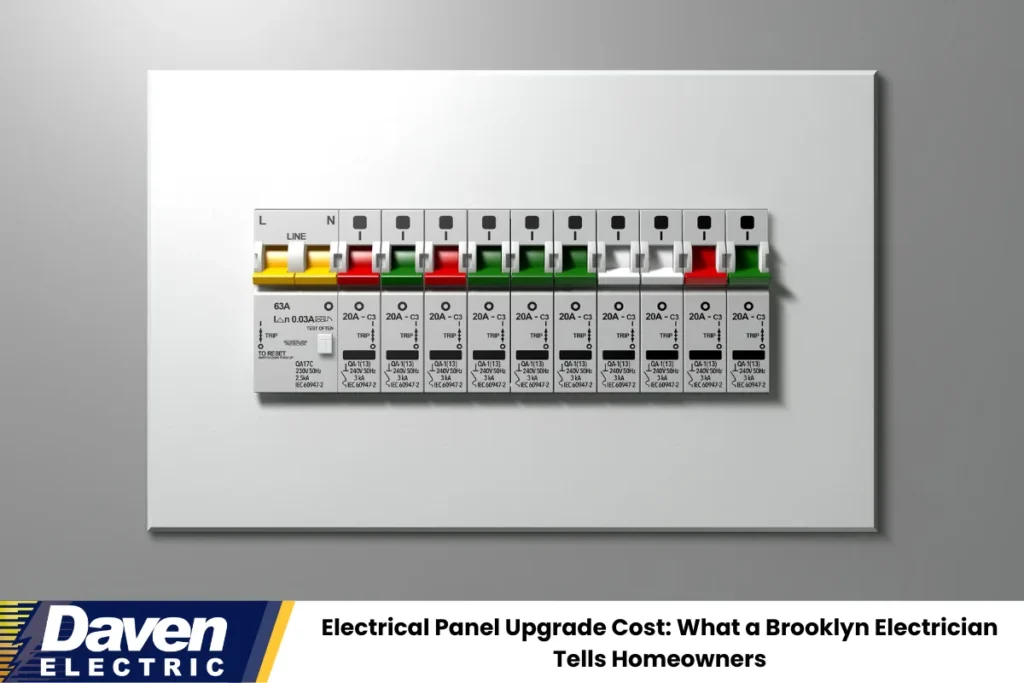
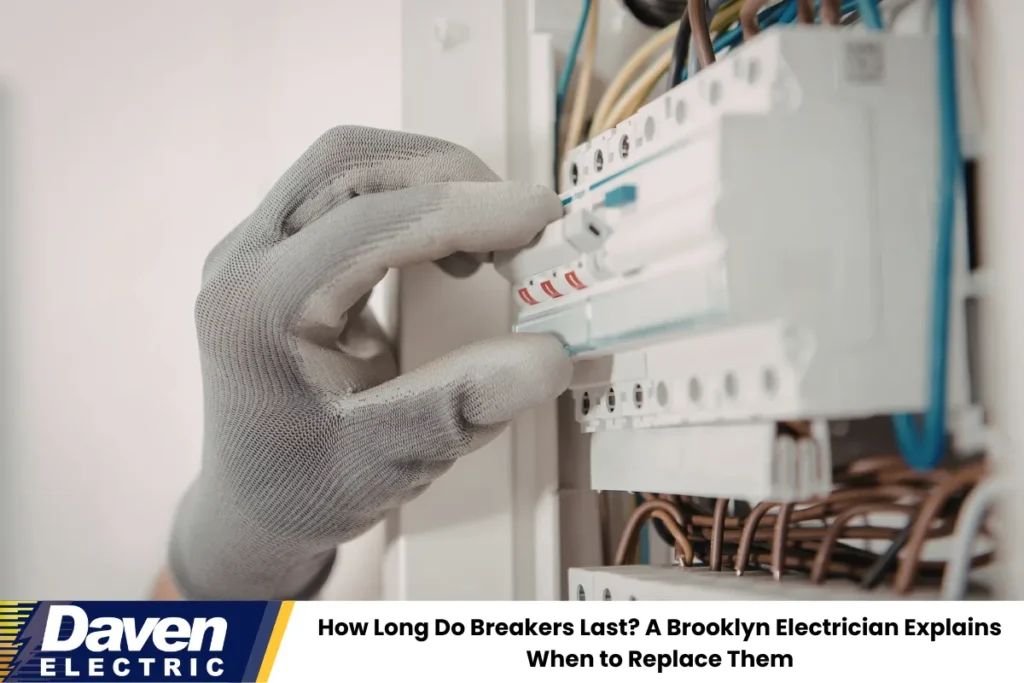
Visual Inspection of the Electrical Panel
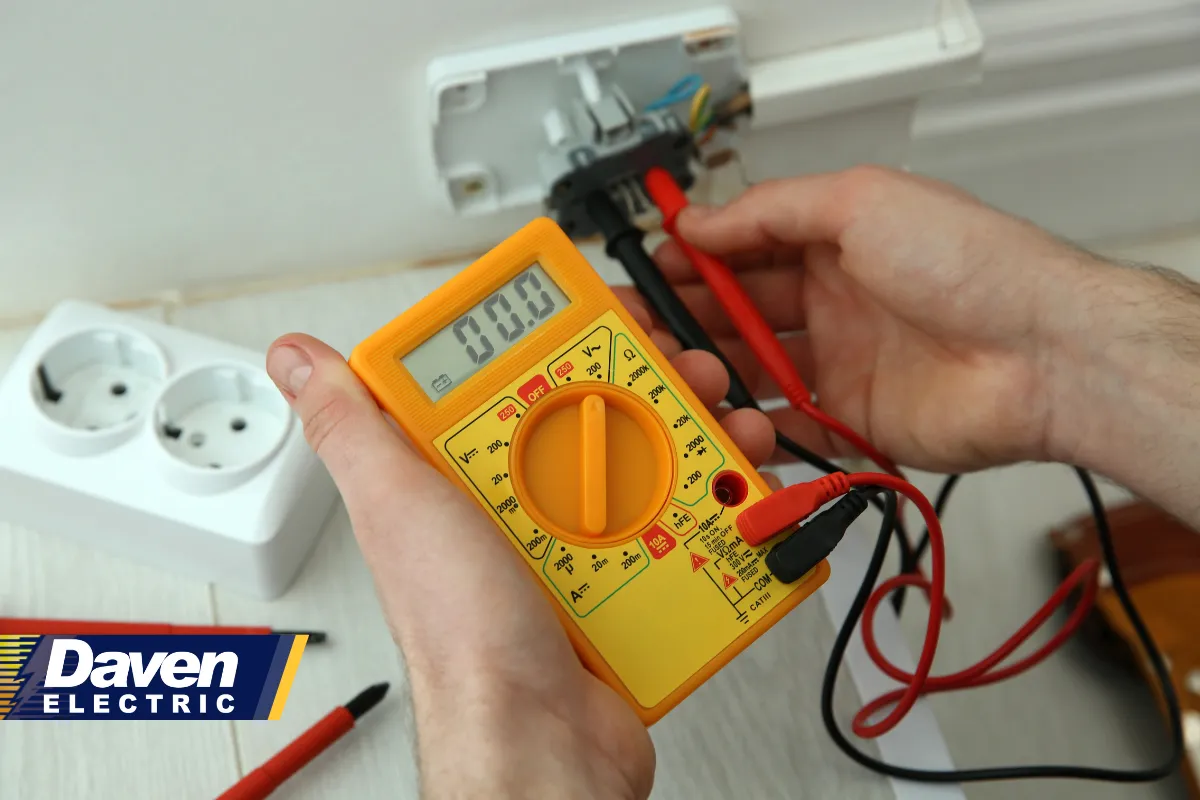
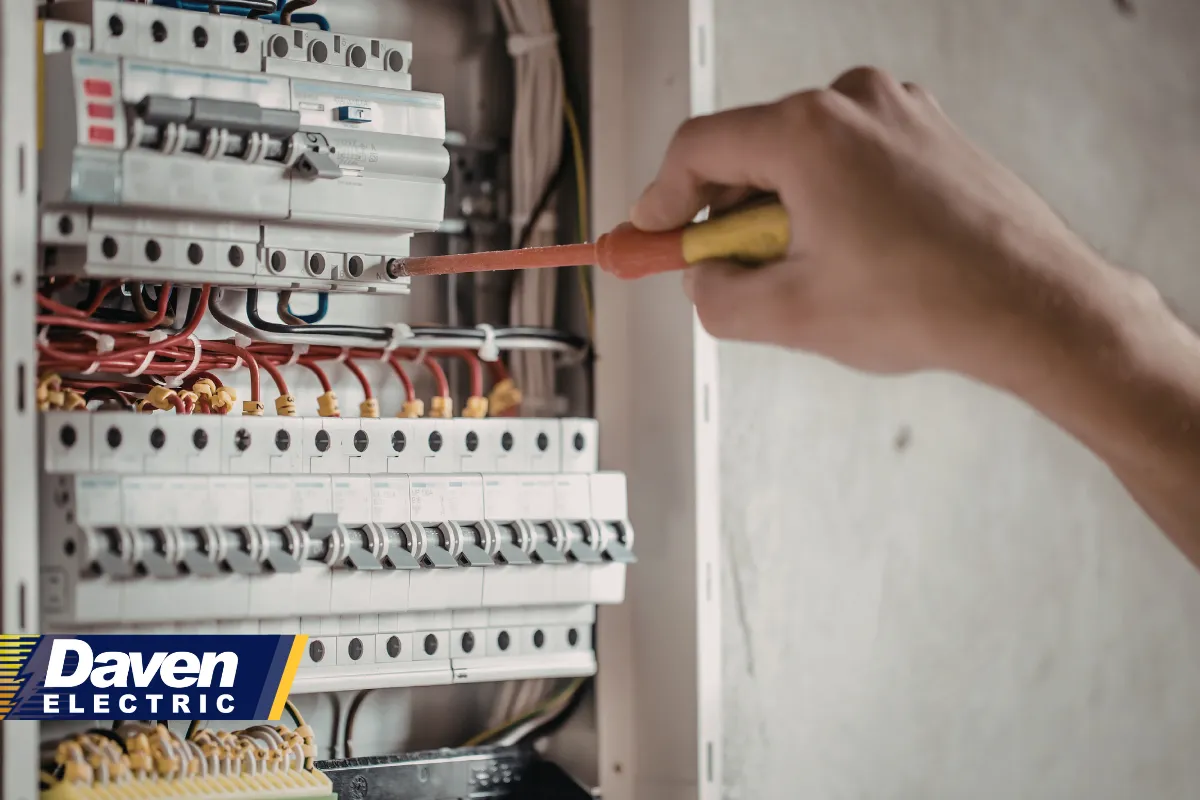
The first step during an electrical inspection is to visually inspect the main electrical panel, which is the hub of your home’s electrical system. The electrician will ensure that:
- All wiring is intact and properly connected.
- The service panel is properly grounded.
- The breakers are correctly sized for the electrical circuits.
- There are no signs of overheating or damage.
A well-maintained electrical panel ensures that electricity is distributed safely throughout the house, focusing on safety for homeowners and the entire property.
Checking the Wiring and Outlets
One of the most critical areas of inspection is the wiring throughout your home. This includes:
- Exposed wiring: Wires should be insulated and concealed to prevent shock hazards.
- Grounding: Proper grounding of outlets and fixtures is necessary for safety.
- Outlets and switches: Inspecting for any outlets that may be loose, damaged, or improperly installed.
In Brooklyn, electricians will focus on any outdated wiring systems like knob-and-tube or aluminum wiring, which are more prone to fire hazards. Electrical systems in older homes may require rewiring or upgrading to ensure safety and compliance with current codes.
Testing GFCI and AFCI Outlets
In areas like bathrooms, kitchens, and garages, Ground Fault Circuit Interrupter (GFCI) outlets are a must. These outlets prevent electrical shocks by shutting off power when a fault is detected. Your electrician will test these outlets to ensure they function properly.
Additionally, Arc Fault Circuit Interrupters (AFCIs) are necessary in living areas to detect and prevent electrical arcs that could cause fires. They will check if these safety devices are properly installed and working, focusing on both residential and commercial properties.
Preparing for Your Electrical Inspection
Accessible Areas for Inspection
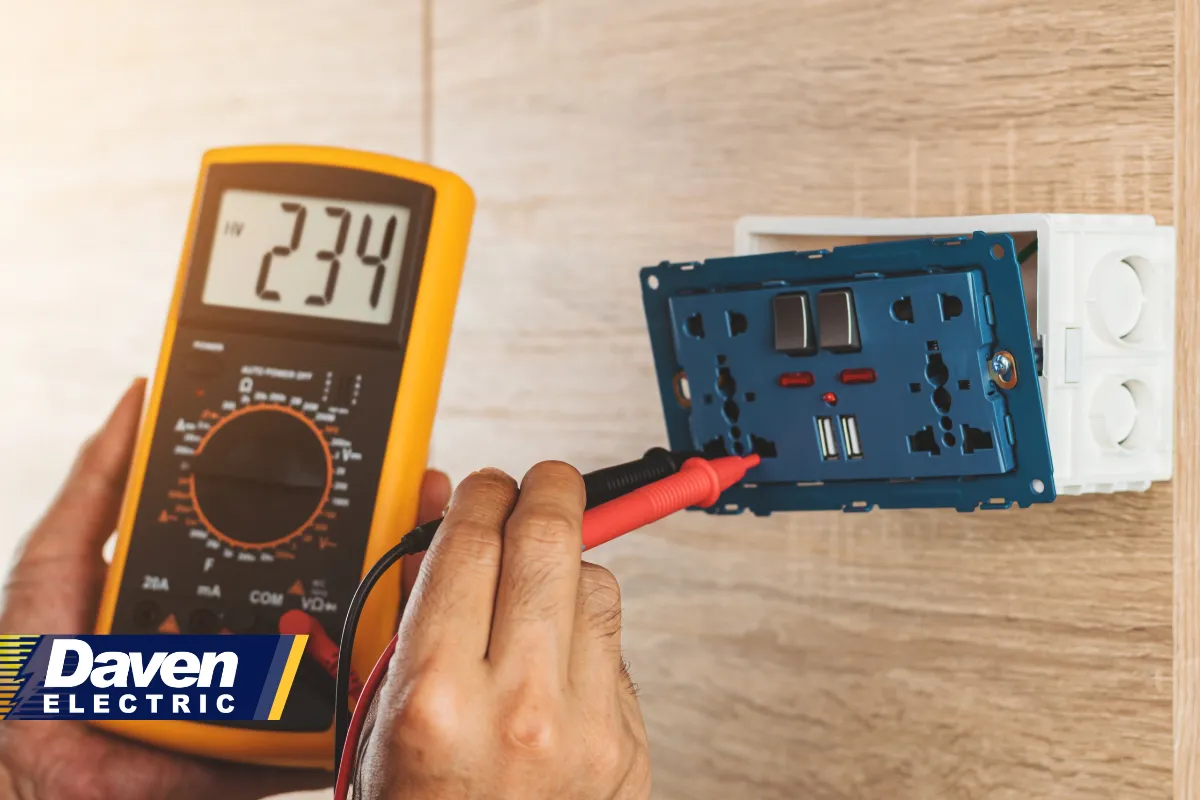
To ensure that your inspection goes smoothly, it’s essential to make certain areas of your home or business are easily accessible to the electrician. This includes:
- The main service panel: The electrician will need clear access to inspect the electrical panel.
- Outlets and switches: Ensure the electrician can reach key outlets, including those in bathrooms, kitchens, and garages.
- Attics and basements: These areas often contain wiring or junction boxes that need inspection.
Timing of the Inspection
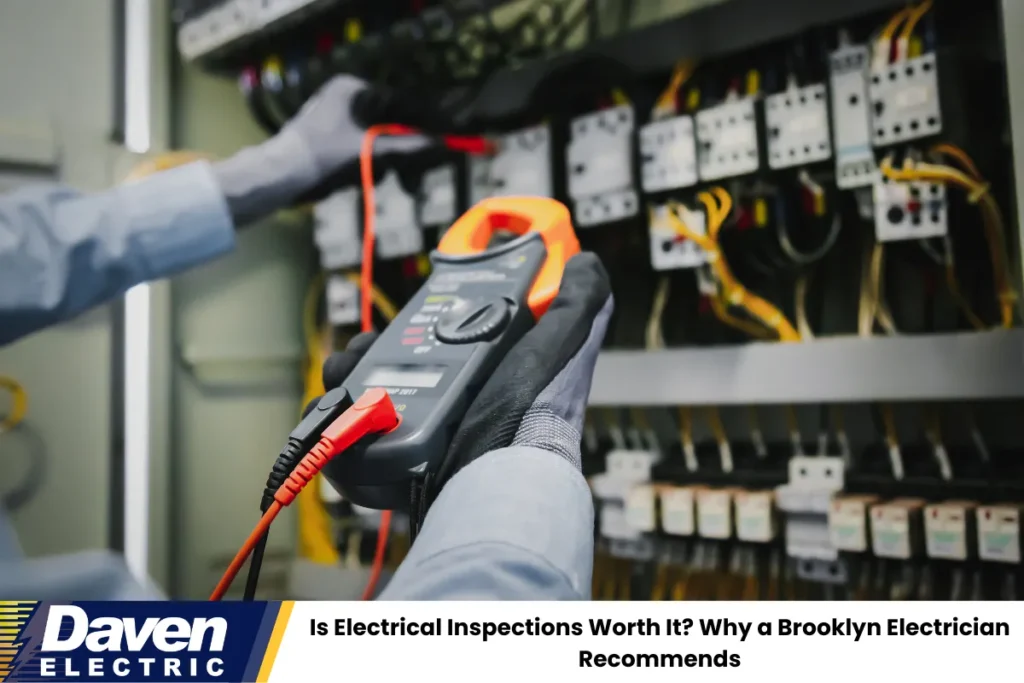
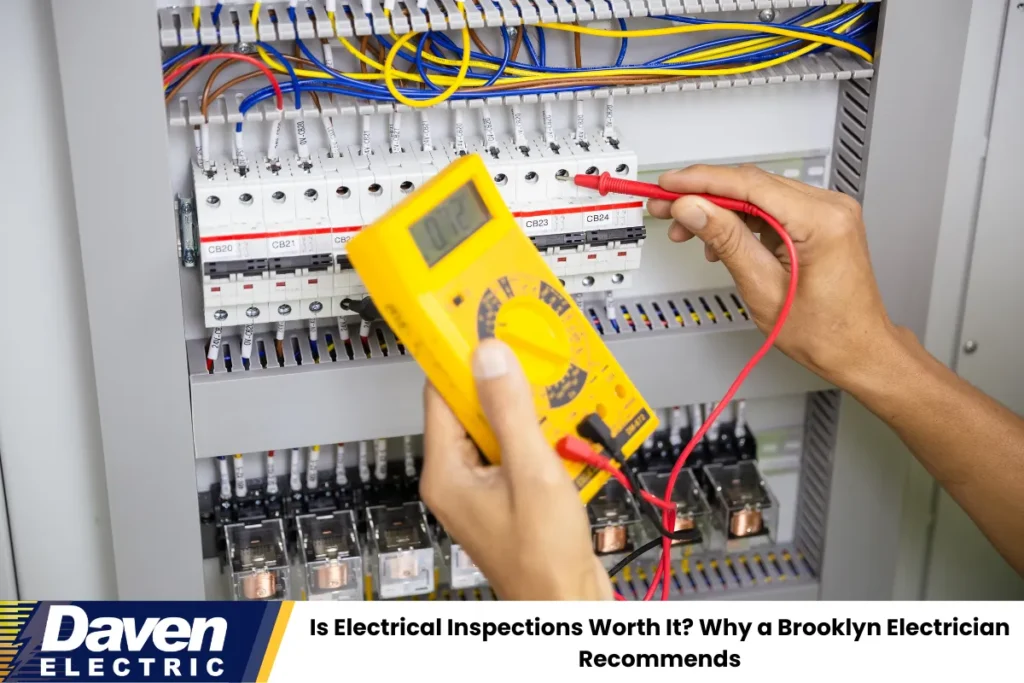
Electrical inspections typically last 1-2 hours, ensuring the electrical system is safe and compliant with local codes. During this time, the electrician will examine your system, test outlets and devices, and ensure everything is up to code. This service can be scheduled with minimal disruption to your day, and it’s an essential investment in your home or business.
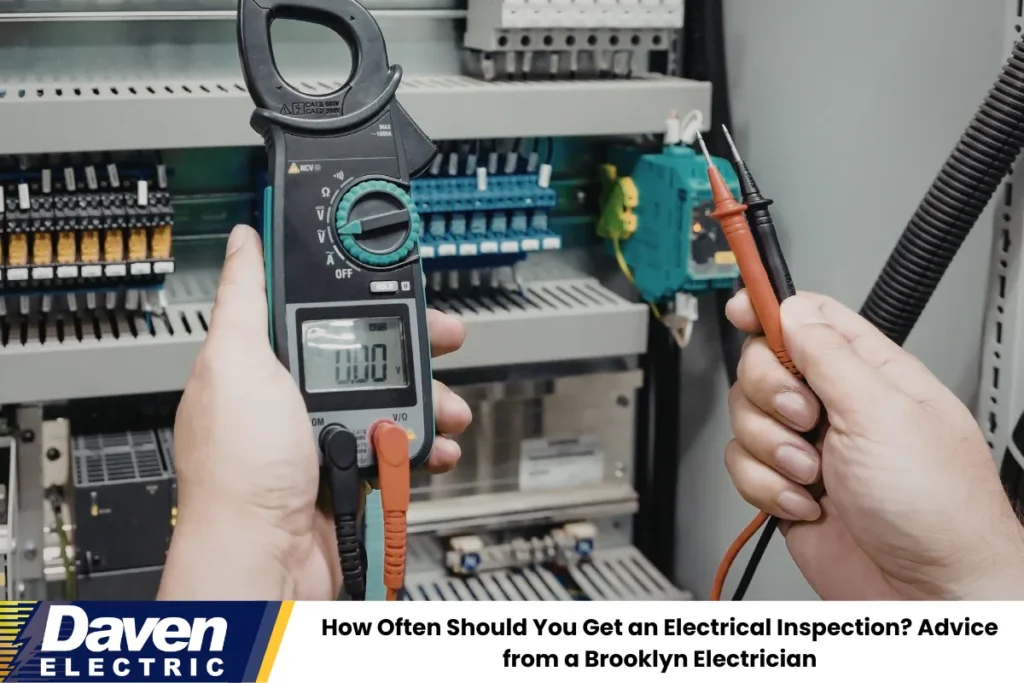
Read How Often Should You Get an Electrical Inspection? Advice from a Brooklyn Electrician
Common Electrical Problems Found During Inspections
Outdated Wiring
Homes built before the 1970s may still have knob-and-tube wiring, a type of electrical wiring that is no longer considered safe by today’s standards. If your home has this type of wiring, an upgrade will be recommended to prevent fire risks. Brooklyn electricians focus on identifying these types of hazards to ensure safety and proper service electrical solutions.
Overloaded Circuits
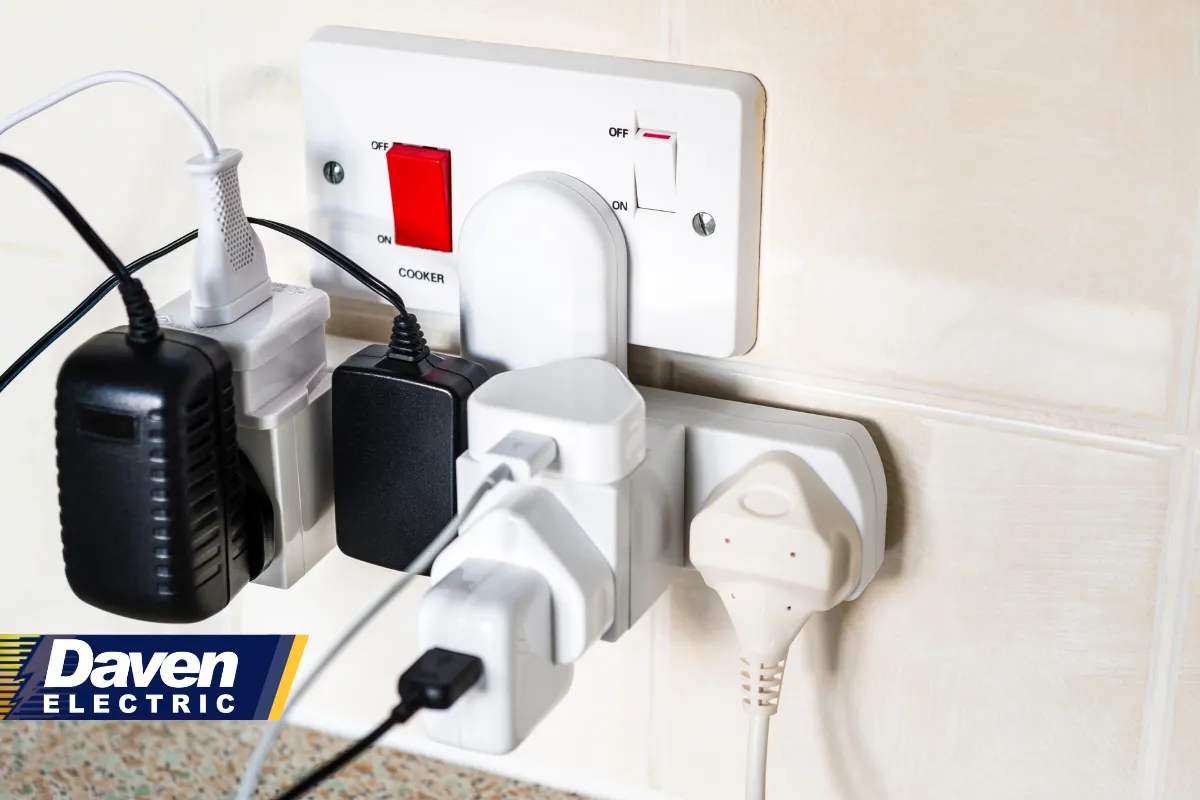
Overloading electrical circuits can lead to tripped breakers or even fires. The inspection will look for overloaded circuits and suggest rewiring or adding additional circuits to balance the load. This is especially important for new electrical work or upgrades in existing electrical systems.
Improperly Wired Devices
Devices like light fixtures, outlets, and switches must be wired correctly to prevent hazards. An electrical inspection will ensure that these devices are installed to meet safety standards. Electrical systems that are improperly installed or repaired can result in ongoing electrical problems, costing you more in repairs.
How Often Should You Schedule a Residential Electrical Inspection?
It is recommended to conduct a residential electrical inspection every 3 to 5 years, especially for older properties. Regular inspections ensure that your system remains up to code and that potential issues are detected early, preventing larger, more costly problems in the future. Inspections are crucial for maintaining reliable service and ensuring long-term safety.
Key Takeaways from a Residential Electrical Inspection
A residential electrical inspection in Brooklyn involves a comprehensive evaluation of a home’s wiring, service panel, and devices to ensure compliance with the NYC Electrical Code. Electrical work performed by unlicensed individuals can lead to serious safety hazards, including fire risks and electrical failures, making it essential to hire licensed professionals.
Make sure to hire a licensed electrician for electrical inspections to ensure that the work is done correctly, safely, and in compliance with local codes. For homeowners and businesses in Brooklyn, regular electrical inspections are an essential part of maintaining a safe and efficient electrical system.
Brooklyn Electrician – Daven Electric Corp.
At Daven Electric Corp., we take pride in providing expert electrical services to homeowners and businesses in Brooklyn, New York. Our licensed electricians are trained to handle a wide range of electrical inspections, ensuring that your electrical system is safe, compliant with local codes, and free from hazards. Whether you’re planning to upgrade your electrical system, perform a major renovation, or simply ensure everything is functioning properly, we are the trusted choice for electrical services in Brooklyn.
We offer free estimates and provide professional, reliable service. Give us a call today at (212) 390-1106 to schedule your electrical inspection with our expert team. We specialize in emergency repairs and new construction electrical services to meet all your electrical needs.
Frequently Asked Questions
1. How much does an electrical inspection typically cost?
The average cost of hiring an electrician for an inspection can vary widely based on the complexity of the job, with typical hourly rates ranging from $50 to $100 or more depending on the region and the electrician’s experience. Homeowners should budget for additional costs such as materials, permits, and potential emergency service fees when planning electrical work.
2. Why is it important to hire a licensed electrician?
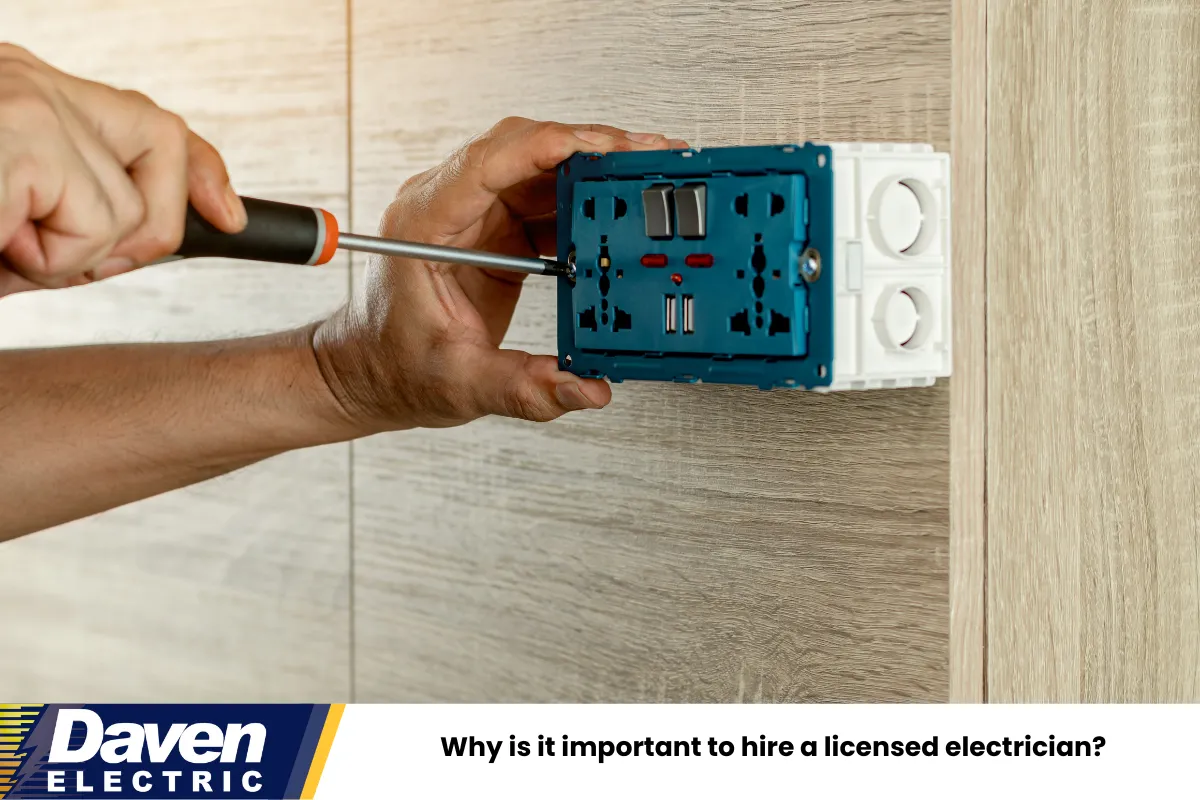
Hiring a licensed electrician is crucial as electrical work requires specialized knowledge and precision to prevent costly damages or hazards. A licensed professional ensures that the work meets all safety codes and standards. Electrical work performed by unlicensed individuals can lead to serious safety hazards, including fire risks and electrical failures.
3. What should I do if my electrical system fails the inspection?
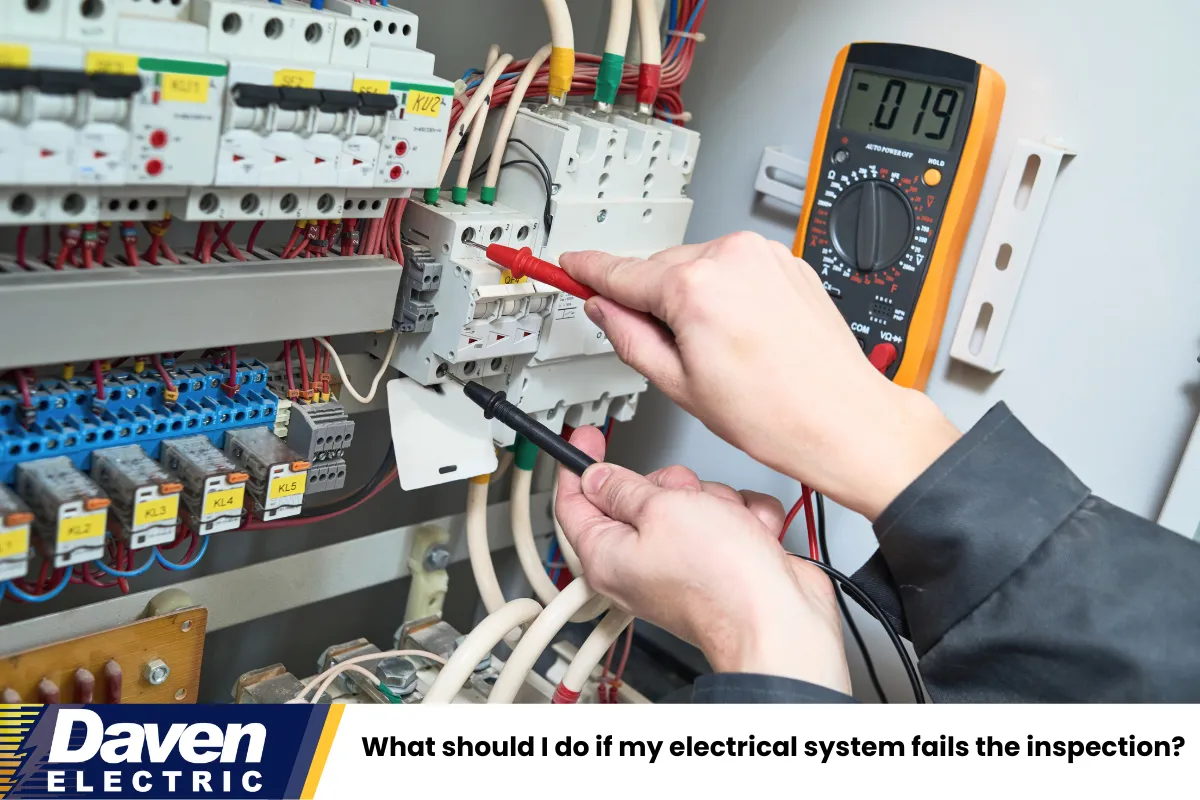
If your electrical system fails the inspection, the electrician will provide you with a report outlining the issues that need to be addressed. Common solutions include rewiring, upgrading the electrical panel, or replacing outdated components. It’s important to address these issues promptly to ensure the safety of your home and property.
4. How long does an electrical inspection take?
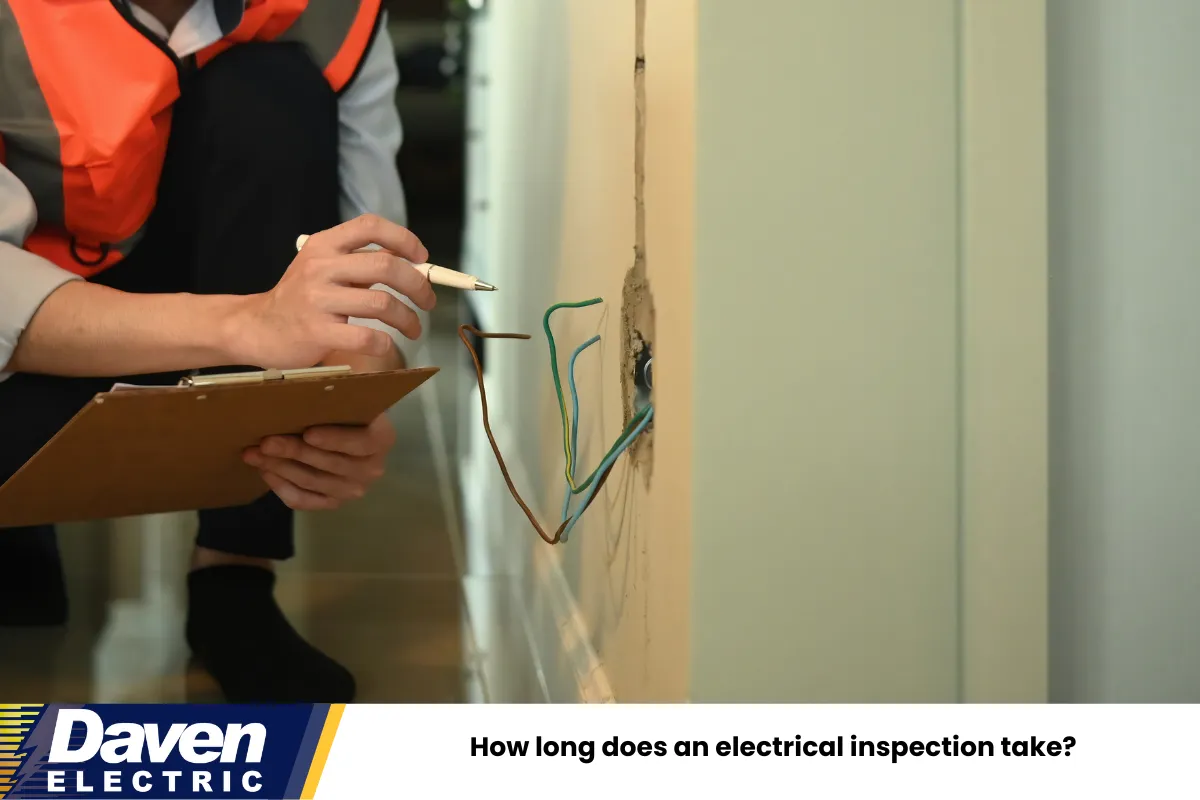
Electrical inspections typically last 1-2 hours, depending on the size and complexity of your home. During this time, the electrician will examine your electrical systems, test outlets and devices, and ensure everything is up to code. Inspections help homeowners understand their electrical needs and ensure everything is functioning efficiently.
5. What are GFCIs and why are they important?
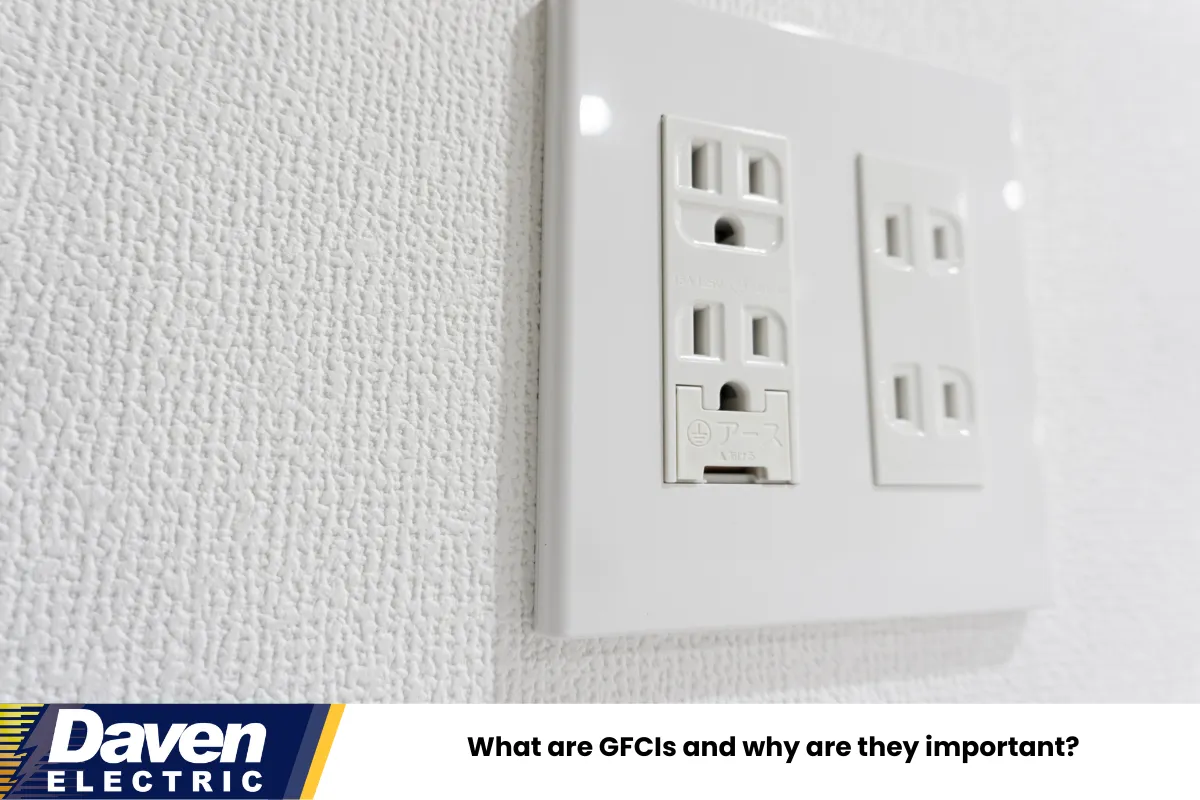
Ground Fault Circuit Interrupters (GFCIs) are safety devices required in wet areas like bathrooms and kitchens. They detect ground faults and shut off power if an electrical fault is detected. GFCIs are essential for preventing electrical shocks in areas where water is present. Licensed electricians ensure that these devices are correctly installed in compliance with local safety standards.
Disclaimer: The information provided in this article is for general informational purposes only. Always consult with a licensed electrician for specific advice and services related to your electrical systems.
Read Commercial Electrician in Brooklyn, NY: What is a Commercial Low-voltage Lighting System?