How a Brooklyn Electrician Can Simplify Your EV Charger Installation
Brooklyn Electrician is your local expert when it comes to safe and professional EV charger installation at home. If you’ve just purchased an electric vehicle, you may be wondering how to install a charger, what steps are involved, and how to ensure everything meets New York’s codes. The process can feel overwhelming—electrical upgrades, permits, and choosing the right equipment are just the start. Many homeowners worry about electrical safety, the risk of improper installation, and the hassle of finding a reliable electrical contractor. That’s where an experienced electrician steps in to guide you through every phase. This article explores the complete process, the challenges you might face, and how hiring a licensed professional ensures your new EV charger is efficient, code-compliant, and ready for use. Let’s walk through what you need to know about home EV charger installation in Brooklyn.
Why Electric Vehicle Charger Installation Matters for Brooklyn Residents
Meeting the Demands of Urban EV Ownership
As electric vehicles become increasingly popular across Brooklyn and the greater New York area, the need for reliable EV charging solutions at home is more important than ever. Unlike traditional gas stations, public charging stations can be limited in number or inconveniently located. This makes a home charging station essential for daily convenience, vehicle longevity, and energy savings.
Navigating Local Electrical Codes and Permits
Brooklyn’s building codes and electrical standards require careful attention. Failing to comply can result in costly rework or even unsafe conditions. A local electrician is knowledgeable about the latest NYC codes, including National Electrical Code (NEC) updates, city permit requirements, and the unique electrical infrastructure of Brooklyn homes. Licensed electrical contractors can help you avoid common pitfalls, handle all required paperwork, and guarantee a smooth inspection process.
Choosing the Right EV Charger for Your Brooklyn Home
Understanding Level 1 vs. Level 2 Chargers
- Level 1 Chargers: Standard with most EVs, these plug into a regular 120-volt household outlet. While affordable, they charge vehicles slowly—typically only 3 to 5 miles of range per hour.
- Level 2 Chargers: Require a 240-volt outlet, similar to a clothes dryer or oven, and offer much faster charging—about 25 to 40 miles per hour, making them ideal for busy urban drivers.
Key Factors When Selecting Your Charging Station
- Vehicle Compatibility: Ensure your chosen charger is compatible with your EV make and model.
- Smart Features: Many modern units offer Wi-Fi connectivity, scheduling, and energy monitoring.
- Outdoor vs. Indoor Use: Outdoor units should be weather-resistant and UL-listed.
- Power Rating: A licensed electrician can help you assess the ideal amperage and capacity for your household’s needs.
The Step-by-Step Process of Home EV Charger Installation
Initial Assessment by a Qualified Electrician
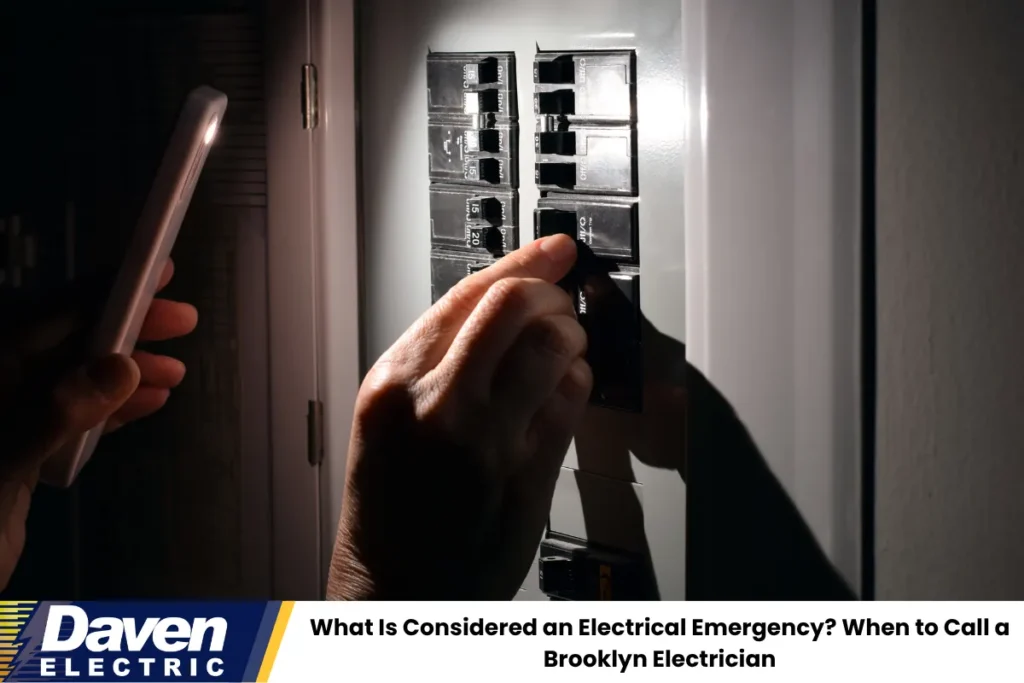
- Home Electrical Evaluation: The process starts with a thorough assessment of your home’s electrical panel, service capacity, and wiring. This helps determine whether your system can support a Level 2 charger without upgrades.
- Site Selection: Your electrician will recommend the best location for installation—considering parking, cable reach, and weather protection.
Electrical Panel Upgrades and Preparation
If your current panel lacks capacity, a licensed electrical contractor may need to upgrade your electrical service. This might include:
- Adding a new 240-volt circuit breaker
- Installing conduit and wiring rated for the charger’s power level
- Ensuring grounding and GFCI protection for safety
Professional Installation of the Charging Station
- Mounting the Charger: Whether indoors or outdoors, mounting must comply with manufacturer guidelines and city codes.
- Wiring and Connections: Professional electricians ensure all wiring is properly rated and installed. Connections to your electrical panel are made safely, and all work is thoroughly tested.
- Permits and Inspections: An essential part of the process, your electrical contractor will obtain all necessary permits and coordinate the required city inspection after installation.
The Importance of Hiring a Licensed Brooklyn Electrician
Why Professional Installation Is Crucial
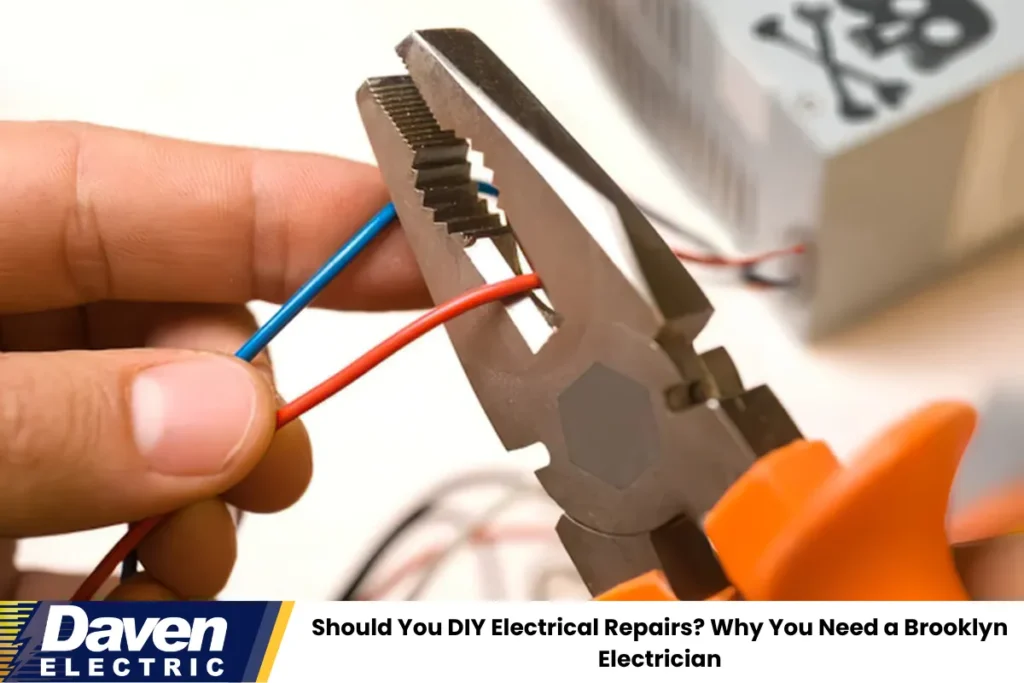
Attempting a DIY installation can lead to hazardous situations, including electrical fires, equipment damage, or invalidated warranties. Only a licensed electrician is authorized to perform such installations in New York City, guaranteeing safety and full compliance.
Benefits of Working with a Local Electrical Contractor
- Expert Knowledge of Local Codes: NYC and Brooklyn-specific regulations can be complex; a qualified contractor is up to date on all requirements.
- Access to Quality Materials: Electrical services in Brooklyn have established relationships with trusted suppliers, ensuring the use of reliable equipment.
- Insurance and Liability Protection: Licensed professionals are insured, providing peace of mind for homeowners.
Read Brooklyn Electrician: Can I Replace My Breaker Myself?
Common Challenges with EV Charger Installations in Brooklyn
Managing Older Electrical Systems
Many Brooklyn homes were built decades ago, featuring outdated wiring and panels. Upgrading these systems is often necessary to handle the increased load from an EV charger. This may involve replacing fuses with modern circuit breakers or upgrading service panels entirely.
Space Constraints and Outdoor Installations
Urban environments can mean limited space, shared driveways, or exposed outdoor locations. An experienced electrical contractor can offer creative solutions, such as compact wall-mounted chargers, weatherproofing, and secure cable management to fit any home setup.
Overcoming Permit Delays
NYC’s permitting process can sometimes cause delays, especially during high-demand periods. Partnering with an electrician who routinely works with local authorities speeds up the process, minimizing downtime and ensuring all legal requirements are met.
Maximizing Efficiency and Safety with Smart Charger Installation
Integrating Smart Technology for Better Control
Smart EV chargers offer benefits like:
- Scheduled charging to take advantage of lower energy rates
- Mobile app control for convenience
- Real-time usage monitoring to avoid overloading circuits
Maintaining System Safety
A reputable electrical contractor will test all components after installation, checking for correct voltage, current draw, and fault protection. This guarantees the system operates efficiently without tripping breakers or causing unnecessary wear on your home’s electrical infrastructure.
Financial Incentives and Rebates for EV Charger Installation
Exploring Federal, State, and Utility Incentives
Many Brooklyn residents may qualify for tax credits, rebates, or utility company incentives for EV charger installation. These programs can cover a portion of the equipment and installation costs, reducing the overall investment.
How an Electrician Can Help You Apply
Your electrician will be familiar with current incentives and can often help you gather the required documentation for rebate applications, making the process hassle-free.
Steps to Take Before Scheduling Your Installation
Evaluate Your Daily Driving Needs
Assess how often you drive and how much range you typically require. This will help determine if a Level 1 or Level 2 charger is best for you.
Gather Essential Information
- Your vehicle’s charging specifications
- Your home’s electrical panel details (amperage, space for new breakers)
- Preferred installation location (garage, driveway, carport)
Schedule a Professional Site Visit
Contact a trusted Brooklyn electrician for an on-site consultation and quote. This visit allows for accurate assessment and ensures there are no surprises during installation.
Ready for Your Home EV Charger? Here’s How to Start the Process in Brooklyn
The decision to install an EV charger at home can add value to your property, make daily driving easier, and support a greener future. By working with an experienced Brooklyn electrician, you gain the benefits of safe installation, adherence to all local regulations, and access to the best equipment for your needs. Start by assessing your electrical system, choosing the right charger, and booking a professional site visit. From permit applications to final inspection, your electrical contractor is with you every step of the way—ensuring your home is ready for the next era of driving. Don’t wait to enjoy the full convenience of home charging; let a local expert handle the details, so you can focus on what matters most.
Brooklyn Electrician – Daven Electric Corp.
Looking for a reliable electrician in Brooklyn or the surrounding areas? Daven Electric Corp. provides fast, professional electrical services, including expert EV charger installation for your home. Our licensed electrical contractors have years of experience handling complex projects, ensuring each installation meets strict safety and city code requirements. We prioritize customer satisfaction, offering flexible scheduling, transparent pricing, and personalized solutions for every property. Whether you need a new Level 2 charger, a panel upgrade, or troubleshooting for existing electrical systems, our team is ready to help. Call us today at (212) 390-1106 or fill out our easy online contact form to schedule your free estimate. Choose Daven Electric Corp. for efficient service and peace of mind from your trusted local electrician.
Frequently Asked Questions
1. How long does it take to install an EV charger at home?
A typical EV charger installation in Brooklyn usually takes between 2 and 6 hours, depending on your home’s existing electrical setup and whether any panel upgrades are needed. If your electrical panel requires additional work or a permit is delayed, the process may extend by a few days. Your electrician will provide a more accurate estimate after an initial inspection, ensuring the project is completed efficiently and in line with city requirements.
2. Do I need a permit to install an EV charger in Brooklyn?
Yes, a permit is required for most Level 2 EV charger installations in Brooklyn. The permit ensures that the electrical work complies with local and national codes and will be inspected by a city official after completion. Your licensed electrical contractor will handle the permitting process, file all necessary paperwork, and schedule inspections, making it simple for homeowners to stay compliant with the law.
3. Can I install an EV charger outdoors in Brooklyn?
Absolutely. Many homeowners choose outdoor installations for convenience, especially if parking is not available in a garage. Outdoor chargers must be weatherproof and rated for exterior use. Your electrician will select an appropriate unit and ensure proper mounting, sealing, and wiring to prevent water intrusion and withstand New York’s seasonal weather changes.
4. What if my electrical panel doesn’t have enough capacity for a new charger?
If your panel lacks sufficient capacity, your electrician will recommend a service upgrade or panel replacement. This may involve increasing the amperage of your main electrical service or adding a sub-panel dedicated to EV charging. The upgrade process is routine for experienced electrical contractors and ensures your system is safe and future-proof for additional electrical needs.
5. Are there maintenance requirements for home EV chargers?
Home EV chargers require minimal maintenance, but regular checks are recommended. Your electrician may suggest periodic inspections to verify the charger, wiring, and connections remain in good condition. Cleaning the unit, checking for visible damage, and updating any smart charger firmware are also good practices to ensure continued safety and performance.
Disclaimer: This article is intended for informational purposes only and should not be considered legal or electrical advice. Always consult a licensed electrician or qualified electrical contractor for specific recommendations regarding EV charger installation or electrical services in your home. Requirements and regulations may vary based on your local building codes and the condition of your electrical system.
Read Manhattan Commercial Electrician Answers: Are GFCI Outlets Required in All Properties?