Breaker issues are one of the most common electrical concerns in commercial buildings, and they require the skill and precision of a commercial electrician to diagnose properly. In Brooklyn, where historic buildings meet modern infrastructure, these electrical challenges are even more complex. Diagnosing and repairing breaker problems isn’t just about flipping switches—it involves a deep understanding of electrical systems, safety standards, and local building codes.
This article will walk you through everything a commercial electrician does to assess breaker issues, explain the causes behind these problems, and detail how Brooklyn’s unique urban landscape plays a role in electrical diagnostics and repairs.
What Causes Breaker Problems in Brooklyn’s Commercial Buildings?
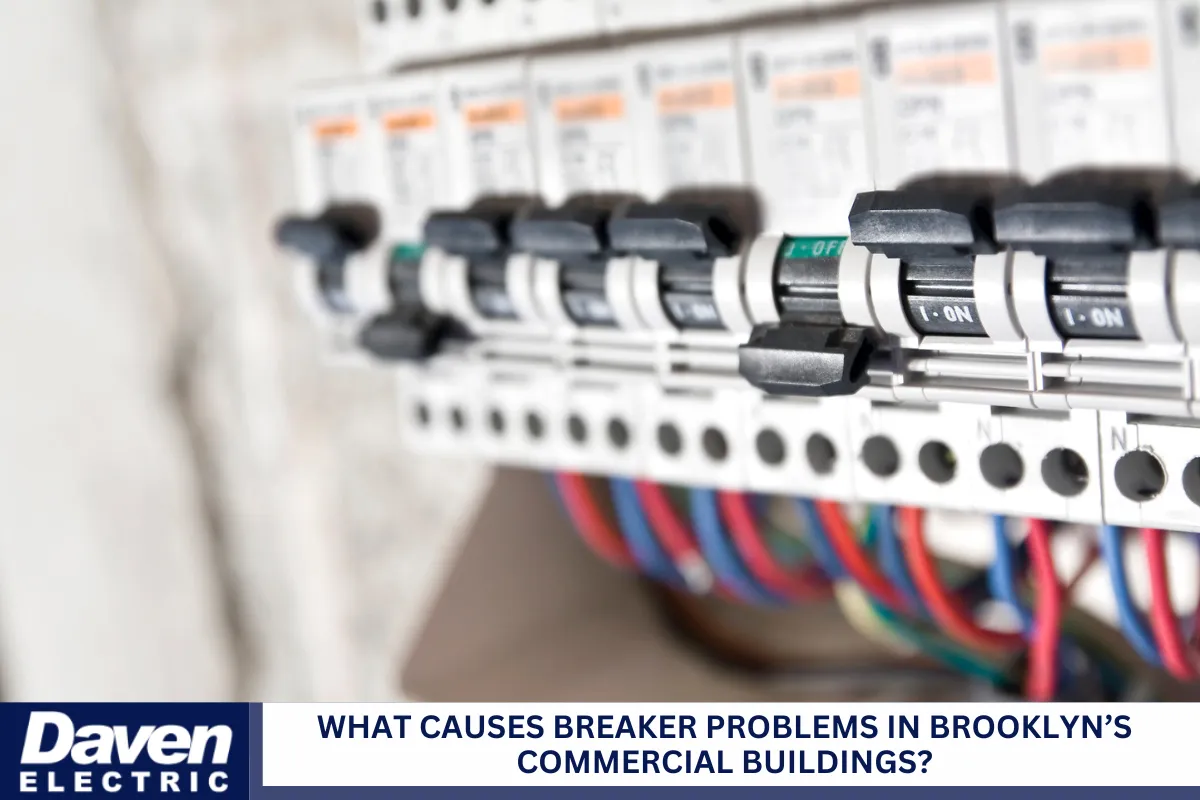
Breaker issues in commercial properties don’t just happen out of the blue. They often stem from underlying issues that have been developing over time. In Brooklyn, a borough renowned for its aging buildings and burgeoning commercial developments, these causes vary significantly depending on the property’s structure and electrical load requirements.
Outdated Wiring Systems
Many buildings in Brooklyn still rely on electrical wiring installed decades ago. These systems were never designed to handle the kind of electrical load that modern businesses require today. Over time, insulation around wires deteriorates, metal components corrode, and circuit protection becomes unreliable. Outdated wiring doesn’t just trip breakers—it can lead to short circuits, frequent power interruptions, and even fire hazards.
Circuit Overload from Heavy Usage
Commercial properties, such as restaurants, retail shops, and office buildings, often utilize a wide range of electrical equipment simultaneously. When multiple high-wattage devices are connected to the same circuit, it causes an overload. Breakers are designed to trip in this situation as a safety measure to prevent overheating and potential electrical fires. In many Brooklyn commercial spaces, especially those renovated for modern use, this kind of overload is a frequent concern.
Short Circuits and Ground Faults
A short circuit occurs when a live wire touches a neutral wire, creating a high current flow that causes the breaker to trip instantly. Ground faults occur when a live wire comes into contact with a grounded part of the system, such as a metal conduit. These issues are particularly dangerous and must be identified quickly. Commercial electricians are trained to locate the exact point of fault and determine whether it’s due to faulty equipment, damaged wires, or improper installations.
Environmental Impact on Electrical Systems
Brooklyn’s seasonal temperature swings—hot summers and cold winters—can put additional stress on electrical components. Humidity, moisture ingress, and temperature fluctuations can lead to expansion and contraction in wires and connections, increasing the risk of loose terminals and corrosion in breaker panels. These environmental effects can trigger intermittent electrical faults that are difficult to diagnose without the right tools and expertise.
The Step-by-Step Diagnostic Process of a Commercial Electrician
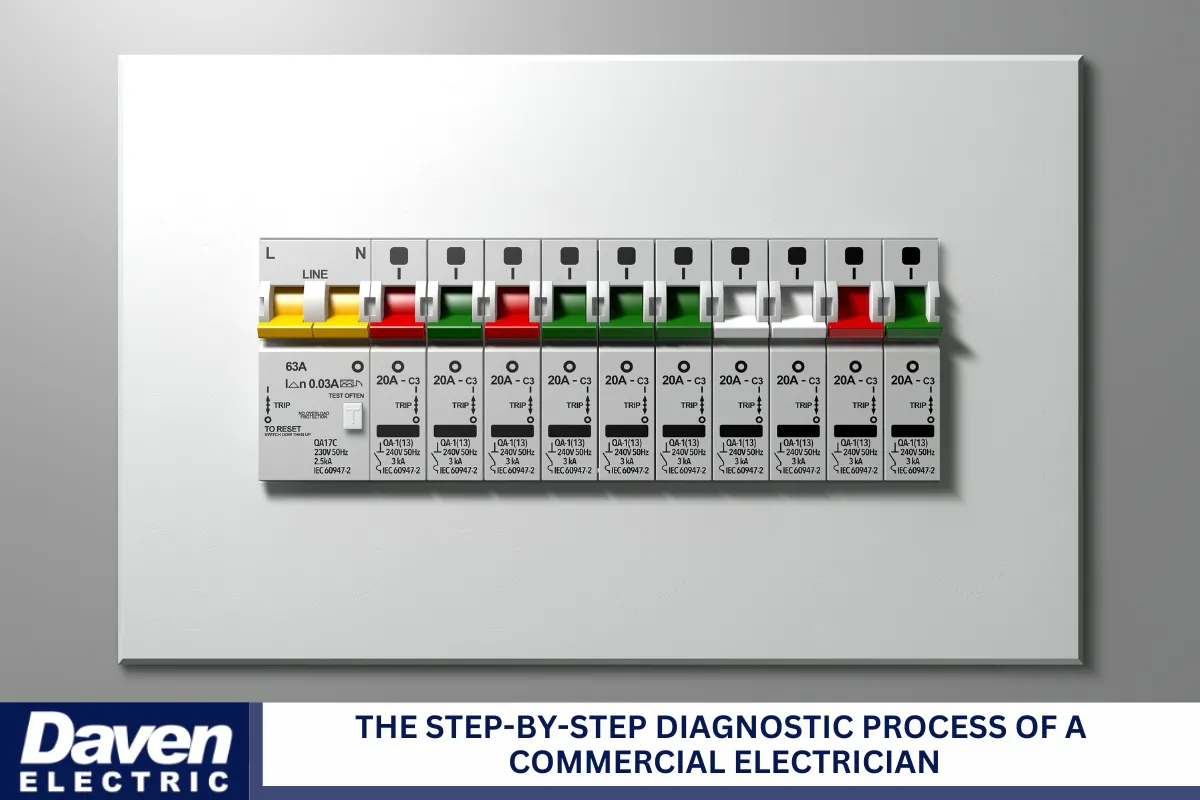
Professional diagnosis isn’t a guessing game. Commercial electricians follow a step-by-step process, utilizing specialized tools and applying their knowledge to identify the cause of breaker problems accurately. Here’s a detailed breakdown of what that process looks like in a Brooklyn commercial setting.
Comprehensive Visual Inspection
The diagnostic process begins with a thorough visual inspection of the breaker panel and its associated electrical components. The electrician looks for signs of physical damage, burnt marks, unusual smells, or corrosion. They’ll also inspect outlets, switches, and the surrounding environment for visible issues that may be contributing to the breaker malfunction. This initial assessment helps them gather context before diving deeper into the system.
Circuit Mapping and Load Analysis
Once the surface-level inspection is complete, the next step is to map the entire circuit layout. This is especially important in older Brooklyn properties, where building renovations may have altered the original wiring configuration. By tracing how circuits are distributed and which devices are connected to each breaker, electricians can determine whether the issue stems from overloading or improper power distribution.
Load analysis involves measuring the amount of current each device or appliance draws. The electrician calculates the total load on each circuit and compares it to the breaker’s capacity. If the usage exceeds safe limits, the circuit is considered overloaded.
Testing Breaker Functionality
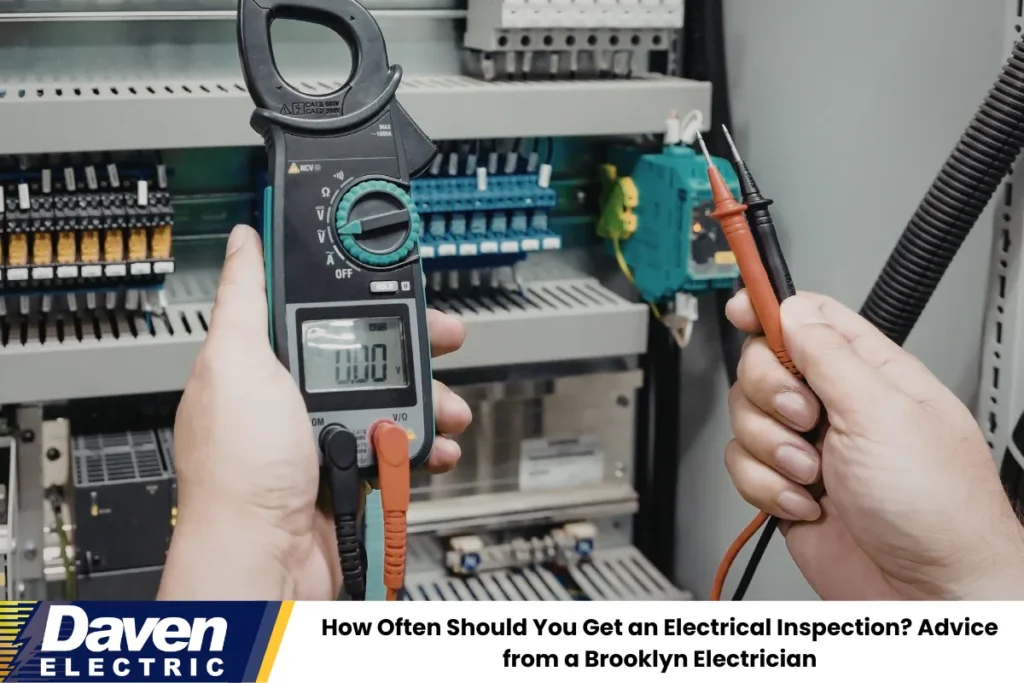
Breakers can wear out over time, especially when they’ve been tripping frequently. Commercial electricians use a digital multimeter or circuit tester to check if a breaker is functioning properly. A healthy breaker will allow the correct voltage to pass through when turned on. At the same time, a faulty one may show no continuity or fluctuate under load. Testing helps confirm whether the breaker itself is faulty or if the problem lies elsewhere in the system.
Thermal Imaging and Hot Spot Detection
Modern commercial electricians often carry thermal imaging tools to detect abnormal heat levels in panels and wiring. Overheating is a common symptom of overloaded circuits or loose connections, and thermal imaging allows them to see issues that aren’t visible to the naked eye. This method is incredibly useful for identifying problems early—before they escalate into dangerous situations.
Component-Level Testing
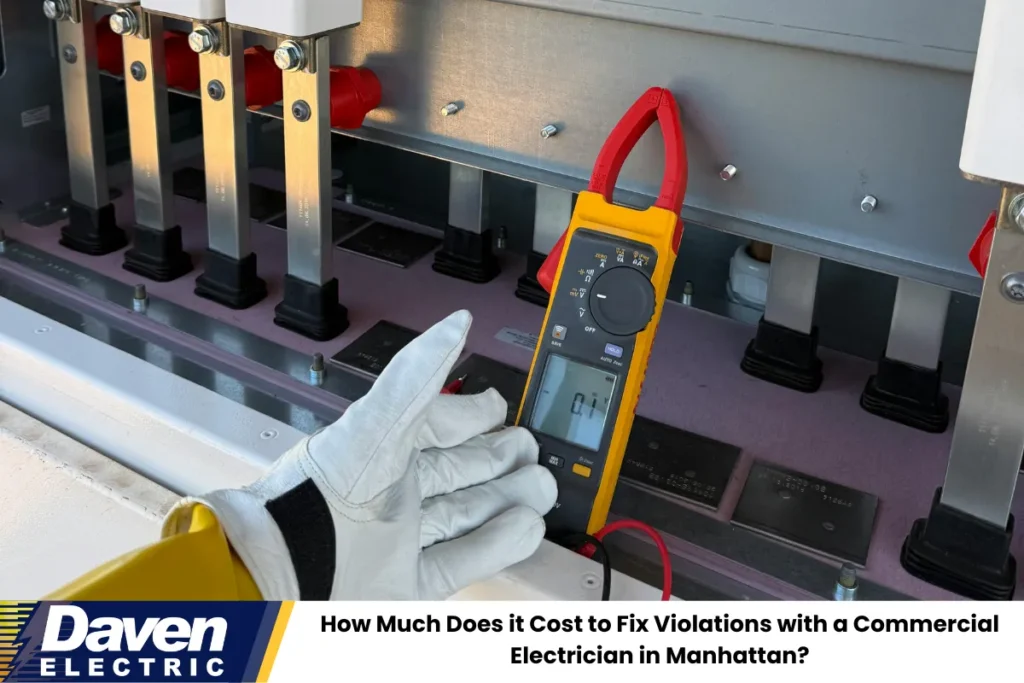
Beyond the panel and breakers, electricians test each component connected to the problematic circuit. This includes outlets, switches, appliances, and even lighting fixtures. Using tools such as clamp meters and insulation testers, they measure resistance, current flow, and insulation quality to ensure each component functions safely and efficiently.
Tools Used by Commercial Electricians in Brooklyn
Every commercial electrician relies on a toolkit designed for precision, safety, and speed. In Brooklyn’s diverse building landscape, these tools help ensure accurate diagnosis and quick resolution.
- Digital Multimeter – Measures voltage, resistance, and current across circuits.
- Clamp Meter – Detects current flow without requiring disconnection of wiring.
- Infrared Thermal Camera – Identifies hot spots in panels and wires.
- Circuit Tracer – Locates wires and identifies which breaker controls each outlet.
- Load Tester – Simulates heavy power usage to test the system’s capacity.
Having the right tools is essential, but it’s the expertise of the commercial electrician that brings everything together. Diagnosing breaker issues requires not only the right equipment but also experience in accurately reading and interpreting results.
Common Electrical Repairs for Breaker-Related Problems
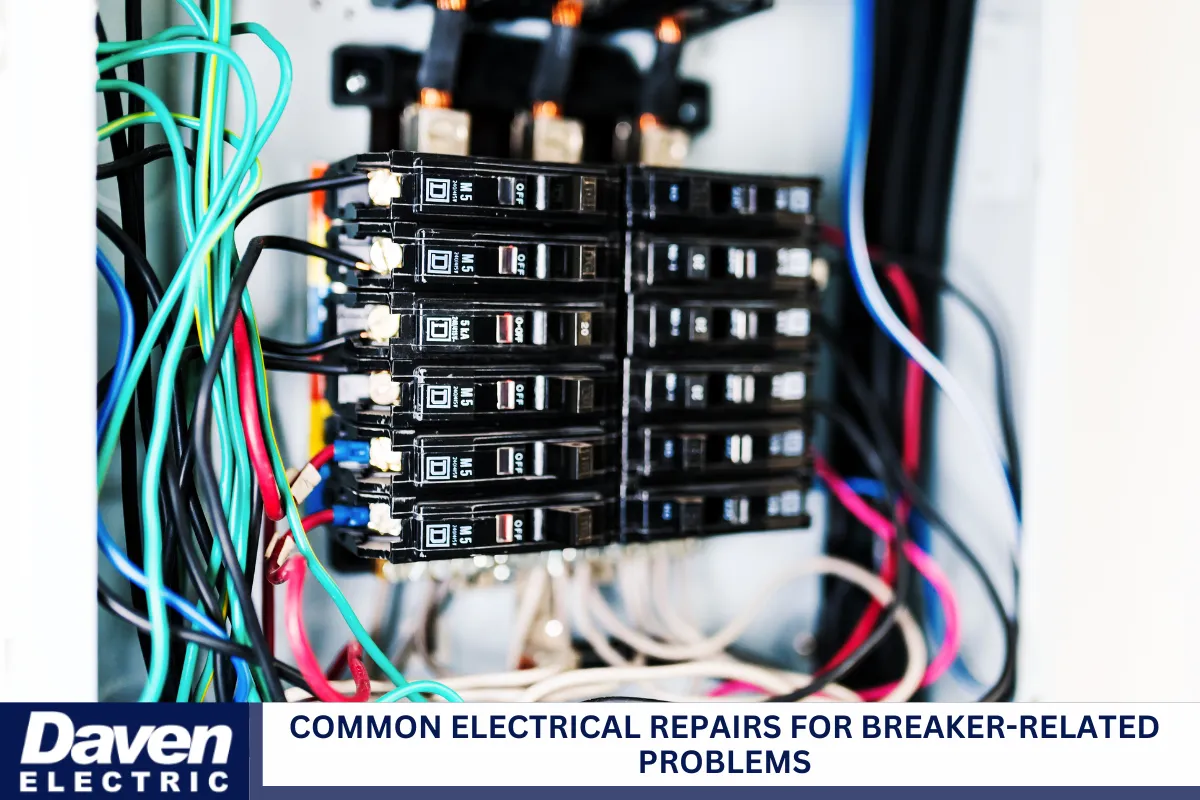
Once the diagnosis is complete, commercial electricians take corrective action based on their findings. The goal is to restore safe, consistent electrical function without disrupting your business operations.
Breaker Replacement
Old, damaged, or malfunctioning breakers are replaced with modern, properly rated units. Electricians also check if the replacement needs to be a standard breaker, GFCI (Ground Fault Circuit Interrupter), or AFCI (Arc Fault Circuit Interrupter), depending on the circuit’s use and code requirements.
Panel Upgrades
In buildings where the existing panel can no longer handle the load or meet safety standards, a full upgrade may be necessary. This involves replacing the panel with one that has higher capacity, updated technology, and better thermal management.
Load Redistribution and Circuit Isolation
Suppose certain circuits are carrying too much load. In that case, the electrician redistributes the load across other circuits or installs additional breakers to alleviate the overload. This reduces the likelihood of future trips and helps balance the energy use more efficiently across the property.
Wiring Repairs and Replacements
Any damaged or degraded wiring found during diagnostics is repaired or replaced as necessary. This includes addressing frayed insulation, loose connections, or corrosion—all of which can lead to frequent breaker trips and serious safety hazards.
Understanding Local Codes and Safety Standards
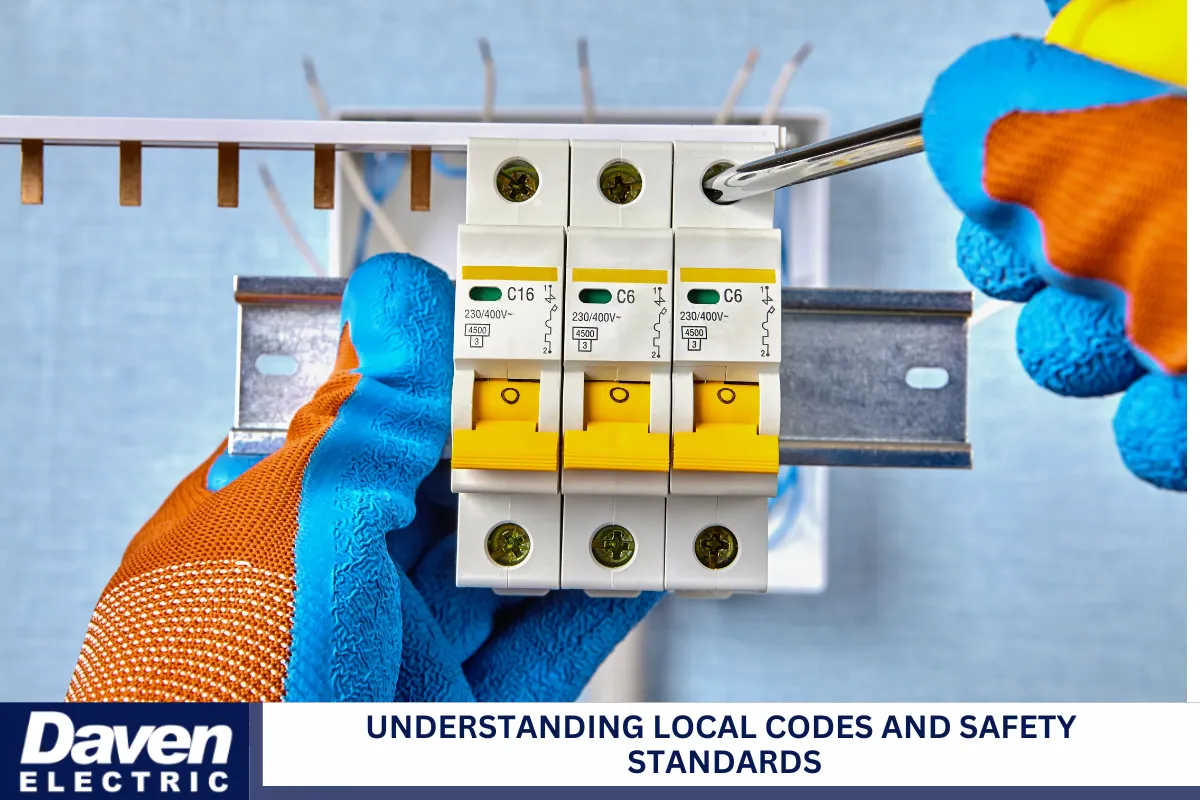
Every repair and diagnosis performed by a commercial electrician in Brooklyn must comply with both city and state electrical codes. The New York City Electrical Code, based on the National Electrical Code (NEC), includes additional amendments tailored to the urban environment.
Permitting and Inspection Requirements
Major electrical work, such as panel upgrades or new circuit installations, requires city permits and inspection by a certified inspector. The commercial electrician manages this process, ensuring all paperwork, scheduling, and approvals are handled properly.
Utility Coordination with Con Edison
For service upgrades or changes affecting utility connections, electricians coordinate directly with Con Edison, Brooklyn’s primary power provider. This ensures seamless integration with the broader grid and prevents future service issues.
When Should You Call a Commercial Electrician?
Recognizing the signs of a serious breaker problem is crucial. Here are common indicators that it’s time to bring in a professional:
- Breakers frequently trip without a clear cause
- Light fixtures flicker or dim when equipment is used
- Outlets are warm to the touch or emit a burning smell
- Electrical devices overheat or shut down randomly
- You’ve added new equipment or remodeled space recently
Ignoring these signs can lead to electrical fires, system failures, or code violations. Prompt diagnosis by a qualified commercial electrician ensures your Brooklyn property stays safe and operational.
Preventing Breaker Issues in the Future
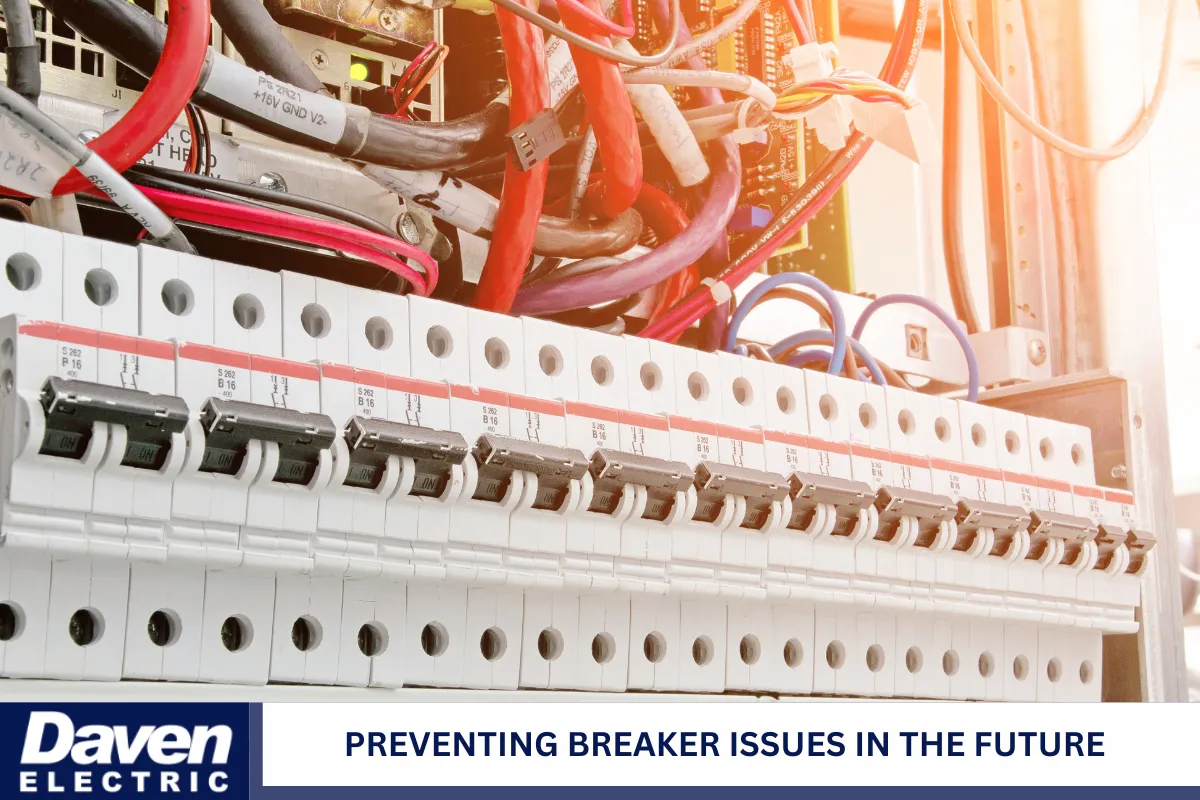
Preventive maintenance is key to avoiding electrical disruptions. Commercial electricians offer proactive services designed to keep systems running smoothly.
- Scheduled Inspections: Regular inspections help catch issues before they become emergencies.
- Load Balancing Plans: Strategic power distribution avoids overloads on critical circuits.
- Power Monitoring Systems: These devices track energy usage in real time and alert staff to any abnormalities.
- Surge Protection: Protects expensive equipment from power surges caused by storms or utility faults.
A Look at Brooklyn’s Unique Electrical Landscape
Brooklyn’s architecture is a blend of historic and high-tech elements. Diagnosing electrical issues in this borough requires familiarity with both outdated infrastructure and advanced commercial systems.
Electricians must often work within tight spaces, around structural limitations, and with limited documentation. The ability to adapt and think critically is just as important as technical know-how. Local experience gives commercial electricians a significant edge when troubleshooting issues in buildings that have evolved through decades of retrofits and code changes.
Why Accurate Diagnosis Matters
The process of diagnosing breaker issues isn’t just a technical task—it’s a safeguard for the safety, efficiency, and productivity of your commercial space. In a bustling place like Brooklyn, where time is money and reliability matters, trusting a seasoned commercial electrician can make all the difference.
From uncovering hidden faults to implementing long-term solutions, the role of the commercial electrician extends far beyond flipping a few switches. It’s about understanding the property, the system, and the local conditions to deliver lasting results. With the right professional, you can maintain a dependable power supply and prevent future electrical problems before they even start.
Brooklyn Commercial Electrician – Daven Electric Corp
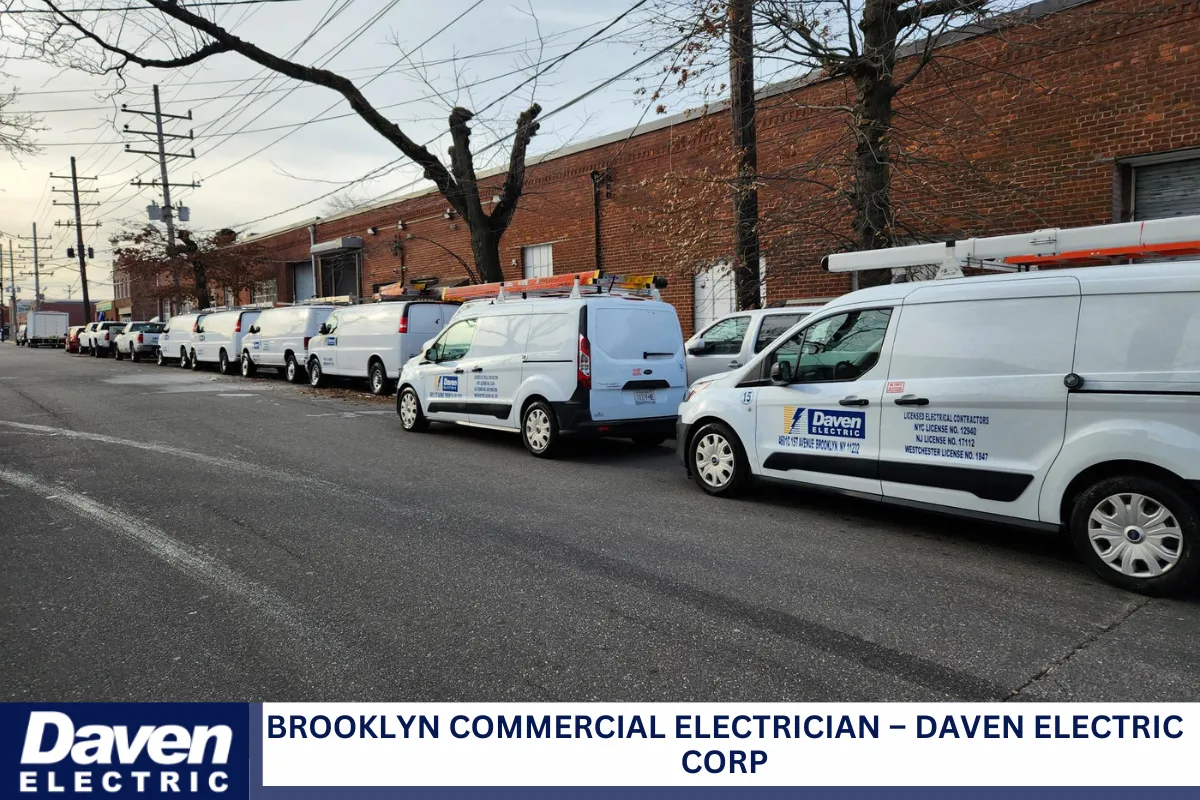
Looking for reliable, skilled, and professional service in Brooklyn? Daven Electric Corp has you covered! Our team of certified commercial electricians understands the unique challenges of Brooklyn buildings—from classic brownstones to modern high-rises.
We specialize in diagnosing, repairing, and upgrading electrical systems with precision and care. Whether it’s a one-time fix or an ongoing maintenance plan, we’re equipped to handle all your commercial electrical needs.
Contact us at (718) 705-4531 to speak with a Brooklyn commercial electrician today!
Frequently Asked Questions About Breaker Problems and Commercial Electrical Systems in Brooklyn
1. Why does my commercial building keep experiencing power outages and breaker trips?
Frequent power outages and breaker trips often indicate deeper electrical issues within your building’s electrical system. In Brooklyn, where many commercial buildings still rely on outdated fuse panels or older electrical wiring, this issue is particularly prevalent.
Here are some primary causes:
- Overloaded circuits from modern devices running on legacy systems
- Faulty wiring or deteriorating insulation
- Undersized or outdated electrical panels unable to meet the current electrical capacity demands
- Lighting systems or HVAC units drawing too much power
Additionally, repeated tripping could be a warning sign of an underlying electrical issue, especially if accompanied by flickering lights or a burning smell near the breaker box.
To fix this, a licensed commercial electrician will likely:
- Perform a detailed electrical inspection
- Test the circuit breaker and electrical panel parts
- Map out all circuits for potential wiring troubleshooting
This ensures safe, code-compliant, and long-lasting electrical repair.
2. What safety risks should I be aware of if my breakers are malfunctioning?
Malfunctioning circuit breakers pose significant safety risks, particularly in commercial spaces with high-density equipment usage and heavy foot traffic. When breakers don’t trip properly or trip too often, it can signal:
- Potential for electrical shocks
- Worn-out or outdated breaker boxes or fuse boxes
- Internal arc faults or short circuits
- Build-up of heat that may lead to fire
Neglecting these problems can turn minor electrical issues into costly hazards. Other safety concerns include:
- Lighting installations are overheating due to overloaded circuits
- Hidden damage behind walls from past electrical surges
- Exposed or degraded electrical wiring poses shock hazards
Every commercial property should establish strong safety protocols, including:
- Regular preventative maintenance
- Installing surge protectors
- Upgrading to modern electrical panels
- Scheduling routine electrical inspections
Taking these safety measures helps maintain compliance, avoids downtime, and protects both people and property from serious electrical accidents.
3. How does a commercial electrician troubleshoot breaker-related electrical problems?
A professional commercial electrician in Brooklyn follows a precise diagnostic approach when troubleshooting electrical issues related to breakers. This is especially important in properties with layered or outdated commercial electrical systems.
Here’s how the process typically unfolds:
- Visual Inspection – Examining the breaker box, wires, and electrical panel parts for signs of wear, corrosion, or overheating.
- Circuit Load Testing – Checking for overloaded circuits and mapping load distribution across the building.
- Wiring Troubleshooting – Identifying damaged electrical wiring, loose connections, or faulty installations.
- Thermal Imaging – Detecting unseen hot spots in panels or junctions.
- Breaker Testing – Verifying functionality and sensitivity of each circuit breaker.
Advanced tools used may include:
- Clamp meters
- Digital multimeters
- Circuit tracers
They also check connected systems, such as lighting setups, appliances, and HVAC units. Recommendations often include new installations, upgrades, or full panel replacements to improve electrical performance and ensure long-term safety.
4. What are the signs of a failing electrical panel in a commercial building?
A deteriorating or outdated electrical panel can lead to system instability and even an electrical emergency. Recognizing the signs early can help avoid major disruptions and repair costs.
Common symptoms of panel failure include:
- Constantly tripping circuit breakers
- Buzzing or crackling noises from the breaker box
- Flickering lights throughout the property
- Signs of burnt or melted electrical panel parts
- Discoloration or a burning smell near the fuse box or panel
When a panel can’t handle the building’s electrical capacity, you’ll likely see more frequent electrical surges and reduced electrical performance. Brooklyn’s older commercial properties often rely on aged panels that were never meant to support modern lighting solutions, computers, or industrial equipment.
A qualified commercial electrician may recommend:
- Replacing the panel entirely
- Upgrading from a fuse panel to a breaker system
- Expanding the system to include more circuits
- Improving safety with updated lighting technology and smart controls
5. How often should electrical inspections be done on a commercial property?
Routine electrical inspections are vital for maintaining the health of any commercial electrical system. In Brooklyn, where older buildings and renovations are common, experts recommend a full inspection at least once every 1 to 3 years, depending on the property size and usage.
During an inspection, a commercial electrician will:
- Evaluate circuit breakers and the electrical panel load
- Check for outdated or faulty wiring
- Identify potential hazards like electrical shocks or arc faults
- Test lighting systems and emergency lights
- Confirm proper grounding and bonding
High-use buildings such as restaurants, data centers, or retail stores should schedule inspections more frequently, especially if they’ve recently had:
- New installations
- Equipment upgrades
- Layout changes affecting lighting setups or power draw
Regular inspections also support preventive maintenance, allowing small issues to be addressed before they escalate into a full power outage or fire. They also ensure compliance with NYC electrical codes and modern safety protocols. Read more: Commercial Electrician: Warning Signs Your Brooklyn Office Needs an Electrical Panel Upgrade