Why Hidden Electrical Problems in Brooklyn Homes Can’t Wait
A Brooklyn electrician will tell you the same thing every time: the most dangerous electrical problems are the ones you never see. Behind your walls, above your ceilings, and inside aging panels, loose connections, degraded wiring, and overloaded circuits quietly build toward failure. In a borough where roughly 43 percent of accidental residential fires trace back to electrical causes, that silence is anything but safe. Think about the brownstone with a breaker panel that hums at night, or the renovated apartment where nobody pulled permits for the new kitchen wiring. Electrical malfunctions are a leading cause of house fires in the U.S., and Brooklyn’s older housing stock raises the stakes even higher. This guide walks you through simple at-home checks you can do today and draws a clear line for when to stop and call a residential electrician for a full inspection. Every recommendation follows current Brooklyn, New York electrical codes because cutting corners on electrical work is both unsafe and illegal.
Key Takeaways
- Flickering lights, frequent circuit breaker trips, buzzing sounds, hot outlets, and funny odors are top warning signs of hidden electrical problems that demand attention.
- Some basic checks are safe for homeowners, but anything involving the electrical panel or wiring inside walls should be left to a licensed electrician familiar with Brooklyn codes.
- Identifying hidden electrical problems early can prevent costly repairs and fire hazards, especially in older homes with outdated wiring.
- Electrical codes in New York City regulate safety standards for wiring and upgrades, and all permitted work must be completed by a qualified professional.
- This guide explains when to call an emergency electrician versus scheduling a routine electrical service visit.
Safety First: Precautions Before You Inspect Anything
Electricity can kill. Before you look at a single outlet, understand that homeowners should never go beyond basic visual checks and plug-and-play tasks. Here are the ground rules:
- Turn off power at the correct circuit breaker before touching any outlet, switch, or fixture.
- Never work on live wires under any circumstances.
- Stay away from wet areas when inspecting electrical components.
- Use only insulated tools rated for electrical work.
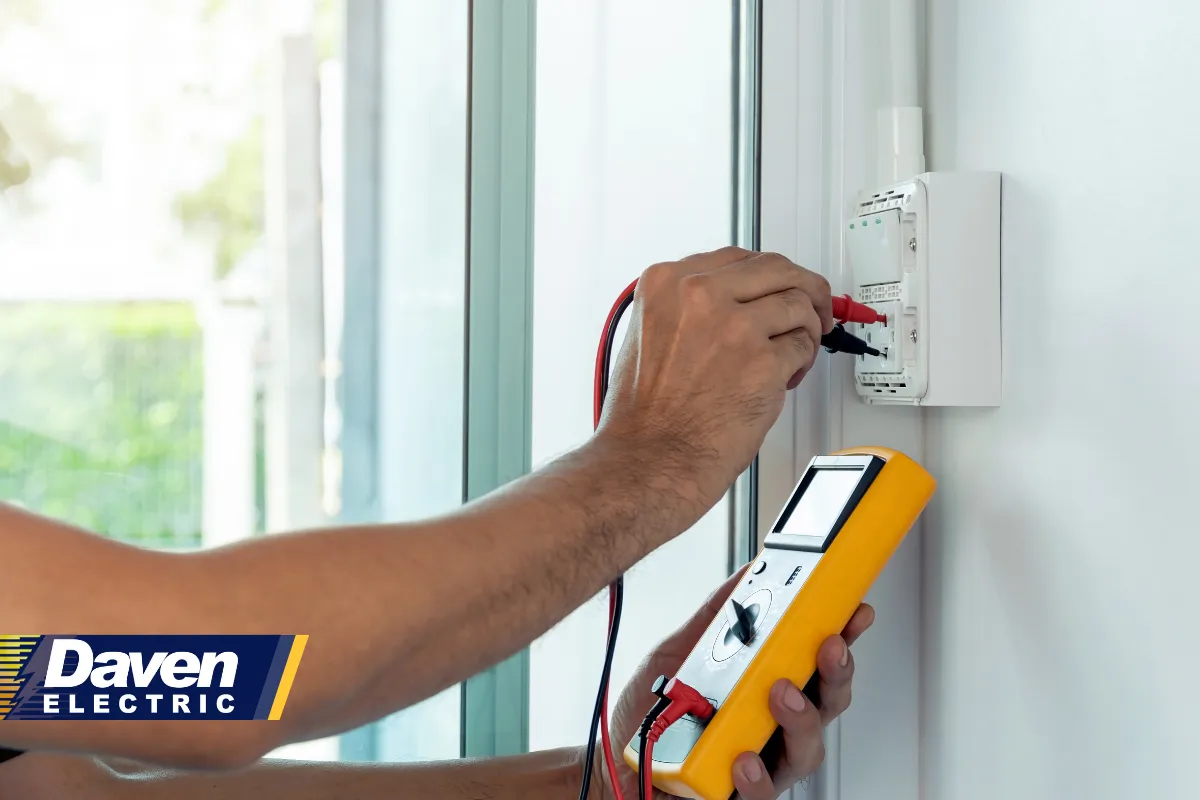
Do not remove the cover of your electrical panel or any junction boxes unless you hold proper training and licensing. If you own a non-contact voltage tester, always verify it works by testing it on a known live outlet first. Then use it to confirm that power is off at the outlet you plan to check.
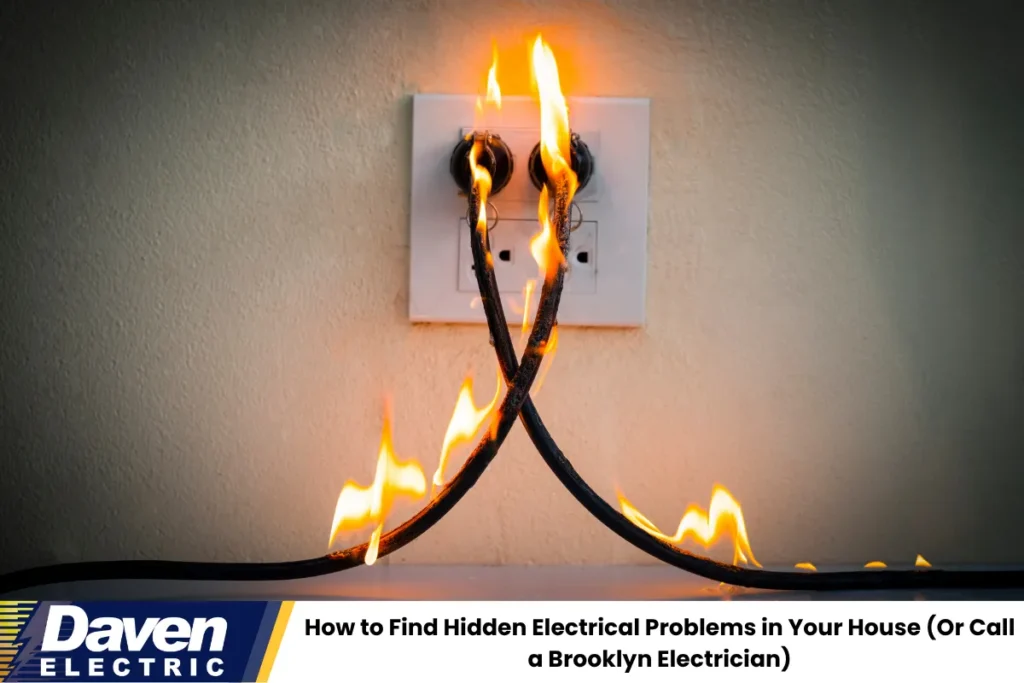
Any sign of burning, smoke, sparking outlets, or a buzzing breaker panel should trigger an immediate call to an emergency electrician. These conditions can escalate to fire within minutes.
Visual Checks Around the House: Simple Signs You Can Spot Today
Many dangerous electrical issues reveal themselves through nothing more than a careful walk-through. Methods for detecting hidden electrical issues include visual inspection and sensory checks that any homeowner can perform without special equipment.
Start with these observations:
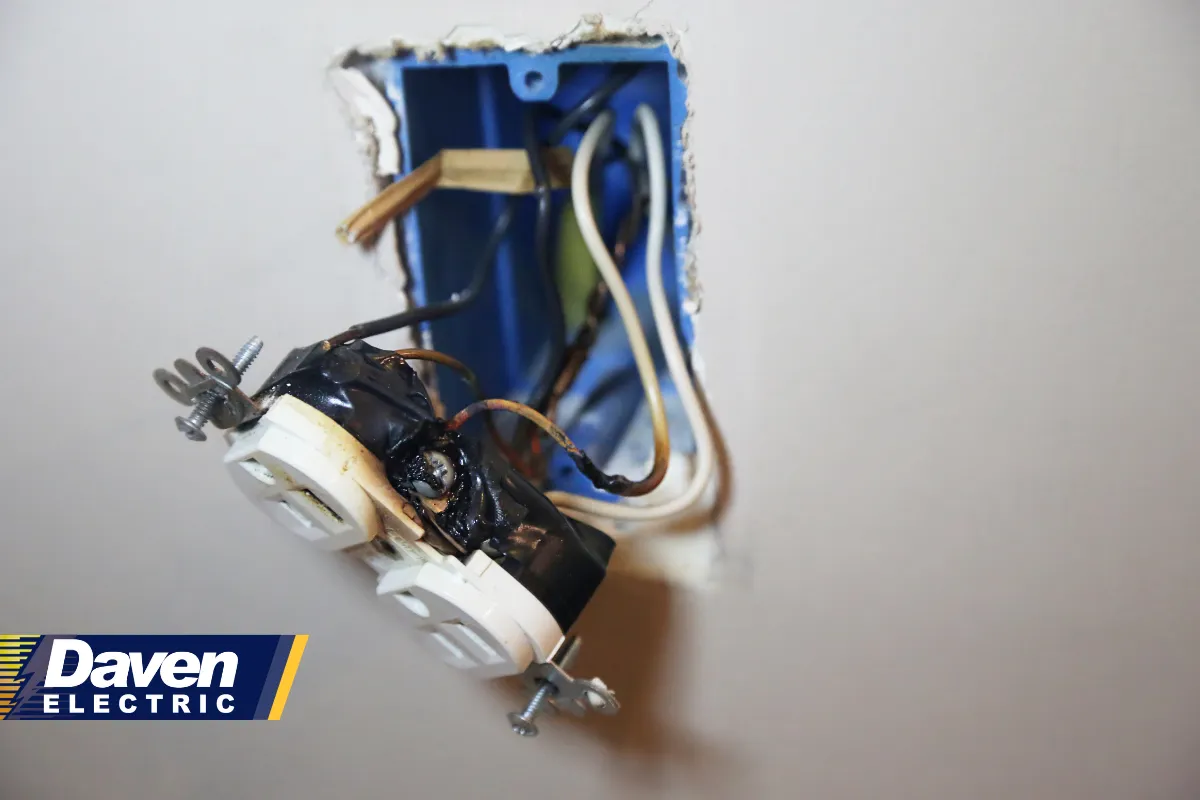
- Look for discoloration or scorch marks around outlets, switch plates, and light fixtures. These markings often appear near aging receptacles and older fabric-covered cables.
- Check for loose outlets and broken switches. Faceplates that shift when you touch them, plugs that fall out under their own weight, and switches that crackle or fail to engage consistently all point to internal wiring problems.
- Inspect for rodent damage in basements, crawl spaces, and utility closets. Gnaw marks, droppings near wiring runs, or visible chew damage on cables are serious concerns. Rodent damage to wiring creates fire hazards that remain hidden until a short circuit or arc fault occurs.
- Note whether you see any two-prong outlets. Using two-prong outlets is a sign of ungrounded wiring that is unsafe for modern electronics and appliances.
Document every issue with clear photos and a written list. When you eventually contact an electrical contractor, this record lets them quickly understand and prioritize the repair work your house needs.
Flickering Lights, Hot Outlets, and Weird Smells: Interpreting Common Warning Signs
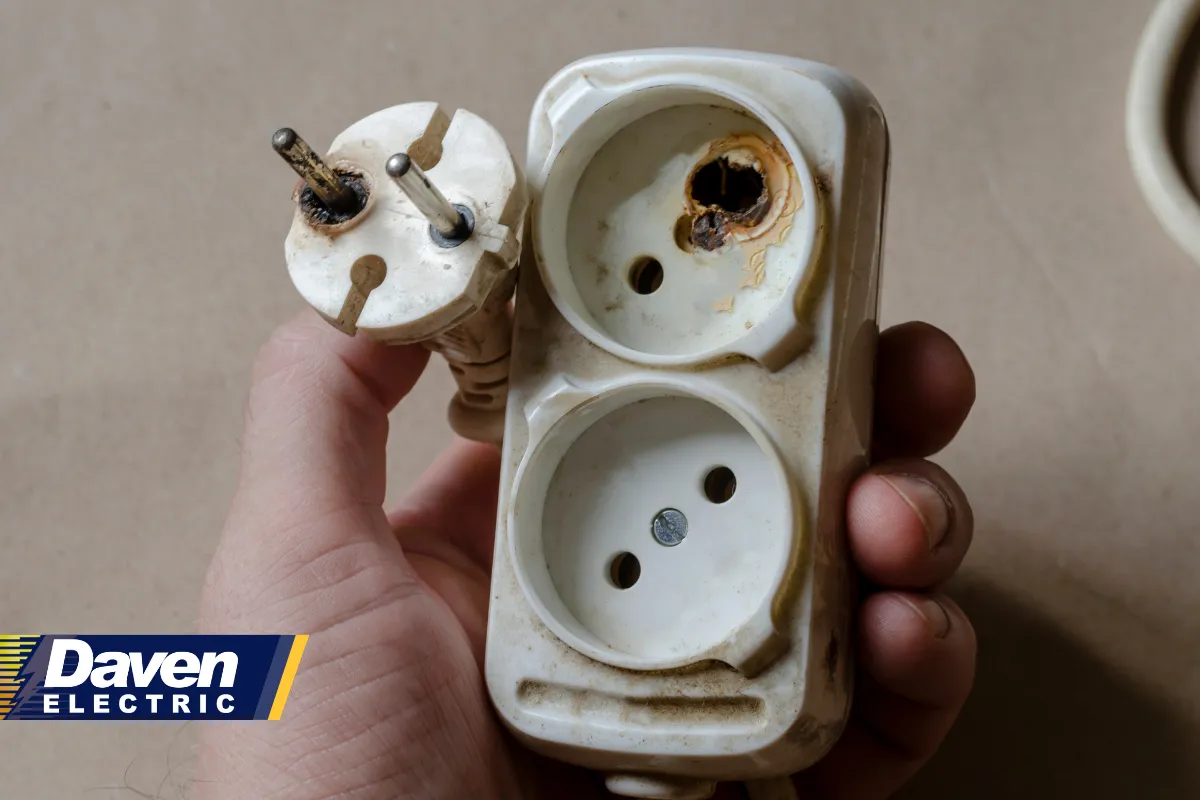
Everyday annoyances like flickering lights, warm switch plates, and funny odors are not minor inconveniences. They are warning signs that your home’s electrical system may be failing behind finished surfaces.
Flickering and Dimming
Flickering lights suggest overloaded circuits or poor connections somewhere along the branch circuit. A single bulb flickering usually points to a loose fixture connection, but when multiple rooms flicker at once, the problem likely sits at the panel or the service entrance. Under the NYC electrical code, total voltage drop from the service point to the farthest outlet must not exceed five percent. When wiring runs are too long or conductors are undersized, voltage sag causes visible dimming and generates heat in the wires.
Hot or Warm Outlets and Switches
Signs of faulty electrical wiring include discolored or warm outlets and switches. Hot outlets or switch plates signal overloading or wiring issues such as high-resistance connections inside the box. Melted plastic around a receptacle means temperatures exceeded the safe rating of the insulation. A slight shock or tingling sensation when touching appliances indicates a serious grounding issue that needs professional attention right away. Visible sparks or burning smells near outlets require immediate professional attention and should never be ignored.
Odd Smell Coming from Outlets or Fixtures
A burning plastic smell near outlets or switches indicates overheating wire insulation. Burning smells from outlets indicate overheating wires or components that may be arcing behind the wall. Persistent fishy or acrid funny odors near the panel or ceiling fixtures are different from the harmless smell of a new appliance and should prompt a call to a professional electrician immediately.
Buzzing and Humming
Buzzing sounds from outlets indicate loose wiring or overloading inside the receptacle box or dimmer switch. A persistent buzzing sound from the breaker panel is one of the other signs that something is seriously wrong with your electrical systems.
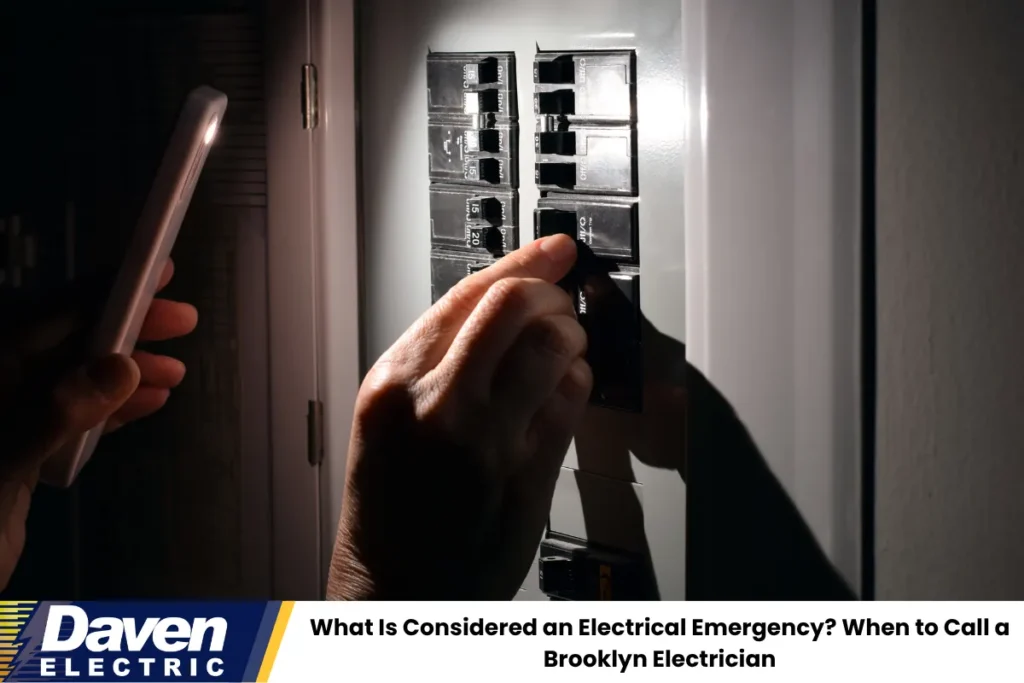
Frequent Circuit Breaker Trips and Panel Red Flags
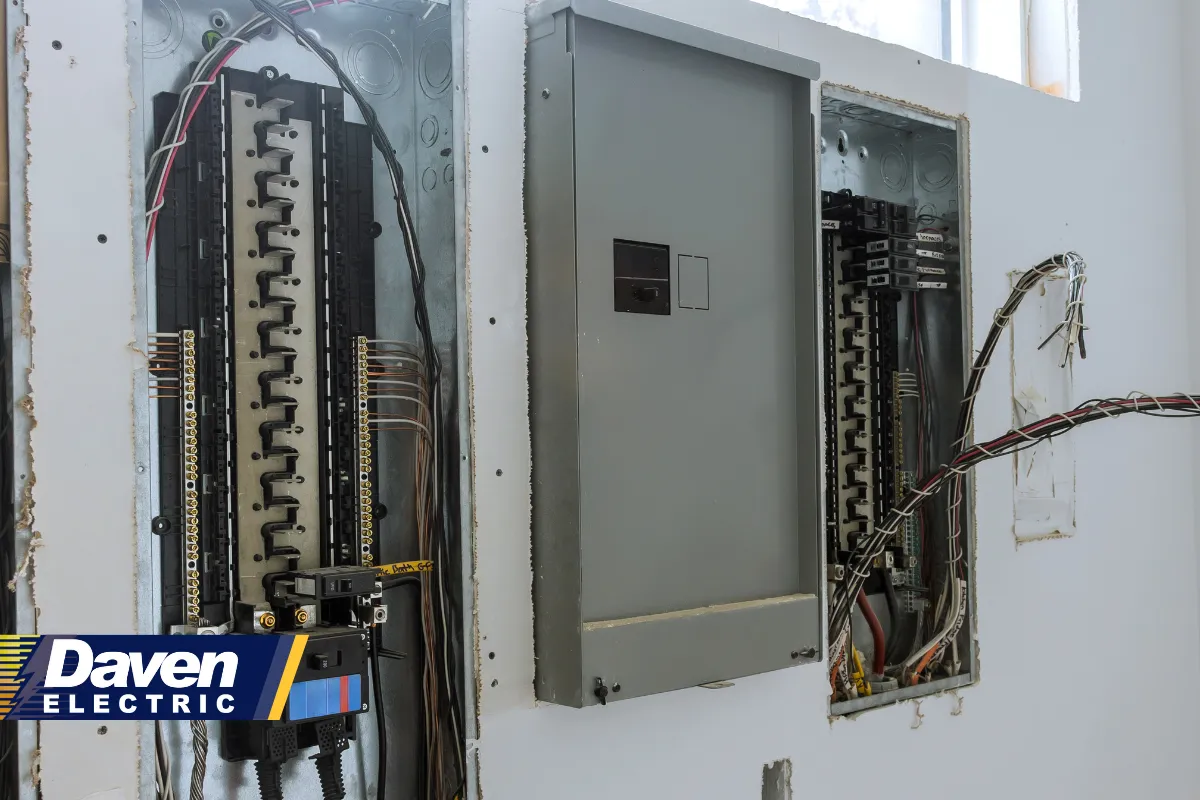
Circuit breakers exist to protect your wiring. When current exceeds the rated capacity, the breaker trips, cutting power before conductors overheat. That mechanism is your last line of protection before a fire starts.
What Counts as Normal
An occasional trip when you run a microwave, toaster, and coffee maker on the same kitchen circuit is common. Redistributing loads across different outlets usually solves it. Tripped breakers in this scenario are doing exactly what they were designed to do.
When Trips Signal Trouble
Overloaded circuits cause frequent circuit breaker trips. When the same breaker trips repeatedly, you are looking at undersized wiring, damaged insulation, or too many devices drawing power from one branch circuit. Frequent power trips may indicate dangerously overloaded circuits or short circuits, and overloaded circuits can result in fires and must be addressed immediately. Frequent circuit breaker trips indicate electrical system stress that calls for a professional evaluation, not a DIY workaround.
Panel Warning Signs to Watch For
Visual inspection should check for rust or scorching in circuit breaker panels. Other red flags at the panel include:
- A warm or hot panel door
- Humming or buzzing sounds behind the cover
- Handwritten labels that do not match actual circuits
- Burn marks or discoloration on breakers
Never tape a breaker in the on position. Never replace a breaker with a higher-amp model without a licensed electrical contractor verifying that the conductor size, insulation condition, and panel capacity can handle the increase. A 14 AWG copper wire is rated for a 15-amp breaker. Jumping to a 20-amp breaker on that same wire eliminates the safety margin and violates code.
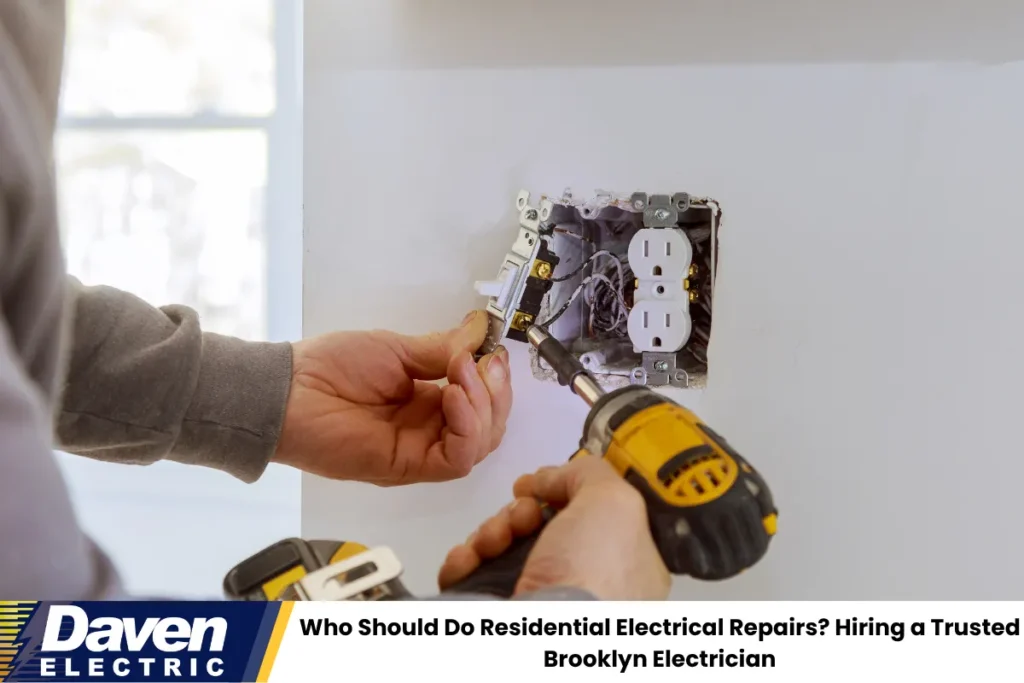
Read Who Should Do Residential Electrical Repairs? Hiring a Trusted Brooklyn Electrician
Hidden Issues Inside Walls and Ceilings: What You Cannot See (But Pros Can)
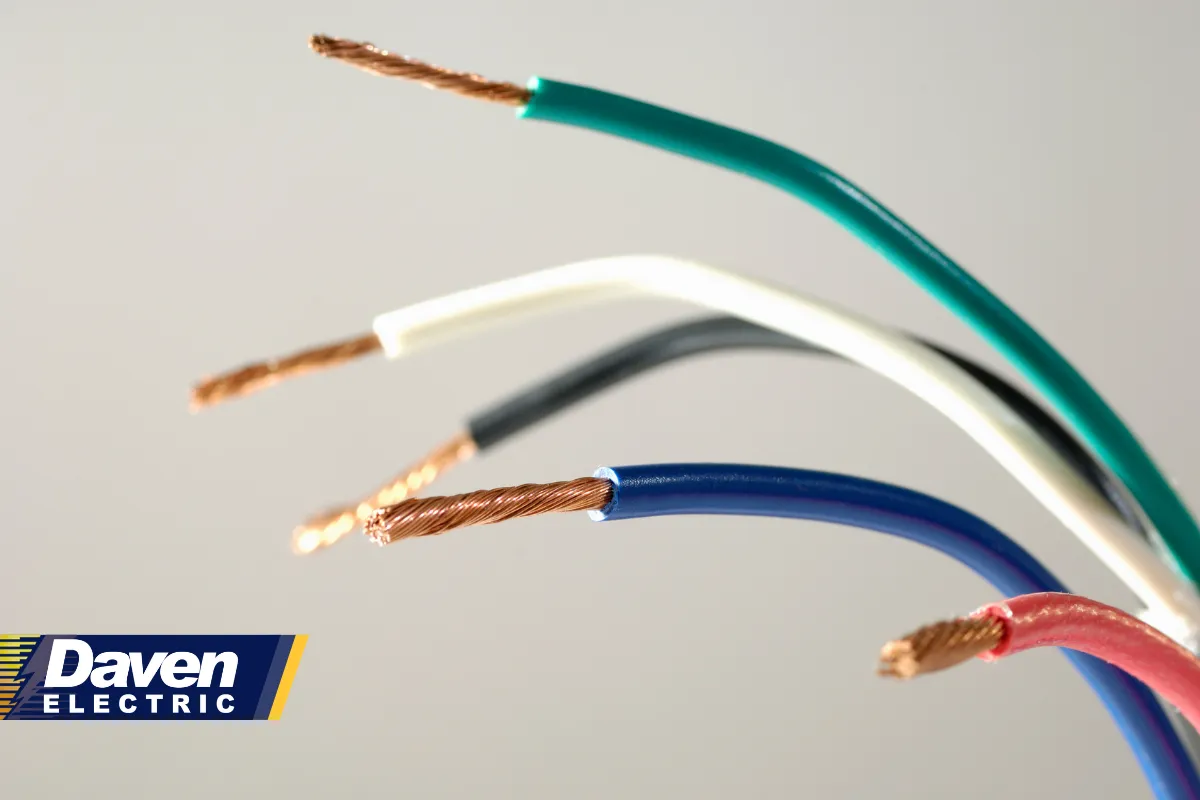
Some of the most dangerous electrical problems are completely invisible because they are concealed behind drywall, plaster, and sealed junction boxes. This is where expertise and specialized tools become essential.
Aging and Outdated Wiring
Outdated wiring in homes over 40 years old is a common issue throughout Brooklyn. Cloth-insulated cable, early plastic sheathing, and knob-and-tube systems deteriorate with age, cracking and exposing conductors. Older electrical systems in Brooklyn may not support modern electrical loads like central air conditioning, EV chargers, or high-draw kitchen appliances.
Arc Faults and Hidden Splices
Poor connections can cause arcing and heat buildup inside walls. A loose wire or corroded splice creates tiny sparks that a standard breaker may not detect but that can ignite nearby framing or insulation. Modern code now requires arc-fault circuit interrupters on many residential branch circuits specifically to catch these invisible threats. Buried splices hidden in walls without accessible junction box covers are both dangerous and illegal under current code.
Professional Detection Methods
Licensed electricians use circuit analyzers, plug-in testers, and thermal imaging cameras to locate problems that no visual check can reveal. Thermal imaging can detect hotspots behind drywall caused by overloaded wires, failing connections, or deteriorated insulation. Brooklyn alone has over 19,500 recorded electrical code violations, representing about a third of all violations citywide, which underscores how common hidden issues really are.
If you notice multiple symptoms at once, such as flickering, tripping, buzzing, and odd smells, schedule a full home electrical system inspection as soon as possible.
Room-by-Room Electrical Safety Checklist for Brooklyn Homes
A quick, scannable checklist by area makes it easier to catch problems before they grow. Walk through each room with your phone camera ready.
Kitchen
- Confirm ground fault circuit interrupters are installed near sinks and functioning properly.
- Remove extension cords being used for permanent appliances like refrigerators or microwaves.
- Check that outlets are not overloaded with multi-tap adapters. Hot outlets behind a refrigerator or microwave need professional attention.
- NYC code requires at least two dedicated 20-amp small appliance branch circuits serving countertop receptacles.
Bathroom
- Test GFCI outlets by pressing the test and reset buttons. Replace any that fail to trip or reset.
- Look for moisture corrosion on covers and faceplates.
- Listen for grinding or burning smells from the exhaust fan, which could indicate a failing motor. Water damage can lead to short circuits in electrical systems, making bathrooms a high-risk area.
Living Room and Bedrooms
- Inspect lamp cords and extension cords for frayed insulation, kinks, or exposed wires.
- Make sure furniture is not pinching power cords against walls.
- Note any persistent flickering lights or warm dimmer switches.
Basement and Exterior
- Verify that outdoor outlets have weatherproof covers and GFCI protection.
- Look for exposed splices, which are a code violation.
- Check for standing water near any electrical equipment. Ensure meters and service cables are securely mounted.
- Use an outlet tester to check for wiring issues at accessible receptacles throughout the house.
When to Troubleshoot Yourself and When to Call a Brooklyn Electrician
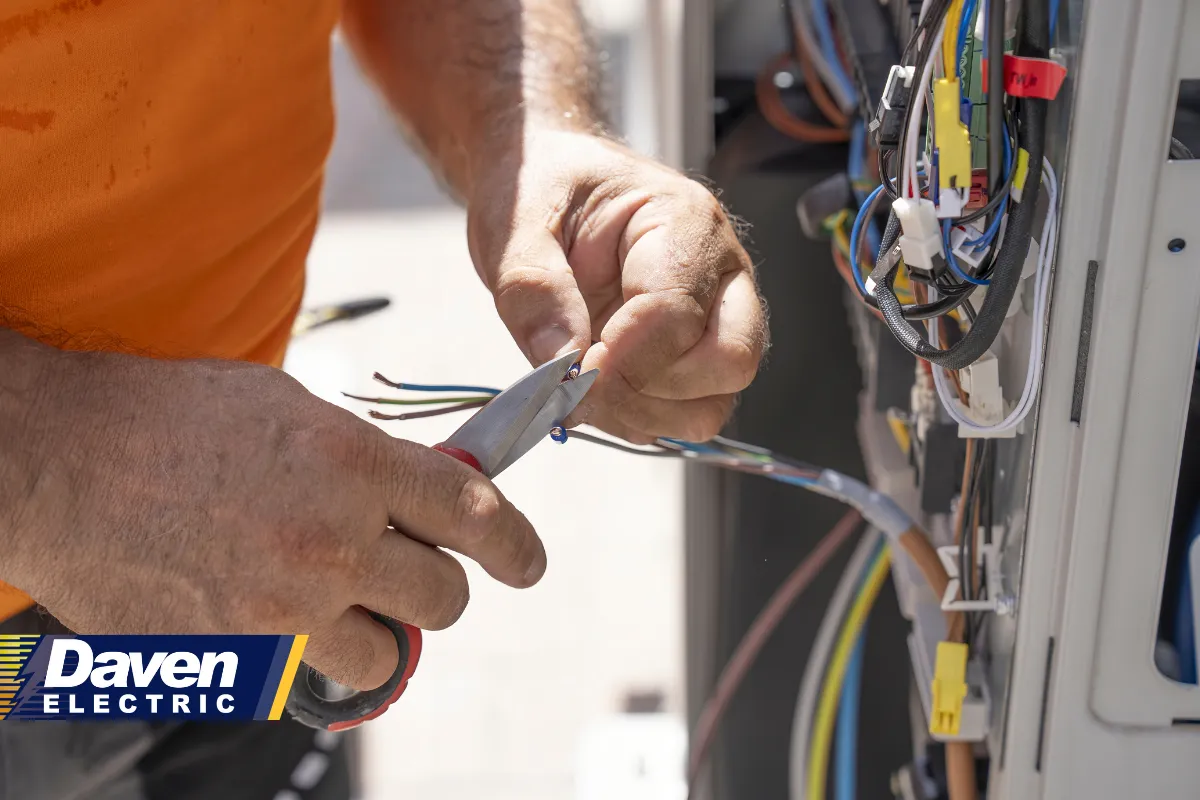
There is a clear boundary between what a homeowner can safely handle and what requires a qualified electrician with the right licensing and insurance.
Safe DIY Tasks
- Resetting a tripped breaker once
- Testing GFCI outlets with the test and reset buttons
- Replacing a lightbulb with the correct wattage
- Plugging devices into different outlets to isolate a bad cord or a faulty new appliance
- Checking for sparking outlets, warm outlets, or loose connections visually
Work That Requires a Licensed Professional
Replacing outlets, switches, or running new wiring inside walls generally requires permits and must be completed by a licensed electrician. Modifying or upgrading the fuse box or breaker panel is never a DIY job. Electrical codes in New York City regulate safety standards for wiring and upgrades, and unpermitted work can lead to violations, fines, and denied insurance claims.
Routine Service vs. Emergency Calls
A routine electrical service call covers non-urgent concerns like a single loose outlet or a circuit that occasionally dims under heavy load. Emergency situations, including smoke, a burning smell, sparking, or repeated tripping on a critical circuit, demand an immediate response. When in doubt, err on the side of safety. Ask any electrical contractor you contact about their licensing, insurance, and experience with local code before scheduling services.
What to Expect During a Professional Electrical Inspection in Brooklyn
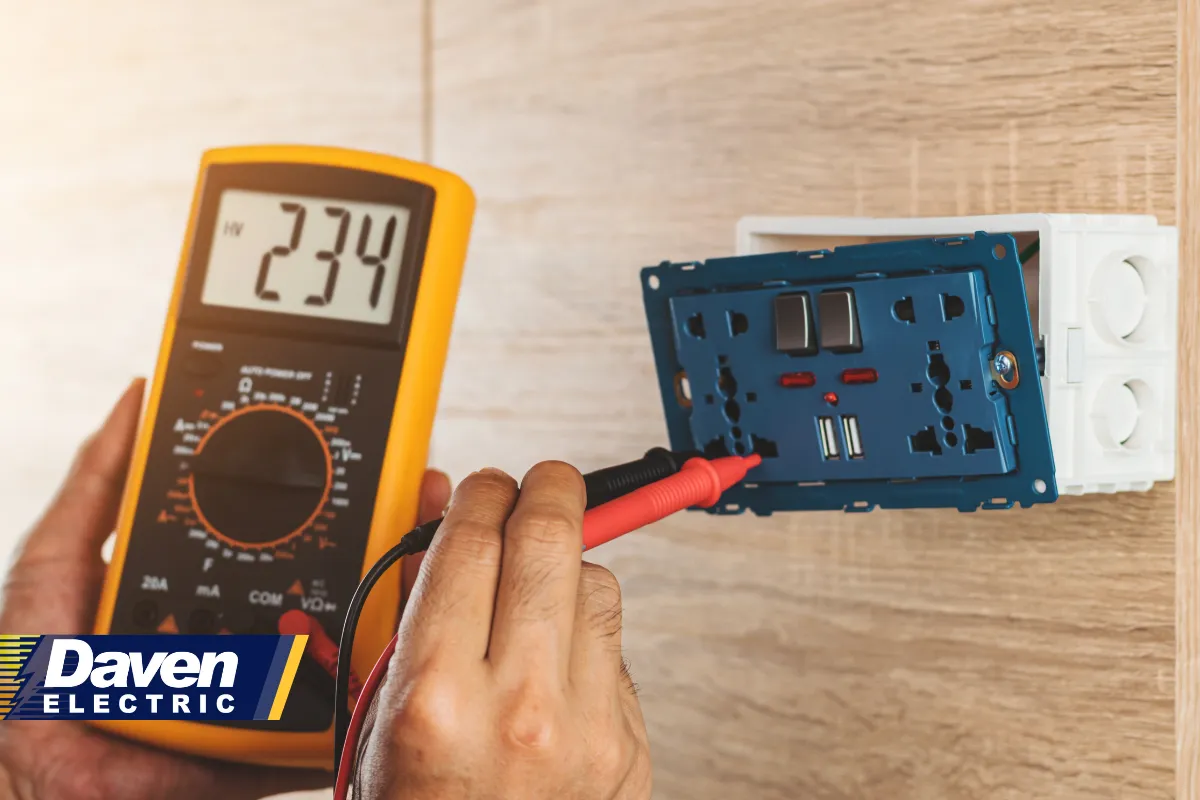
Periodic professional inspections uncover issues long before they become dangerous or expensive. Electrical safety inspections should occur every three to five years for most homes. Older homes may require inspections more frequently due to outdated wiring and the additional strain of modern power demands.
The Inspection Process
A licensed electrician will typically:
- Conduct a visual walk-through of all living spaces, checking for scorch marks, damaged outlets, and exposed wiring.
- Test outlets and switches for correct polarity, grounding, and GFCI function.
- Open the electrical panel to inspect breakers, verify wire sizing, check for rust or corrosion, and confirm accurate labeling.
- Assess bonding and grounding pathways for continuity and code compliance.
- Use thermal imaging or insulation resistance testing to detect hidden faults inside walls and ceilings.
Inspections can identify hidden electrical hazards before they escalate into costly emergencies. Most electrical safety inspections cost between $150 and $350, depending on the size and age of the home.
What You Receive Afterward
Homeowners should receive a clear written report with prioritized recommendations, estimated repair timelines, and optional upgrades for improved safety and capacity. Inspections are especially important before buying a home, after major renovations, or when adding high-demand appliances like EV chargers or mini-split systems. The report helps you make informed decisions about protecting your life, your family, and your property.
Brooklyn Electrician – Daven Electric Corp.
At Daven Electric Corp., we have spent years helping Brooklyn homeowners solve exactly the kind of electrical problems described in this article. Whether you are dealing with flickering lights, hot outlets, a buzzing breaker panel, or frequent trips that keep shutting down your circuits, our licensed team delivers fast, code-compliant solutions you can trust. We handle everything from residential inspections and troubleshooting to full panel upgrades and emergency repair work. Our electricians carry the training and expertise to detect hidden issues safely and bring your home up to current New York City standards. We also serve commercial electrician needs across the area. Call us at (212) 390-1106 or fill out our online contact form to schedule your appointment today. When you choose Daven Electric Corp., you are choosing a team that puts your safety and satisfaction first.
Frequently Asked Questions
How often should I schedule a full electrical inspection in a pre-war Brooklyn building?
Pre-war buildings, especially those constructed before 1938, often contain wiring materials that degrade with age, including cloth-insulated conductors and early rubber sheathing. For these properties, scheduling a professional inspection every two to three years is a smart approach rather than the standard three-to-five-year interval recommended for newer construction. The combination of older wiring, decades of patchwork repairs by previous owners, and the increased electricity demands of modern living means that hidden deterioration can advance quickly. Each inspection gives a licensed professional the chance to catch small problems, such as corroded connections or brittle insulation, before they develop into serious fire hazards or code violations.
Can smart plugs and surge protectors replace proper electrical upgrades?
Smart plugs and surge protectors serve a useful role in managing individual devices and shielding sensitive electronics from voltage spikes, but they do not fix underlying wiring problems. A surge protector plugged into a circuit with loose connections, undersized conductors, or a failing breaker does nothing to prevent arcing or overheating inside the wall. These accessories are best thought of as supplementary protection rather than substitutes for proper installation and code-compliant upgrades. If your home regularly trips breakers or has outlets that feel warm, the right move is to address the root cause with a professional rather than layering consumer devices over a compromised system.
How can I tell if a previous owner did unpermitted electrical work in my home?
Several clues can reveal unpermitted or amateur work. Look for mismatched outlet styles in the same room, wiring visible in attics or basements that appears inconsistent in type or color, outlets installed in unusual locations, or panels with breakers that do not match the manufacturer of the enclosure. Handwritten labels that contradict the actual circuits they control are another giveaway. In Brooklyn, the Department of Buildings maintains records of filed permits, which you can search to verify whether past renovations were legally documented. Unpermitted work can create hidden risks and may complicate insurance claims or future real estate transactions.
Does homeowners insurance cover electrical fire damage caused by outdated wiring?
Most standard homeowners insurance policies cover fire damage regardless of the cause, including electrical fires. However, insurers may deny or reduce a claim if they determine that the homeowner neglected known hazards or failed to maintain the electrical system. If an adjuster finds evidence of code violations, unpermitted modifications, or deferred maintenance that directly contributed to the fire, the payout could be significantly reduced. Keeping records of professional inspections, repair receipts, and permit filings demonstrates responsible ownership and strengthens your position. Some insurers even offer premium discounts for homes that have undergone recent inspections or panel upgrades.
What should I do if my lights dim every time a large appliance turns on?
Momentary dimming when a high-draw appliance like an air conditioner or a clothes dryer cycles on is relatively common and usually not dangerous on its own. It typically results from a brief voltage drop on the circuit supplying that appliance. However, if the dimming is severe, lasts more than a second or two, or affects lights throughout the entire house, the issue may involve an undersized service entrance, a weak neutral connection, or feeders that cannot handle current demand. These conditions can cause chronic overheating along the wiring path and should be evaluated by a professional electrician who can perform load calculations and verify that your service meets modern capacity requirements.
Disclaimer
Disclaimer: This article provides general electrical safety information for Brooklyn homeowners and is not a substitute for professional diagnosis, permits, or repairs. Always consult a licensed Brooklyn electrician for your specific electrical needs and ensure all work complies with current New York City electrical codes.