Why a Brooklyn Electrician Should Handle Most Home Repairs
A Brooklyn electrician is not a luxury hire when something goes wrong with your home’s power-it is a necessity backed by law, safety data, and common sense. Every week, homeowners across the borough deal with flickering lights, dead outlets, breakers that trip the moment they turn on the microwave, and the nagging temptation to grab a screwdriver and handle it themselves. In a borough packed with dense housing, shared walls, and residential wiring that may be a century old, that temptation carries real consequences: electrical fires, shock injuries, voided insurance, and code violations that can follow a property for years. The smarter path is clear. Most residential electrical repairs should be completed by a licensed residential electrician who understands NYC permitting, local building quirks, and the specific demands of Brooklyn homes. This article breaks down what work is safe to attempt, what absolutely requires a professional, how city regulations affect the process, and how to choose the right expert for the job.
Key Takeaways
- Most residential electrical repairs in Brooklyn, NY must be performed by or under the supervision of a licensed electrician to comply with NYC Electrical Code.
- DIY is generally limited to plug-in devices and very simple tasks; fixed residential wiring, panels, and new circuits require a permitted professional.
- Older Brooklyn housing-brownstones, co-ops, pre-war multifamily buildings-often hides outdated wiring that needs expert evaluation and upgrading.
- Choosing a trusted Brooklyn electrician means checking licensing, insurance, permit history, and experience with your specific building type.
- Working with a reputable local residential service protects safety, property value, and insurance coverage while keeping your home powered reliably.
Who Really Should Handle Residential Electrical Repairs in Brooklyn?
In NYC, almost all fixed electrical work in a home must be performed by a licensed professional. This is not a suggestion-it is the law. Permanent electrical installations must be performed by licensed professionals according to NYC regulations, and homeowners cannot pull their own electrical permits for this type of work. New York City requires a Master Electrician license for residential work, meaning the person responsible for your project has passed rigorous testing and demonstrated years of hands-on experience.
Residential electricians work in homes and apartments, tackling everything from diagnosing faulty breakers to installing dedicated appliance circuits. Residential electricians install and repair electrical systems in homes, and common tasks include troubleshooting circuit breakers and installing ceiling fans. They also help with upgrades, repairs, and safety inspections to keep your property compliant and functional. Residential systems typically use 120/240-volt single-phase power, which differs significantly from what commercial properties require.
It is illegal for unlicensed individuals to perform electrical work in NYC. In fact, in NYC, unlicensed electrical work is both illegal and unsafe, exposing homeowners to fines, stop-work orders, and potential liability if something goes wrong. Even tasks that seem minor-adding an outlet, relocating a switch, or hard-wiring a new fixture-often require permits and must meet current code.
So what can you actually do yourself? Here is a simple breakdown:
Tasks generally safe for homeowners:
- Replacing light bulbs and lampshades
- Plugging in surge protectors or power strips (temporarily)
- Resetting a tripped breaker
- Testing outlets with a basic plug-in tester
Tasks that require a licensed professional:
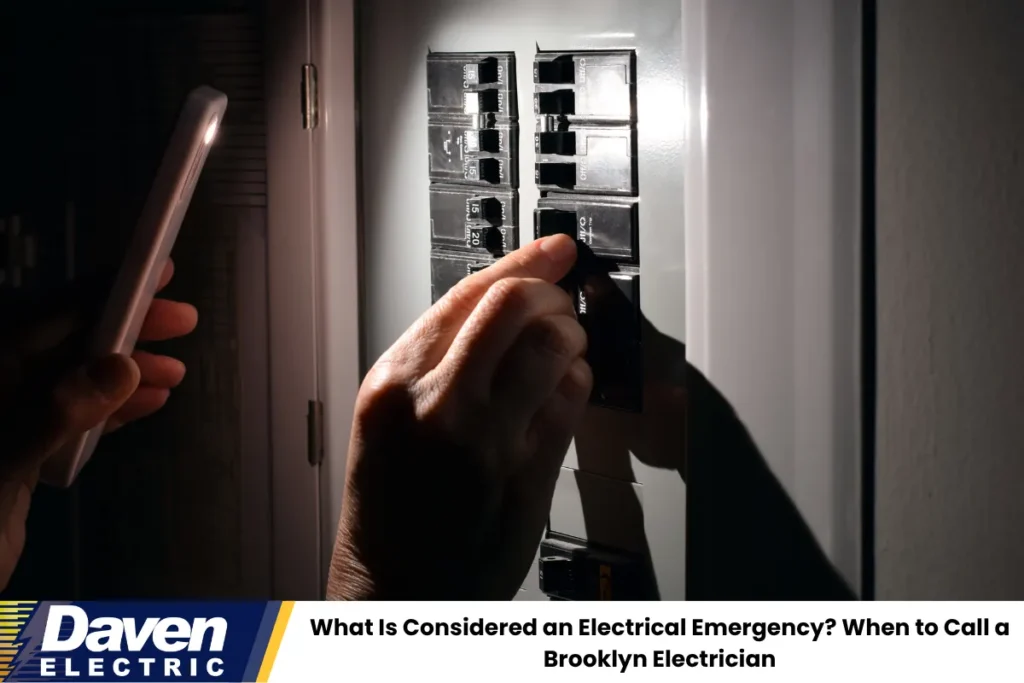
- Any work inside a breaker panel or service equipment
- Running new cables through walls or adding new circuits
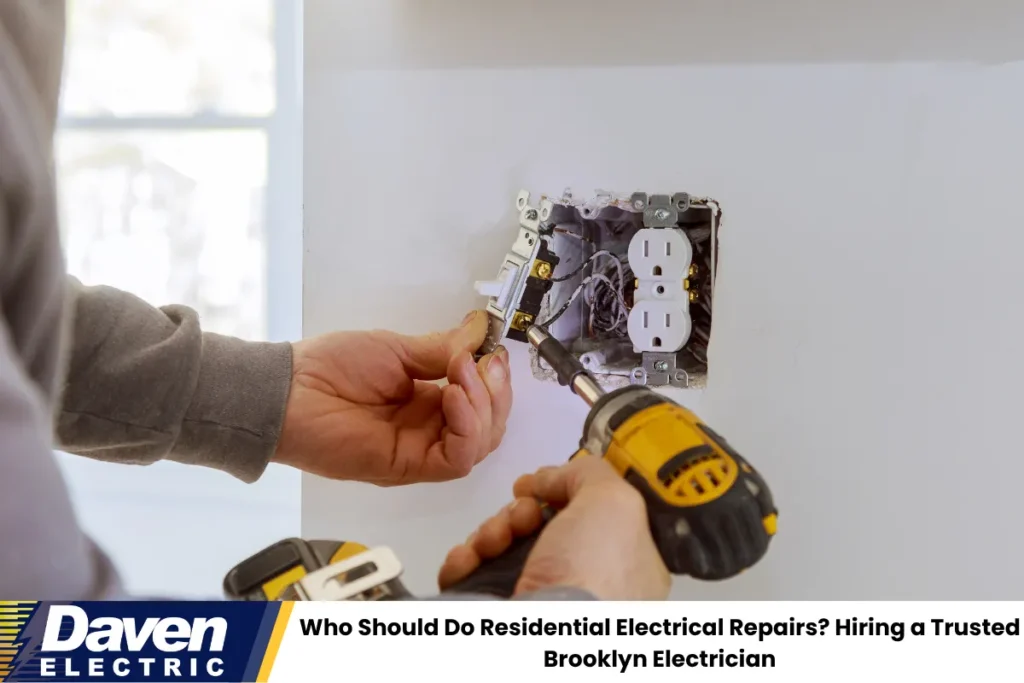
- Installing or relocating hard-wired fixtures, outlets, or switches
- Modifying older wiring systems (knob-and-tube, cloth-insulated, aluminum)
- Panel upgrades or service changes
DIY vs. Professional: What Homeowners Can and Should Not Do
Picture this: a homeowner in a Bed-Stuy brownstone decides to add a kitchen outlet over the weekend. They open the wall and find brittle, cloth-wrapped wiring crumbling at the touch, with no ground conductor in sight. What started as a thirty-minute project is now a potential fire hazard and a code violation if handled incorrectly.
This scenario plays out regularly in Brooklyn. Licensed electricians help prevent costly damage and safety hazards in exactly these situations, where hidden conditions turn a simple repair into a complex project. The limited tasks a careful homeowner can safely perform-swapping a burned-out bulb, plugging in a lamp, or resetting a breaker-do not involve touching the fixed wiring inside walls, ceilings, or junction boxes.
Everything else belongs to a professional. Here is why:
- Work inside breaker panels involves live conductors that can deliver fatal shocks. This is never a DIY job.
- Running cable through Brooklyn’s plaster walls and lathe without training can damage existing wiring, disturb hidden junctions, or violate fire-stopping requirements.
- Adding high-load circuits for ranges, dryers, or EV charging stations demands proper wire sizing, breaker matching, and permit filing.
- Altering aluminum branch wiring or knob-and-tube systems requires specialized connectors and techniques that only trained electricians possess.
In multi-unit buildings, the risks multiply. Shared circuits between apartments mean that a mistake in one unit can knock out power or create hazards for neighbors. Hidden junction boxes behind plaster, improperly buried splices, and decades of layered renovations make Brooklyn apartments especially complicated for anyone without professional training.
Improper electrical work can also fail Department of Buildings inspections, create serious insurance problems after a fire or incident, and violate lease agreements or co-op rules. The cost of hiring a professional is almost always less than the cost of fixing a DIY mistake-or dealing with its consequences.
How Brooklyn Codes, Permits, and Building Types Affect Electrical Work
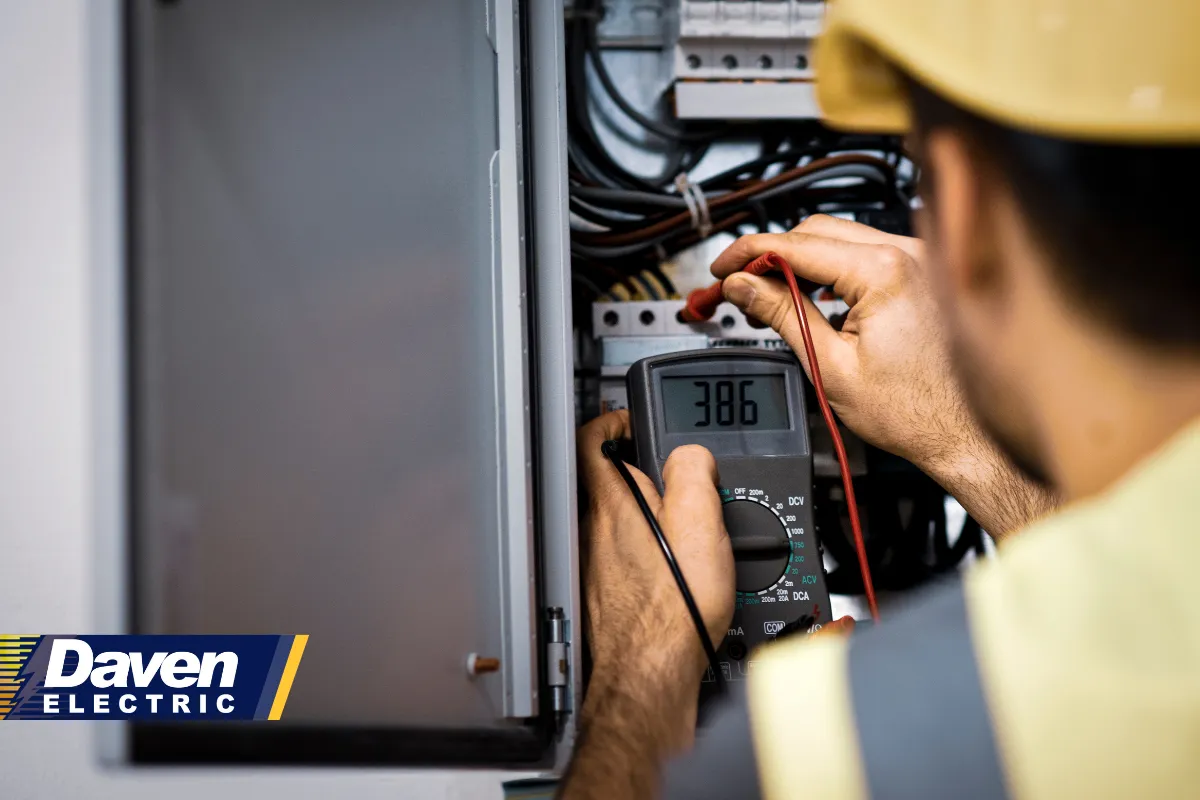
NYC maintains its own electrical code, which includes local amendments to the National Electrical Code. After December 2025, Local Law 128 brought the city into alignment with the 2020 NEC plus NYC-specific modifications, introducing stricter requirements for arc-fault circuit interrupter protection, inspection triggers, and permit protocols. Brooklyn electricians must follow these rules on every job, and the consequences for noncompliance include violations, fines, and mandatory corrective work.
Electrical repairs often require permits and inspections under NYC building codes. The scope of the project determines what level of filing is needed. In NYC, many electrical projects require permits filed by licensed electricians, and electrical work often requires permits filed by licensed professionals to ensure proper oversight.
Here is how permit requirements typically break down:
- Minor work (replacing a defective breaker up to 30 amps, swapping a damaged fixture on an existing circuit) may still require a permit but might not need plan review or a DOB inspection.
- Major work (panel upgrades, new branch circuits, service entrance changes, full or partial rewiring) requires permits, plan review, and on-site inspections.
- Work in common areas of co-ops, condos, or multifamily buildings often triggers additional requirements, including board approval and coordination with building management.
Brooklyn’s housing stock is uniquely diverse. Pre-war brownstones and rowhouses built between the 1880s and 1930s frequently contain mixed-era wiring-some original, some added in piecemeal renovations over the decades. Walk-up apartments may have limited access points. Co ops and condos often require alteration agreements before any scope of work can begin. Mixed-use buildings with commercial space on the ground floor and apartments above introduce further complexity.
Brooklyn homes may have unique wiring issues requiring specialized knowledge of local codes. Metal raceway, armor-clad cable, and other fire-resistant materials are often mandated in multi-story residential buildings, making material selection part of the compliance equation.
A licensed Brooklyn electrician manages this process by:
- Filing the correct permit applications with the Department of Buildings
- Scheduling and passing required inspections
- Coordinating with co-op boards, property managers, or building supers
- Providing compliance documentation for insurance carriers
- Ensuring all materials and methods meet current NYC Electrical Code
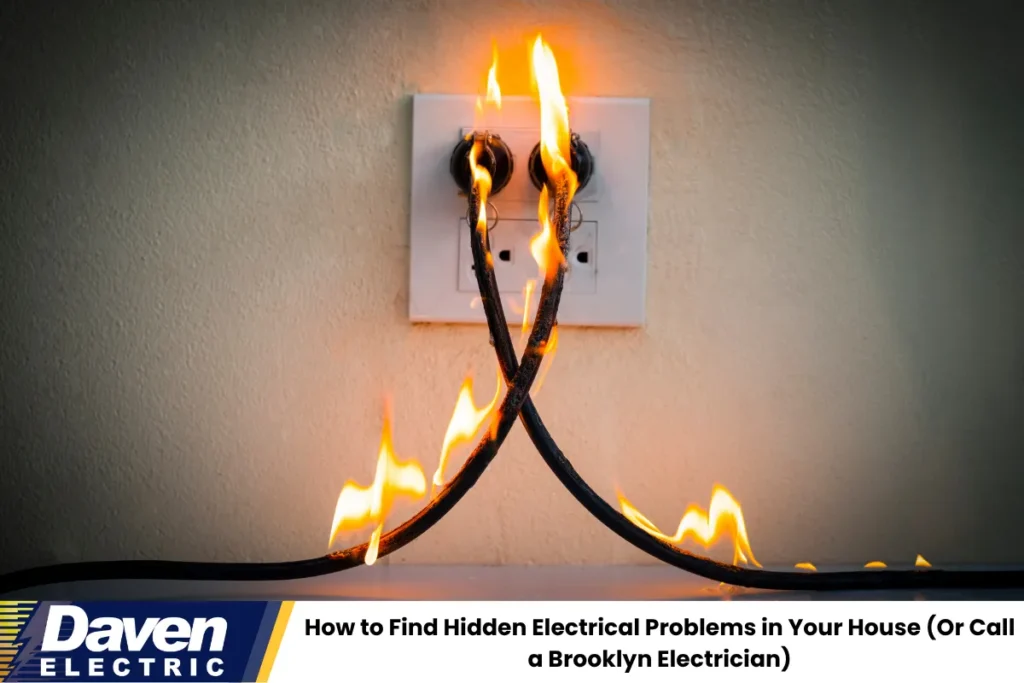
Read How to Find Hidden Electrical Problems in Your House (Or Call a Brooklyn Electrician)
Warning Signs You Need a Licensed Residential Electrician Now
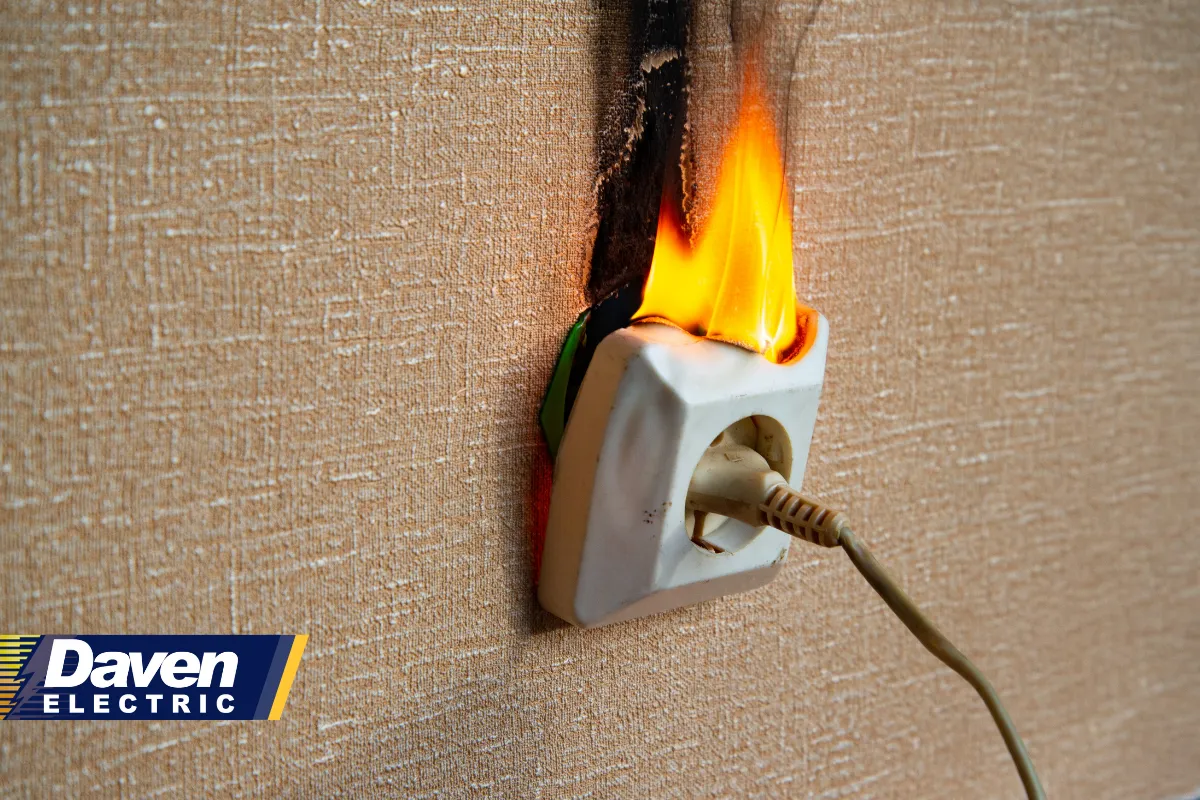
Some electrical symptoms demand immediate attention. If you notice any of the following, stop using the affected circuits and contact a qualified professional without delay. Homeowners should call electricians for recurring or unsafe electrical issues rather than hoping the problem resolves on its own.
Warning signs that indicate a serious problem:
- Flickering lights may indicate faulty wiring or overloaded circuits, especially if the flickering occurs across multiple rooms or worsens when appliances cycle on
- Tripping breakers can signal damaged conductors or circuit overloads, and repeated trips on the same breaker point to a deeper issue than a momentary surge
- Warm outlets may suggest unsafe wiring or overloaded circuits-never ignore an outlet or switch plate that feels hot to the touch
- Burning or smoke smell near outlets, switches, or the panel
- Visible sparks or scorch marks around receptacles
- Buzzing or sizzling sounds coming from the panel or walls
- Frequent power dips when appliances like air conditioners or refrigerators start up
These symptoms often trace back to overloaded circuits, loose connections, or deteriorated residential wiring that is common in older Brooklyn buildings. Wiring systems in older Brooklyn buildings often include knob-and-tube wiring or outdated panels, and both present elevated risk. Older wiring systems like knob-and-tube can pose fire hazards because the rubber and cloth insulation degrades over time, potentially exposing bare conductors. Aluminum branch circuits from the 1960s and 1970s are prone to loose terminal connections that generate dangerous heat. Recurring electrical issues often require professional evaluation to identify the root cause and prevent escalation.
Two-prong outlets without grounding, obsolete fuse boxes, and mixed aluminum-copper connections all warrant inspection by a residential electrician. According to data from the U.S. Fire Administration, an average of roughly 24,000 residential electrical malfunction fires occur each year in the United States, causing hundreds of deaths and over a billion dollars in property damage.
When you encounter active arcing, smoke coming from any electrical component, or water contacting service equipment, call 911 first and then schedule an emergency electrician visit once the immediate danger is addressed.
Choosing a Trusted Brooklyn Electrician for Residential Service
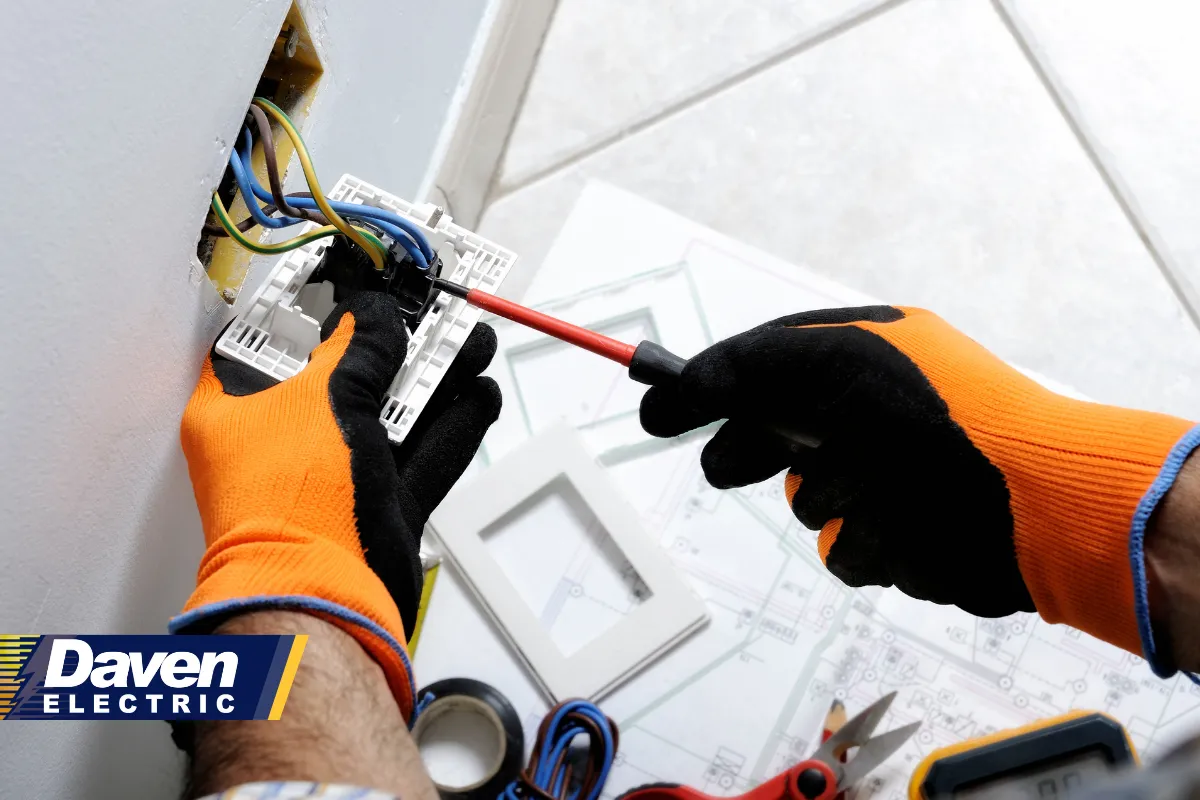
Picking the right electrical contractor is just as important as deciding not to handle the work yourself. A poor hire can leave you with code violations, unfinished repairs, and ongoing safety concerns. A good one protects your property, your family, and your investment.
Start with credentials. Verify that any electrician you consider holds a current NYC Master Electrician license. Licensed electricians must pass a state licensing exam, and the path to licensure requires significant preparation. A high school diploma or GED is required for electricians entering the trade, and electricians must complete an apprenticeship or technical school program before they can sit for the exam. Training for residential electricians includes an apprenticeship and technical school, with candidates needing at least seven to seven and a half years of hands-on experience-including a minimum of two years working in NYC-before qualifying for licensure. Electricians must pass a state licensing exam to work legally, so a valid license confirms real expertise.
Hiring licensed electricians ensures compliance with local codes and protects you from the liability that comes with unpermitted work. Liability insurance and workers’ compensation are essential for electricians to protect against liabilities, so always ask for proof of coverage before any work begins. A fully insured professional shields you from responsibility if an accident occurs on your property.
Beyond credentials, look for experience with your specific building type. Not every electrician has worked inside pre-war brownstones, navigated co-op board requirements, or dealt with the mixed wiring eras found in many Brooklyn apartments. Neighborhood recommendations can often lead to finding experienced electricians familiar with local challenges, so ask neighbors, building managers, or local community boards for referrals. Check reviews and look for completed projects similar to yours.
Transparency matters. Electricians should provide detailed written estimates covering scope of work and costs, including materials, permit fees, estimated timeline, and cleanup responsibilities. Many reputable Brooklyn electricians offer a free estimate for well-defined residential service jobs, while complex projects involving multiple rooms or full rewiring may require an on-site evaluation before pricing can be finalized. A quality proposal breaks out labor and parts so you understand exactly what you are paying for.
What to Expect During a Residential Electrical Service Call
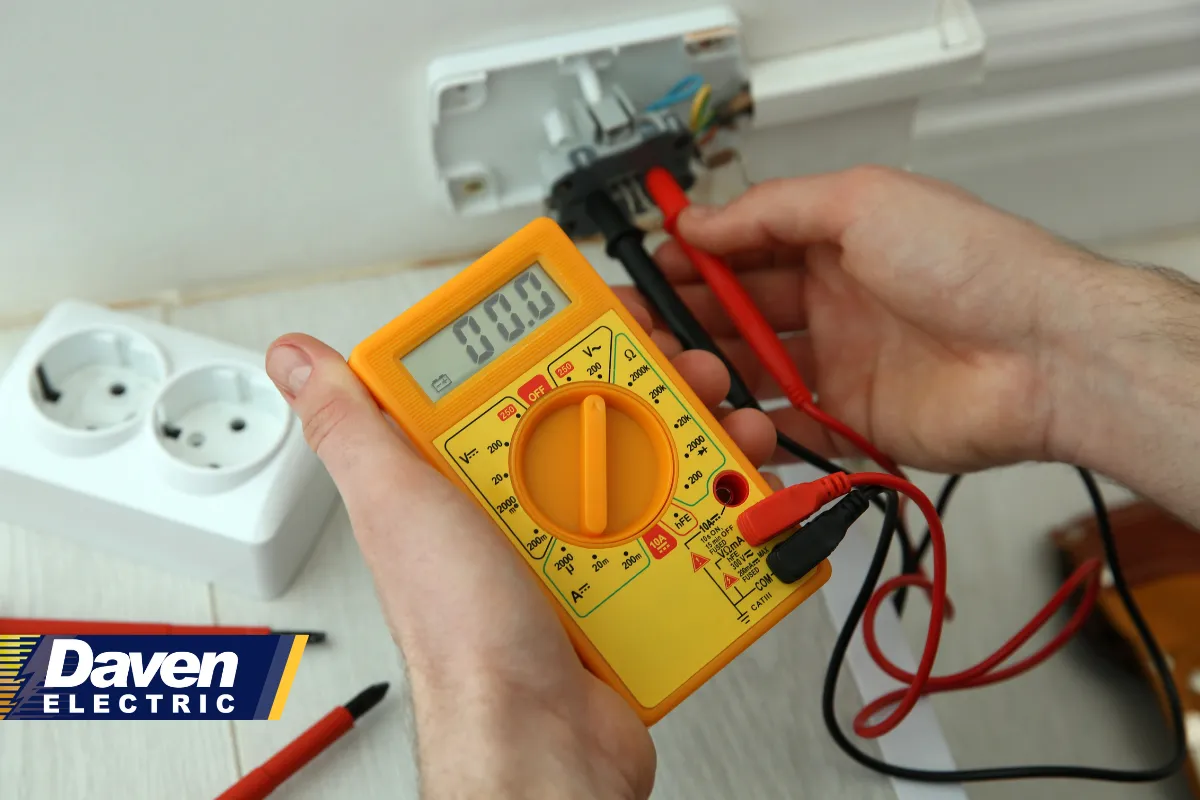
Knowing what happens during a typical visit helps you prepare and makes the process smoother for everyone involved.
The process usually starts with a phone call or online request. You will share your address, describe the symptoms, identify your building type, and mention any access rules like doorman contact information, elevator schedules, or time restrictions imposed by your co-op or condo board.
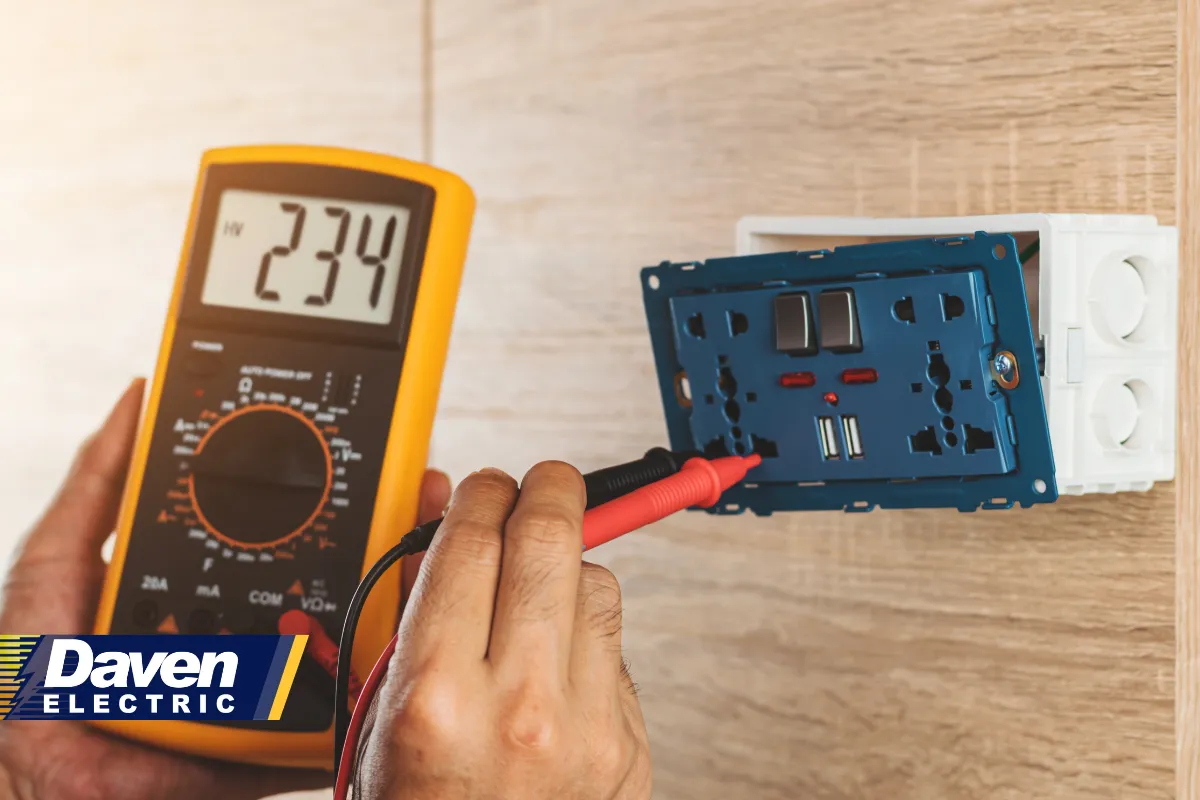
Once on site, the electrician will conduct a visual inspection, test circuits with professional diagnostic tools, and safely open panels to examine connections and breaker conditions. They will explain what they find in clear terms. Electricians must explain necessary repairs rather than offer quick fixes for safety compliance-a reliable professional will walk you through the difference between a band-aid solution and a lasting repair that meets code.
The scope of a service call sometimes expands beyond the original issue. A visit for a single tripping breaker might reveal that your panel lacks capacity for modern loads, that your kitchen circuit has no ground-fault protection, or that wiring behind the wall is degraded. In these cases, expect a recommendation for upgrades such as panel modernization, dedicated circuits for appliances, or installation of GFCI and AFCI protection on applicable branch circuits.
In Brooklyn, scheduling logistics can be influenced by building entry systems, elevator availability, parking restrictions, and approved work hours in residential buildings. Communicate these details early so the electrician can plan accordingly and complete the job with minimal disruption. Panel upgrades in pre-1960s homes often cost several thousand dollars depending on complexity, while full home rewires can run into tens of thousands-so understanding the scope early helps you budget and schedule realistically.
Brooklyn Electrician – Daven Electric Corp.
At Daven Electric Corp., we bring decades of hands-on expertise to every residential electrical project in Brooklyn. Our team is licensed, fully insured, and committed to delivering professional service that meets NYC code requirements on every job. Whether you need a panel upgrade in a Park Slope brownstone, circuit repairs in a Bed-Stuy walk-up, or a complete rewiring assessment for a renovated property, we have the knowledge and training to handle it right. We take time to explain your options, provide clear written estimates, and manage permits so you never have to guess about the process. We also serve commercial properties, including businesses across Manhattan. If you are unsure whether your electrical issue requires a professional, contact us. Call Daven Electric Corp. at (212) 390-1106 or visit our site to fill out a contact form. We are ready to schedule a visit and provide the reliable residential electrical solution your Brooklyn home deserves.
Frequently Asked Questions
Can I Replace a Light Fixture in My Brooklyn Apartment Without Calling an Electrician?
In theory, swapping a simple fixture on an existing circuit may seem straightforward, but older Brooklyn apartments frequently hide complications. Junction boxes may be ungrounded, wiring insulation may be brittle or deteriorated, and the box itself may not be rated for the weight of a new fixture. In co-ops and condos, building bylaws often restrict residents from performing any electrical work without board approval. If you open a ceiling canopy and find cloth-wrapped wires, missing ground connections, or scorched components, stop immediately. At that moment, the safest move is to hire a licensed professional who can complete the installation safely, pull any required permit, and ensure the work passes inspection. When in doubt, the small cost of a service call is worth the peace of mind.
How Do I Know If My Brooklyn Home Needs a Panel Upgrade?
Several signs point to an undersized or outdated panel. If breakers trip frequently when you run multiple appliances simultaneously, if your panel has no spare spaces for new circuits, or if you still have an old fuse box rather than a modern breaker panel, an upgrade is likely overdue. Today’s houses and apartments demand far more capacity than decades past. Home offices with multiple monitors, EV charging stations, induction cooktops, and central air conditioning systems all draw significant power. A residential electrician can evaluate your current panel, calculate your load requirements, and recommend the right upgrade path-typically from 100-amp to 200-amp service-while handling all permit and inspection requirements through the Department of Buildings.
Is It Safe to Use Extension Cords Long-Term in My Apartment?
Extension cords are designed for temporary use only. When used permanently-run under rugs, pinched behind furniture, or daisy-chained with power strips-they can overheat and become a fire hazard, especially when loaded with high-wattage devices like space heaters or window air conditioners. If you find yourself relying on extension cords in multiple rooms, that is a clear signal your home lacks enough outlets or dedicated circuits for your unique needs. The correct solution is to have a licensed professional install permanent outlets or additional circuits where you need them. This approach meets code, eliminates tripping hazards, and dramatically reduces fire risk. It is a straightforward job for most professional electricians and a worthwhile investment in your property’s safety and efficiency.
What Should I Tell the Electrician Before They Arrive at My Brooklyn Home?
Preparation makes every service call more productive. Share detailed information about the symptoms you have noticed-which outlets or switches are affected, when the problem started, whether it coincides with specific appliances running, and any recent renovations or changes to your electrical setup. Mention your building type, whether it is a single-family home, a multi-unit walk-up, or a condo with specific access protocols. Provide contact information for your doorman, super, or property manager if entry requires coordination. Note any time restrictions your building enforces for construction-related noise or work hours. The more detail you provide upfront, the better prepared the electrician will be to diagnose the issue efficiently, bring the right materials, and minimize return visits. Clear communication from the start sets the stage for a smooth, reliable project outcome.
How Often Should Outlets and Switches Be Updated in Older Brooklyn Buildings?
There is no fixed schedule mandating outlet or switch replacement, but certain conditions call for prompt action. Two-prong ungrounded outlets, cracked or discolored faceplates, receptacles that no longer grip plugs firmly, and switches that buzz or feel warm are all signs of wear that should not be ignored. In buildings constructed before the 1960s, these components may be original and well past their reliable lifespan. Periodic inspections by a certified residential electrician-ideally every five to ten years in older buildings-help identify when systematic upgrades are essential for both safety and code compliance. An inspection can also uncover hidden problems like deteriorated wiring behind the wall that would otherwise go unnoticed until a failure occurs. Proactive maintenance is always less expensive and less disruptive than emergency repairs.
Disclaimer: This article provides general information for Brooklyn, NY homeowners and does not substitute for advice from a licensed electrician or official NYC Department of Buildings regulations.