When a Power Surge Strikes: What’s Really Covered?
Brooklyn Electrician services are often called after a sudden power surge leaves homeowners with fried appliances, damaged wiring, or a tripped breaker panel. The problem is simple but costly: a surge can destroy thousands of dollars in electronics in seconds. What makes it worse is the uncertainty—will homeowners insurance actually cover the damage? Many people assume they’re protected, only to learn later that certain electrical failures fall into gray areas or exclusions. The good news is that coverage is often available, but it depends on the cause of the surge and the policy details. Understanding how insurance treats surge protection—and how a licensed electrician can reduce your risk—can save you money and stress.
How Power Surges Happen in Brooklyn Homes
Power surges are brief spikes in electrical voltage. Even a small spike can damage sensitive electronics, while a major surge can destroy HVAC systems, refrigerators, and home office equipment.
In Brooklyn, common causes include:
- Lightning strikes during summer storms
- Downed power lines
- Utility grid switching
- Faulty wiring or overloaded circuits
- Large appliances cycling on and off
- Outdated electrical panels
New York City’s dense infrastructure means homes often share complex utility connections. Older brownstones and multi-family properties may still have aging wiring systems that were not designed for modern electrical loads.
When voltage exceeds the standard 120 volts supplied to most residential circuits, the extra energy travels through outlets and wiring. Without surge protection, devices absorb that excess energy—and that’s when the damage occurs.
Does Homeowners Insurance Cover Power Surge Damage?
In many cases, yes—but only under specific circumstances.
Standard homeowners insurance policies typically cover sudden and accidental damage caused by certain perils. If a power surge is caused by:
- Lightning
- A covered weather event
- Utility company issues
then the resulting damage to appliances and electronics is often covered.
However, coverage may be limited or denied if the surge results from:
- Wear and tear
- Neglect
- Faulty or outdated wiring
- Improper electrical installation
Insurance companies distinguish between sudden external events and internal maintenance problems. If an electrical contractor determines that outdated wiring caused the surge, the claim may be denied.
It’s important to review your policy carefully. Some policies also include sub-limits on electronics coverage, meaning reimbursement may not fully cover replacement costs.
What Homeowners Insurance Usually Pays For
When coverage applies, insurance may reimburse you for:
- Damaged appliances (refrigerators, washers, dryers)
- HVAC systems
- Televisions and entertainment systems
- Computers and office equipment
- Electrical panel damage
Most policies require you to pay a deductible before coverage begins. If the cost of repairs is lower than your deductible, filing a claim may not make financial sense.
Some insurers offer optional equipment breakdown coverage, which extends protection beyond standard perils. This endorsement can be valuable in areas like Brooklyn, where older infrastructure increases electrical risk.
When Insurance May Deny a Surge Claim
Insurance providers frequently deny claims under these conditions:
Faulty Wiring or Code Violations
If an investigation finds that the home’s electrical system was outdated or not up to code, the insurer may argue that the damage was preventable.
In Brooklyn, residential electrical work must comply with New York City Electrical Code, which is based on the National Electrical Code with local amendments. Only a licensed electrician or electrical contractor can legally perform most electrical upgrades in NYC.
Lack of Maintenance
Insurance policies do not cover damage caused by neglect. If your breaker panel was overloaded or your home lacked proper grounding, the insurer may refuse payment.
Gradual Damage
Policies cover sudden events—not gradual deterioration. If wiring has slowly degraded over years, damage may not qualify as an insurable event.
Why Surge Protection Matters More Than Ever
Today’s homes contain more sensitive electronics than ever before:
- Smart TVs
- Gaming systems
- Home office setups
- Smart thermostats
- Wi-Fi routers
- EV chargers
These devices are more vulnerable to voltage spikes than older appliances. Even minor fluctuations can shorten their lifespan.
A professional electrician can install surge protection devices designed to shield your entire home, not just individual outlets.
Types of Surge Protection for Brooklyn Properties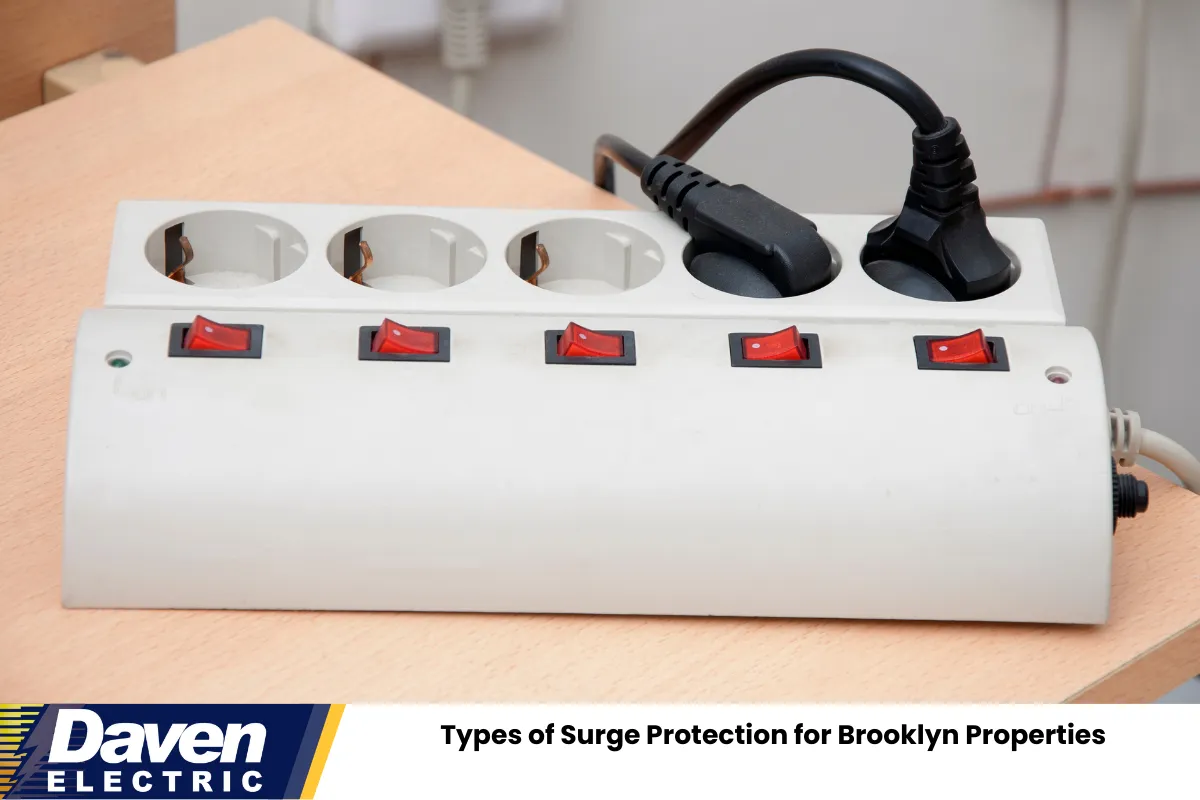
Point-of-Use Surge Protectors
These are power strips with built-in surge protection. They are affordable but offer limited protection. They only protect devices plugged into them.
Whole-House Surge Protectors
Installed at the electrical panel, these systems block excess voltage before it reaches branch circuits.
Benefits include:
- Protection for all outlets
- Defense for major appliances
- Increased home value
- Reduced insurance risk
A licensed electrical service provider can evaluate your system and recommend the right solution.
NYC Electrical Code and Surge Protection Compliance
In Brooklyn, any significant electrical installation must comply with:
- New York City Electrical Code
- NYC Department of Buildings requirements
- Permit and inspection rules
Whole-house surge protectors typically require installation inside the main panel. This work must be performed by a licensed electrical contractor.
Hiring an unlicensed handyman for panel work can void warranties, violate city regulations, and create fire hazards.
Read Brooklyn Electrician: Can I Install a Whole House Surge Protector Myself?
The Cost of Surge Protection vs. Insurance Claims
Average replacement costs after a surge can include:
- Refrigerator: $1,200–$3,000
- HVAC system: $5,000–$12,000
- Home electronics: $2,000+
In comparison, installing a whole-house surge protector typically costs significantly less than replacing multiple appliances.
While insurance may reimburse some losses, filing claims can increase premiums. Preventative electrical service is often the smarter long-term investment.
What to Do After a Power Surge
If your home experiences a surge:
- Check for tripped breakers.
- Unplug damaged electronics.
- Document visible damage with photos.
- Contact your insurance company.
- Call a licensed electrician for inspection.
An electrical contractor can test circuits, inspect the panel, and ensure your wiring system remains safe. This documentation can also support your insurance claim.
Why Brooklyn Homes Face Unique Electrical Risks
Brooklyn’s housing stock includes:
- Pre-war brownstones
- Multi-family walkups
- Converted lofts
- Newly renovated condos
Older properties often have:
- Two-prong outlets
- Limited grounding
- Fuse boxes instead of modern breaker panels
These conditions increase surge vulnerability.
Modern electrical service upgrades, including panel replacements and grounding improvements, significantly reduce the risk of catastrophic damage.
Equipment Breakdown Coverage: A Smart Add-On?
Many insurers now offer equipment breakdown endorsements. This coverage may protect against:
- Mechanical failure
- Electrical arcing
- Motor burnout
Unlike standard policies, it can apply even when a surge is not caused by lightning.
Before assuming you’re covered, review your declarations page or speak directly with your insurance provider.
The Role of a Licensed Electrician in Preventing Claims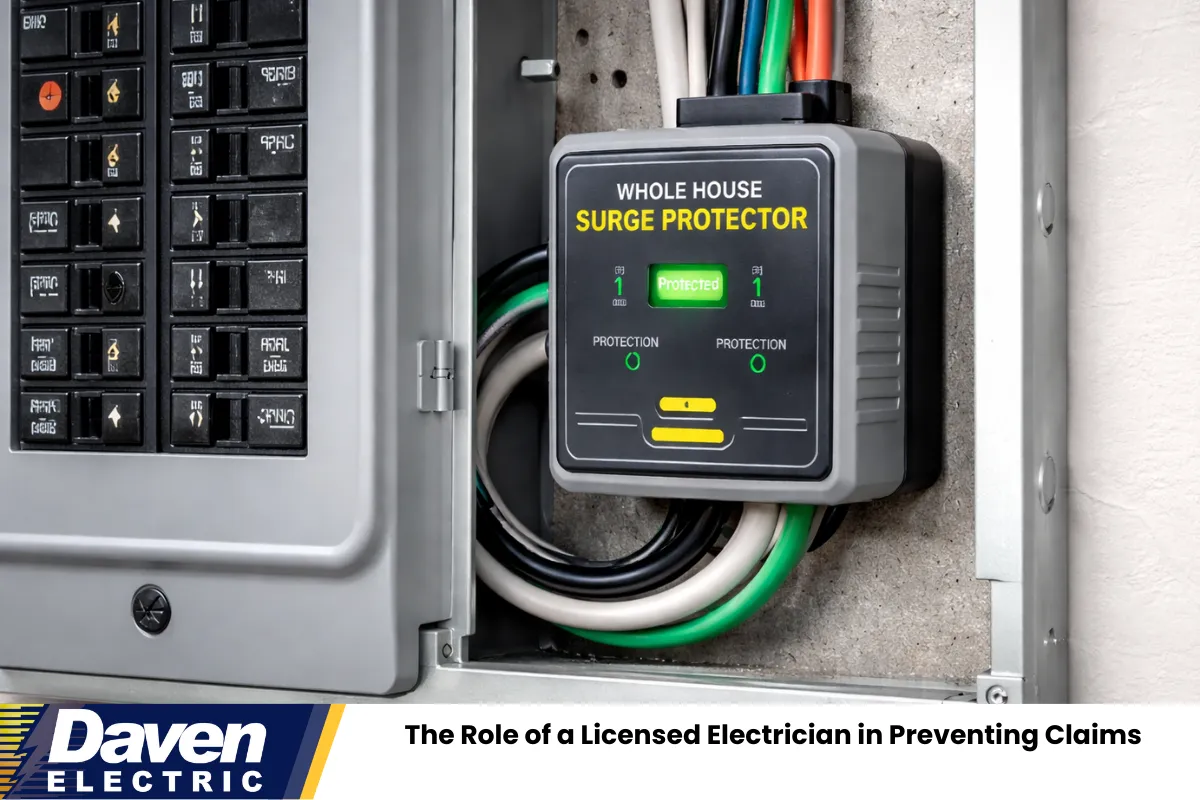
A qualified electrician does more than fix problems. They:
- Assess load capacity
- Upgrade outdated panels
- Improve grounding systems
- Install code-compliant surge protection
- Identify fire hazards
Preventative electrical service reduces the likelihood of catastrophic failure—and strengthens your position if you ever need to file a claim.
Insurance adjusters often ask whether your home’s electrical system was professionally maintained. Having documented upgrades from a licensed electrical contractor can support your case.
Is Surge Protection Required by Law in Brooklyn?
Currently, surge protection is not universally mandated for all existing residential properties in New York City. However, the National Electrical Code has increasingly recommended surge protection for dwelling units.
New construction and significant renovations may trigger updated code requirements.
Even when not required, installing protection is considered a best practice by most professionals in the electrical industry.
The Real Bottom Line for Homeowners
So, does homeowners insurance cover surge protection or surge damage?
- It usually covers damage from lightning or external utility issues.
- It may not cover internal wiring problems or neglect.
- It does not typically pay to install surge protection as a preventative upgrade.
The safest strategy combines proper insurance coverage with proactive electrical upgrades.
A licensed electrical contractor can help you avoid disputes, reduce risks, and protect your investment.
Brooklyn Electrician – Daven Electric Corp.
At Daven Electric Corp., we understand how frustrating electrical damage can be. As a trusted electrician serving Brooklyn, New York, we provide reliable electrical service designed to protect your home and your peace of mind. Whether you need a panel upgrade, whole-house surge protection, or a full system inspection after a power surge, we handle the work safely and in full compliance with NYC Electrical Code.
We take pride in delivering professional results and clear communication. Our team is ready to assess your system, explain your options, and provide cost-effective solutions. Call us today at (212) 390-1106 or fill out our contact form to schedule your service. Let Daven Electric Corp. keep your home powered and protected.
Frequently Asked Questions
1. Does homeowners insurance pay to install a whole-house surge protector?
Generally, homeowners insurance does not pay for preventative upgrades like installing a whole-house surge protector. Insurance policies are designed to cover sudden and accidental damage caused by covered perils, not improvements intended to prevent potential future losses. However, some insurance companies may offer discounts if you install protective devices. It’s best to check with your insurer directly. A licensed electrician can provide documentation of installation, which may help if your insurer offers risk-reduction incentives or premium adjustments.
2. Can a power surge cause hidden electrical damage?
Yes, a power surge can cause hidden damage inside wiring, outlets, and circuit breakers. Even if your appliances appear functional afterward, internal components may have weakened insulation or compromised connections. Over time, this hidden damage can lead to overheating or fire hazards. That is why it is important to schedule an electrical inspection after a major surge. A qualified electrical contractor can test circuits, evaluate the panel, and confirm whether your electrical service remains safe and compliant.
3. Will filing a surge claim increase my insurance premium?
Filing a claim can potentially affect your premium, especially if multiple claims are filed within a short time period. Insurance companies assess risk based on claims history. While one claim may not significantly increase your rate, repeated electrical damage claims could raise concerns. Before filing, compare the repair cost to your deductible. A licensed electrician can provide a repair estimate to help you determine whether filing a claim makes financial sense.
4. Are apartment owners responsible for surge protection in Brooklyn?
In multi-family buildings, responsibility often depends on ownership structure. Condo owners are usually responsible for their individual unit’s electrical system, while co-op or rental tenants may rely on building management for panel-level protections. However, personal electronics inside a unit remain the occupant’s responsibility. Reviewing your building’s bylaws or lease agreement is essential. Consulting an electrician can clarify whether installing additional surge protection inside your unit is possible and beneficial.
5. How often should surge protection systems be replaced?
Whole-house surge protectors typically last between five and ten years, depending on the number and severity of surges they absorb. Some models include indicator lights showing when replacement is necessary. If your area experiences frequent electrical disturbances, you may need replacement sooner. Regular electrical service inspections can help determine whether your surge protection device is still functioning properly. A licensed electrician can test the system and recommend timely replacement if needed.
Important Notice: This article is for informational purposes only and does not constitute legal or insurance advice. Coverage details vary by policy and provider. Always review your individual insurance policy and consult a licensed electrician for code-compliant electrical work in Brooklyn, New York.
Read Brooklyn Electrician: How Long Does Electrical Permit Remediation Usually Take?