Commercial Electrician in Manhattan services are often called after a failed inspection, electrical accident, or costly code violation—but by then, the damage is done. Many business owners assume ground fault protection only applies to bathrooms or kitchens. That misunderstanding can lead to serious safety risks, penalties, and unexpected shutdowns. In a city like Manhattan, where commercial properties range from restaurants and retail stores to office towers and medical facilities, electrical compliance is not optional. The solution starts with knowing exactly where GFCI outlets are required in commercial buildings and why. This guide breaks down current code requirements, safety standards, and how a qualified electrician helps you stay protected and inspection-ready.
Why GFCI Protection Matters in Commercial Buildings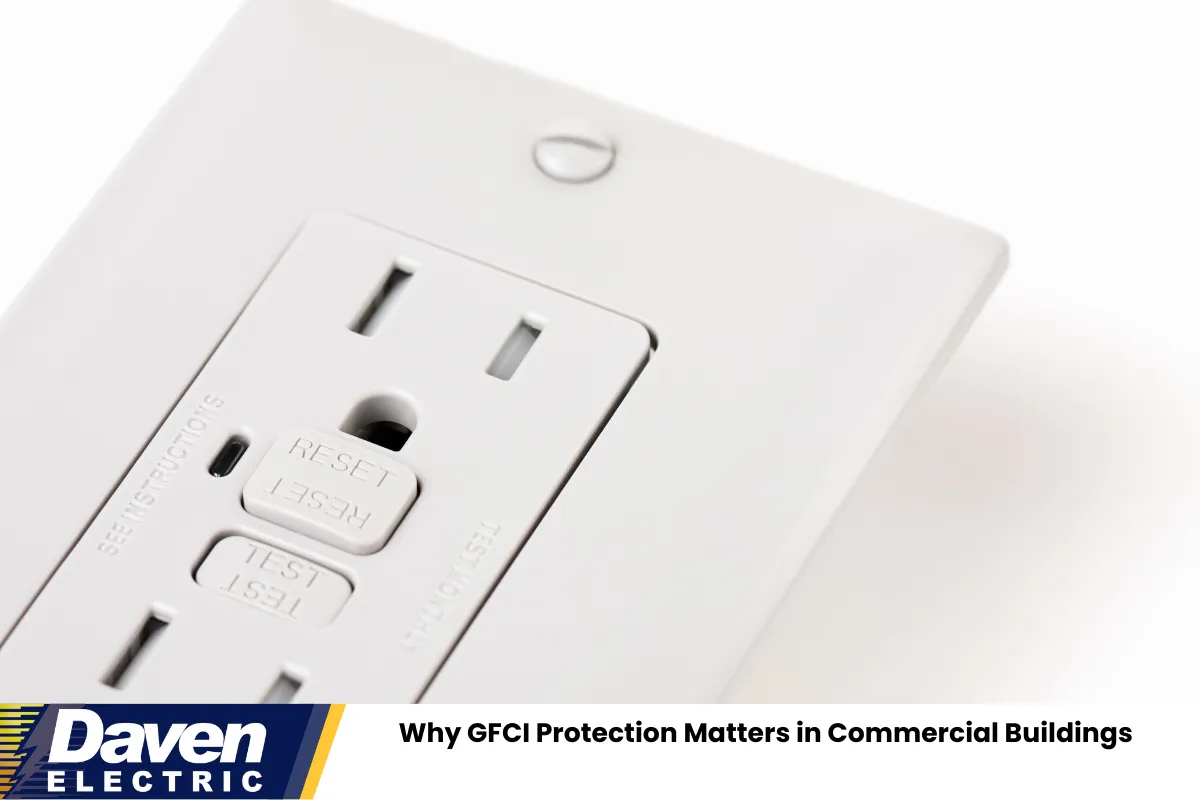
Ground Fault Circuit Interrupters (GFCIs) are designed to prevent electrical shock. They monitor the flow of electricity and quickly shut off power if a ground fault is detected—typically within milliseconds. In commercial settings where employees, customers, and equipment are constantly interacting with power sources, this protection is critical.
Unlike residential properties, commercial spaces often involve:
- Higher electrical loads
- Wet or damp environments
- Heavy-duty appliances
- Industrial-grade equipment
- Increased public access
A professional commercial electrician understands that even minor code violations can expose a business to liability. GFCI protection is not just about safety—it is also about compliance with the National Electrical Code (NEC), which New York City adopts with local amendments under the NYC Electrical Code.
How NYC Electrical Code Regulates GFCI Outlets
New York City follows the National Electrical Code with modifications adopted by the NYC Department of Buildings. Commercial electrical installations must comply with:
- The current adopted NEC edition (with NYC amendments)
- NYC Construction Codes
- Local inspection requirements
- Permitting and sign-off by a licensed electrical contractor
GFCI requirements are primarily found in NEC Article 210.8, which outlines where ground-fault protection is mandatory. In Manhattan commercial buildings, these rules apply to new installations, renovations, and certain upgrades.
Failing to meet GFCI requirements can result in:
- Failed electrical inspections
- DOB violations
- Fines and reinspection fees
- Insurance complications
- Safety hazards
This is why hiring a licensed electrician familiar with NYC codes is essential for any electrical service.
Required GFCI Locations in Commercial Properties
The NEC clearly defines where GFCI outlets must be installed in commercial occupancies. Below are the most common areas in Manhattan commercial buildings that require protection.
Bathrooms and Restrooms
All receptacles installed in commercial restrooms must have GFCI protection. This includes:
- Wall outlets near sinks
- Receptacles for hand dryers
- Janitorial outlets within restroom areas
Because water increases the risk of ground faults, this requirement is non-negotiable.
Commercial Kitchens and Food Prep Areas
Restaurants, cafés, catering facilities, and food production spaces must install GFCI protection for receptacles serving countertop surfaces. Protection is also required within six feet of sinks.
Common areas include:
- Prep tables
- Dishwashing stations
- Bar areas with sinks
- Coffee stations
In Manhattan’s dense restaurant industry, inspections are strict. A knowledgeable electrical contractor ensures compliance before the health department or building inspectors arrive.
Break Rooms and Employee Kitchens
Even in office buildings, employee break rooms require GFCI outlets near sinks and countertop spaces. Any receptacle within six feet of a water source must be protected.
This includes:
- Microwave outlets
- Coffee machine outlets
- Refrigerator circuits near sinks (when applicable)
Outdoor Receptacles
All outdoor outlets in commercial buildings must have GFCI protection. This applies to:
- Rooftop outlets
- Exterior façade receptacles
- Parking lot power sources
- Outdoor dining areas
- Signage outlets
In Manhattan, many commercial properties use outdoor receptacles for lighting, seasonal décor, or sidewalk operations. Ground fault protection is required regardless of weather exposure.
Rooftop HVAC and Mechanical Equipment
Recent NEC updates expanded GFCI requirements for HVAC equipment. In commercial buildings, receptacles used for servicing rooftop heating and cooling units often require GFCI protection.
These include:
- Service outlets near HVAC systems
- Maintenance receptacles within mechanical rooms
A commercial electrician must review load requirements carefully to ensure GFCI protection does not interfere with manufacturer specifications.
Basements, Utility Rooms, and Crawl Spaces
Any receptacle in unfinished basements or service areas requires GFCI protection. In Manhattan commercial buildings, this may include:
- Electrical rooms
- Boiler rooms
- Maintenance storage areas
- Utility corridors
These environments often contain moisture or exposed piping, increasing risk.
Garages and Parking Structures
Receptacles in commercial garages or parking facilities must have GFCI protection. This applies to:
- Maintenance outlets
- Electric vehicle charging support outlets (depending on configuration)
- Wall-mounted receptacles
Given the increase in EV infrastructure, many property managers consult an electrician before expanding service capacity.
Read Commercial Electrician in Manhattan: Do Restrooms in Businesses Require GFCI Outlets?
Areas Near Sinks (Six-Foot Rule)
One of the most misunderstood requirements involves the six-foot rule. Any receptacle within six feet of the outside edge of a sink must be GFCI protected.
This applies to:
- Office pantries
- Medical exam rooms
- Salon wash stations
- Laboratory counters
- Janitor closets
Even a single outlet within range must comply.
Specialized Commercial Spaces with GFCI Requirements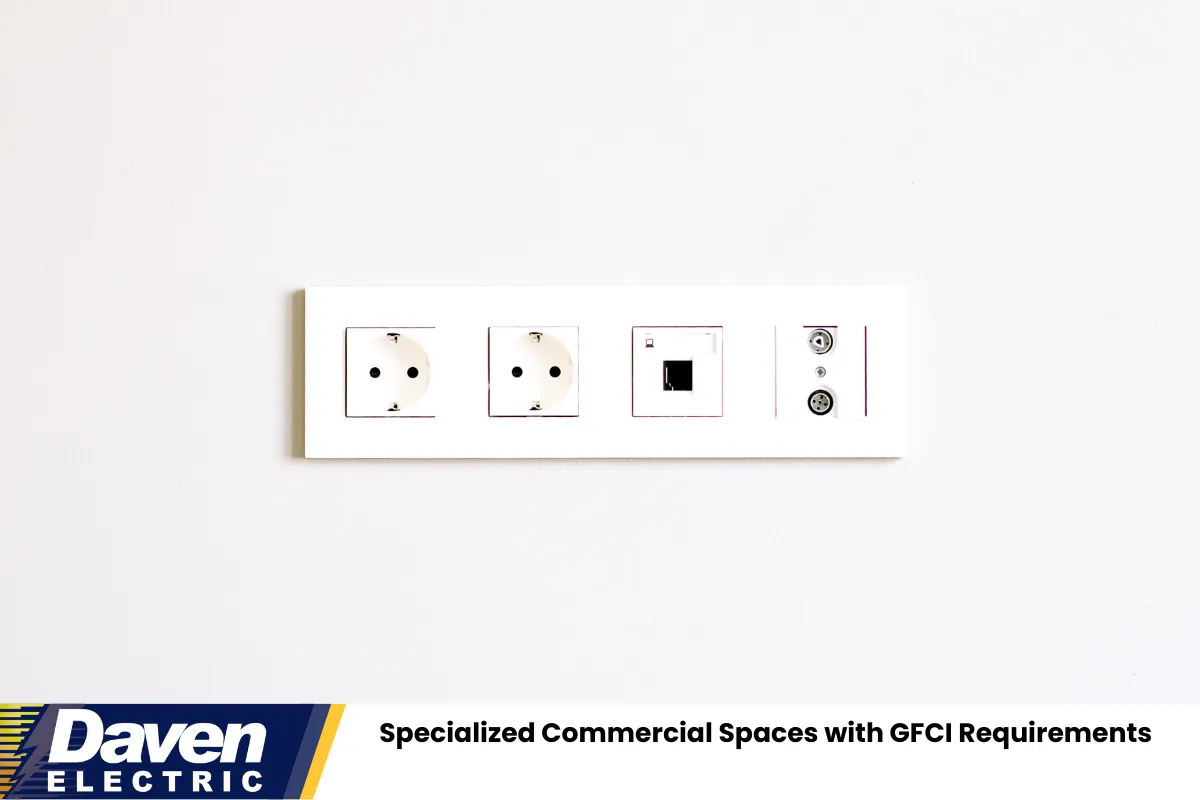
Certain occupancies have additional requirements beyond the standard list.
Healthcare Facilities
Medical offices, dental clinics, and outpatient facilities must follow additional NEC and healthcare facility guidelines. GFCI protection may be required in patient care areas unless isolated power systems are used.
An experienced electrical contractor evaluates each room classification carefully.
Laboratories
Laboratories handling water, chemicals, or conductive surfaces often require extensive GFCI coverage. This includes:
- Countertop outlets
- Equipment receptacles
- Wash-down areas
Coordination with building engineers is common in these projects.
Construction Sites
Temporary power systems on commercial construction sites require GFCI protection for personnel safety. OSHA regulations also mandate ground fault protection for temporary wiring.
GFCI Breakers vs. GFCI Receptacles
There are two primary ways to provide ground fault protection:
- GFCI Receptacles – Installed at the outlet location
- GFCI Circuit Breakers – Installed in the panel
Each option has advantages. Circuit breakers protect the entire branch circuit, while receptacles can protect downstream outlets.
A commercial electrician evaluates:
- Panel capacity
- Circuit design
- Accessibility
- Maintenance considerations
Proper labeling is also required under code.
Common Inspection Failures in Manhattan
Building inspectors frequently cite the following issues:
- Missing GFCI protection near sinks
- Outdoor outlets without weather-resistant covers
- Improper wiring of line and load terminals
- Lack of test functionality
- Absence of GFCI where renovations occurred
Working with a licensed electrical contractor reduces the risk of costly rework.
When Are GFCI Upgrades Required?
Existing buildings may need upgrades during:
- Tenant fit-outs
- Change of occupancy
- Panel replacements
- Major renovations
- Addition of new receptacles
NYC code often requires bringing modified systems up to current standards. Even minor electrical service work can trigger compliance updates.
The Role of a Licensed Electrical Contractor in Manhattan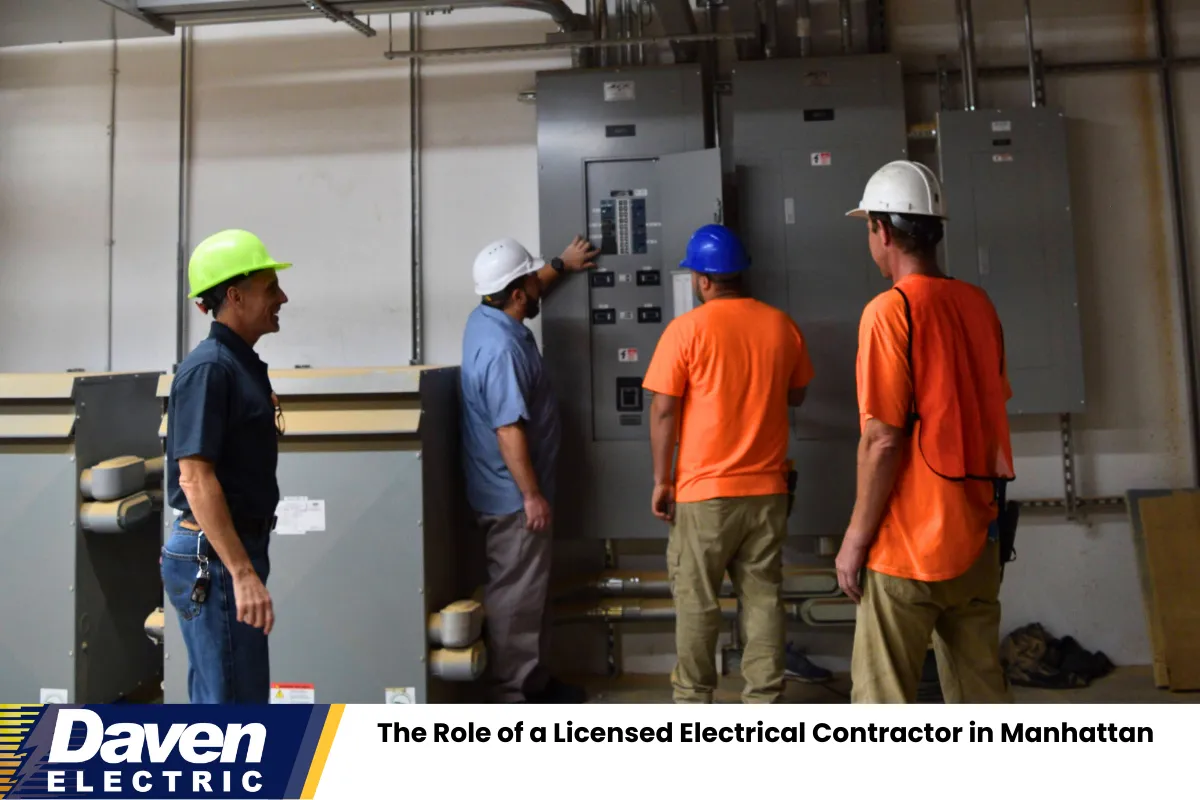
Commercial electrical work in New York City must be performed by a licensed professional. Permits are required for most commercial electrical installations.
A qualified electrician will:
- Pull permits when necessary
- Coordinate inspections
- Ensure NEC and NYC compliance
- Document installations properly
- Provide load calculations
- Verify grounding and bonding
Attempting DIY commercial electrical work is not permitted under NYC regulations.
Why GFCI Compliance Protects Your Business
Electrical accidents can lead to:
- Employee injuries
- Customer liability claims
- Equipment damage
- Insurance claim denials
- Business interruptions
Installing required GFCI protection minimizes these risks.
Beyond safety, compliance also supports:
- Successful Certificate of Occupancy issuance
- Smooth property sales
- Lease approvals
- Insurance underwriting
Planning GFCI Protection for Renovations
If you are renovating a Manhattan commercial space, plan for GFCI early. During design:
- Identify all sinks
- Map six-foot zones
- Review rooftop access
- Evaluate mechanical equipment
- Assess outdoor installations
Coordination between architects, engineers, and your electrical contractor avoids last-minute changes.
Final Thoughts on Staying Code-Compliant
Commercial buildings in Manhattan operate under strict electrical safety standards. GFCI outlet requirements extend far beyond bathrooms and kitchens. From rooftop equipment to office break rooms and parking garages, compliance is detailed and location-specific.
Partnering with a knowledgeable commercial electrician ensures your building meets current NEC and NYC code requirements. It also protects occupants, reduces liability, and prevents costly inspection failures.
Electrical safety is not an upgrade—it is a responsibility.
Commercial Electrician in Manhattan – Daven Electric Corp.
At Daven Electric Corp., we provide reliable electrical service for commercial properties across Manhattan and Brooklyn. As a trusted electrician serving New York City, we understand local codes, permitting requirements, and inspection standards. Whether you need GFCI upgrades, panel replacements, tenant build-outs, or emergency troubleshooting, we deliver safe and compliant solutions.
Our team works closely with property managers, business owners, and contractors to ensure every installation meets NYC regulations. We handle the details so your project moves forward without delays. If you are unsure whether your building meets GFCI requirements, call us at (212) 390-1106 or fill out our contact form today. Daven Electric Corp. is ready to protect your property with professional commercial electrical expertise.
Frequently Asked Questions
1. Do GFCI outlets need to be tested regularly in commercial buildings?
Yes. GFCI devices should be tested periodically to ensure they function properly. Most manufacturers recommend monthly testing using the built-in “test” and “reset” buttons. In commercial settings, property managers often include GFCI testing as part of routine maintenance programs. Some insurance carriers may also require documented safety checks. If a device fails to trip during testing, it must be replaced immediately. Regular inspections by a licensed electrician help identify worn or defective outlets before they create safety hazards.
2. Can GFCI protection interfere with commercial equipment?
In certain cases, sensitive equipment or large motors may experience nuisance tripping if improperly configured. However, modern GFCI devices are designed to reduce false trips. Proper circuit design and load calculations are essential. A commercial electrician evaluates equipment specifications and determines whether GFCI breakers or receptacles are appropriate. In some specialized installations, alternative protective measures may be permitted under code with engineering oversight.
3. Are weather-resistant GFCI outlets required outdoors in NYC?
Yes. Outdoor commercial receptacles must not only have GFCI protection but also be listed as weather-resistant and installed with approved in-use covers. NYC inspections often check for proper enclosures to ensure moisture protection. Simply installing a GFCI device is not enough; it must be rated for exterior conditions and installed according to manufacturer instructions.
4. Does replacing a standard outlet automatically require upgrading to GFCI?
If the outlet is located in an area where current code requires GFCI protection, then yes, replacement typically triggers compliance with current standards. NYC electrical code often mandates that altered or replaced receptacles meet modern safety requirements. Even small electrical service upgrades may require code updates.
5. Who is responsible for GFCI compliance in leased commercial spaces?
Responsibility depends on lease agreements, but building owners are generally accountable for core electrical systems. Tenants performing renovations must also comply with code requirements. During tenant fit-outs, permits and inspections are required. Consulting a licensed electrical contractor ensures all parties meet their obligations under NYC regulations.
Disclaimer: This article is for general informational purposes only and does not constitute legal or professional electrical advice. Always consult a licensed electrician and refer to current NYC Electrical Code requirements for project-specific guidance.