Why One Outlet in a Restroom Can Shut Down Your Business
Commercial Electrician in Manhattan professionals are often called after a failed inspection, a Department of Buildings violation, or worse—a serious electrical incident in a business restroom. A single non-compliant outlet near a sink can trigger fines, delay opening dates, or create a shock hazard for customers and staff.
Water and electricity are a dangerous mix. In restaurants, retail stores, office buildings, medical clinics, and other commercial properties throughout New York City, restrooms are high-risk areas for electrical faults. Business owners sometimes assume that if an outlet “works,” it’s compliant. That assumption can be costly.
The solution? Understanding whether GFCI outlets are required—and making sure your commercial electrician installs them according to New York City Electrical Code standards. In this article, we’ll break down what the law requires, why it matters, and how to stay compliant in Manhattan.
What Is a GFCI Outlet and Why Does It Matter in Commercial Restrooms?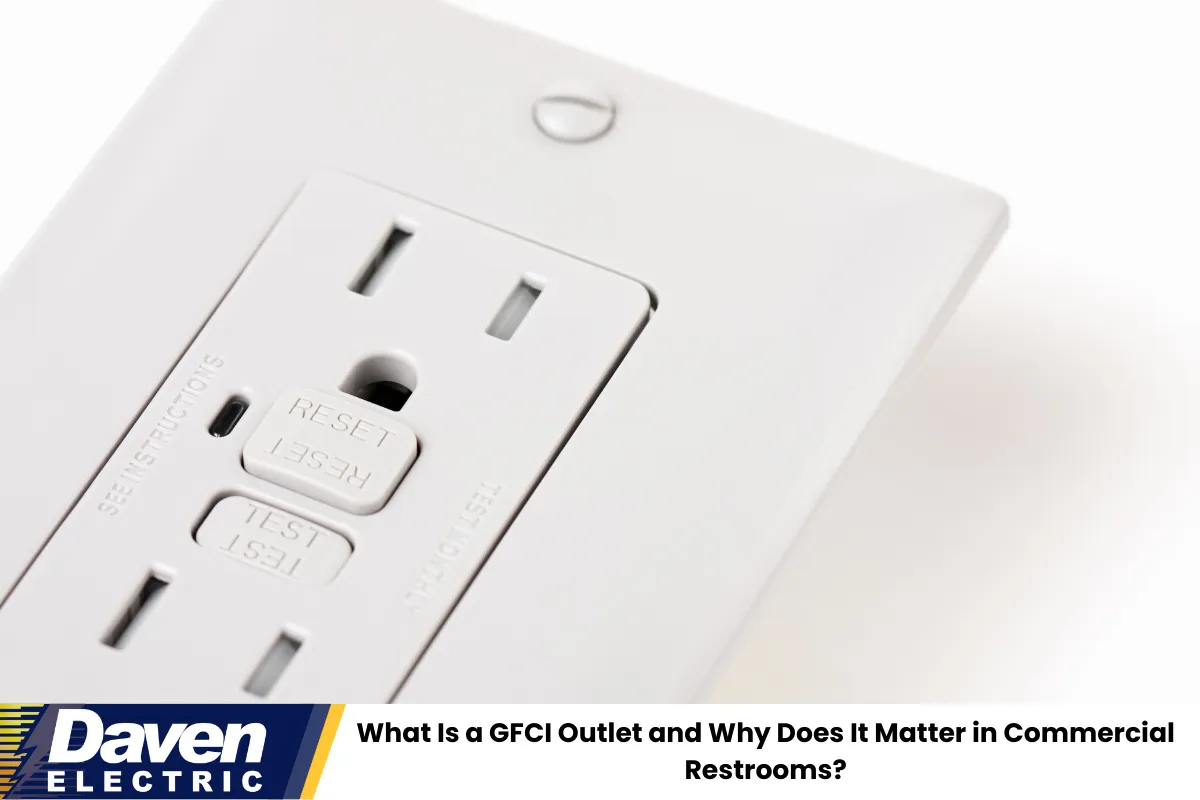
A Ground-Fault Circuit Interrupter (GFCI) outlet is a specialized receptacle designed to protect people from electric shock. It monitors the electrical current flowing through a circuit. If it detects even a small imbalance—such as current leaking through water or a person’s body—it shuts off power within milliseconds.
GFCI protection is especially important in:
- Bathrooms
- Kitchens
- Wet bars
- Outdoor areas
- Utility rooms
- Locations near sinks
In commercial spaces, the stakes are higher. Customers, employees, and inspectors expect strict safety compliance. An electrical contractor must ensure that restroom receptacles meet all required safety standards.
Do Commercial Restrooms in Manhattan Require GFCI Outlets?
Yes. Under the National Electrical Code (NEC), which is adopted and modified by New York City as part of the NYC Electrical Code, all 125-volt, single-phase, 15- and 20-amp receptacles installed in bathrooms must have GFCI protection.
This applies to commercial properties, not just residential homes.
Key Code Reference
- NEC 210.8(B) – GFCI protection for receptacles in non-dwelling units
- NYC Electrical Code – Adopts NEC with amendments
- Enforced by NYC Department of Buildings (DOB)
If your business restroom contains an electrical outlet—even one used only by cleaning staff—it must be GFCI-protected.
What Types of Commercial Properties Are Covered?
GFCI requirements apply broadly across industries. A commercial electrician working in Manhattan typically installs GFCI outlets in restrooms for:
- Restaurants and cafés
- Office buildings
- Retail stores
- Hotels
- Medical and dental offices
- Schools and daycare centers
- Warehouses with employee restrooms
- Fitness centers and gyms
Even if the restroom is marked “employees only,” the code still applies.
Are There Any Exceptions?
Generally, restroom receptacles in commercial buildings must have GFCI protection. However, there are some limited scenarios involving:
- Hardwired equipment (not cord-and-plug connected)
- Certain industrial installations
- Special voltage systems outside 125–250 volts (subject to code review)
In most Manhattan business environments, these exceptions rarely apply to restroom outlets.
A licensed electrician should always review the specific installation and load requirements before determining compliance.
Why Manhattan Enforces Strict Electrical Standards
New York City has unique electrical demands:
- High-density buildings
- Mixed-use commercial properties
- Heavy foot traffic
- Strict Department of Buildings oversight
- Frequent inspections for tenant fit-outs and renovations
The NYC Electrical Code is designed to reduce fire risk and electrical injury. In wet locations like restrooms, GFCI outlets are a critical layer of protection.
An experienced electrical contractor understands both the NEC and NYC amendments, ensuring installations pass inspection the first time.
The Real Risks of Skipping GFCI Protection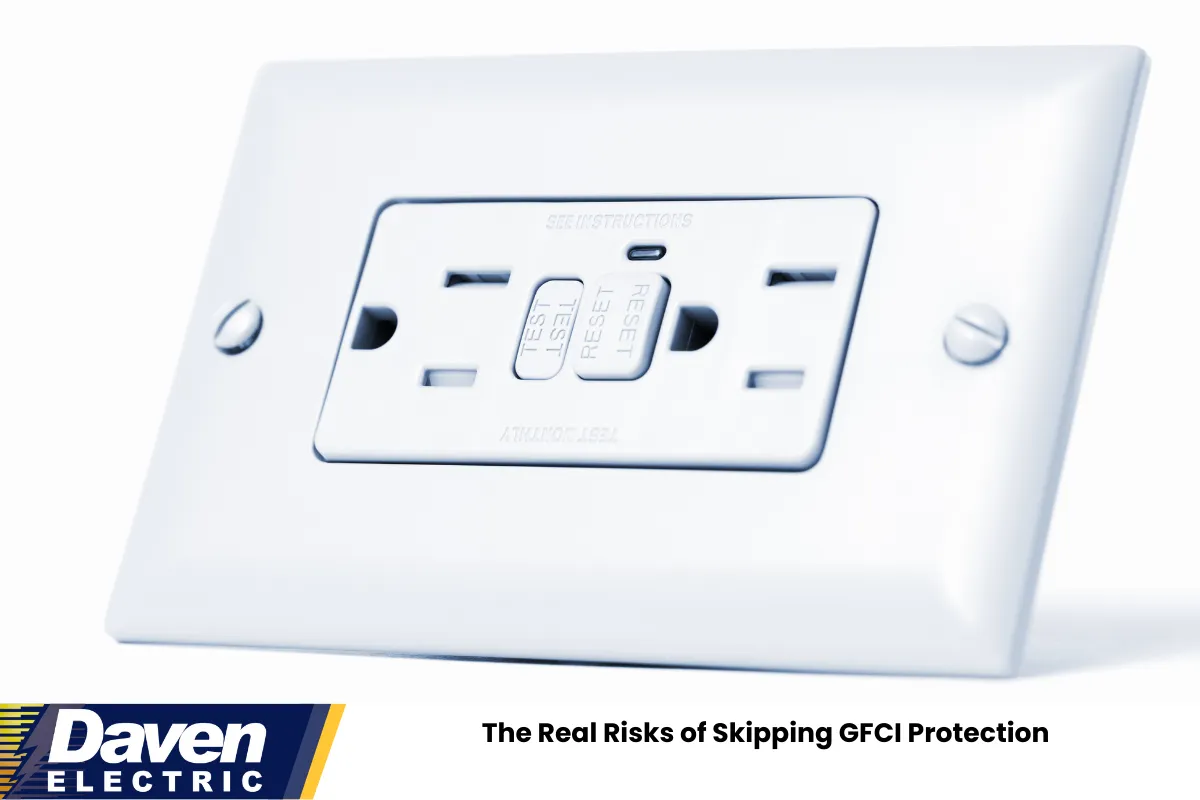
Ignoring GFCI requirements can create serious consequences:
1. Electrical Shock Liability
Water on countertops, wet hands, or damaged cords can create a path to ground. Without GFCI protection, the result could be severe injury.
2. Failed Inspections
During tenant build-outs or renovations, inspectors check restroom receptacles. Non-compliance can delay your Certificate of Occupancy or sign-off.
3. Violations and Fines
The NYC Department of Buildings may issue violations that require correction by a licensed electrician.
4. Insurance Complications
If an injury occurs and the electrical system is not code-compliant, liability exposure increases.
For Manhattan businesses, prevention is far less expensive than correction.
GFCI Outlet vs. GFCI Circuit Breaker: What’s the Difference?
A commercial electrician may provide GFCI protection in two ways:
GFCI Receptacle
- Installed directly at the outlet
- Has “Test” and “Reset” buttons
- Protects that outlet (and sometimes downstream outlets)
GFCI Circuit Breaker
- Installed in the electrical panel
- Protects the entire circuit
- No visible test/reset at the receptacle
In many commercial restrooms, GFCI receptacles are most common because they allow easy testing by maintenance staff.
Placement Requirements in Commercial Bathrooms
Under NEC and NYC Electrical Code guidelines:
- At least one receptacle must be installed within 3 feet of the sink basin edge.
- That receptacle must have GFCI protection.
- All 125-250 volt receptacles in the bathroom require GFCI protection, regardless of distance from the sink.
This means you cannot simply place a non-GFCI outlet “far enough away” from water. The entire bathroom area triggers the requirement.
What About Hand Dryers and Hardwired Equipment?
Hand dryers in commercial restrooms are often hardwired rather than plugged into a receptacle.
If the unit is hardwired:
- GFCI may not be required unless specified by manufacturer instructions.
- The installation must follow listing requirements and NYC code.
If the dryer plugs into an outlet:
- That outlet must be GFCI-protected.
Manufacturer installation instructions are enforceable under the code, meaning an electrician must follow both the NEC and equipment guidelines.
Read Commercial Electrician in Manhattan: Where Are GFCI Outlets Required in Commercial Buildings?
Renovations, Tenant Build-Outs, and Code Upgrades
Many Manhattan businesses operate in older buildings. When renovations occur, code compliance becomes mandatory.
Situations that trigger upgrades:
- Adding a new receptacle
- Relocating plumbing fixtures
- Converting residential to commercial space
- Filing electrical permits with NYC DOB
- Major alterations under an electrical contractor
If you open a new business in Manhattan and renovate the restroom, expect GFCI compliance to be required—even if the building is decades old.
The Role of a Licensed Electrical Contractor in NYC
New York City requires electrical work to be performed by a licensed Master Electrician or under their supervision. Filing and sign-off procedures are strict.
A professional commercial electrician handles:
- Permit applications
- Load calculations
- Panel evaluations
- GFCI installation
- Inspection coordination
- Final sign-off
DIY electrical work in a commercial setting is illegal and dangerous.
How GFCI Testing and Maintenance Protect Your Business
Installing a GFCI outlet is only the first step. Ongoing maintenance matters.
Recommended Practices:
- Test GFCI outlets monthly using the “Test” button
- Replace units that fail to reset
- Inspect for moisture damage or corrosion
- Ensure cleaning crews do not disable outlets
Some commercial property managers schedule annual electrical service inspections to verify safety compliance.
ADA and Restroom Electrical Considerations
While the Americans with Disabilities Act (ADA) focuses on accessibility, it indirectly affects electrical installations.
Receptacles must be:
- Installed at compliant heights
- Accessible without obstruction
- Properly mounted and secure
A knowledgeable electrician ensures both safety code and accessibility standards are met.
Common Inspection Failures in Manhattan Commercial Bathrooms
Electrical inspectors frequently cite:
- Non-GFCI outlets near sinks
- Reverse polarity wiring
- Missing covers
- Improper grounding
- Shared neutral issues
- Lack of permits
Addressing these issues early avoids delays and costly rework.
Energy Efficiency and Modern Upgrades
Many businesses upgrade restroom electrical systems during renovations by adding:
- LED lighting
- Occupancy sensors
- Energy-efficient hand dryers
- Touchless fixtures
While these upgrades improve sustainability, they must still comply with GFCI and NYC electrical standards.
Commercial Electrician in Manhattan – Daven Electric Corp.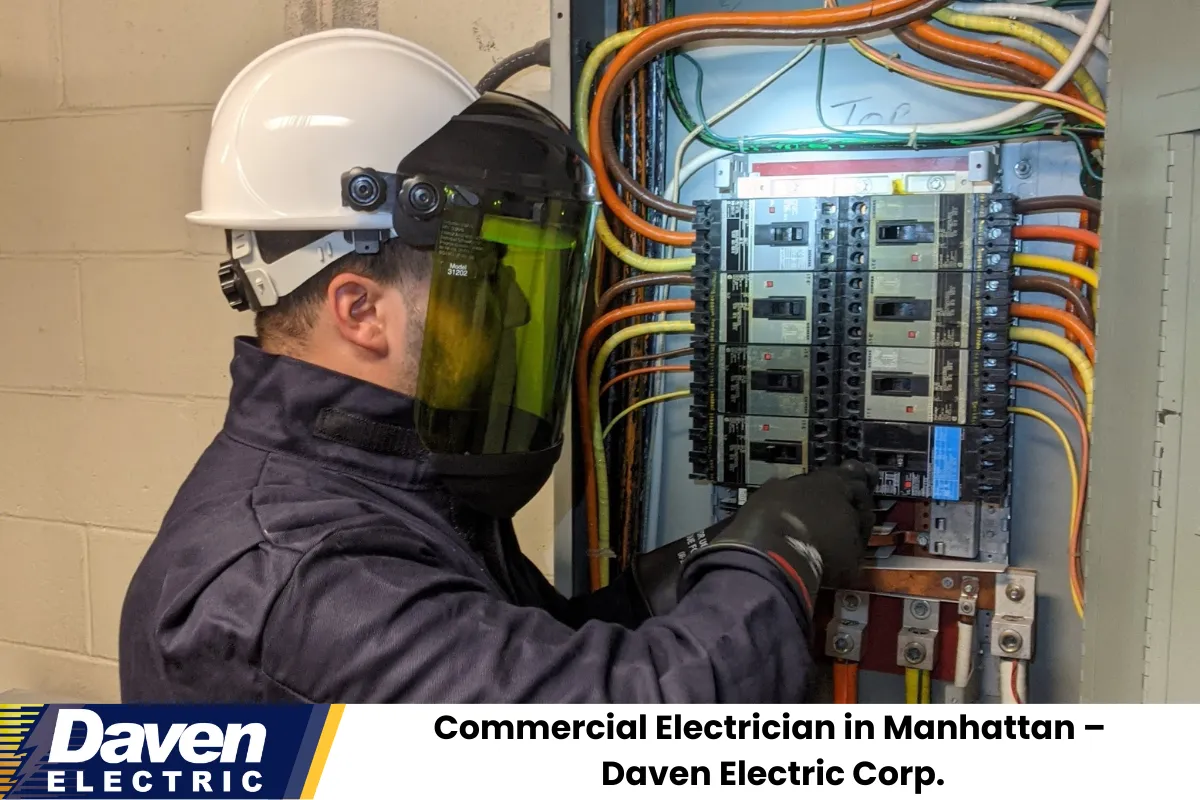
We understand how critical electrical compliance is for Manhattan businesses. At Daven Electric Corp., we provide professional electrician services from our base in Brooklyn, New York. Whether you’re renovating a restroom, opening a new retail space, or correcting a violation, we ensure every outlet meets NYC Electrical Code requirements.
Our team handles permits, inspections, and precise GFCI installations so your commercial property stays safe and compliant. We approach every electrical service with attention to detail, ensuring your system passes inspection the first time.
If you need a trusted commercial electrician for restroom upgrades or any electrical contractor services, call us at (212) 390-1106 or fill out our contact form today. We’re ready to help your business operate safely and confidently.
Frequently Asked Questions
1. Do GFCI outlets need to be tamper-resistant in commercial restrooms?
Yes, in many cases they do. Tamper-resistant receptacles are required in areas accessible to the public to prevent foreign objects from being inserted into the slots. In commercial restrooms open to customers, installing tamper-resistant GFCI outlets is often necessary to meet safety standards. Even in employee-only restrooms, local interpretation of the NYC Electrical Code may require them depending on occupancy classification. A licensed electrician can determine whether your specific business type requires tamper-resistant devices.
2. How often should GFCI outlets be replaced in commercial properties?
There is no fixed replacement schedule in the code, but GFCI outlets typically last 10 to 15 years depending on usage and environmental conditions. High-moisture environments like restrooms can shorten lifespan. If a unit fails testing, trips frequently without cause, or does not reset properly, it should be replaced immediately. Many businesses include GFCI inspection as part of annual electrical service maintenance to ensure continued protection.
3. Can one GFCI outlet protect multiple outlets in a restroom?
Yes, one GFCI receptacle can protect downstream outlets wired to its load terminals. However, proper wiring is critical. If incorrectly installed, downstream outlets may not be protected even if they appear connected. In commercial installations, it’s common to use either individual GFCI receptacles or a GFCI breaker for clarity and easier troubleshooting. An electrical contractor should verify wiring configuration to ensure full compliance and protection.
4. Are GFCI requirements different for high-voltage equipment?
Yes. Standard GFCI requirements typically apply to 125–250 volt receptacles. Higher voltage systems or three-phase equipment may fall under different sections of the code. Some commercial restroom equipment, such as large electric water heaters, may have separate protective requirements. These installations must follow both manufacturer instructions and NYC Electrical Code provisions. Consulting a commercial electrician ensures correct interpretation.
5. What happens during a NYC electrical inspection for restroom compliance?
An inspector reviews receptacle placement, verifies GFCI protection, checks grounding continuity, and confirms permit documentation. They may use testing equipment to simulate ground faults and ensure devices trip correctly. If violations are found, corrections must be made by a licensed electrician before sign-off. Passing inspection ensures your business can legally operate and protects you from potential liability.
Final Thoughts on Restroom GFCI Compliance in Manhattan
In Manhattan’s demanding commercial environment, restroom GFCI outlets are not optional—they are required by electrical code. Whether you operate a restaurant, retail store, office, or medical facility, GFCI protection reduces shock risk and ensures compliance with NYC regulations.
Working with a qualified commercial electrician protects your business, your customers, and your employees. Electrical safety is not just about passing inspection—it’s about preventing harm before it happens.
Disclaimer: This article is for general informational purposes only and does not constitute legal or professional engineering advice. Electrical code requirements may change. Always consult a licensed electrician or the NYC Department of Buildings for project-specific guidance.