Brooklyn electrician visits are one of those things most property owners put off until something goes wrong-a breaker that keeps tripping, a burning smell behind a wall, or a deal that falls apart during a home inspection. The question comes up constantly: is an electrical inspection actually worth the money, or is it just another upsell?
The short answer is yes, and the reasoning is straightforward. Brooklyn’s housing stock is older, denser, and more electrically demanding than most places in the country. Pre-war brownstones still running on 60-amp service panels, basements prone to flooding, salt air corrosion near the waterfront, and modern loads like window AC units, space heaters, and EV chargers all create a perfect environment for electrical failures that nobody sees coming.
This article breaks down what a residential electrician actually checks during an inspection, when you should schedule one, what it costs in the New York City area, how the process ties into real estate transactions and insurance, and what to look for when hiring a commercial electrician or electrical contractor for your property. Whether you own a single-family home, manage a multifamily building, or run a small business in Brooklyn, the information here will help you make a confident decision.
Key Takeaways
- Electrical inspections in Brooklyn are worth the investment because they catch hidden hazards, prevent house fires, and help you pass home inspection and insurance checks without surprises.
- Both older brownstones and newer condos can conceal wiring defects, overloaded circuits, or outdated electrical panel configurations that only a qualified electrician will identify through systematic testing.
- Inspections are especially critical before buying or selling property, after major renovations, when adding heavy appliances like EV chargers or central AC, or if you notice warning signs such as tripping breakers, flickering lights, or burning smells.
- The cost of an inspection in Brooklyn typically ranges from $150 to $400, which is modest compared with the financial and legal consequences of an electrical fire, shock injury, or failed compliance review.
- Homes over 25 years old often contain outdated electrical systems, making routine inspections every three to five years a smart practice for most homeowners.
What an Electrical Inspection Really Covers in a Brooklyn Property
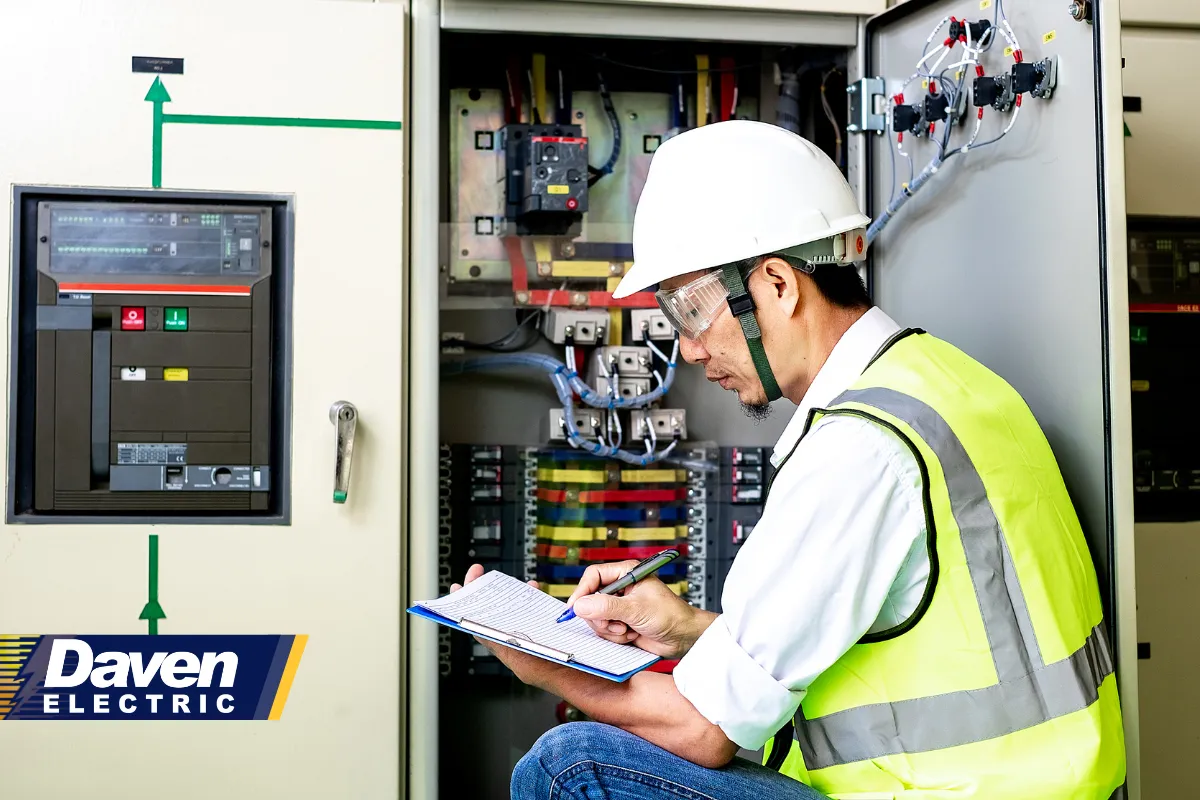
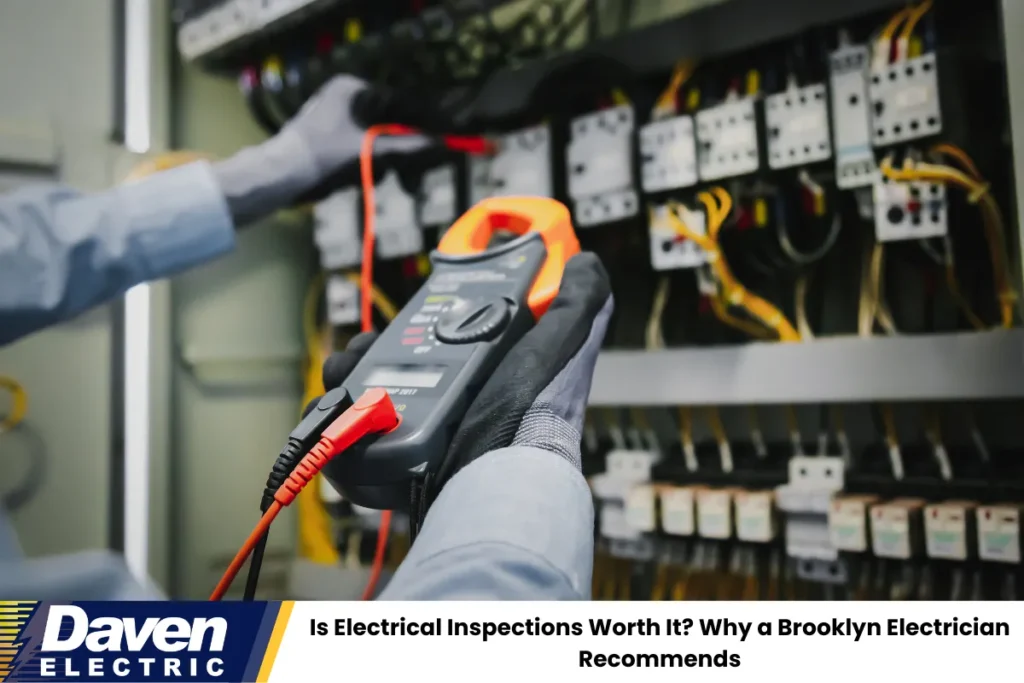
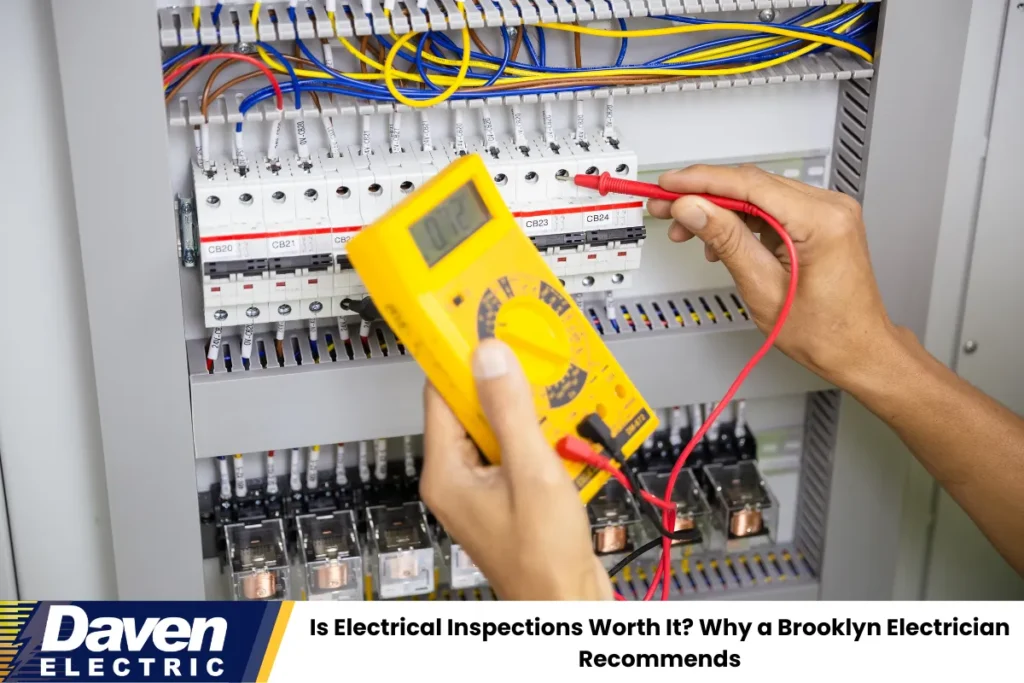
An electrical inspection is a systematic, code-based evaluation of your entire electrical system. It goes far beyond opening a panel door and checking for tripped breakers. Licensed electricians follow National Electrical Code standards as adopted and amended by New York City, including the 2025 NYC Electrical Code that took full effect in late 2025.
Here is what a thorough inspection typically covers:
- Service entrance, utility meter, and main disconnect
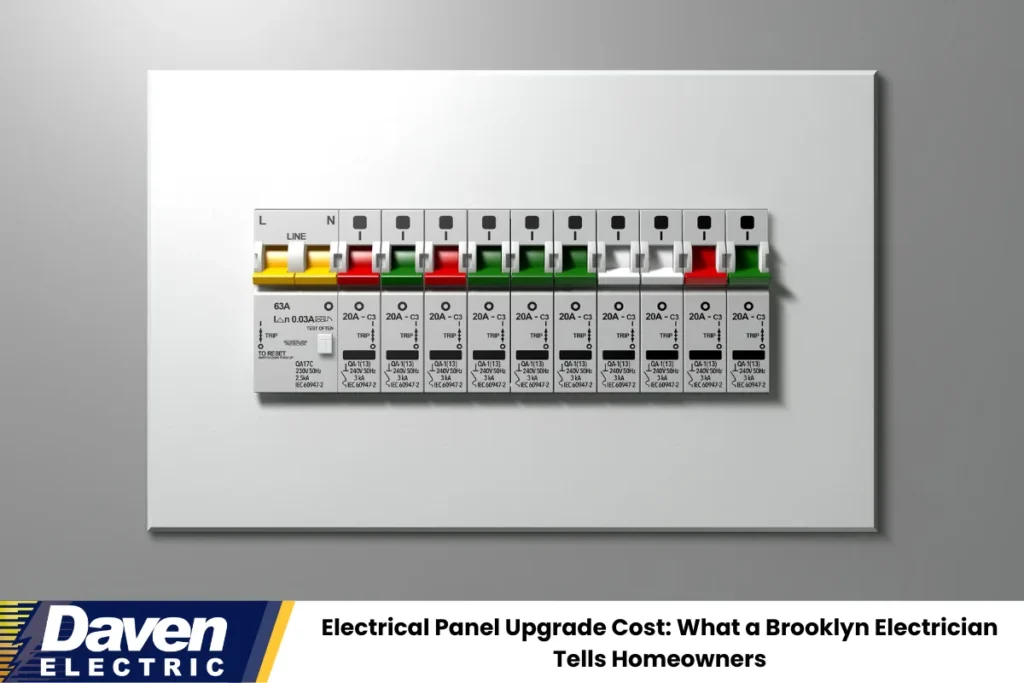
- The electrical panel itself: breaker condition, bus bar integrity, proper labeling, and whether breaker sizes match wire gauge
- Branch circuit wiring, including insulation condition and grounding conductors
- Junction boxes for proper enclosure and accessibility
- All outlets, switches, and fixtures for correct connections and tightness
- GFCI protection in kitchens, bathrooms, basements, and outdoor areas
- AFCI protection in sleeping areas and other required locations
- Bonding and grounding throughout the system
Inspections also flag common local issues like double-tapped breakers, exposed wiring, knob-and-tube remnants in pre-war buildings, and unpermitted DIY electrical work that skipped code review entirely. Inspections can identify outdated wiring that poses safety risks long before it causes a problem.
The final deliverable is usually a written report listing immediate hazards, recommended repairs, and suggested upgrades, complete with photos and code references. Buyers, sellers, landlords, and insurers all rely on these reports to verify the condition of a property’s wiring.
When Brooklyn Homeowners and Buyers Should Schedule an Electrical Inspection
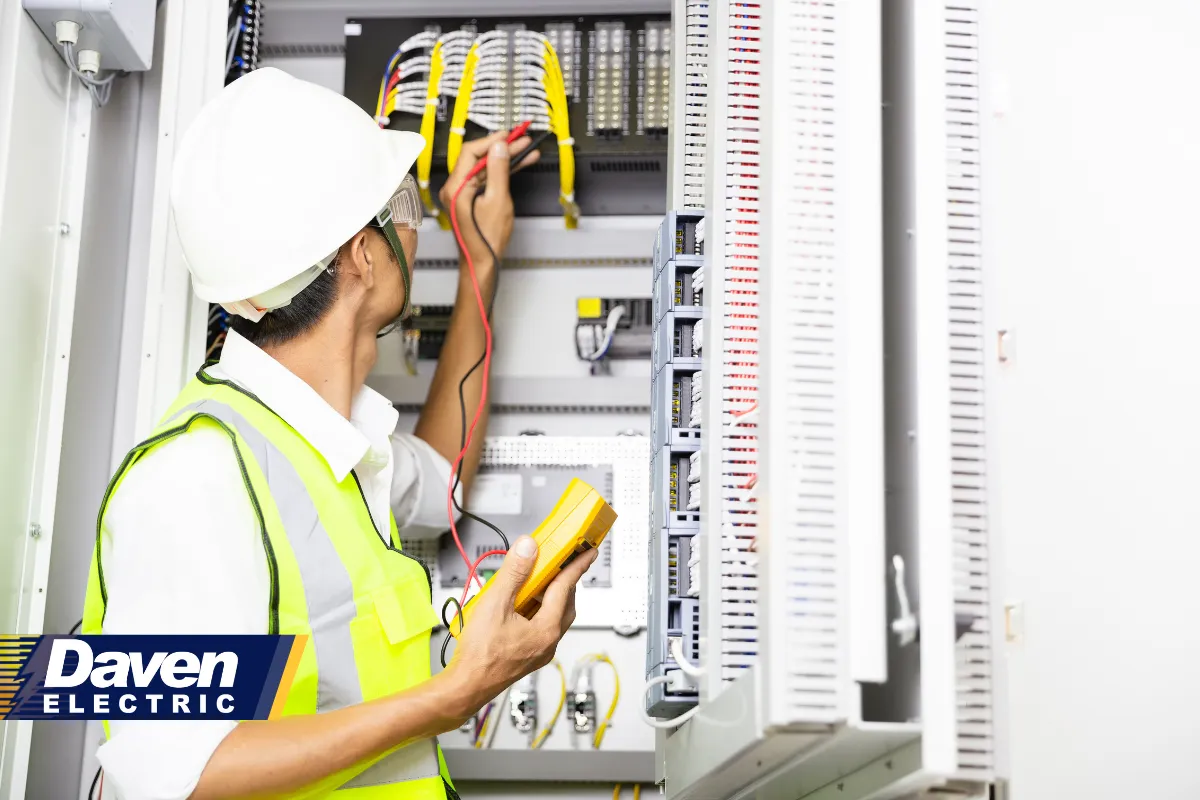
Timing matters more than most homeowners realize. A proactive inspection prevents emergencies, protects real estate transactions, and keeps insurance coverage intact.
Get an inspection before buying a home or adding a major appliance. Even if you already have a general home inspection scheduled, a home inspector performs only a visual, surface-level review. A licensed electrician opens panels, tests circuits, and evaluates the existing system against current code-something a general inspector is not trained or licensed to do.
Schedule an inspection before or after any major home renovations or upgrades-kitchen remodels, bathroom additions, basement conversions, or attic build-outs. Inspect after severe weather events, especially in Brooklyn neighborhoods prone to flooding, where water damage can compromise wires, connections, and panel components.
You should also inspect if you experience sudden or recurring electrical problems. Common signs that trigger an inspection include flickering lights and tripping breakers, warm outlet covers, buzzing sounds behind walls, or a burning odor near devices or switches.
Homes over 25 years old often contain outdated wiring and should receive periodic inspections. Routine inspections are recommended every three to five years for older homes, and every three to ten years for newer properties depending on usage. Daily-use appliances can overload circuits in older homes, making frequent checks especially important.
For commercial scenarios-retail build-outs, restaurant kitchen upgrades, office tenant fit-outs-an inspection by an electrical contractor with direct experience navigating NYC Department of Buildings requirements is essential. Some insurers and mortgage lenders also require proof of past inspections before issuing or renewing coverage, especially after prior claims or during refinancing.
How Electrical Inspections Prevent Fires, Shocks, and Costly Damage
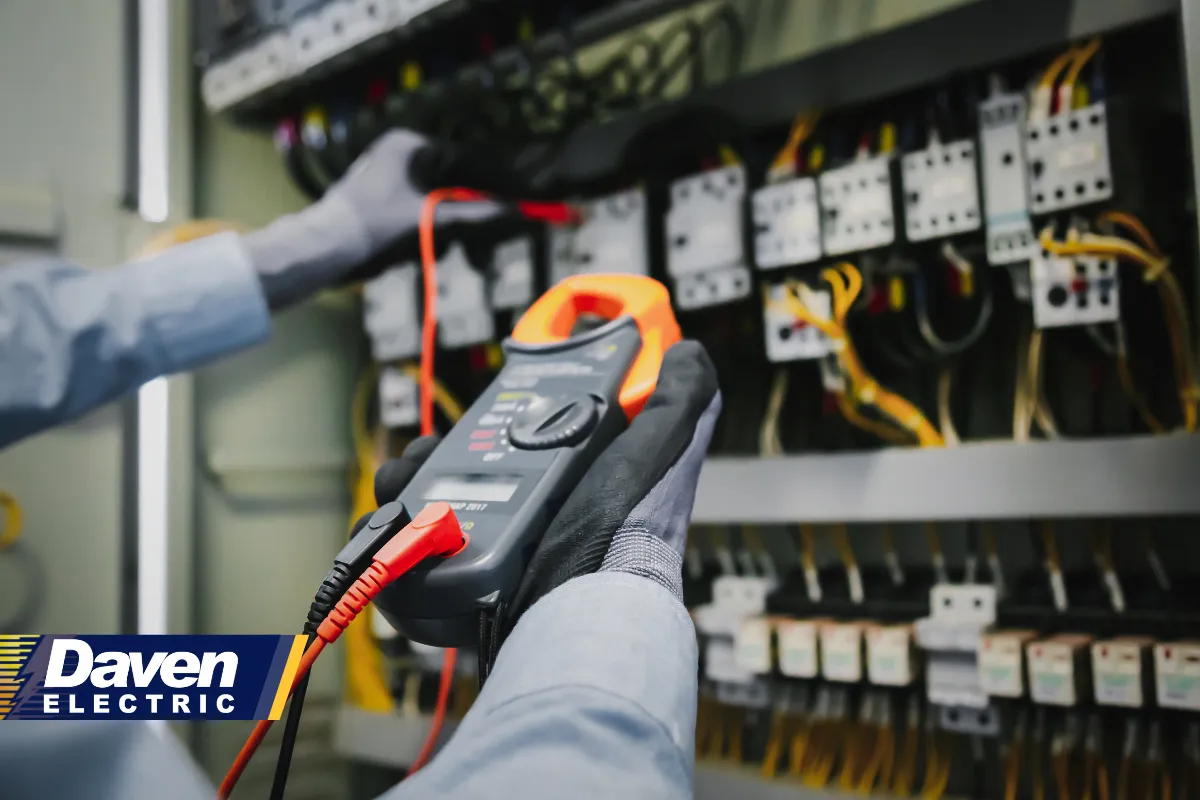
Electrical malfunctions are a leading cause of residential fires in the United States. National data shows approximately 23,700 residential fires per year are attributed to electrical failures. In New York City alone, electrical issues accounted for nine of the first twenty-nine fire deaths reported in 2026-nearly a third of the total. In dense Brooklyn blocks, a fire in one unit can threaten an entire building and its neighbors.
Inspections help identify hidden electrical hazards before they escalate. Specifically, they catch:
- Overloaded circuits and undersized conductors
- Deteriorated insulation on older wires
- Corroded bus bars inside the electrical panel
- Loose connections and terminations that generate heat
- Outdated breakers that may not trip under overload conditions
- Electrical inspections identify overloaded panels that may cause danger
Shock and electrocution risks are equally serious. Missing grounding, damaged receptacles, metal boxes without proper bonding, and the absence of GFCI protection near water sources all create life-threatening conditions that an inspection brings to light.
Beyond safety, inspections reduce property damage risk. Surges and shorts can destroy electronics. Nuisance outages cost small businesses revenue. Basement flooding combined with compromised wiring creates conditions where water damage and electrical issues compound each other.
Electrical inspections can prevent house fires caused by malfunctions. Compare the modest cost of an inspection to the potential tens of thousands in fire repairs, medical bills, business interruption, or code violation fines. The math is not close.
Read What Does a Brooklyn Electrician Charge for an Electrical Inspection?
Brooklyn-Specific Risks: Old Wiring, Heavy Loads, and NYC Code Compliance
Brooklyn’s mix of pre-war brownstones, mid-century multifamily buildings, and mixed-use properties creates electrical challenges you will not find in newer suburbs. Aging infrastructure in urban areas like Brooklyn may necessitate more frequent electrical inspections than standard guidelines suggest.
Many buildings still contain original wiring-knob-and-tube from the 1880s through the 1940s, cloth-sheathed cable with deteriorating rubber insulation, or fuse boxes that were never converted to modern circuit breakers. These systems were designed for a handful of lights and a radio, not for today’s appliance loads.
Stacked apartments running multiple window AC units, portable space heaters drawing heavy current, increasing EV charger installations, and home office setups with computers and monitors all stress an existing system that may already be near capacity. Regular inspections ensure compliance with current electrical codes and help property owners plan upgrades before a failure occurs.
The NYC Electrical Code, which adopts the 2020 NEC with local amendments, expanded requirements for AFCI and GFCI protection, updated plan review thresholds, and tightened permitting rules. Unpermitted electrical work can trigger violations, fines, and serious complications at resale. A qualified electrical contractor familiar with Brooklyn buildings can correctly distinguish between grandfathered conditions and true code violations, then recommend a realistic upgrade path that keeps you in compliance without unnecessary expense.
What an Electrical Panel “Tune-Up” and System Upgrade Can Do for You
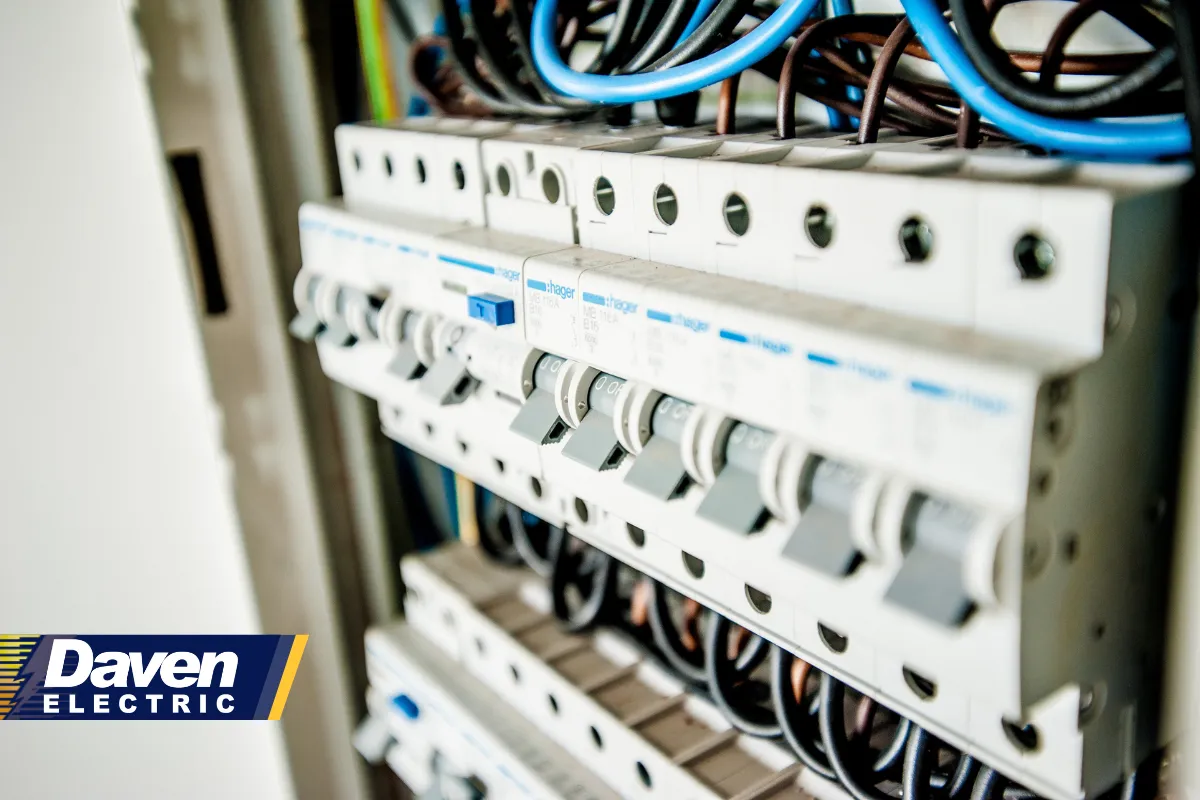
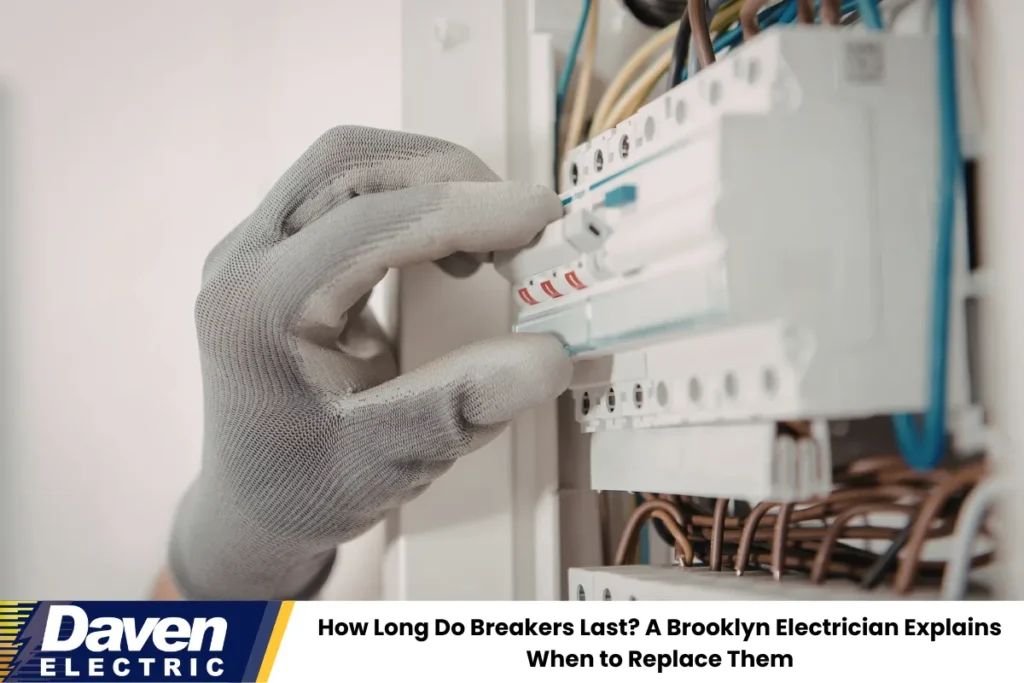
The electrical panel is the heart of your system, controlling how safely power flows to every circuit in your home or business. During an inspection, a qualified electrician checks torque on all connections, verifies that breaker sizes match conductor ratings, confirms accurate circuit labeling, and looks for double-tapped breakers or signs of overheating.
When loads exceed the panel’s capacity, a full service upgrade may be recommended. Common triggers include adding central AC, installing an EV charger, switching to an induction range, or converting a one-family property into a two-family home. Upgrading from a 100-amp to a 200-amp service is the most frequent job in this category across Brooklyn.
Modern protective devices play a major role in these upgrades. AFCI breakers detect arcing faults that start fires. GFCI breakers protect against shock in wet locations. Surge protection guards electronics. Tamper-resistant receptacles add safety in homes with children. Inspections identify exactly where these devices should be added based on current code.
Beyond safety, panel upgrades improve reliability, reduce nuisance trips, and can even improve your home’s energy efficiency by supporting modern, high-efficiency appliances properly. Upgraded systems also increase property value and produce smoother home inspection reports when it comes time to sell.
Cost of Electrical Inspections vs. The Real-World Value
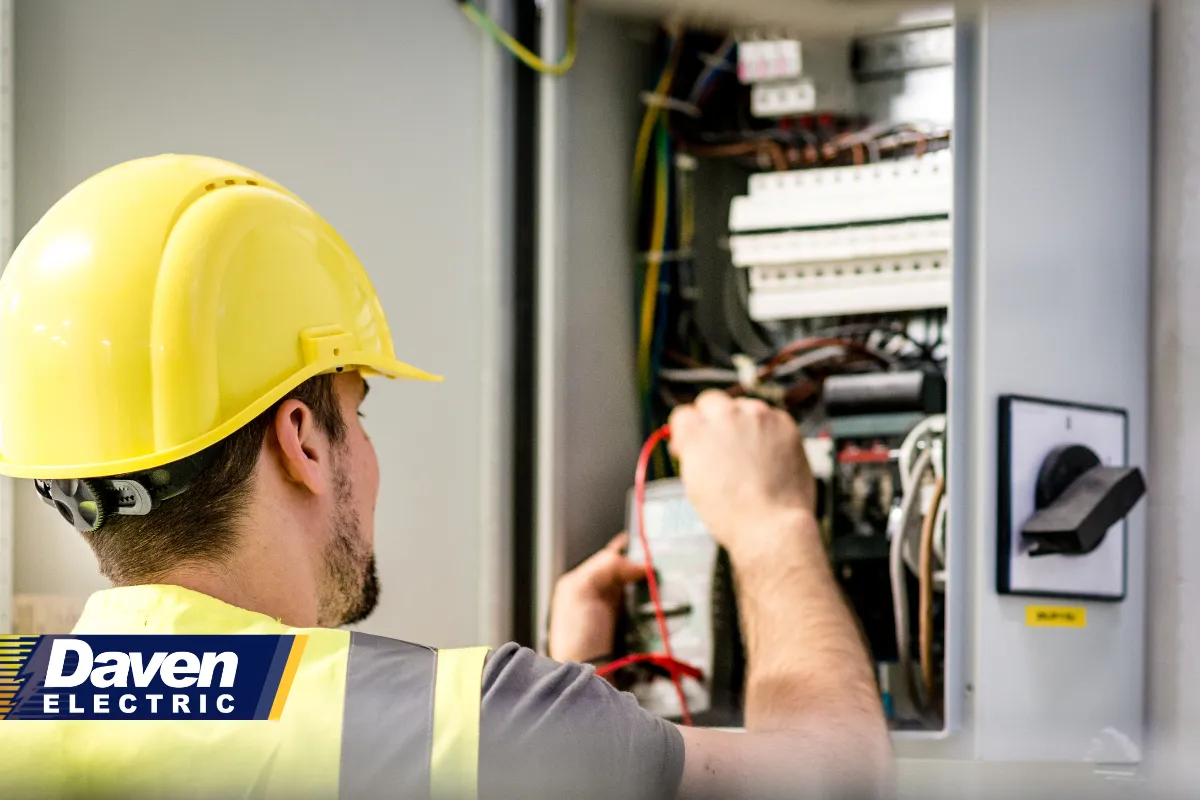
Electrical inspections typically cost between $150 and $400 in the New York City area. Inspection costs vary based on home size and age, with small apartments on the lower end and larger multi-unit or commercial spaces toward the higher end. Specialized testing like infrared thermal scanning or load analysis may add to the total, as will documentation packages required for insurance or legal purposes.
To put that cost in perspective, here are common Brooklyn repair costs when problems go undetected:
| Scenario | Typical NYC Cost Range |
| Electrical panel replacement | $1,535 average ($751–$2,323) |
| 200-amp service upgrade | $1,465–$2,250 |
| Full panel replacement with rewiring | $1,950–$5,200 |
| Fire damage repair (partial) | $10,000–$50,000+ |
Home insurance may require proof of past inspections before issuing or renewing a policy. Failing to have documentation or to correct known hazards could result in denied claims, leaving you personally liable for costly repairs and money that insurance would have otherwise covered.
The non-monetary value matters too: safety of everyone in the building, peace of mind, compliance with NYC regulations, smoother real estate transactions for buyers and sellers, and reduced risk of business downtime. In nearly every scenario, an inspection is significantly cheaper than the worst-case outcome of ignoring the problem.
Choosing the Right Brooklyn Electrical Contractor for Your Inspection
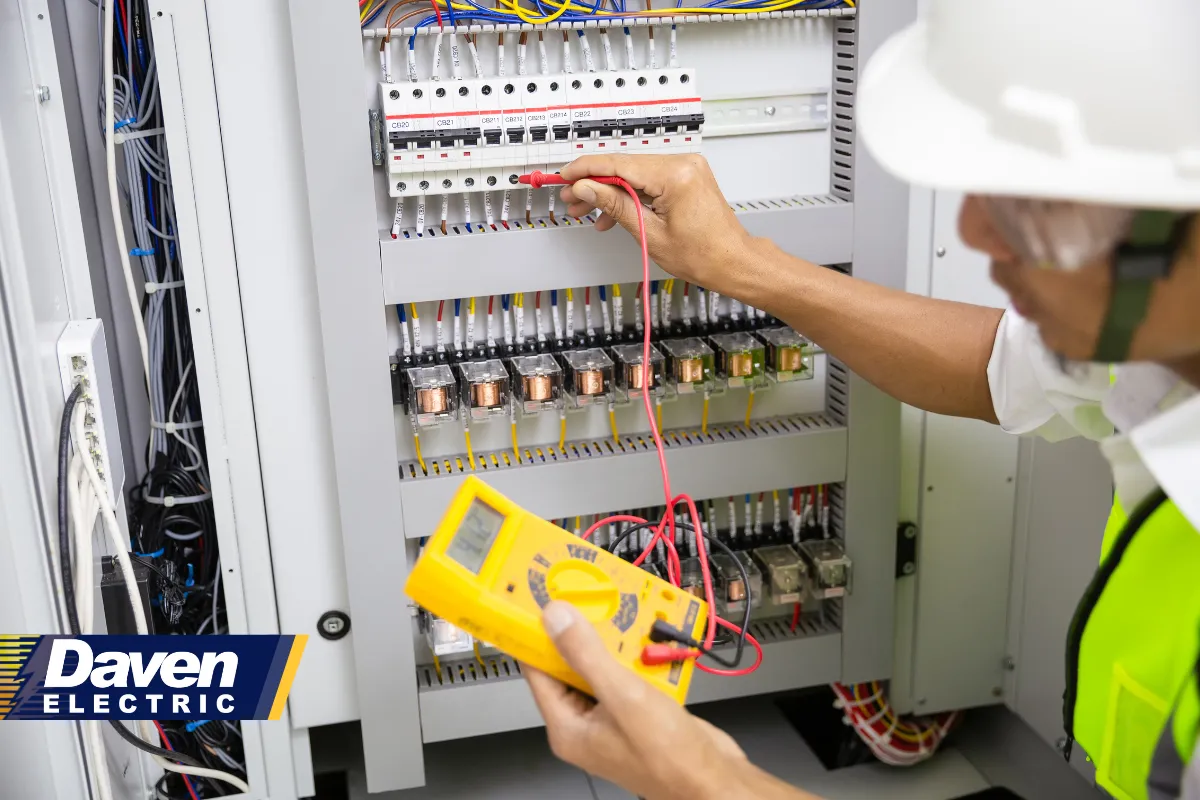
Not every electrician or electrical service provider delivers the same quality of inspection, especially in Brooklyn’s complex, older buildings. Choosing the wrong company can mean missed hazards, vague reports, or recommendations that do not account for local code requirements.
Here is what to look for when you hire a professional for this job:
- A valid NYC Licensed Master Electrician license and adequate liability insurance
- Documented experience with both residential and light commercial properties
- Familiarity with NYC Department of Buildings processes, permits, and the DOB inspection process
- Strong local references from neighborhood owners, co-ops, or property managers
Ask what the inspection will cover before you commit. A quality provider delivers a written report with photos of deficiencies, code references, and a clear distinction between urgent safety hazards and optional upgrades. Transparent pricing with no surprise fees is a must. Homeowners should avoid DIY electrical inspections entirely-the risk of missing a critical hazard or creating a new one is too high without proper training and knowledge.
Choose electricians with experience for thorough inspections, and prioritize an electrical contractor who offers both inspection and full-service repair so any electrical issues can be addressed promptly and correctly under one roof. That consistency simplifies dealing with permits, liability, and follow-up services.
Brooklyn Electrician – Daven Electric Corp.
At Daven Electric Corp., we provide comprehensive electrical inspections, panel evaluations, and code-compliant repairs for homes and businesses throughout Brooklyn, New York. Our licensed team brings deep familiarity with local NYC Electrical Code requirements, pre-war building wiring, and modern upgrade needs-from EV charger installations to full office build-outs.
We believe every property owner deserves a clear, honest assessment of their electrical system. Our inspection reports detail exactly what we find, what needs immediate attention, and what can be planned for later. No pressure, no vague language-just straightforward guidance you can act on.
Whether you need a routine inspection, a panel upgrade, or help preparing your property for sale, we are ready to assist. Call us at (212) 390-1106 or fill out our contact form to schedule your inspection today. Let our team handle your electrical needs safely and correctly.
Frequently Asked Questions
How often should I get an electrical inspection in a Brooklyn apartment or brownstone?
Electrical inspections should be done every three to five years for older homes, and roughly every five to ten years for newer construction with no significant changes. However, frequency depends on your building’s age, wiring type, and how heavily you use your electrical system. If you have added major appliances, completed renovations, or experienced a severe weather event like a flood or lightning strike, schedule an inspection regardless of when the last one occurred. Aging infrastructure in neighborhoods like Park Slope, Bed-Stuy, or Williamsburg often means wiring has been patched over decades, making more frequent checks a wise habit rather than an overreaction.
Can an electrical inspection help lower my homeowners insurance costs?
Inspections can lower homeowner insurance premiums through verification of safety upgrades and hazard corrections. When you provide your insurer with documentation showing that your panel, wiring, and protection devices meet current code, you may qualify for reduced rates or avoid policy restrictions. Some insurance companies specifically ask about knob-and-tube wiring, ungrounded outlets, or the age of your panel when underwriting a policy. A clean inspection report removes those red flags. While your insurer makes the final decision on pricing and coverage, having a professional record of your home’s safety condition strengthens your position during renewals or claims.
What is the difference between an electrical inspection and a general home inspection?
A general home inspector provides a broad visual review of a property’s major systems-plumbing, roofing, structure, and a basic look at outlets and the panel. They typically do not open electrical panels, test individual circuits, check wire gauge against breaker ratings, or evaluate code compliance in detail. A licensed electrician performing an electrical inspection goes deeper: testing GFCI and AFCI devices, examining connections inside the panel, identifying wiring types hidden behind walls, and evaluating whether the system can safely handle your current and planned loads. If you are buying a property, getting both inspections gives you the most complete picture of the home’s safety.
Will the power be turned off during an electrical inspection?
Short shutoffs may be necessary for safety when the electrician opens the panel cover, tests individual circuits, or checks connections under load. These interruptions are generally brief-often just a few minutes per circuit-and a good contractor will coordinate timing to minimize disruption. If you work from home or have medical equipment that requires constant power, let the electrician know in advance so they can plan accordingly. In most cases, the inspection itself takes one to three hours depending on the size and complexity of the property, and full-house outages are rarely needed.
What should I do to prepare my home or business for an electrical inspection?
Start by clearing access to your electrical panel. Move any furniture, storage boxes, or shelving that blocks the panel or nearby outlets. Make sure all smoke detectors are accessible and that the electrician can reach every room, including basements, attics, and utility closets. Gather any past permits, inspection reports, or documentation of previous electrical work-this helps the electrician understand what has been done and what to look for. If you know of specific problems like a particular outlet that sparks or a circuit that trips regularly, write those down. For commercial spaces, alert building supers or tenants about the scheduled visit so access is not delayed.
Staying Proactive About Electrical Safety in Brooklyn
An electrical inspection is not a formality or an optional line item. In a borough where buildings routinely date back a century or more and modern power demands keep climbing, it is one of the most practical investments you can make in your property and your family’s life.
Periodic inspections protect families, tenants, employees, and real estate investments by catching small issues before they become fires, shocks, or surprise failures during a sale or renovation. The findings from an inspection give you a clear roadmap for phased upgrades-so you can budget realistically rather than react to emergencies.
Do not wait for a burning smell or a failed deal to take action. Reach out to a qualified local professional who understands your building type, your electrical needs, and the specific code requirements in Brooklyn, New York. A single inspection can save you money, protect your property, and give you the peace of mind that your home or business is operating safely and in compliance.
Article Disclaimer: This article provides general information about electrical inspections in Brooklyn, New York and does not constitute legal, code, or engineering advice. Readers should consult a licensed electrician and local authorities for guidance specific to their property.
Read The #1 Ceiling Fan Installation Mistake a Brooklyn Electrician Warns Against