Power Surges in Brooklyn Homes: A Costly Problem Many Ignore
Brooklyn Electrician professionals hear this question often: can a homeowner install a whole house surge protector without hiring a licensed electrician? The short answer is technically possible, but in Brooklyn, New York, it’s rarely advisable—and often not compliant with local codes.
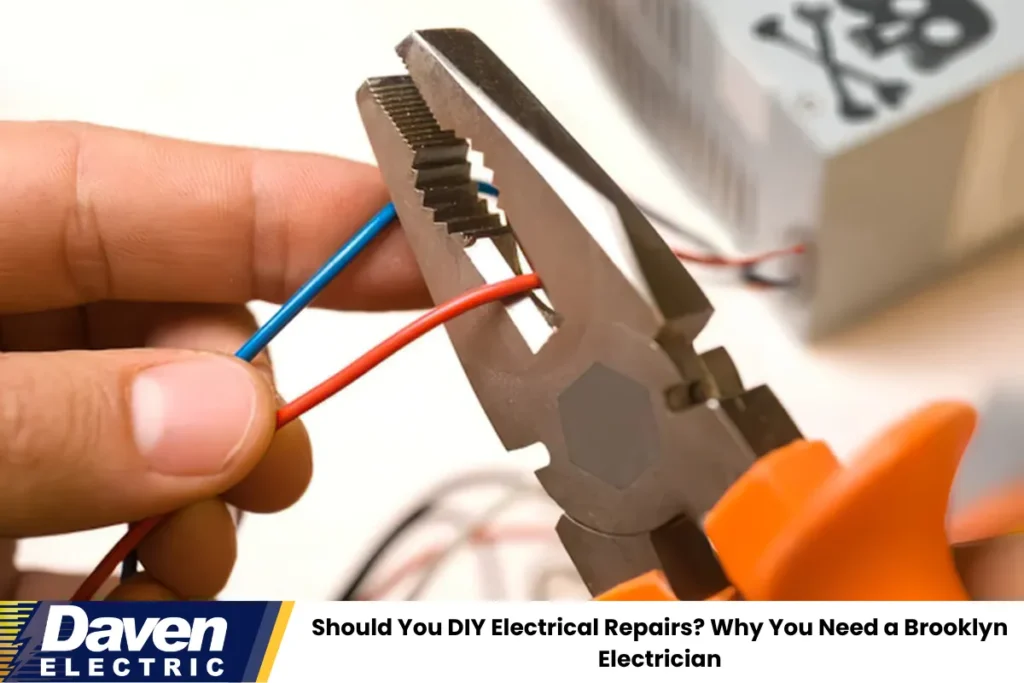
Power surges can silently damage appliances, smart home systems, HVAC units, and electronics. You may not notice the destruction until your refrigerator fails or your breaker panel trips unexpectedly. Attempting a DIY installation in a New York City electrical panel can put you at risk of serious injury, void warranties, or violate local regulations.
The smarter solution? Understand what’s involved, what the law requires, and when to call a qualified electrical contractor for proper electrical service that protects your home and your investment.
What Is a Whole House Surge Protector?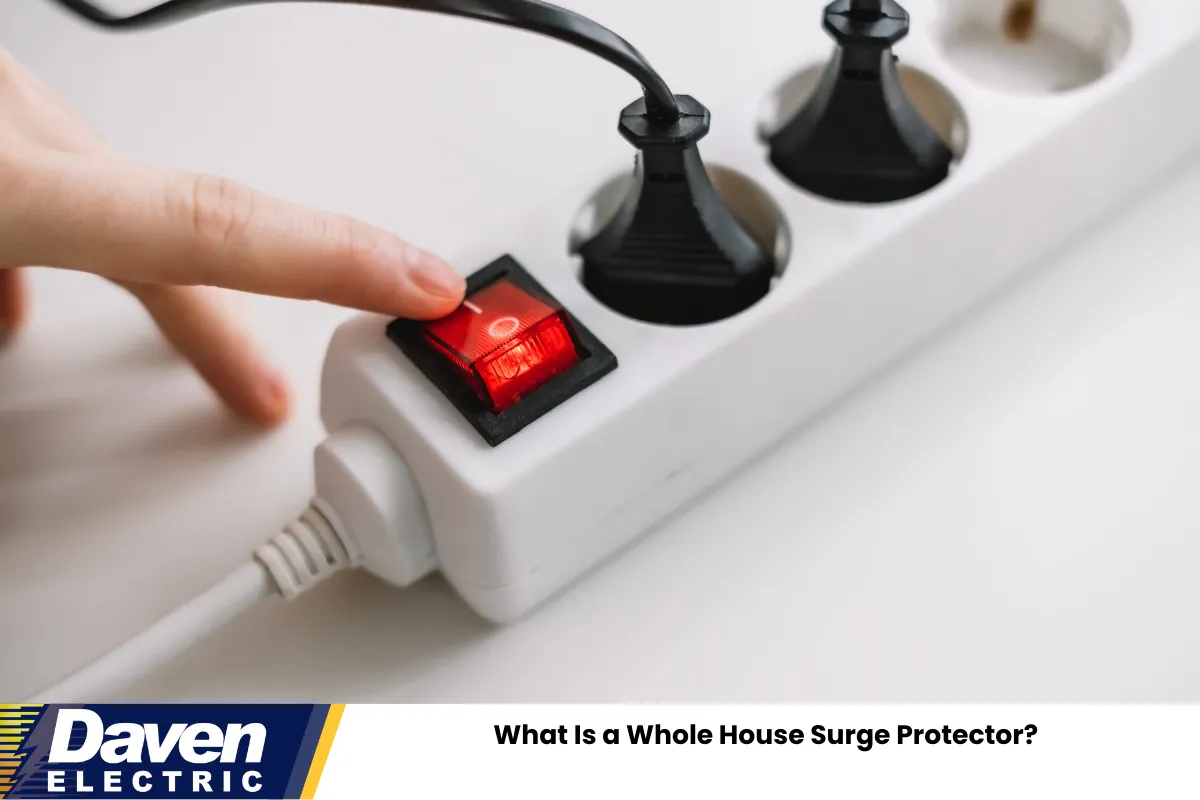
A whole house surge protector, also known as a surge protective device (SPD), is installed directly at your electrical panel. It acts as a first line of defense against voltage spikes caused by:
- Lightning strikes
- Utility grid switching
- Downed power lines
- Large appliance cycling
- Faulty wiring
- Power restoration after outages
Unlike plug-in surge strips, a panel-mounted SPD protects all circuits in the home.
How It Works
When voltage exceeds safe levels, the device diverts excess energy to ground. Most modern units use metal oxide varistors (MOVs) to absorb surges. After absorbing a major surge, some units must be replaced.
Types of Surge Protective Devices
According to current electrical standards, there are different SPD categories:
- Type 1 – Installed between the utility service and the main breaker.
- Type 2 – Installed at the main service panel.
- Type 3 – Point-of-use protection (power strips).
Most residential installations in Brooklyn use Type 2 devices installed inside or adjacent to the breaker panel.
Why Surge Protection Matters More in New York City
Brooklyn properties face unique electrical challenges:
- Older brownstones with outdated wiring
- Multi-family dwellings sharing service infrastructure
- Dense utility grid connections
- Frequent construction activity affecting underground lines
Many older buildings still operate with legacy panels that may not have been designed for modern electrical loads. Adding central air conditioning, EV chargers, induction ranges, or smart panels increases surge vulnerability.
A licensed electrician understands how to assess load calculations, grounding systems, and bonding to ensure your home is protected properly.
Can You Install a Whole House Surge Protector Yourself?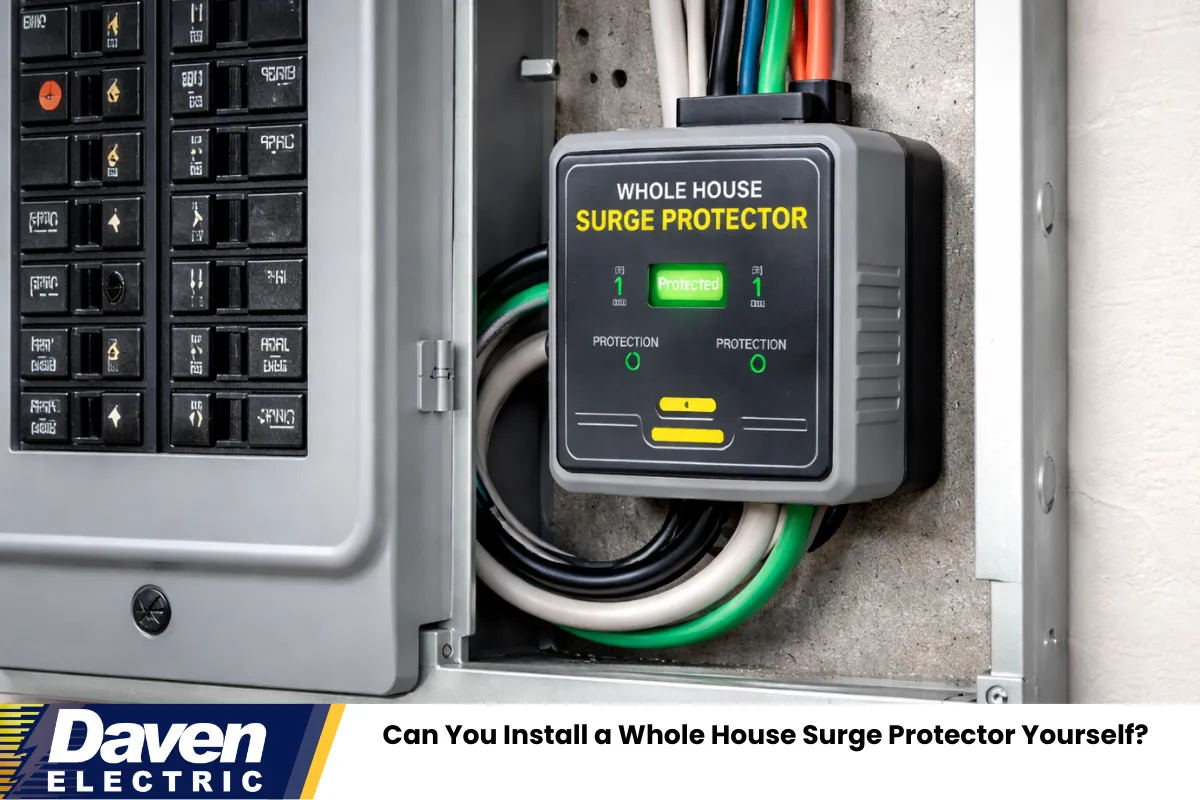
The Technical Reality
Installing a whole house surge protector requires:
- Removing the electrical panel cover
- Working near live service conductors
- Connecting to a dedicated double-pole breaker
- Proper torque settings
- Correct grounding
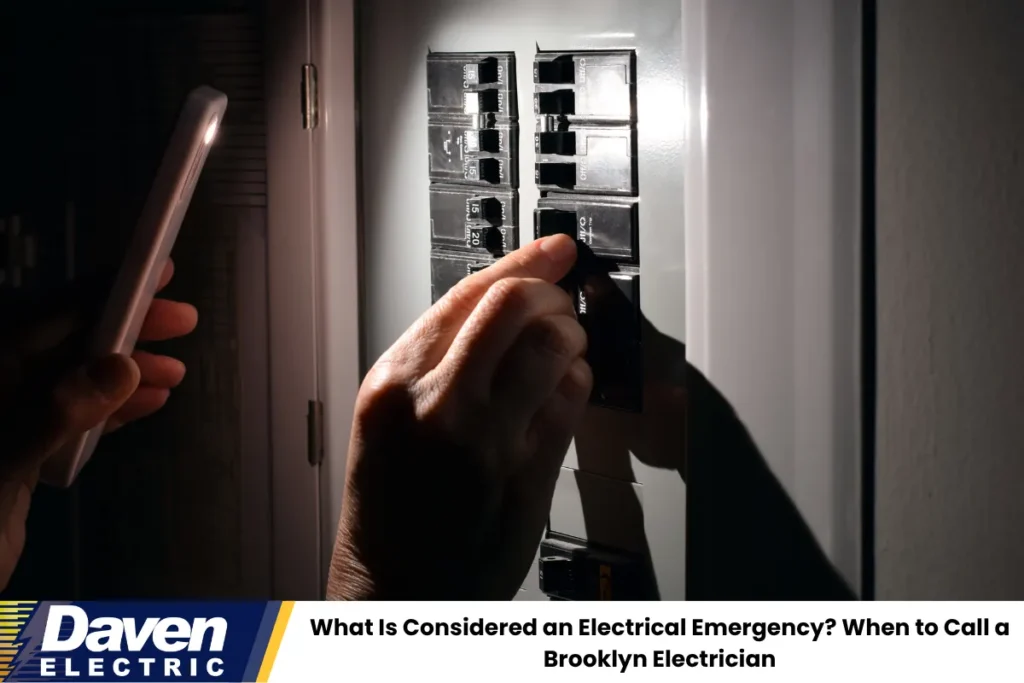
Even when you shut off the main breaker, the service lugs feeding the panel remain energized. That means exposed components can carry lethal voltage.
NYC Code Requirements
In New York City, electrical work is governed by:
- NYC Electrical Code (based on the National Electrical Code with local amendments)
- NYC Department of Buildings (DOB) regulations
In most cases, installing equipment inside the service panel requires:
- A licensed NYC electrician
- An electrical permit filed with the Department of Buildings
- Inspection approval
Homeowners are generally not permitted to perform service panel work unless they hold proper licensing. Brooklyn falls under NYC jurisdiction, which enforces stricter oversight than many other parts of New York State.
Hiring a certified electrical contractor ensures compliance and protects you from fines, violations, and insurance complications.
Risks of DIY Installation
1. Severe Injury or Electrocution
Panel work exposes you to 120/240 volts—and potentially higher in multi-family buildings. Even experienced DIYers underestimate the hazard.
2. Code Violations
Improper installation can result in:
- Failed inspections
- Home sale delays
- Insurance claim denials
3. Voided Manufacturer Warranty
Many surge protector brands require installation by a licensed electrician for connected equipment warranties to remain valid.
4. Incorrect Breaker Sizing
Improper amperage selection reduces protection effectiveness.
5. Grounding Issues
If the grounding electrode system is outdated, the SPD cannot function correctly. An experienced electrical contractor will test grounding resistance before installation.
When a Professional Electrician Is the Better Choice
Hiring a qualified electrician ensures:
- Proper load evaluation
- Safe installation
- Code compliance
- Warranty protection
- Correct breaker placement
- Proper bonding and grounding
A reputable electrical service provider will also inspect the panel for:
- Overcrowded breakers
- Double taps
- Corrosion
- Aluminum wiring concerns
- Arc fault and ground fault protection
Surge protection is often part of a broader panel upgrade or service enhancement.
Signs You May Need Surge Protection Now
Consider calling an electrical contractor if you notice:
- Flickering lights
- Frequent breaker trips
- Recently installed major appliances
- Smart home system malfunctions
- After a lightning event
- After Con Edison power restoration
Homes with home offices, servers, medical equipment, or EV chargers should prioritize surge protection.
How Surge Protection Fits Into Modern Electrical Systems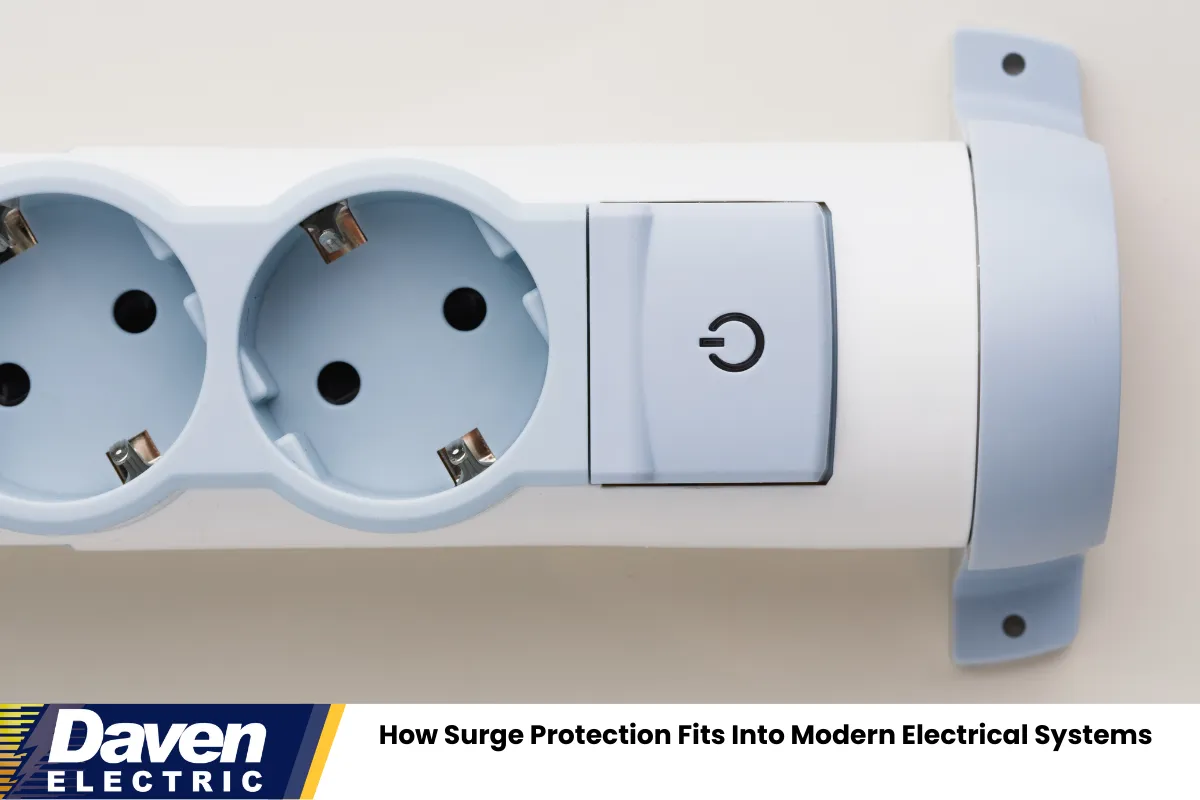
Today’s homes are more dependent on electronics than ever before. Consider how many sensitive devices are connected:
- Televisions
- Wi-Fi routers
- Security systems
- Smart thermostats
- Gaming systems
- HVAC control boards
- Refrigerators with digital displays
A whole house surge protector works together with point-of-use protectors for layered defense.
Many electrical service upgrades now include:
- Smart panels
- Energy monitoring systems
- EV charging stations
- Solar inverter connections
Each of these adds sensitivity to voltage fluctuations.
Read Brooklyn Electrician: Does Homeowners Insurance Cover Surge Protection?
What Does Installation Typically Involve?
A licensed electrician typically performs the following steps:
- Evaluate the main service panel capacity.
- Verify grounding and bonding integrity.
- Install a dedicated double-pole breaker.
- Mount the SPD either internally or externally.
- Connect neutral and ground conductors.
- Torque connections to manufacturer specifications.
- Test indicator lights and voltage readings.
- File required documentation if applicable.
The process usually takes under two hours in a straightforward installation.
How Much Does Professional Installation Cost in Brooklyn?
Costs vary depending on:
- Panel accessibility
- Required permit fees
- Panel brand compatibility
- Necessary grounding upgrades
- Type of surge protector
In Brooklyn, installation may range from a few hundred dollars to over a thousand if panel upgrades are required.
While DIY might seem cheaper, a failed inspection or damaged panel could cost significantly more.
Insurance and Liability Considerations
Some homeowners insurance policies recognize whole house surge protection as a risk-reduction feature. However:
- Claims may be denied if work was performed without proper permits.
- Improper installation could shift liability to the homeowner.
A licensed electrician provides documentation that supports insurance protection.
Commercial Properties and Surge Protection
Brooklyn businesses should never attempt DIY panel work. Commercial electrical service requires:
- Licensed electrical contractor involvement
- Permit filing
- Possibly load letter documentation
- Compliance with fire safety regulations
Office equipment, POS systems, and refrigeration units are particularly vulnerable to surges.
Choosing the Right Surge Protector
When selecting a device, professionals consider:
- Surge current capacity (kA rating)
- Voltage rating
- UL listing
- Warranty coverage
- Compatibility with panel brand
- Indicator lights for operational status
A reputable electrician will recommend devices rated appropriately for NYC utility conditions.
DIY Alternatives That Are Safer
If you’re not ready for a full panel installation, consider:
- High-quality plug-in surge protectors (UL listed)
- Uninterruptible power supplies (UPS) for computers
- Proper grounding inspection
However, these do not replace whole house protection.
Final Word: Is DIY Worth the Risk?
While it may be physically possible for someone with electrical knowledge to install a surge protective device, Brooklyn regulations and safety risks make DIY installation impractical for most homeowners.
Electrical panels are not beginner projects. Between permit requirements, inspection standards, and life safety concerns, hiring a licensed electrician is the responsible choice.
Protecting your property from surges is smart. Protecting yourself from injury and violations is even smarter.
Brooklyn Electrician – Daven Electric Corp.
At Daven Electric Corp., we provide professional electrical service throughout Brooklyn, New York. As a licensed electrician and experienced electrical contractor, we install whole house surge protectors safely and in full compliance with NYC regulations. We handle permits, inspections, and ensure your panel is properly grounded and code compliant.
Our team understands Brooklyn homes, from brownstones to multi-family buildings. We assess your electrical system, recommend the right surge protection solution, and complete installation efficiently. If you’re concerned about power surges or panel safety, call us at (212) 390-1106 or fill out our contact form today. We are ready to protect your home and your investment with reliable, professional service you can trust.
Frequently Asked Questions
1. Do whole house surge protectors stop lightning damage completely?
No surge protector can guarantee complete protection against a direct lightning strike. However, a properly installed whole house surge protector significantly reduces damage from indirect lightning strikes and utility surges. It diverts excess voltage safely to ground before it reaches sensitive electronics. For maximum protection, electricians often recommend layered defense, combining a panel-mounted SPD with point-of-use surge protectors. Proper grounding is critical. Without adequate grounding, even the best device cannot perform effectively.
2. How long does a whole house surge protector last?
Most surge protectors last between five to ten years, depending on how many surges they absorb. Each surge slightly degrades internal components. Many modern units include indicator lights that show operational status. If the indicator fails, replacement may be necessary. An annual electrical service inspection can confirm whether your SPD is functioning properly. Homes in areas with frequent outages or construction may experience shorter device lifespan due to repeated voltage spikes.
3. Will a surge protector lower my electric bill?
A surge protector does not directly reduce energy consumption. Its purpose is to protect equipment from voltage spikes, not regulate daily power usage. However, preventing damage to appliances and HVAC systems can avoid costly replacements. Some newer electrical panels include energy monitoring features, but that is separate from surge protection. If you are interested in energy efficiency, a licensed electrician can perform an energy assessment and recommend upgrades.
4. Is surge protection required by code in NYC?
The National Electrical Code requires surge protection in certain new construction dwelling units, and NYC adopts local amendments. Requirements may vary based on building type and permit scope. While not every older home is mandated to retrofit surge protection, new installations and major panel upgrades often include it to meet current standards. A licensed electrical contractor can confirm what applies to your specific property and file permits if required.
5. Can surge protectors protect solar panels or EV chargers?
Yes, surge protection is highly recommended for homes with solar systems or EV charging stations. Inverters and charging equipment contain sensitive electronics that can be damaged by voltage spikes. A properly sized SPD installed at the main panel helps shield these investments. In some cases, additional surge protection may be installed at subpanels or dedicated circuits. An electrician will evaluate your setup to ensure all major systems are adequately protected.
Disclaimer: This article is for general informational purposes only and does not constitute legal or professional electrical advice. Electrical work in Brooklyn, New York must comply with NYC codes and regulations. Always consult a licensed electrician or electrical contractor for installation and permit requirements.
Read Brooklyn Electrician: How Much Does Electrical Permit Remediation Cost?